Why Do Roast Curves Matter?
A coffee can begin with excellent green beans and still taste weak, harsh, or flat in the cup. That often happens when roast curves are not well controlled during roasting. Even small changes in timing or temperature can lower sweetness, hide aroma, and push bitterness too far before the roaster notices.
To learn why roast curves matter, it helps to understand how they influence heat application, flavor development, and consistency in coffee roasting. These factors shape how coffee tastes in the cup and why repeatable roasting matters for both quality control and customer experience.
Roast Curves Shape Flavor
Flavor does not come from roast color alone. Two batches can finish at a similar color and still taste very different. One may feel sweet and clear, while the other tastes rough or empty. The difference often comes from the way heat moved through the roast. That is why roast curves are so important in daily roasting work.
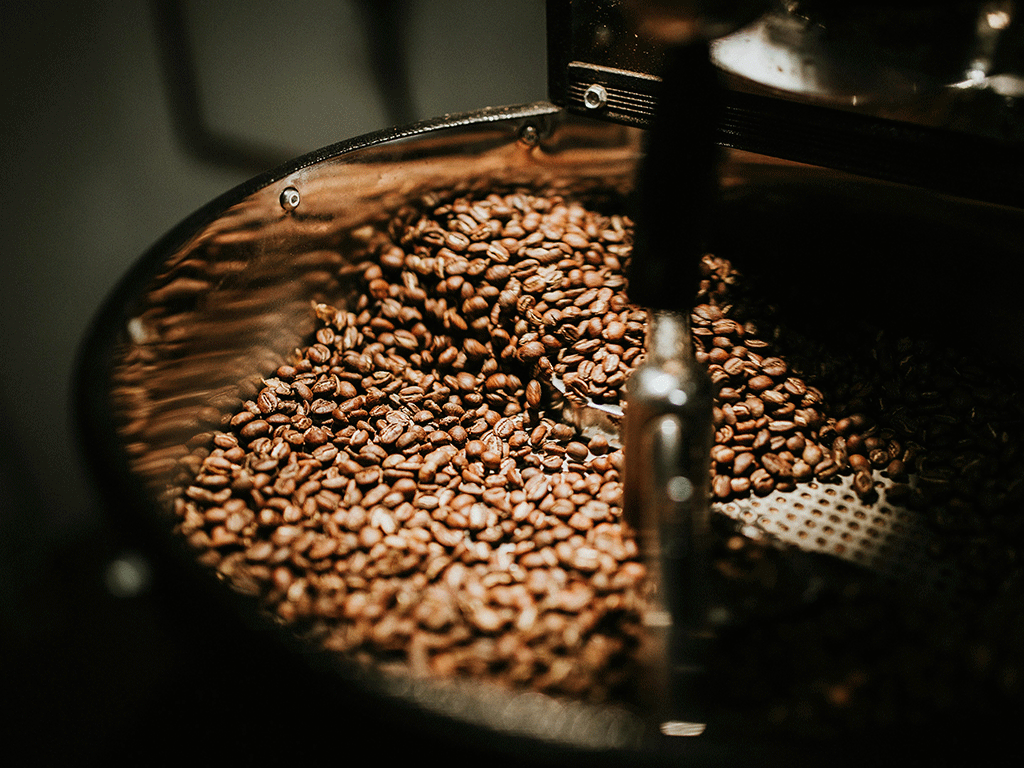
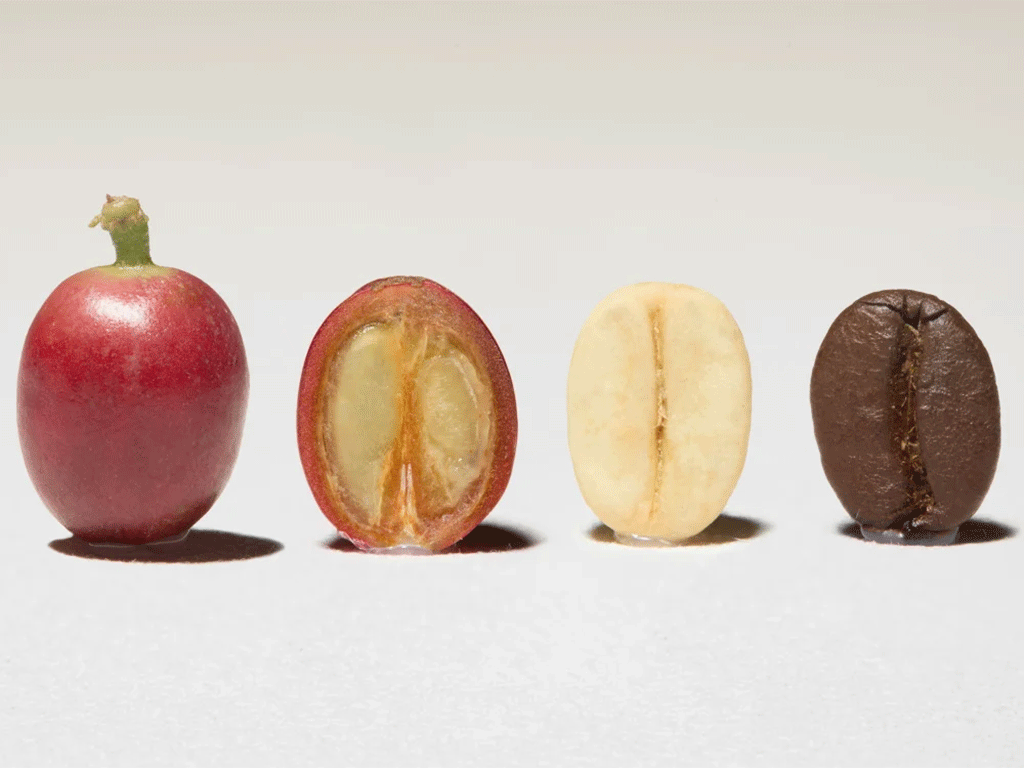
A roast develops in stages. Early heat removes water from the bean. The middle stage supports browning and builds sweetness. The final stage pushes the roast toward its finish and affects body, aroma, and aftertaste. If the roast moves too fast in one stage or too slowly in another, the cup can lose balance. A roasting curve helps the roaster see these shifts while the batch is still in the machine.
Before going deeper, it helps to define the term clearly. Many people hear about roast curves but only think of a graph on a screen. In practice, they are much more useful than that. They are a working record of how the roast behaved and how that behavior may show up later in the cup.
What Are Roast Curves?
Roast curves are graphs that show temperature over time during roasting. Time usually runs along the bottom, while temperature runs up the side. Many systems also show Rate of Rise, which tracks how quickly the temperature is climbing. Together, these lines help roasters see whether the batch is moving in a smooth, steady way or drifting off target.
This matters because coffee flavor is highly sensitive to roast movement. Research on roasted coffee notes that coffee contains more than 800 volatile compounds, and many of them are linked to aroma and flavor perception. That helps explain why even small changes in heat application can produce noticeable differences in the cup.
This is also why roast color alone is not enough. A 2020 multi-study paper that drew on data from eight studies found that both roast color and roast time affected coffee flavor, but roast color was the stronger predictor overall. Even so, roast time still mattered, which is exactly why roasters need roast curves instead of looking only at final color.
So when people ask why a roaster should care about a roast graph, the answer is simple. It links heat decisions to cup results. It helps a roaster understand why one batch tastes clean and lively while another tastes dull or heavy. That is why roast curves are not just technical records for advanced users. They are one of the clearest tools for shaping flavor on purpose.
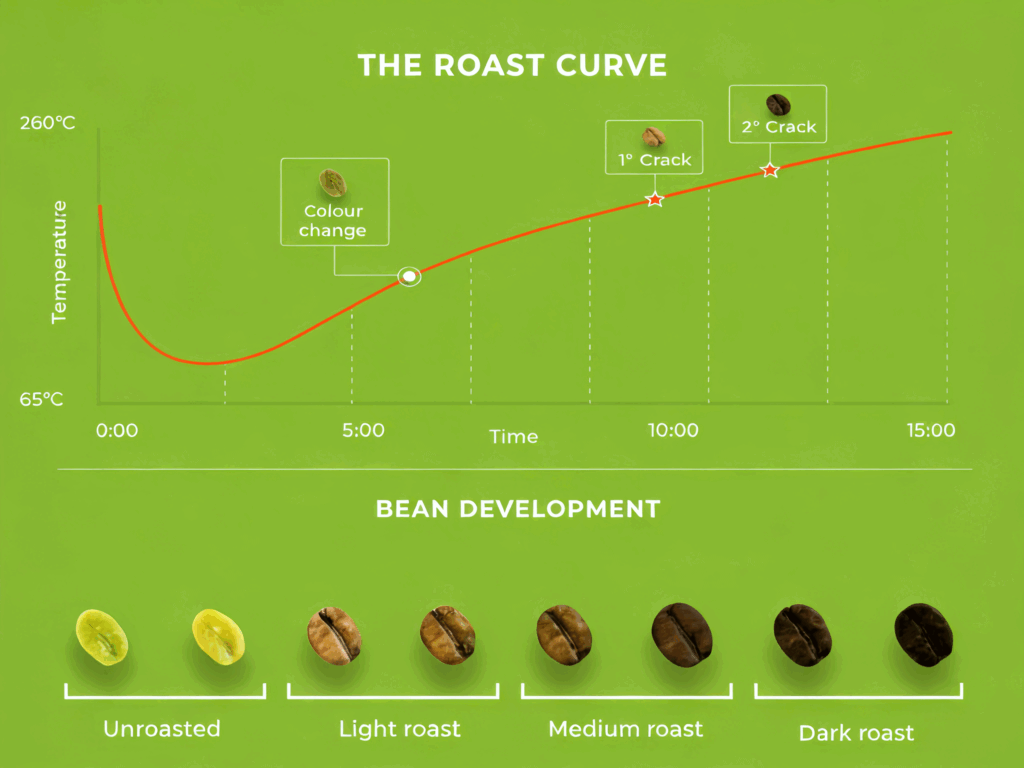
Why consistency matter in roasting?
One good batch is not enough in real roasting work. A roaster needs to get close to the same result again and again. That is where consistency becomes essential. If one batch tastes bright and sweet but the next tastes heavy and bitter, customers will notice. A coffee may still be drinkable, but it will not feel reliable. Roast curves help reduce that problem by giving the roaster a repeatable heat pattern to aim for.
When the heat path stays close from batch to batch, the beans go through similar physical and chemical changes. That gives the roaster a better chance of repeating the same cup profile. If the curve swings too much, flavor can drift fast. Acidity may turn sharp. Sweetness may fall away. Bitterness may rise sooner than expected. In that sense, consistency is not only about production. It is about protecting flavor.
Roast Curves Support Repeatability
A clear roast record makes good results easier to repeat. Charge temperature, airflow changes, gas adjustments, turning point, and finish can all be reviewed together instead of remembered in pieces. That gives the roaster a practical reference. It also helps a team train new staff, compare batches, and make better choices when something goes wrong.
Rate of Rise Shows Momentum
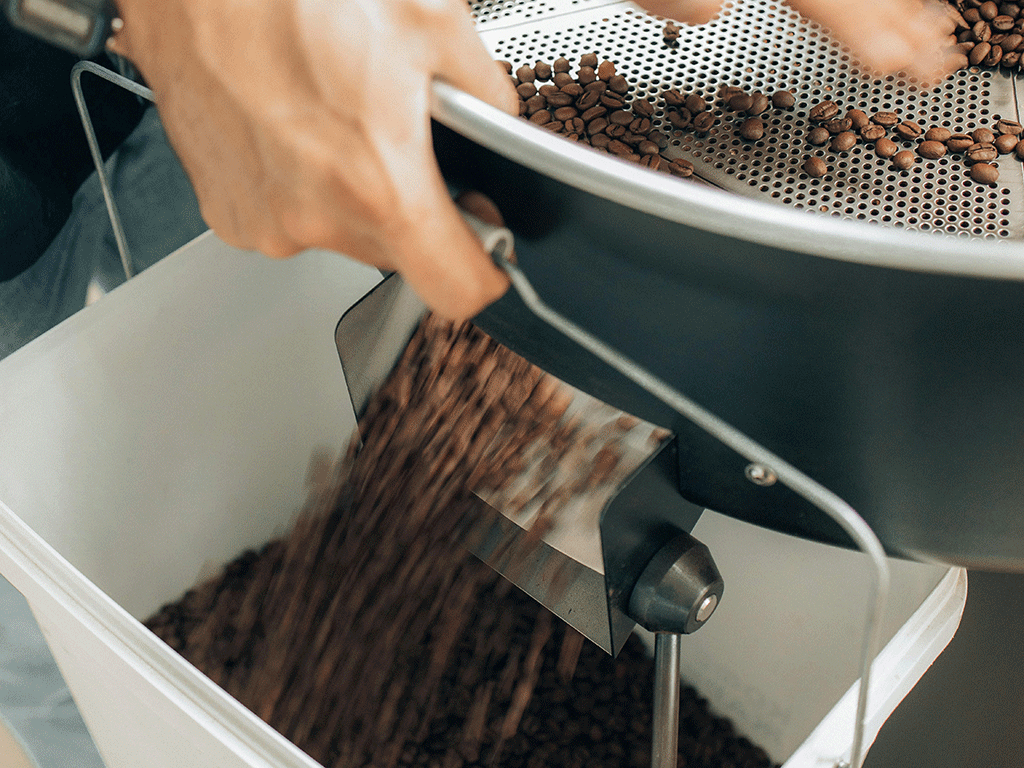
Rate of Rise, often called RoR, is one of the most useful parts of that picture. It shows how fast bean temperature is increasing at a given moment. The main line shows where the roast is. RoR shows how the roast is moving. If RoR becomes unstable, the roaster gets an early warning that the batch may lose balance. That can help prevent baked flavors, harsh notes, or a weak finish before they show up in the cup.
For a professional roaster, this kind of control matters every day. Consistent roast curves support better cupping, clearer problem solving, and stronger customer trust. People return to a coffee because they expect a familiar taste. When that taste stays stable, the business looks more skilled and more dependable. That is why consistency sits at the core of serious roasting, not at the edge of it.
Preserving Coffee Quality From Roast to Cup
Coffee can lose quality even after the roast is finished. Once the beans leave the drum, freshness starts to change right away. Roasted coffee releases gas, reacts with oxygen, and slowly loses aroma over time. So even when roast curves are carefully controlled, the cup can still taste flat if the next steps are handled poorly.
Quality does not stop at the end of roasting. It continues through cooling, resting, storage, packaging, and brewing. A good roast can build sweetness, balance, and aroma, but those results still need protection after the coffee leaves the roaster.
Oxygen is one of the main causes of staling, but it is not the only one. Moisture, heat, and time also reduce flavor. When roasted coffee is stored in poor conditions, aroma fades and the cup becomes less lively.
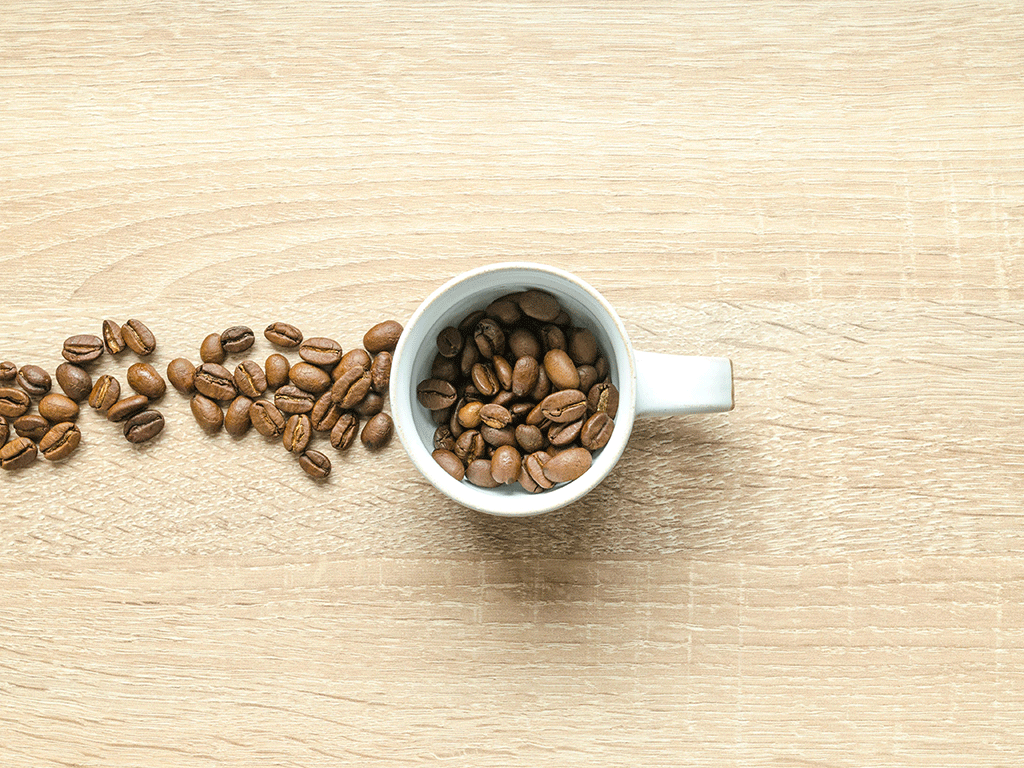
This is why strong roast curves alone cannot protect flavor all the way to the final brew. The form of the coffee matters too. Whole beans usually keep flavor longer, while ground coffee loses aroma faster because more surface area is exposed to air.
Storage temperature also plays a role. A 2024 study stored coffee at 5 °C and 20 °C for one month and found that temperature changed the volatile compound profile and sensory quality of the coffee. In simple terms, warmer and less stable storage conditions can move the cup away from what the roaster intended.
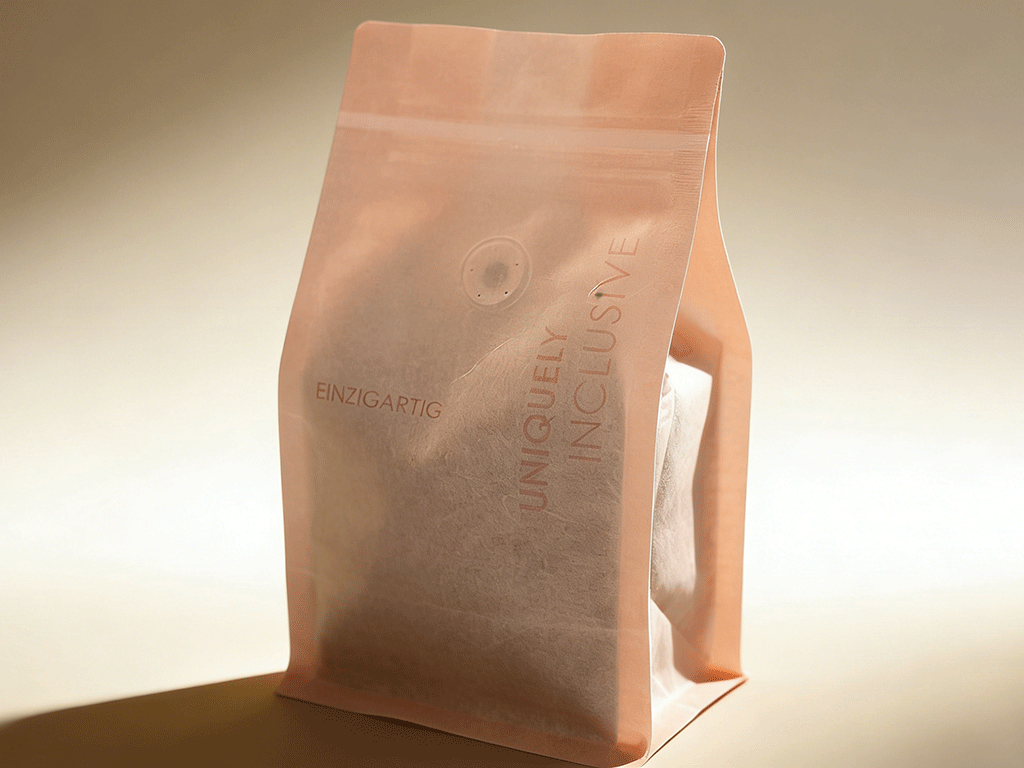
Packaging also plays a key role in preserving coffee quality. Roasted coffee needs protection from oxygen and moisture, yet it still releases carbon dioxide after roasting. That is why many coffee bags use barrier materials and one way valves to retain aroma and slow staling.
YamiPak Coffee understands that great coffee is shaped by roast curves during roasting and protected by the packaging that comes next. That is why we offer custom coffee packaging with flexible options, custom printing, and low MOQs to help specialty coffee brands carry quality from roast to cup.
Contact the YamiPak Coffee team for more information.
FAQ
What is a roast curve in coffee roasting?
A roast curve is a temperature-over-time graph for a coffee roast. It helps roasters track heat movement and compare batches more clearly.
Why is Rate of Rise important in coffee roasting?
Rate of Rise shows how quickly temperature is rising during the roast. It helps roasters spot instability early and respond faster.
How does roast profile affect coffee flavor?
The roast profile changes how long coffee stays in each roast stage. That shapes sweetness, acidity, body, aroma, and finish.
Share This Story, Choose Your Platform!

Chris Li
Chris Li is the Marketing Director at YamiPak coffee, with over 10 years of experience in packaging and printing. Passionate about sustainable solutions and innovative design, Chris helps brands create impactful packaging that leaves a lasting impression.