What coffee traceability means for coffee roasters
Many coffee bags tell customers how the coffee tastes, but coffee traceability shows where it came from. Without clear origin details, even great coffee can feel less transparent and harder to trust.
Coffee traceability means showing the source and journey of a coffee, from origin to roasting. For coffee roasters, it helps explain who produced the coffee, how it was processed, which batch it belongs to, and why it has value.
This guide explains what coffee traceability means for coffee roasters, why it matters in specialty coffee, and how packaging can present origin details, producer information, roast dates, lot numbers, and QR codes clearly.
Key takeaways
- Coffee traceability shows the source of a coffee.It includes details such as origin, region, producer, process, lot number, and roast date.
- Clear traceability helps roasters build trust.It gives customers more confidence in the coffee, the sourcing, and the brand behind it.
- Packaging can make traceability easier to understand.Printed origin details, labels, batch numbers, and QR codes can help customers see the story clearly.
What is coffee traceability
Coffee traceability is the ability to follow a coffee back to its source and production process. It is not just a country name on a bag. It can include the farm, producer, region, process, variety, lot number, harvest season, and roast date.
At the simplest level, coffee traceability answers one question: where did this coffee come from? A basic answer may say Colombia or Ethiopia. That gives a starting point, but it does not show the actual farm, producer, cooperative, washing station, or lot.
This matters in specialty coffee because small details can change the whole experience. A washed coffee from one region can taste very different from a natural processed coffee from another. A single producer lot can also feel more meaningful than a general blend with no clear source.
Coffee traceability can also include what happened after the coffee was harvested. Roasters may share the processing method, drying style, export route, roast date, and batch number. These details help customers see that the coffee moved through real people, places, and steps.
The more specific the information is, the stronger the traceability becomes. A coffee with only a country name has limited traceability. A coffee with region, producer, process, lot, and roast details gives customers a much clearer view of its value.
This does not mean every detail must be printed on the front of the bag. Roasters need to choose the right information and present it clearly. For them, traceability gives each product identity and helps every bag carry a real coffee story.
Why coffee traceability matters
Coffee traceability matters because it helps roasters build trust, show quality, and explain value. When customers see clear origin, process, lot, and roast information, the coffee feels more transparent, professional, and connected to its source.
Customers often judge coffee before they brew it. They look at the bag, label, roast date, origin, and story. If the information feels clear, they are more likely to trust the roaster and remember the coffee.
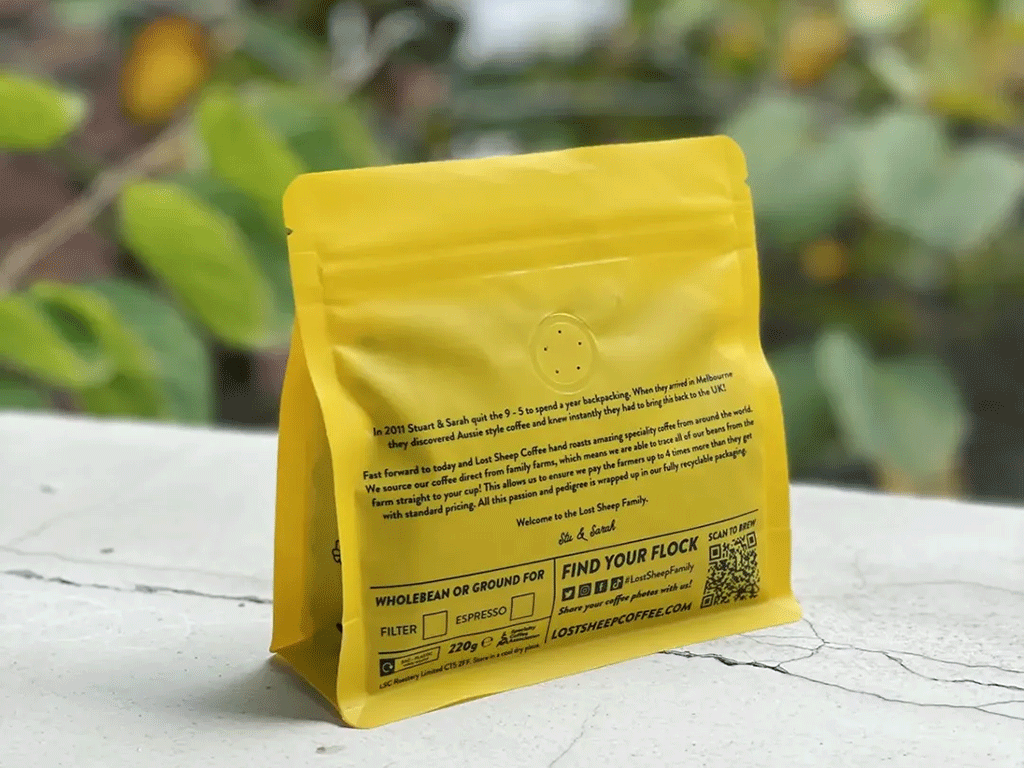
This is why coffee traceability matters for roasters. It shows that the brand understands where the coffee comes from and cares about sourcing. It also helps customers see the difference between a general coffee product and carefully sourced specialty coffee.
Recent research supports this shift. A 2024 GlobalData survey reported by GS1 UK found that 56% of UK consumers would find point-of-origin and sustainability information useful through a QR code on packaging, showing strong demand for clearer product information.
Traceability also helps explain price. Specialty coffee often costs more because more work goes into sourcing, processing, roasting, and quality control. When a bag shows producer, region, process, harvest, lot, and roast date, the value becomes easier to understand.
It also connects roasters with the wider specialty coffee movement. In a 2025 International Coffee Organization document, specialty coffee is linked with cup quality, certified traceability, and sustainability criteria at different production stages, making transparency part of how coffee quality is understood.
For coffee roasters, coffee traceability creates a clear opportunity. A traceable coffee can tell a richer story, highlight producers, show sourcing standards, support customer education, and make each bag feel more meaningful in a crowded market.
How to present traceability clearly
Roasters need to choose the most useful source details first, then place them in a clean structure. Origin, region, producer, process, lot number, and roast date should be easy to find, not hidden in crowded text.
The first step is to decide which details matter most. Not every coffee needs a long paragraph on the front of the bag. Key traceability details usually include origin, region, producer, processing method, variety, lot number, and roast date.
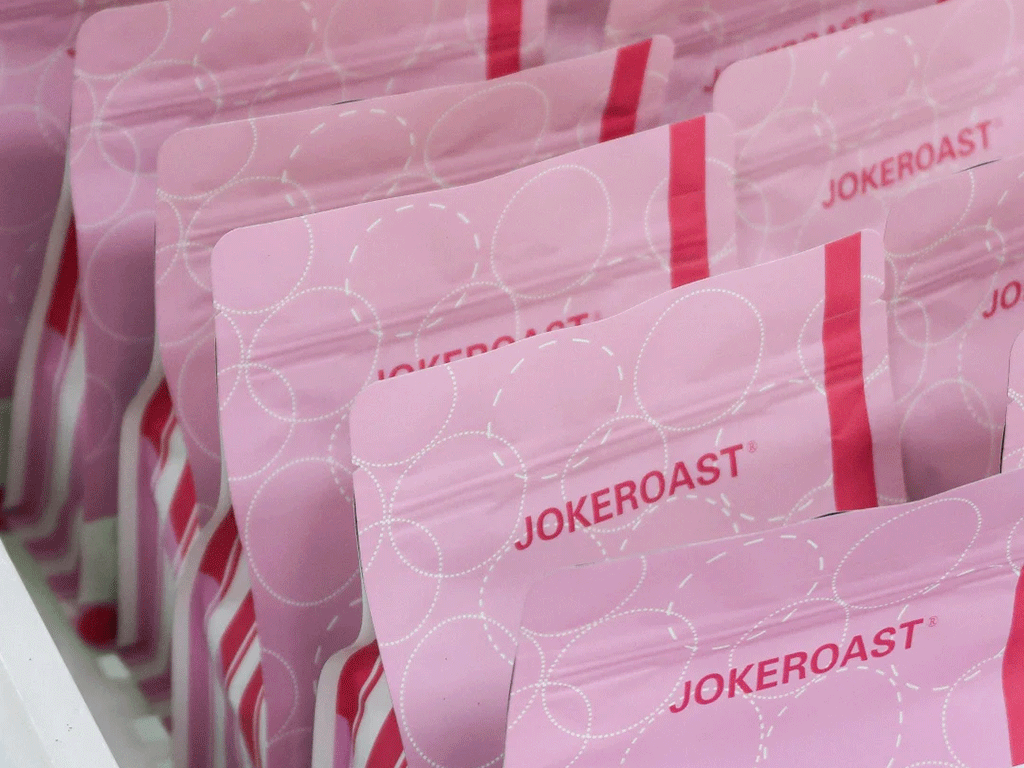
These details help customers understand where the coffee comes from and why it is different. Clear coffee traceability works best when the most important information appears first, while deeper details stay easy to find on other parts of the packaging.
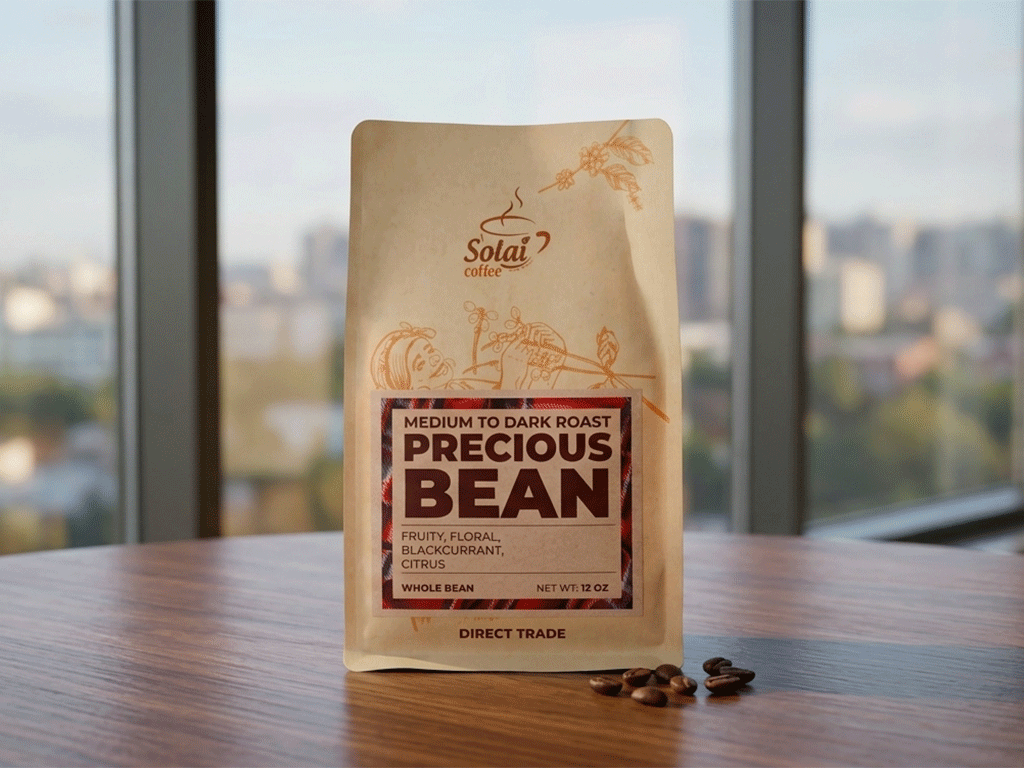
The second step is to create a clear order. The front of the bag can show origin, process, tasting notes, and roast level, since these are the details customers often check first when comparing different coffees.
The back or side panels can carry deeper information, such as the producer story, farm background, sourcing notes, storage tips, batch number, and best-before date. This keeps the main design clean while still supporting strong traceability.
Roasters can also use QR codes when the story is too long for the bag. A QR code can link to farm photos, processing details, brewing guides, sourcing pages, or sustainability information without overcrowding the printed design.
Batch details also matter. Lot numbers, roast dates, and harvest seasons make coffee traceability feel more specific and fresh. Labels or variable printed areas can help each coffee keep the same brand style while showing its own source details.
At YamiPak Coffee, we help roasters create custom coffee packaging that presents origin details, roast dates, QR codes, and batch information clearly. Our packaging options include recyclable coffee bags, compostable packaging, and paper coffee boxes.
With digital printing technology, roasters can customize designs for different origins, lots, roast profiles, and seasonal releases while keeping their brand story consistent.
For more information on sustainable coffee packaging, contact our team.
Share This Story, Choose Your Platform!

Chris Li
Chris Li is the Marketing Director at YamiPak coffee, with over 10 years of experience in packaging and printing. Passionate about sustainable solutions and innovative design, Chris helps brands create impactful packaging that leaves a lasting impression.