
Understanding Colombian Coffee Characteristics
Many coffee brands use “Colombian” as a simple quality label, but that creates a problem. Customers expect a clear taste, then find broad notes that do not explain the cup well. That gap makes product pages weaker and makes packaging work harder than it should.
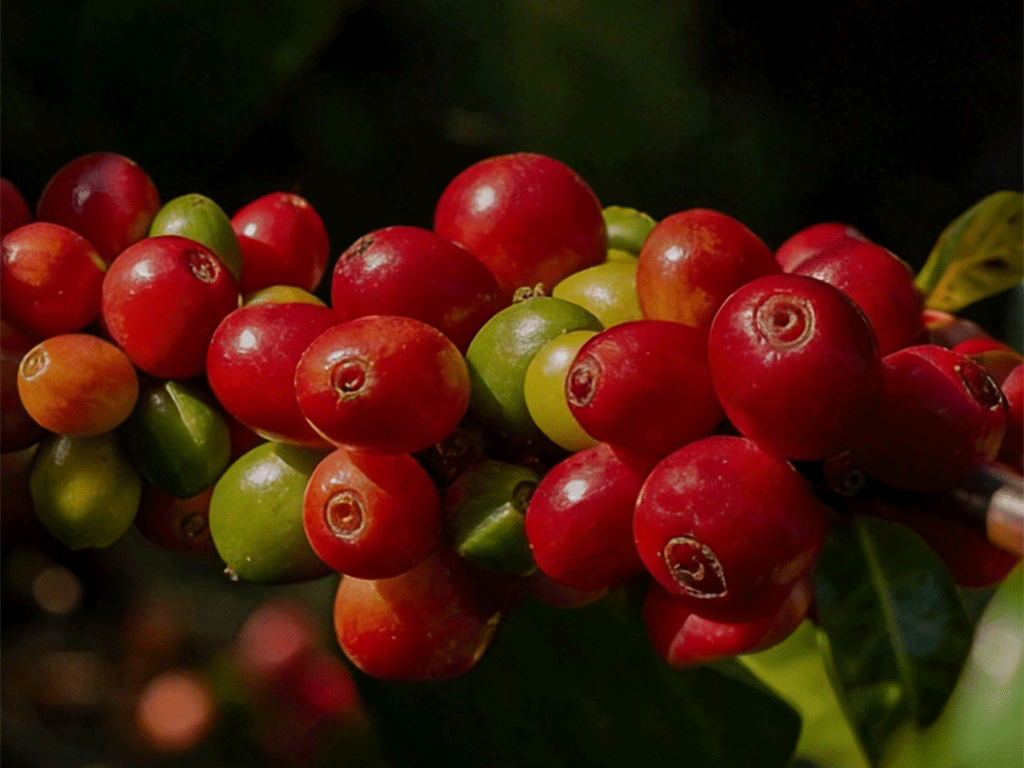
Colombian coffee characteristics come from where the coffee grows, how the cherries ripen, how the beans are processed, and how the coffee is roasted and stored. In general, colombian coffee is known for balance, clean acidity, sweetness, and notes like citrus, caramel, and chocolate.
That broad profile is useful, but it is not fixed. Coffee from Colombia can taste bright and floral in one region, then softer and heavier in another. This article looks at colombian coffee characteristics in more detail.
Colombian Coffee Growing Regions and Environment
Colombian coffee is grown across a wide range of environments, with around 840,000 hectares of land dedicated to cultivation. These conditions — from high-altitude mountains to tropical lowlands — play a key role in shaping how the beans develop in both structure and flavour. Understanding where it is produced helps explain its consistency, as well as its regional diversity.
Major Coffee Growing Regions
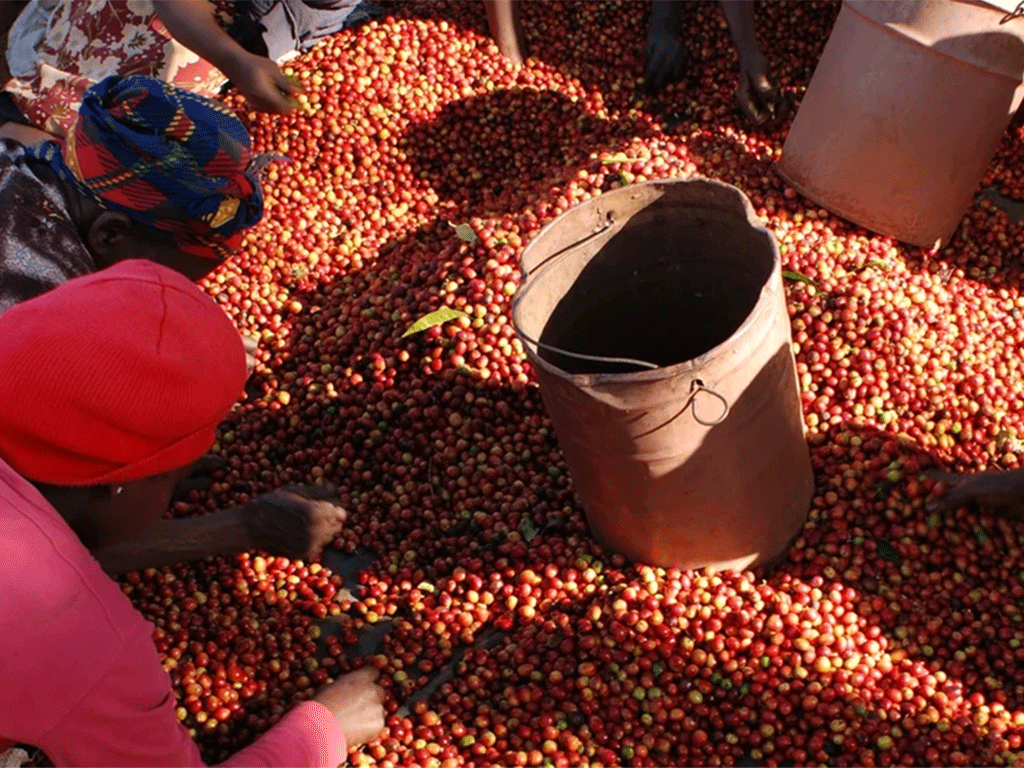
Production takes place across a broad network of coffee-growing areas, including well-known regions such as the Coffee Triangle and the Sierra Nevada. The Coffee Triangle — Caldas, Quindío, Risaralda, and Tolima — remains one of the most established areas, known for stable quality and well-developed infrastructure. Across the country, coffee production depends on a very large smallholder base. Around 540,000 families depend on coffee, and about 95% of producers farm less than 5 hectares. This structure helps explain why colombian coffee can show strong range in cup profile, even when the origin label looks simple on the shelf.
Altitude and Climate
Altitude is one of the defining factors. Many farms are located between 1,200 and 2,000 metres above sea level, where cooler temperatures slow cherry maturation. This extended development helps build clearer acidity, more defined sweetness, and denser beans. Colombia’s equatorial position also supports more than one harvest cycle in some regions, with fairly steady rainfall through the year. That mix helps maintain supply and supports the steady quality many buyers expect from coffee from Colombia.
Regional Differences and Bean Characteristics
Regional variation plays a clear role in how colombian coffee presents in the cup. Coffees from lower-altitude northern areas often show a heavier body with softer acidity, while southern highland coffees tend to be brighter and more structured.
These environmental differences also affect the physical properties of the beans. Higher elevations usually produce denser beans, and denser beans need more energy during roasting. That makes this origin useful for a wide range of roast styles, but it also means the flavor story should not stop at the country name.
Flavor Characteristics of Colombian Coffee
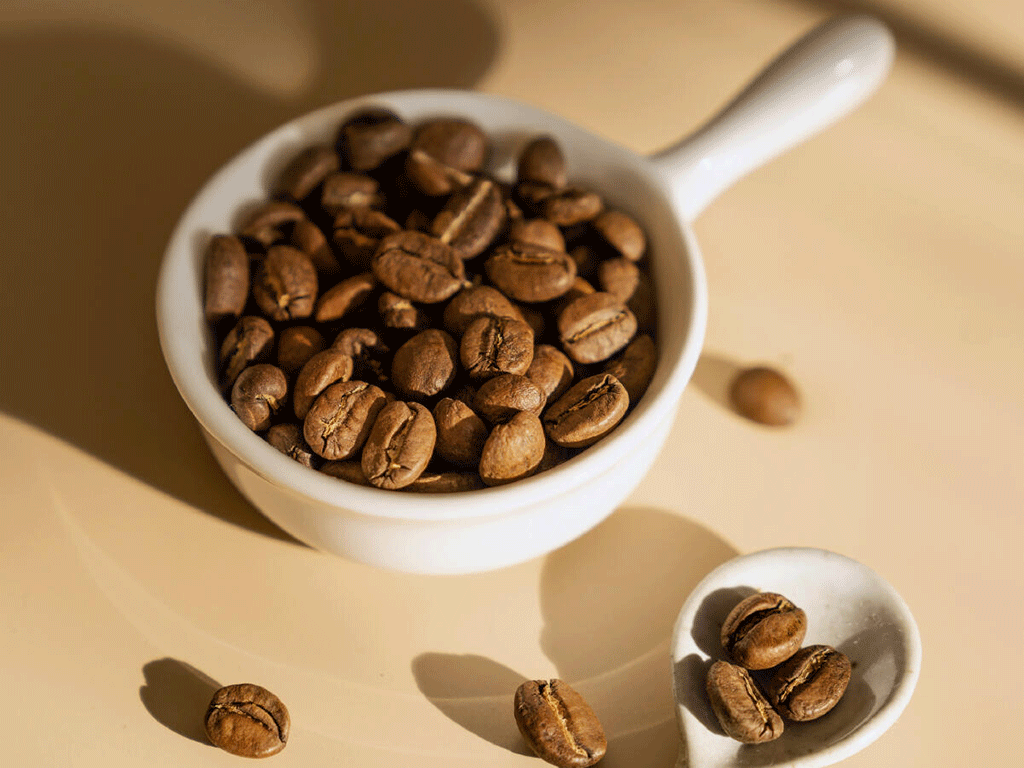
Colombian coffee is often described as balanced, sweet, and clean, with common notes such as citrus, caramel, and chocolate. This description offers a useful starting point, but it only reflects a general profile. In practice, the cup can vary widely, as region, altitude, variety, and processing all influence the final result and shape how the coffee is experienced.
One reason colombian coffee is widely appreciated is its balance. Acidity is often bright but not sharp, while sweetness feels clear and rounded. Citrus notes can lift the cup, while caramel and chocolate add depth. This combination makes it suitable for both single-origin offerings and blends, giving roasters flexibility in product design.
However, the flavor is not fixed. Coffees from lower and warmer regions may present a softer body with reduced acidity and more muted fruit expression. In contrast, higher-altitude lots, especially from southern areas, often show more floral detail, higher acidity, and greater clarity. These differences play an important role in how coffees are positioned in the market.
Processing also has a strong impact. Colombia is known for washed Arabica, which accounts for the majority of production. Washed processing removes the fruit before drying, resulting in a cleaner cup and more defined acidity. This is one reason colombian coffee is often considered easy to evaluate and consistent in cupping.
Roasting further shapes the flavor profile. Light roasts tend to preserve citrus, floral notes, and brighter acidity. Medium roasts bring more caramel sweetness and body, while darker roasts emphasize chocolate, nuts, and roast character. Each roast level highlights different aspects of the same origin and affects how the coffee is perceived.
For coffee brands, clear flavor communication is essential. The language used on packaging should reflect the actual profile in the cup. When origin, processing, and roast are aligned, colombian coffee becomes easier for customers to understand and helps create a more consistent experience.
Roasting and Storage of Colombian Coffee

Roasting and storage shape how colombian coffee performs after import. Green beans may show strong potential, but the final cup depends on roast control and how the coffee is handled after roasting. Small changes in heat application, airflow, and development time can shift clarity, sweetness, and balance in noticeable ways across different roast styles.
Light roasts preserve more origin character. In colombian coffee, this often means brighter acidity, citrus notes, and more floral detail. Medium roasts create a more balanced profile, adding caramel sweetness and body while maintaining enough brightness to keep the cup structured and clean for a wide range of brewing methods.
Darker roasts move the profile in a different direction. Acidity becomes softer, while chocolate, nut, and deeper sugar notes become more dominant. This style can work well for espresso, but it may reduce some of the regional clarity that defines colombian coffee in more expressive lots.
Bean density is another key factor. Many colombian coffee lots are grown at high elevations, producing denser beans. These require sufficient heat early in the roast to ensure even internal development, allowing the structure of the coffee to remain stable throughout the roast curve and preventing uneven extraction later.
After roasting, freshness becomes critical. Oxygen, heat, light, and moisture gradually reduce aroma and clarity. Without proper control, colombian coffee can lose brightness, structure, and overall definition before it reaches the final cup and the intended flavor profile.
This loss of freshness makes storage a critical part of the process. Even a well-roasted coffee can lose clarity and balance if it is not protected properly. For coffees with more defined acidity and structure, small changes in storage can have a noticeable impact on the final cup.
At YamiPak Coffee, we focus on packaging that supports this stage. Barrier materials, reliable sealing, and degassing valves help maintain stability after roasting. Our packaging solutions can be adapted to different roast styles and product positioning, helping coffee stay closer to its intended profile from filling to use.
Share This Story, Choose Your Platform!

Chris Li
Chris Li is the Marketing Director at YamiPak coffee, with over 10 years of experience in packaging and printing. Passionate about sustainable solutions and innovative design, Chris helps brands create impactful packaging that leaves a lasting impression.
 Is Sustainable Packaging Always the Best Choice for Roasters?