
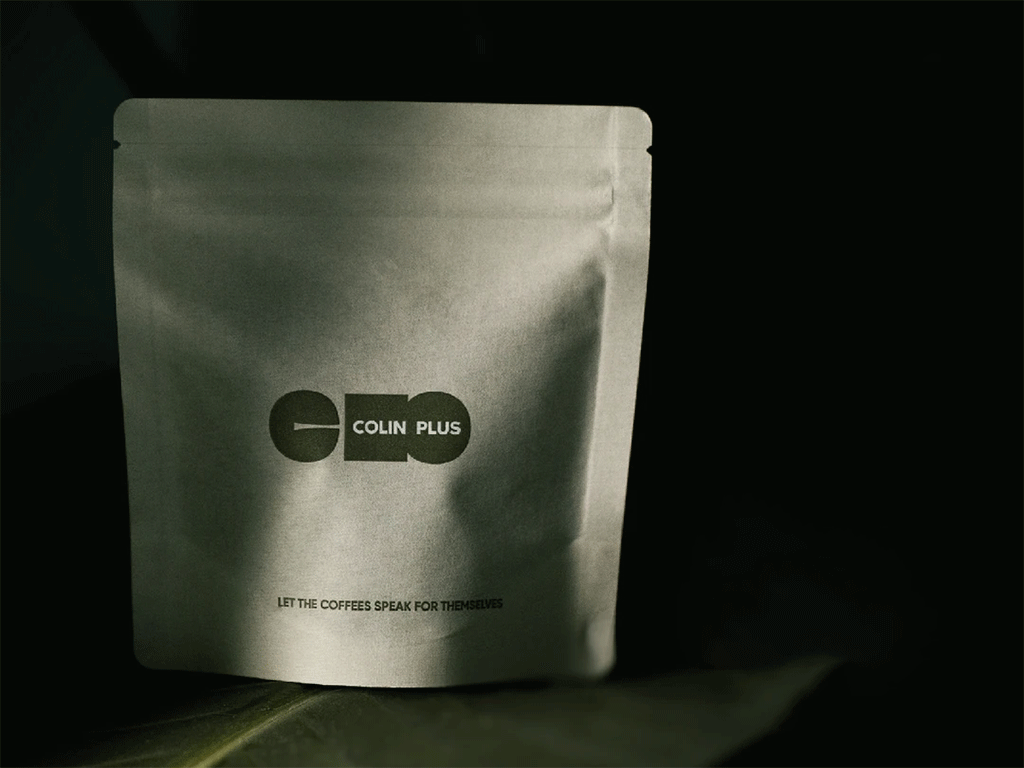
How Coffee Packaging Affects Coffee Flavor
Great coffee can lose its best notes long before brewing if coffee packaging lets in air, light, or moisture. Many brands focus on roast and sourcing, then lose flavor in storage.
Coffee packaging affects flavor by slowing oxidation, limiting moisture uptake, blocking light, and managing post roast degassing. When the material and format match the coffee, aroma lasts longer and the cup stays closer to its intended profile.
To understand how coffee packaging affects coffee flavor, we need to look beyond appearance and focus on how materials, structure, and storage conditions work together.
Why Coffee Packaging Matters for Flavor
Roasted coffee starts changing as soon as it meets oxygen. SCA notes that coffee freshness begins to decline from the moment coffee leaves the roaster, and its literature review points to oxygen as a major driver of staling. In one example highlighted by SCA, lowering oxygen in the package to 0.5% extended shelf life by up to 20 times. That is why coffee packaging plays a direct role in flavor retention, not just product presentation.
Aroma compounds are especially sensitive. A recent review on packaged coffee reported that key aroma compounds in sealed portions dropped much faster when oxygen levels reached 5% or more, while the decrease slowed at about 2% oxygen. The same review explains that strong oxygen barrier performance helps reduce oxidative damage and slows freshness loss. In simple terms, better coffee packaging gives volatile compounds less chance to escape or break down.
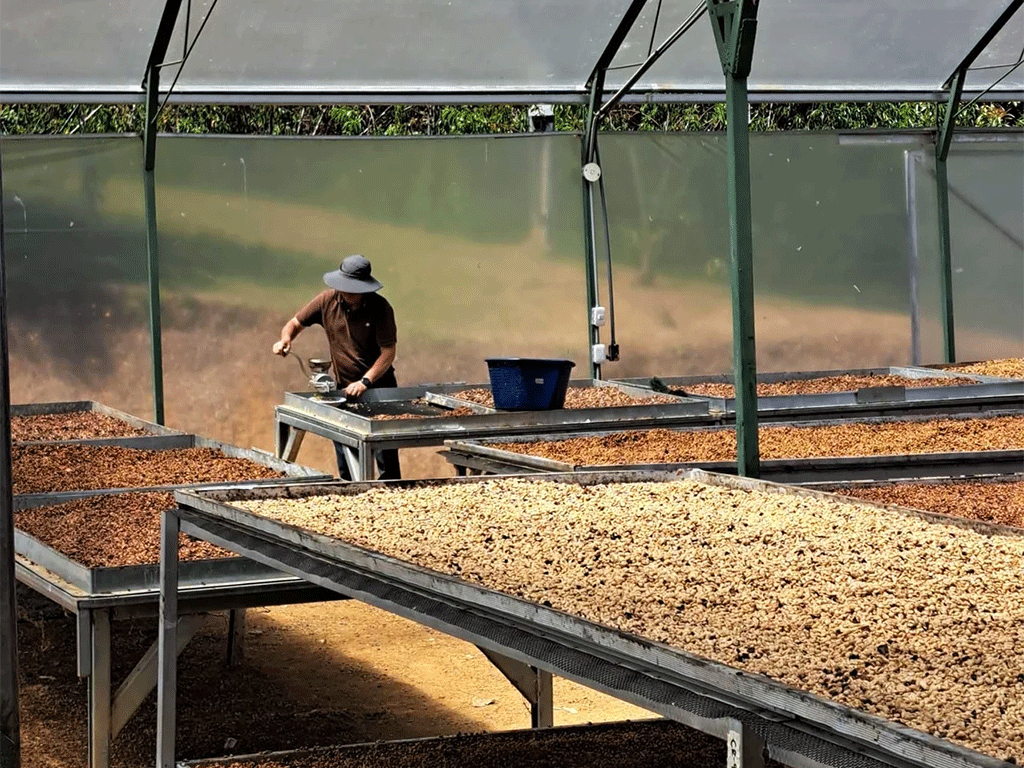
Coffee also releases carbon dioxide after roasting, so the pack has to do two jobs at once. It needs to let gas out at the right rate while still limiting outside air from getting in. SCA’s freshness research points to this balance as a core part of preserving roasted coffee. That is why valve use, seal quality, and barrier performance all shape how the coffee smells and tastes later on.
How Different Coffee Formats Change Packaging Needs
Different coffee products lose flavor at different speeds, so they do not need the same packaging setup. The format changes the risk level, the shelf life target, and the amount of exposure after opening. Good coffee packaging starts with that practical difference, not with one standard bag for every SKU.
Whole Bean and Ground Coffee
Whole bean coffee usually holds its character longer because the bean surface stays more protected until grinding. Ground coffee changes faster because grinding increases exposed surface area and speeds up aroma loss and oxidation. A 2025 shelf life study found that, among the tested options, roasted beans in the evaluated pack lasted up to 32 days, while roasted ground coffee in the best tested trilaminate bag lasted about 12.18 days. That gap shows why coffee packaging needs shift when the product format changes.
Single Serve Formats
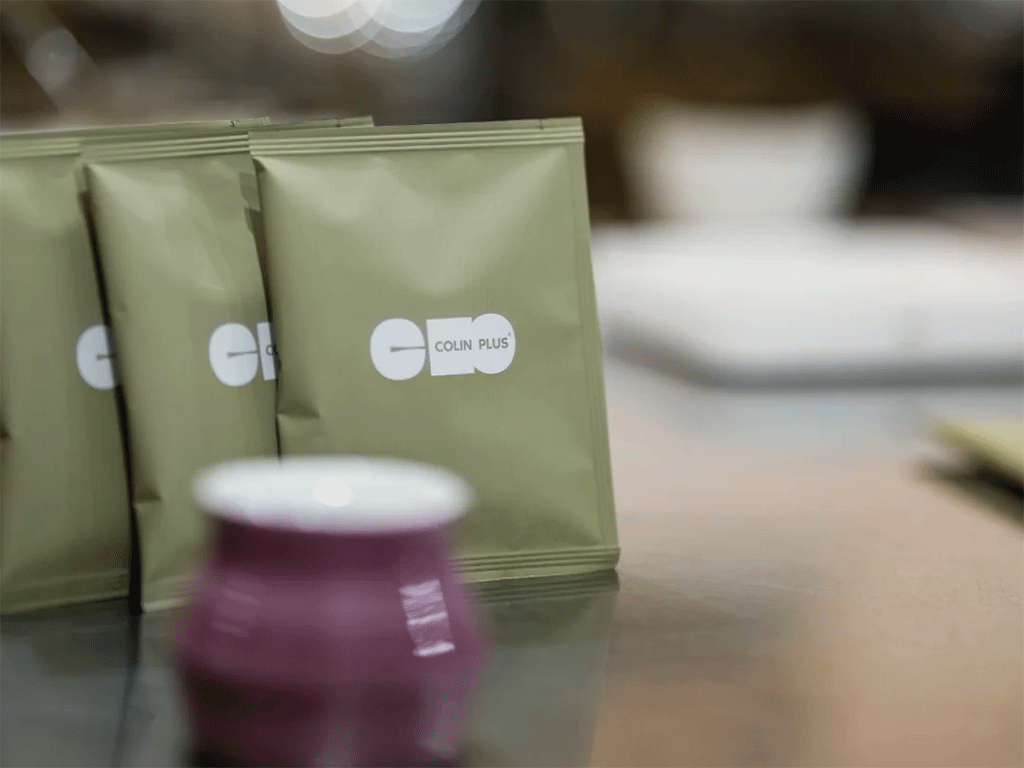
Pods, capsules, and other single serve formats move the job to the portion level. A 2024 review explains that these products depend heavily on packaging material performance because each unit must protect aroma and moisture balance on its own. Once portioned, there is no larger outer bag protecting the coffee after first opening, so barrier quality becomes even more critical.
Use Pattern and Shelf Time
Retail bags, café bags, and e commerce products also behave differently in real life. A bag that sells quickly across a café counter does not face the same stress as a bag shipped across regions and stored for longer periods. Coffee packaging for slow moving items often needs a stronger margin for shelf life, while fast moving products may allow more flexibility as long as sealing and handling stay consistent.
What Coffee Brands Often Overlook When Choosing Packaging Materials
Many brands still judge a pack too much by how it looks on the outside. A paper finish can suggest a natural image, and a matte film can suggest a premium one, but appearance does not tell the full protection story. In coffee packaging, performance depends on the full structure, sealing quality, and how well the pack fits the product’s shelf life and use pattern.
One thing brands often miss is that customer expectations start before brewing. A 2025 study on specialty coffee packaging colour involved 238 consumers. It found that bag colour and saturation shaped expectations of aroma, sweetness, bitterness, body, roast level, and overall liking. That means packaging does not only protect flavor physically. It also shapes how the coffee is judged before the bag is opened.
Another issue is treating material choice as a complete answer on its own. A good structure can still underperform when filling, oxygen control, storage time, or distribution are not managed well. Coffee packaging works as a system, so the material has to match the real product format, sales channel, and expected shelf life.
A 2025 shelf life study on specialty coffee showed clear differences between packaging options instead of one universal winner. For roasted and ground coffee, the best tested option in that study reached about 12.18 days under accelerated conditions, while other tested options were slightly lower at 11.99 and 11.48 days. This is a useful reminder that packaging decisions should be based on the actual coffee product and commercial setting, not only on appearance, claims, or trend value.
Choosing the Right Packaging for Your Coffee
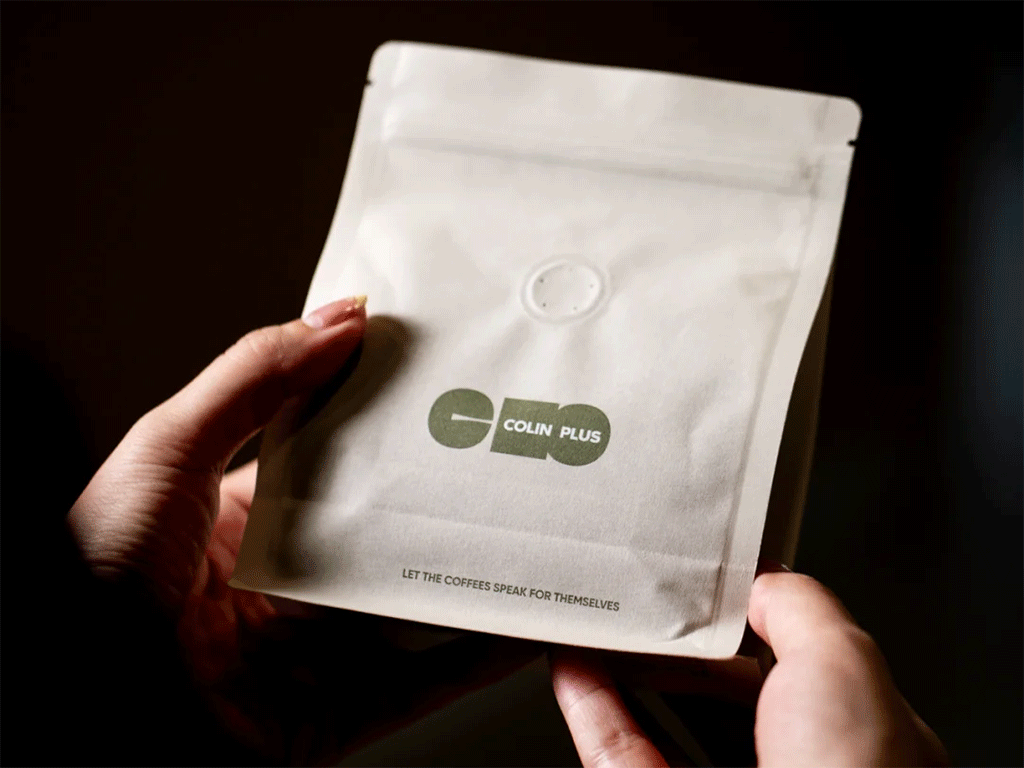
The right choice starts with the product, not a default material. Whole bean, ground coffee, and single-serve formats lose aroma at different speeds and do not share the same shelf life. Coffee packaging should match the product’s real needs, or it may underperform or add unnecessary cost.
A brand should first define how long the coffee needs to maintain its profile. For fast-moving products, packaging needs may differ from retail coffee that stays longer in storage or distribution. Time, oxygen, and temperature all affect how quickly coffee loses quality, so the packaging should align with the intended shelf life.
Packaging should also reflect how the product is used. Ground coffee often needs stronger oxygen control after opening, single-serve formats need protection at the portion level, and whole bean coffee usually depends on barrier performance with controlled degassing. In practice, coffee packaging should consider opening frequency, usage period, and exposure each time.
Brands must also balance protection, cost, and sustainability. High-barrier multilayer coffee packaging structures continue to perform well across many applications, while recyclable materials may be suitable depending on shelf life expectations and logistics. The most effective solution varies by product line and market conditions.
At YamiPak Coffee, we offer fully customisable coffee packaging designed to support freshness, flavor protection, and everyday usability. We provide high-barrier packaging options, including LDPE and kraft paper structures with food-safe inner layers, along with recyclable and compostable formats for different product needs. With low minimum order quantities, full-scale printing, and a range of airtight closure options, we help coffee brands find packaging solutions that fit both their products and their market positioning.
Contact the YamiPak Coffee team to explore our custom coffee packaging options and request a quote.
FAQ
Does packaging affect coffee flavor?
Yes. Oxygen, moisture, and light can all dull aroma and flatten the cup, so the package directly affects freshness and flavor retention.
Why do coffee bags have valves?
They let carbon dioxide escape after roasting while limiting outside air entering the bag. This helps protect freshness and prevents bag swelling.
What is the best packaging for coffee?
There is no single best option for every product. The right pack depends on format, shelf life target, oxygen risk, and how the coffee will be sold.
Share This Story, Choose Your Platform!

Chris Li
Chris Li is the Marketing Director at YamiPak coffee, with over 10 years of experience in packaging and printing. Passionate about sustainable solutions and innovative design, Chris helps brands create impactful packaging that leaves a lasting impression.
 Understanding Colombian Coffee Characteristics