
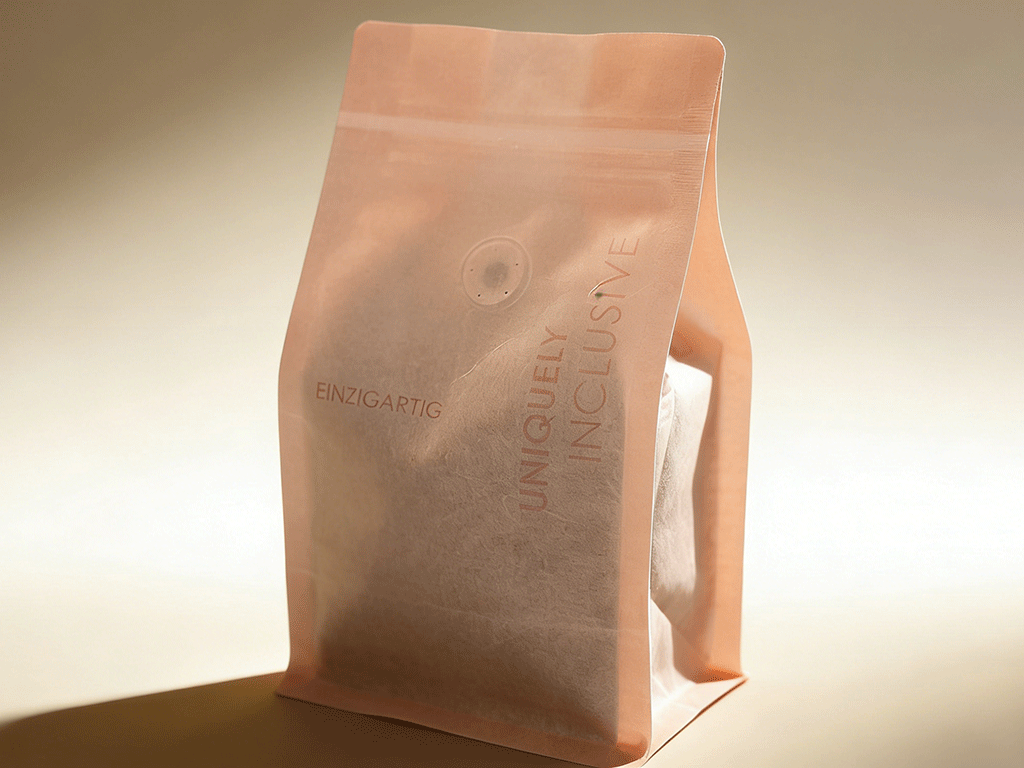
Is Sustainable Packaging Always the Best Choice for Roasters?
Roasters today face many pressures. Customers want eco-friendly options, rules are tightening, and competition is strong. Choosing packaging can feel confusing — is sustainable packaging just more cost, or does it bring real benefits?
The question “Is Sustainable Packaging Always the Best Choice for Roasters?” is not simple. Sustainable packaging can protect coffee freshness, build customer trust, and strengthen brand perception. In this article, we explore the opportunities, challenges, market trends, regulatory pressures, and practical guidance to help roasters choose the right sustainable packaging solutions.
Why Sustainable Packaging Is Becoming Essential
Sustainable packaging is no longer a trend. Across coffee, food, and consumer goods, it has become a basic expectation. For roasters, adopting eco-friendly packaging is about more than being “green.” It’s about meeting customer expectations, aligning with emerging rules, and staying competitive in markets where sustainability influences buying decisions.
Market Trends
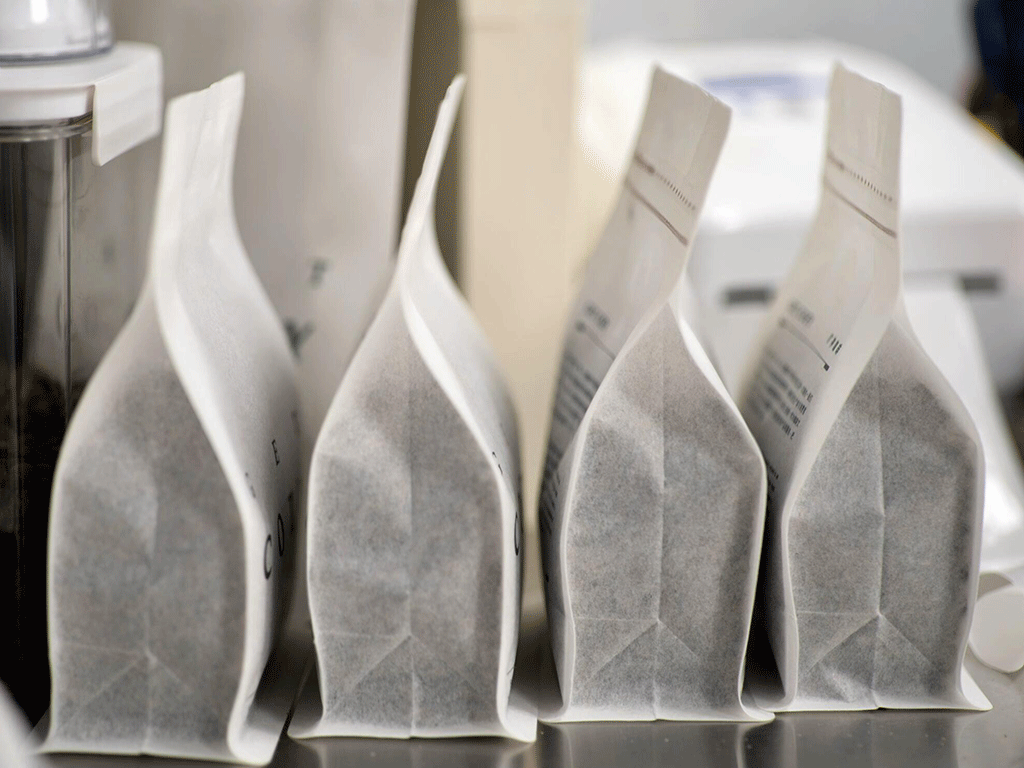
The sustainable packaging market is growing fast worldwide. Analysts forecast steady expansion over the next decade, driven by materials like recycled films, compostable films, and low-impact plastics. For example, the global market is expected to increase significantly between 2026 and 2035, reflecting strong demand from businesses and consumers alike.
In Europe, growth is especially strong. Forecasts suggest sustainable packaging could double or more by the mid-2030s, with recycled-content and biodegradable options driving the trend. Coffee roasters that adopt sustainable packaging now may gain a competitive advantage over those that delay.
Consumers are also paying attention. Many say packaging sustainability influences their buying decisions, and a notable portion is willing to pay extra for eco-friendly options. Younger buyers, such as millennials and Gen Z, show the strongest preference for recyclable or low-impact materials. Packaging thus becomes a visible expression of brand values, helping roasters connect with environmentally aware customers.
Regulatory Pressure
Regulations are making sustainable packaging increasingly necessary. In the European Union, the Packaging and Packaging Waste Regulation (PPWR) took effect in 2025 and fully applies from 2026. It requires all packaging sold in the EU to be recyclable and to reduce harmful substances. Packaging will also need to meet minimum recycled content and reuse targets through 2030 and beyond.
In the United States, several states have restricted harmful substances such as PFAS in food contact materials and set requirements for recycled content. These rules affect roasters selling across state lines, making sustainable packaging a compliance factor, not just a marketing choice.
Internationally, guidelines from organizations such as the OECD and UN encourage companies to adopt responsible material choices and extended producer responsibility (EPR) systems. Large supply chains increasingly expect suppliers to meet these standards, and non-compliance can limit market access.
Early adoption allows roasters to prepare for these changes, test materials, and align packaging strategy with long-term business goals rather than reacting to last-minute regulatory pressures.
Brand Responsibility
Consumers now view sustainable packaging as part of brand identity. Many consider eco-friendly packaging an important factor when choosing products, and younger generations place even more weight on it.
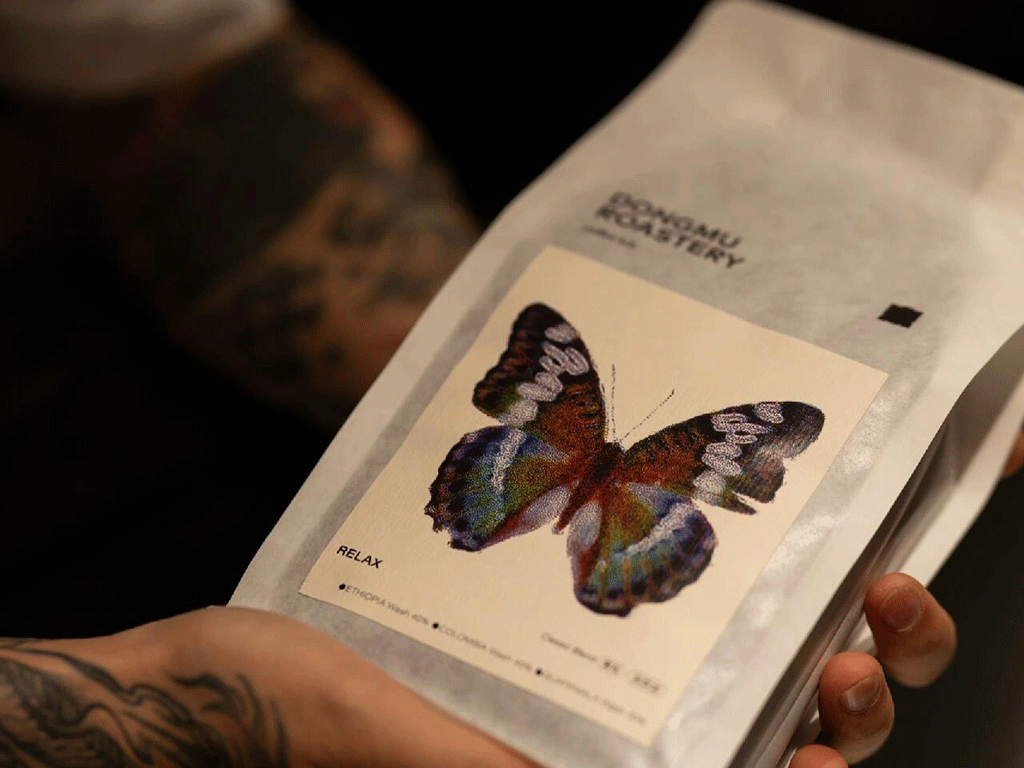
For roasters, packaging can communicate brand values. Recyclable or compostable bags, minimalist designs, and clear labeling help tell a story about quality, care, and environmental commitment. Social media amplification also plays a role, as images of eco-friendly packaging often get shared and discussed by eco-conscious communities.
It therefore serves two purposes: protecting coffee and expressing a brand’s values. When done thoughtfully, it builds trust and strengthens customer loyalty.
Opportunities and Challenges of Sustainable Packaging
Sustainable packaging offers clear opportunities for roasters but comes with real-world challenges.
On the opportunity side, eco-friendly packaging helps brands stand out. Many consumers associate recyclable and low-waste packaging with quality and care, which can strengthen loyalty. Social media exposure further amplifies this, as visually appealing, responsible packaging tends to attract shares and organic attention.
Market growth also supports adoption. Analysts expect steady global expansion over the next decade, with increasing options for recycled or compostable materials. As the market matures, costs per unit may decrease, making sustainable packaging more accessible to roasters of all sizes.
However, challenges remain. Sustainable materials often cost more than standard plastics or foils. For smaller roasters, this can tighten margins unless premium pricing strategies are applied.
Performance is another consideration. Some compostable or recyclable materials require specialized disposal systems and may not be widely supported in all regions. Barrier performance can vary, affecting freshness or shelf life.
Finally, clarity in labeling is essential. Without clear guidance, customers may misunderstand terms like “biodegradable” or “compostable,” leading to confusion or accusations of greenwashing. Transparent communication builds trust and avoids negative perceptions.
How Roasters Can Approach Sustainable Packaging
A strategic approach begins with brand values. Sustainable packaging is part of how a roaster expresses its identity and tells its story. It shows environmental care while reinforcing quality and craftsmanship.
Thinking strategically is also critical. Materials and formats should align with customer expectations, price points, and shelf life requirements. Some segments value eco-friendly choices and may pay more, while others prioritize affordability. Balancing environmental goals, brand positioning, and customer experience is essential.
Start small to test the market. Introducing sustainable packaging on select product lines allows roasters to gather feedback and evaluate performance. Consider combining sustainable materials with simple textures, minimalistic graphics, and clear labeling to enhance perceived quality.
Sustainable packaging should integrate seamlessly into the coffee experience. It can protect freshness, reinforce brand identity, and create a meaningful connection with customers without compromising product quality or sensory appeal.
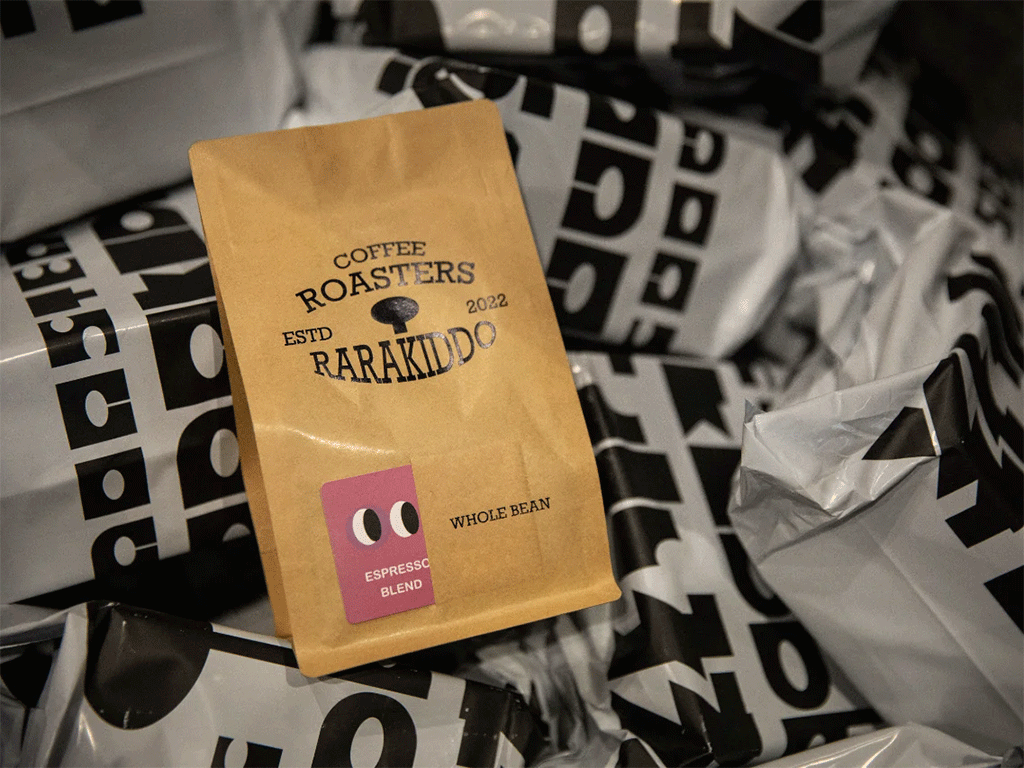
YamiPak Coffee recognises the value of sustainable coffee packaging that is practical and cost-effective. We provide a range of 100% recyclable options made from renewable materials, including kraft paper, rice paper, and multilayer LDPE with an eco-friendly PLA lining. Our diverse coffee bag structures ensure a perfect fit for your coffee mailer boxes, supporting both presentation and freshness.
All packaging can be fully customised to meet your specifications, with options such as debossing, embossing, holographic effects, UV spot finishes, and digital printing. This flexibility allows micro-roasters to order low minimum quantities while creating packaging that reflects their brand identity and stands out on shelves.
FAQ
Why do some roasters avoid sustainable packaging even though it’s popular?
Sustainable options can be costlier and sometimes have performance limits, like shorter shelf life or limited composting facilities, making them harder for small roasters to adopt.
How does consumer preference impact packaging decisions?
Consumers value recyclability and eco-friendly packaging, particularly younger buyers. Roasters must balance these preferences with product quality and price.
Are regulations pushing roasters toward sustainable packaging?
Yes. Rules such as the EU Packaging and Packaging Waste Regulation require recyclability and recycled content, making sustainable packaging necessary for compliance in regulated markets.
Share This Story, Choose Your Platform!

Chris Li
Chris Li is the Marketing Director at YamiPak coffee, with over 10 years of experience in packaging and printing. Passionate about sustainable solutions and innovative design, Chris helps brands create impactful packaging that leaves a lasting impression.
 Why Do Roast Curves Matter?