
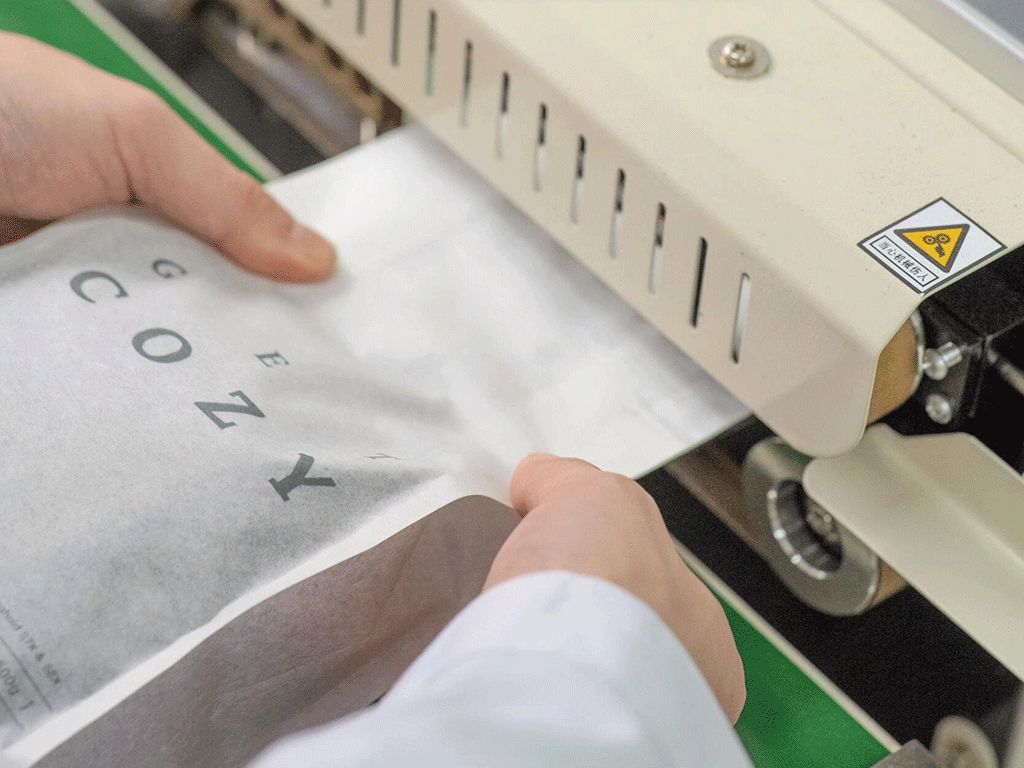
Recyclable Rice Paper Coffee Bags for Sustainable Coffee Brands
Plastic coffee packaging protects freshness well, but it creates a growing problem for specialty brands. Customers now notice the bag before they taste the coffee, and difficult-to-recycle materials can weaken a carefully built sustainability story. Many roasters find themselves in an awkward position: ethically sourced beans inside, yet packaging that sends the wrong message.
Recyclable rice paper coffee bags provide a practical solution. Made from plant-based fibers and engineered with barrier layers, they reduce dependence on conventional plastics while preserving freshness and degassing performance. For coffee companies, this format supports shipping reliability, retail presentation, and environmental communication at the same time.
Recyclable Rice Paper Coffee Bags for Sustainable Coffee Brands
The coffee industry has changed rapidly over the last decade. Consumers now associate specialty coffee with ethical sourcing, traceability, and environmental awareness. At the same time, packaging waste has become a visible issue. Flexible plastic pouches are widely used because they protect beans effectively, yet they are rarely recycled in municipal systems. As sustainability expectations grow, packaging decisions increasingly influence brand perception.
Market indicators reinforce this shift with clear numbers. Recent industry analyses project the global paper and paperboard packaging market to expand steadily and approach nearly US$479 billion by 2028. Separate long-term studies on fiber-based packaging formats show a similar trajectory, estimating the sector will continue rising and reach roughly US$450 billion around 2030. Based on these research forecasts, paper-forward packaging is no longer a niche alternative. For coffee companies, it represents a broader materials transition already taking place across the food and beverage packaging industry.
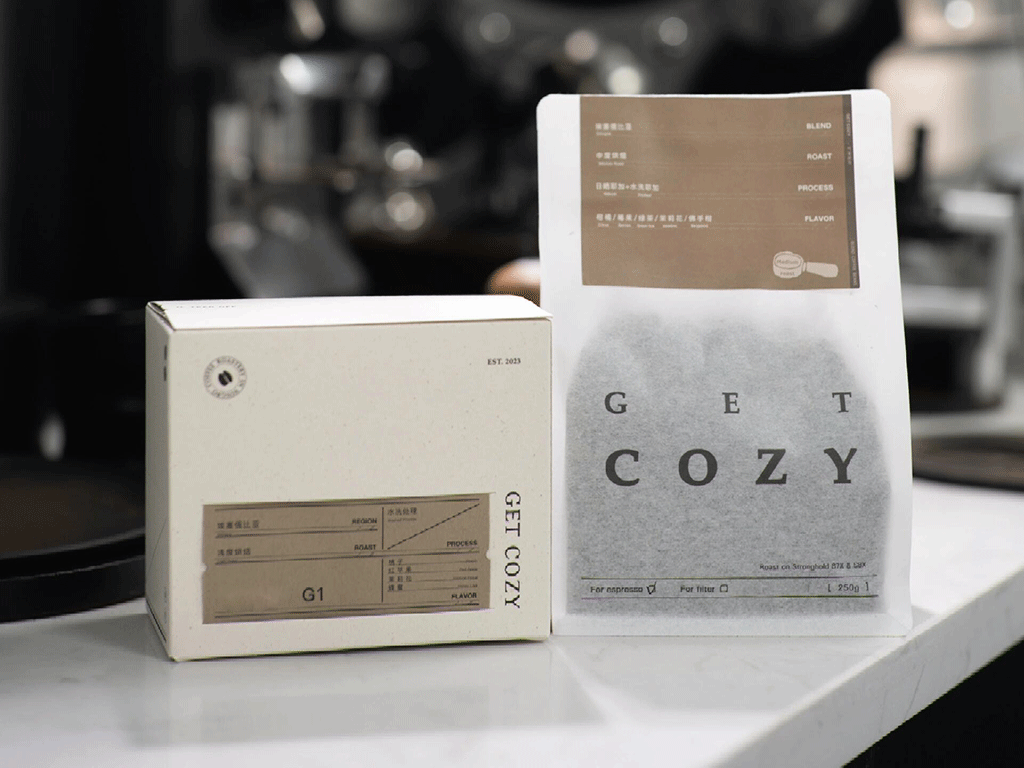
Meanwhile, flexible plastic is still a pain point for recycling. In the U.S., curbside access for film and flexible packaging is extremely limited—one industry analysis notes only ~1% of households can recycle it at home today. When recycling isn’t convenient, it rarely happens, which is exactly why paper-based coffee packaging is getting more attention. If your brand is built on sustainability, packaging is no longer just a “bag”—it’s a signal customers read instantly.
The Benefits of Recyclable Rice Paper Coffee Bags
Coffee packaging is expected to protect freshness, communicate brand values, and remain practical for daily operations. For many roasters, sustainability only works if it also supports workflow and customer experience. Recyclable rice paper coffee bags are increasingly adopted because they solve multiple operational problems at the same time rather than acting as a purely marketing-driven material choice.
Practical Advantages for Coffee Roasters and Consumers
First, sustainability communication becomes clearer. A natural fiber texture instantly signals environmental intent to customers. Compared with glossy plastic pouches, a fiber-based surface feels closer to food packaging rather than industrial packaging. That visual difference helps consumers trust a brand’s ethical positioning before they even brew the coffee.
Second, logistics advantages matter more than many roasters expect. Rice paper structures are lightweight, so shipping weights stay low. Lower transport weight means reduced freight costs and lower emissions per order. For subscription coffee businesses, this improvement is noticeable across thousands of shipments each year. In addition, properly constructed paper-based coffee pouches can still include zip closures and one-way degassing valves.
Third, disposal becomes easier for end users. Many customers want to recycle packaging but are unsure how. A recyclable paper-based coffee bag is easier to understand than multilayer plastics. When instructions are printed clearly, customers can sort packaging confidently. This strengthens brand credibility and increases repeat purchases because sustainability claims feel real rather than marketing language.
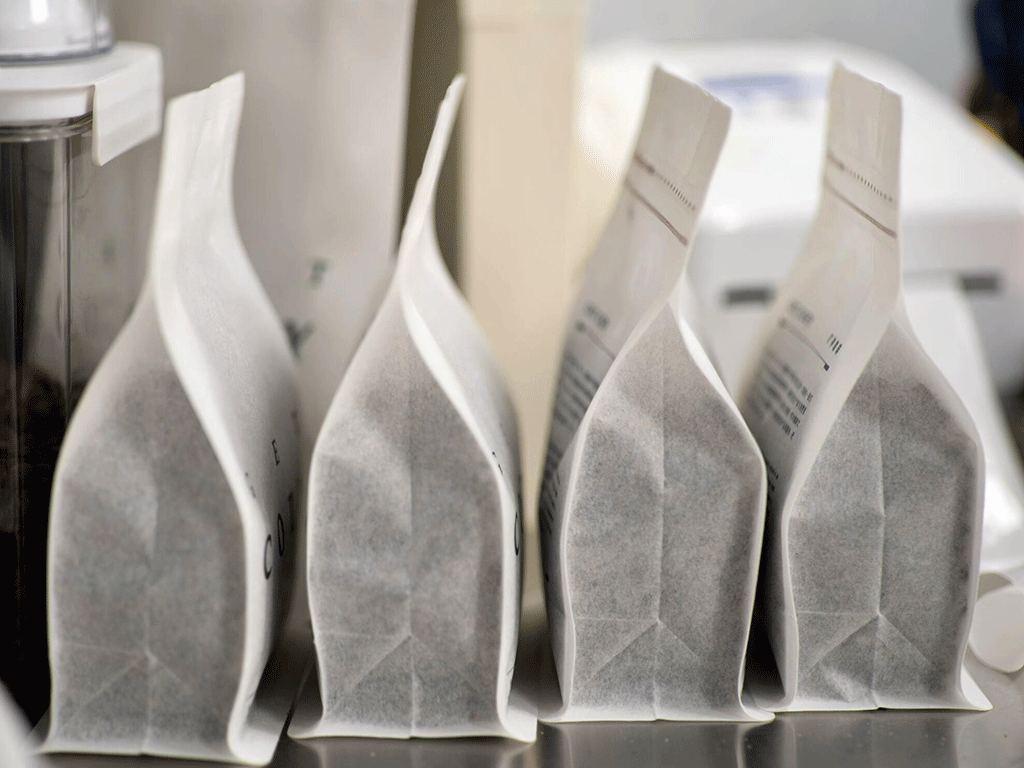
Why Modern Coffee Brands Choose Rice Paper Packaging
Modern coffee brands compete in crowded retail spaces and online marketplaces. Packaging now works as both protection and communication. A natural-looking coffee bag connects visually with origin stories, farm relationships, and artisanal roasting. It reinforces the idea that coffee is an agricultural product rather than a factory commodity.
Beyond appearance, sustainability goals influence wholesale buyers too. Cafés, grocery chains, and hospitality groups increasingly set environmental standards for suppliers. A recyclable coffee bag helps roasters meet vendor requirements and simplifies procurement approvals. As a result, switching packaging can support both branding and distribution expansion.
At YamiPak Coffee, We design and manufacture custom coffee packaging solutions for coffee roasters and roasting businesses. Our engineering focuses on seal strength, degassing valve integration, and barrier performance. We help brands adopt recyclable rice paper coffee bags without changing filling equipment or workflow. That keeps production efficient while improving packaging sustainability.
We also support branding execution. YamiPak Coffee provides digital printing, small order quantities, and design consultation so specialty roasters can launch new packaging quickly. Instead of treating packaging as a generic supply item, we treat it as part of the product experience—helping coffee companies present freshness, professionalism, and environmental responsibility in a single package.
Share This Story, Choose Your Platform!

Chris Li
Chris Li is the Marketing Director at YamiPak coffee, with over 10 years of experience in packaging and printing. Passionate about sustainable solutions and innovative design, Chris helps brands create impactful packaging that leaves a lasting impression.
 What Roasters Should Know About Compostable Coffee Packaging