Single serve coffee packaging helps roasters cut waste and costs
Struggling to balance speed, taste, and eco goals? Luckily, single-serve coffee packaging can provide a solution that addresses all three when designed thoughtfully.
With right-sized formats, oxygen barriers, and clear disposal paths, this packaging keeps quality high while minimizing waste. It also integrates seamlessly into busy routines, supports consistent dosing, and protects flavor without the need for heavy equipment or lengthy prep times. For those involved in coffee production or packaging, this is the right place to be. Let’s simplify the process and transform it into a profitable system.
The new demand curve: why single serve coffee packaging keeps growing
People are increasingly busy and want better coffee with less effort, yet they still face tight budgets and limited time. Despite this, the demand for quality remains strong. By offering quick preparation, consistent portions, and reliable freshness, single-serve coffee packaging boosts customer satisfaction and encourages repeat orders.
Changes in Single Serve Coffee Packaging
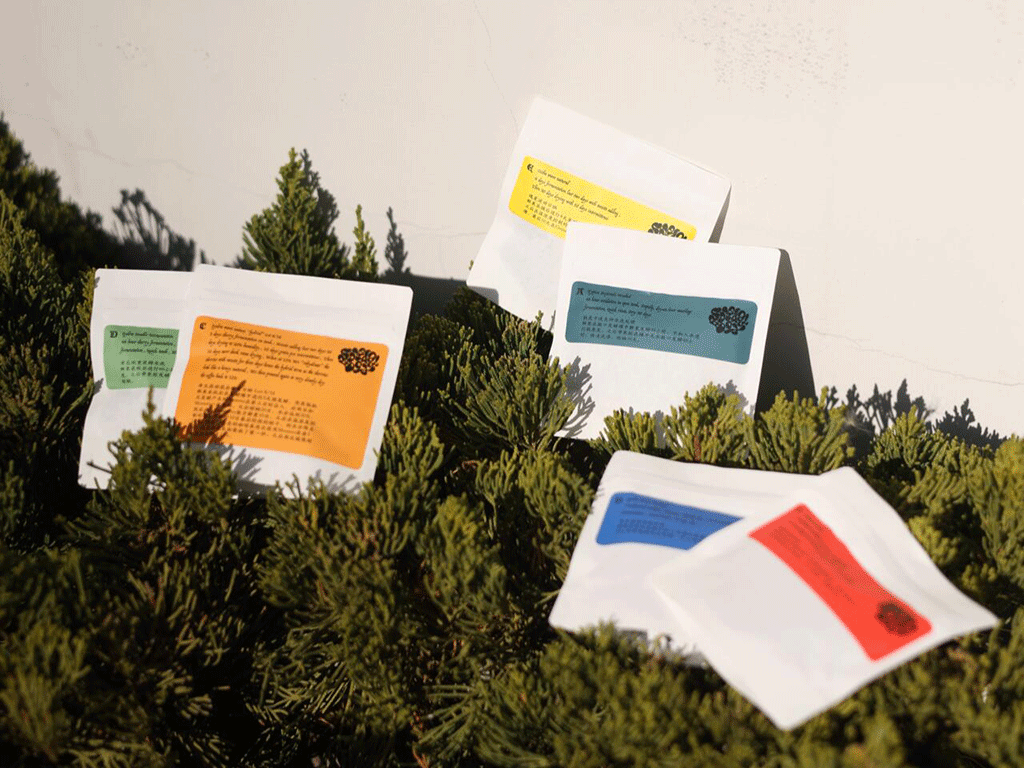
The market has evolved beyond mere convenience. Today, consumers expect great flavor, clean labels, and a lighter environmental footprint. As a result, single-serve coffee packaging now includes drip bags, steeped bags, pods, pouches, and mini boxes. Each format is designed to fit specific moments: home, office, travel, hotel, or retail trial packs.
Why this matters for roasters
Better portion control translates into fewer complaints about weak or bitter coffee. Smaller packs help preserve aroma longer than large multi-use bags, especially once opened. In addition, clear instructions on packaging improve brewing results and customer satisfaction.
How to Start with Single Serve Coffee Packaging
Pick two formats: one for hot brew (drip or steeped) and one for cold (ready-to-drink pouch or concentrate). Keep the SKUs lean. Nail freshness. Keep directions simple. Then scale.
Compostable and recyclable paths for single serve coffee packaging
Consumers are increasingly concerned about disposal, and they want real impact, not vague claims. To meet these expectations, choose materials that match local recycling or composting streams. For example, compostable filters or liners for bags and recyclable films for overwraps are excellent choices. Make sure to clearly state the disposal method on the packaging and verify it with your suppliers.
Practical choices
Compostable inner filters for steeped or drip bags can significantly reduce landfill waste. Recyclable overwraps protect the aroma and offer a clean, professional print. Paper-based or PLA liners may also be effective when they meet the necessary barrier and sealing specifications.
Cost control tips
- Cut dead space in sachets. Right-size cartons. Ship flat where possible.
- Print only what helps use and disposal. Fewer inks, fewer passes, lower cost.
- Batch audits: pull random lots, check seal strength, OTR, WVTR, and shelf tests.
What to tell buyers
Be transparent about the disposal process. If home composting is possible, let consumers know. If industrial composting is required, clearly indicate that. For recycling, provide links via QR codes to local recycling programs when applicable.
Barrier choices: aluminum, paper, and films in single serve coffee packaging
Taste rises or falls with oxygen, moisture, and light. As a result, good barriers win repeat buyers. To match barrier to brew style, aluminum gives top protection in some formats; multilayer films and coated papers can balance protection, cost, and disposal for others. Ultimately, keep the barrier minimal but sufficient.
How to validate
- Run accelerated aging and real-time shelf tests.
- Track cupping scores over time per format.
- Keep grind profiles tied to brew method to reduce fines and staling risk.
Single serve coffee packaging for cold brew pouches
Cold brew requires portability and a clean pour, which makes spouted pouches ideal. Moreover, single serve packaging for cold brew works best in flexible pouches that ship flat, seal strong, and reopen with a cap. This leads to reduced breakage, saved freight, and suitability for outdoor or travel use.
Why pouches win
- Space:ten pouches can equal one rigid bottle’s footprint.
- Weight:lower mass cuts freight and emissions.
- Use:reseal and store; fewer spills; no glass breakage.
Material notes
Layered structures (e.g., LDPE with bio-liners) can protect flavor while staying light. For instance, add a simple, short ingredient panel. Also, mark dilution if it is a concentrate. Finally, keep the cap tethered to reduce litter.
Build a kit
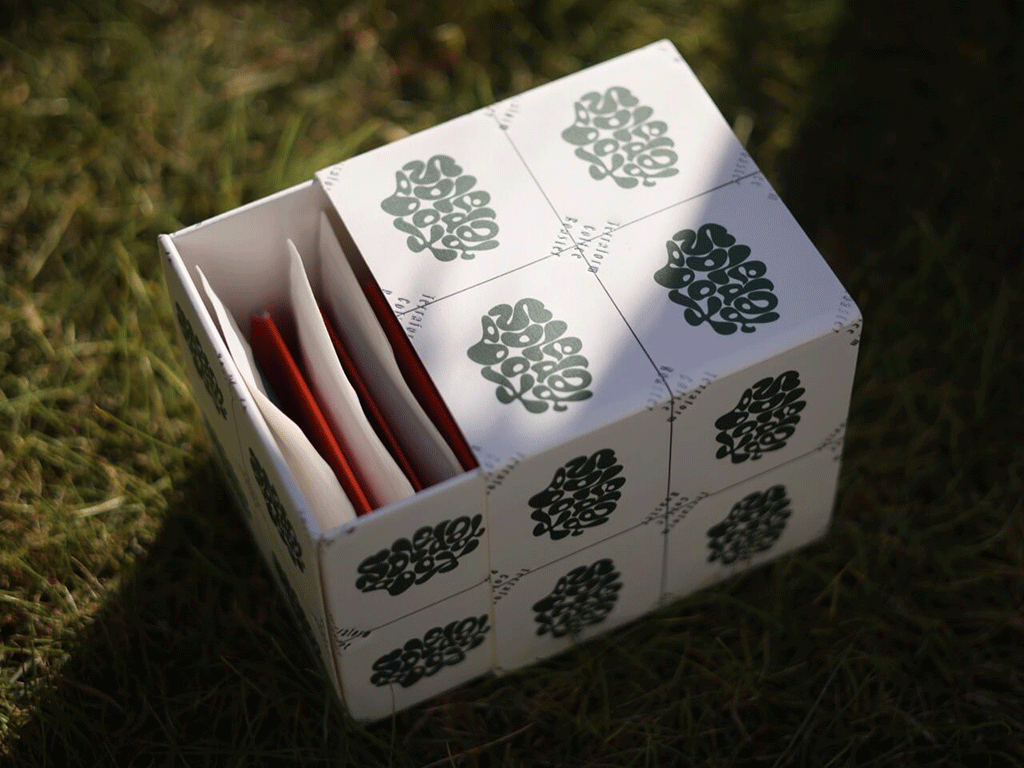
Bundle a two-pack for first-time buyers. Add clear brew-ratio art on pack. Use a QR for quick tips. This drives trust and reduces support requests.
What single-serve coffee bags are (steeped and drip) and when to use each
Both bag styles use small filters with a pre-dosed grind. They just brew differently.
Steeped bags sit in water like tea for a fuller body. Drip bags hook on a cup and accept a pour, giving a cleaner, more structured cup. Therefore, both fit single serve packaging goals.
Brew Bags for Single Serve
Steeped bags are ideal for travel, office, hotels, and gifts. They use a slightly coarser grind than drip bags to control fines in immersion. Steep for 3–5 minutes, swirl, then remove and enjoy.
Drip bags
- Use case:fans of pour-over clarity without brewers.
- Grind:medium; tune flow to avoid channeling.
- Instruction:open, hook, pre-wet, pour in pulses.
Packaging points
Nitrogen-flush outer wraps protect aroma. Print brew steps as icons. Add roast level and simple tasting notes. Keep the sachet easy to open without tools.
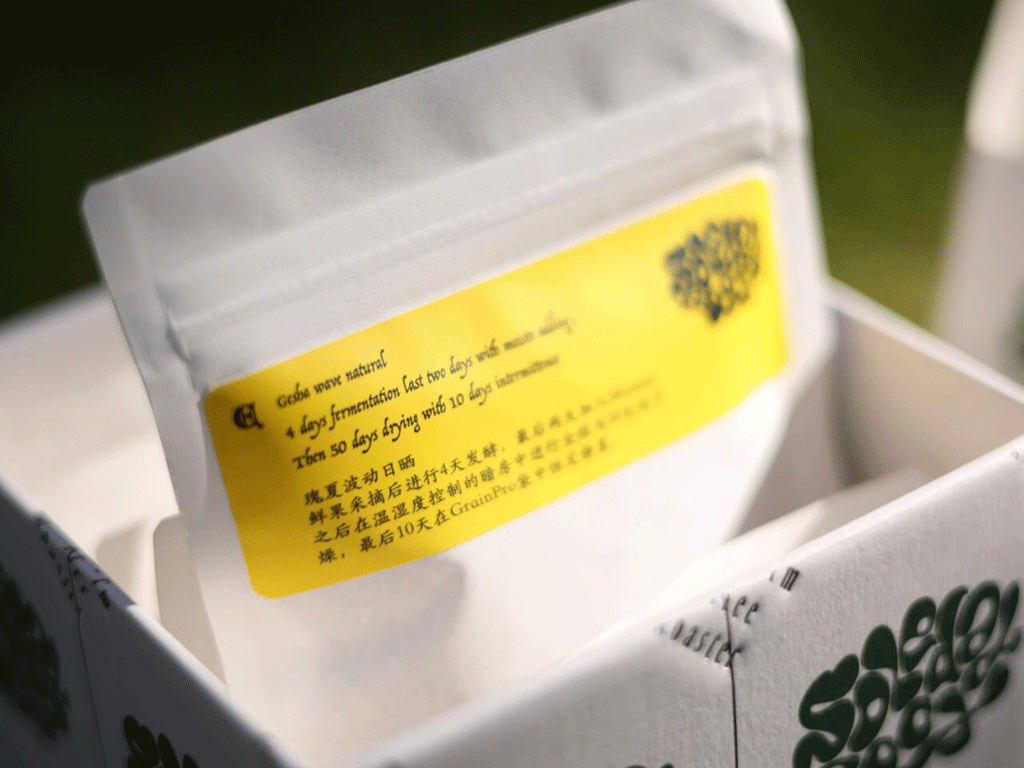
Operations playbook: specs, QA, and line design for single serve coffee packaging
Consistency beats luck. Lock your specs and measure often. First, write tight specs for grind, dose, headspace, seal strength, OTR/WVTR, and code dating. Then, train operators to pull retains, check seals, and verify weights every set interval.
Grind and dose
Grind drift can ruin cups, so scales should be calibrated per shift and dose ranges maintained narrowly (e.g., 10.0 g ± 0.2 g). Therefore, it is crucial to monitor grind consistency closely.
Seals and Films for Single Serve Coffee Packaging
- Heat, time, pressure—adjust one at a time.
- Test peel and burst. Reject weak seams immediately.
- Track scrap; fix root causes fast.
Labels and claims
- Use plain English. State brew steps, net weight, and disposal route.
- Avoid vague “eco” claims. Say exactly “home compostable filter” or “store drop-off film,” if true.
- Add a QR to a 30-second brew video and disposal map.
Why Choose YamiPak for Your Coffee Packaging Needs
At YamiPak Coffee, we specialize in creating custom packaging solutions that balance quality, sustainability, and cost-efficiency. Whether you need single-serve coffee bags, eco-friendly packaging, or sustainable alternatives, we offer tailored solutions to meet your needs. Our range includes stick sachets, coffee capsule packaging, drip coffee bags, bespoke boxes, flexible pouches, and 25g coffee bags.
We create packaging that protects your products and showcases your brand’s commitment to sustainability. Our solutions reduce waste, support your environmental goals, and elevate your brand.
Think Coffee Bag, Think YamiPak. Ready to elevate your packaging? Contact us today and let’s design packaging that works for your business and the environment.
FAQ
What are drip coffee bags, and how do they work?
Drip coffee bags hang on the rim of a cup and hold a pre-dosed grind. You pour hot water in pulses. The method fits single serve packaging for clean, repeatable cups.
Are single-serve coffee bags different from “coffee bags you steep” like tea?
Yes. Steeped bags brew by immersion and give fuller body. Drip bags brew by percolation and taste cleaner. In particular, both live inside single serve coffee packaging and only need hot water.
How long should I steep a single-serve coffee bag?
Most people steep three to five minutes, then adjust to taste. Shorter time tastes lighter; longer time tastes stronger. Clear on-pack directions strengthen single serve coffee packaging results.
Can I reuse a single-serve coffee bag?
No, it is designed for one brew. Otherwise, reusing reduces extraction and flavor. Single serve coffee packaging aims for consistent dosing, so one-and-done keeps quality even and predictable.
Are coffee capsules widely recyclable?
Recycling depends on local programs and material type. Some areas accept certain formats; others do not. Single serve packaging should state the exact disposal route to reduce confusion.
Are there compostable alternatives to conventional pods?
Yes. Some capsules and filter materials meet compostability standards. Always check whether they require home or industrial composting. Clear labeling in single serve coffee packaging helps buyers sort correctly.
Do drip coffee bags taste as good as pour-over?
They can come close when grind and flow are tuned. Expect clarity and balanced extraction. Single serve coffee packaging supports this by protecting aroma and giving simple, step-by-step use.
What materials are common in single-serve bag packaging?
Filters often use paper or plant-based webs. Outer wraps use barrier films or coated papers to block oxygen and moisture. Smart single serve packaging balances protection, weight, and disposal paths.
Share This Story, Choose Your Platform!

Chris Li
Chris Li is the Marketing Director at YamiPak coffee, with over 10 years of experience in packaging and printing. Passionate about sustainable solutions and innovative design, Chris helps brands create impactful packaging that leaves a lasting impression.