Why brown kraft paper coffee bags work so well for specialty coffee
Many roasters want packaging that protects coffee, looks good on the shelf, and still feels honest and low-waste. Brown kraft paper gives coffee brands a simple way to balance freshness, cost, and sustainability. It comes from wood pulp, keeps a natural look, and works well with inner linings that protect beans from oxygen, oil, and moisture while still supporting eco-friendly goals.
When you understand how brown kraft paper behaves in real coffee shops and roasteries, it becomes easier to choose the right bag structure, lining, and design details for your own coffee packaging.
What does brown kraft paper really mean for coffee bags?
Unbleached kraft paper is more than “brown paper”. For coffee, it is a strong paper that creates the outer shell of many modern coffee bags. Unbleached kraft paper comes from wood pulp processed with the kraft method, which keeps long fibres intact so the paper stays strong, tear-resistant, and flexible in daily use. Because the fibres remain unbleached, the paper keeps its warm brown colour, which many coffee brands link with natural farming and low-impact packaging.
On its own, this type of kraft paper does not give enough barrier protection for roasted coffee, but it works very well when you add the right inner lining and closure system. Coffee brands can then combine the natural look of the paper with technical layers that control oxygen, moisture, and light.
How brown kraft paper is made
Manufacturers cook wood chips with a special liquor to break down lignin and free the cellulose fibres. They then wash and press the pulp into long sheets and dry it. Because they skip bleaching, the sheets stay brown and the process uses fewer chemicals than many white paper grades.
This production method gives brown kraft paper high tear strength and good stiffness. For coffee packaging, that means bags travel well through shipping, stacking, and daily handling in cafés.
Why roasters like the natural look
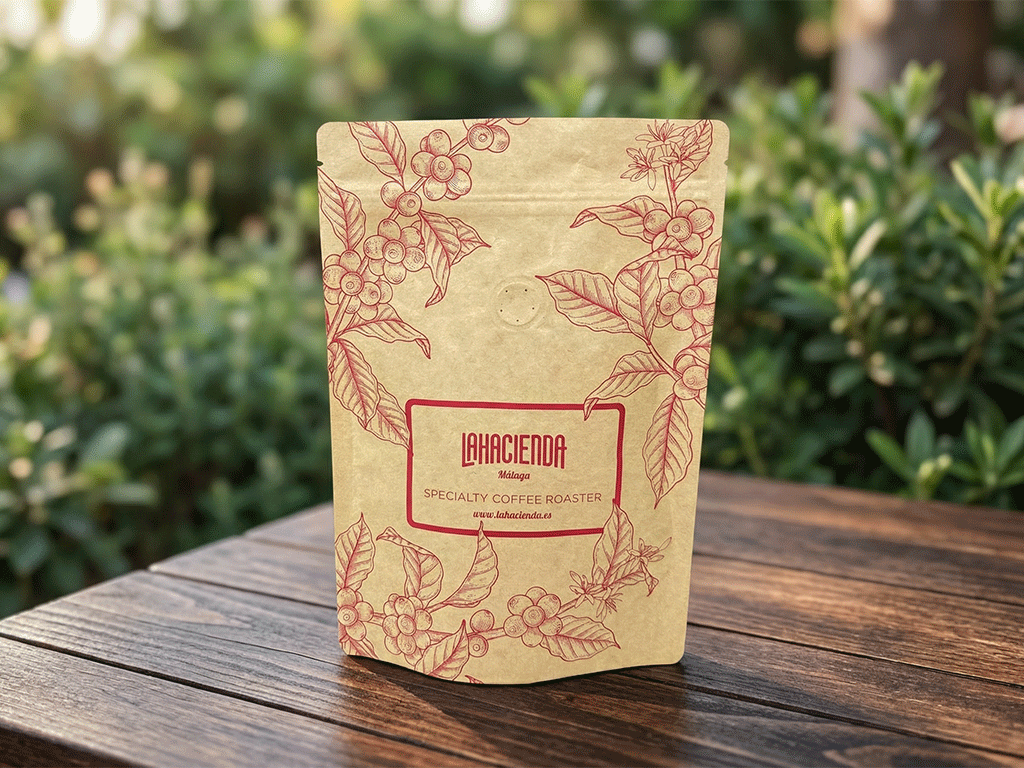
For many drinkers, brown kraft paper looks “real” and close to the farm. The colour fits well with origin stories, organic farming, and direct-trade messaging. A simple natural kraft paper bag with clean graphics can support a premium feel without using metallic films or glossy plastic.
At the same time, this material stays flexible for many formats: stand-up pouches, flat-bottom bags, side-gusset bags, and tin-tie bags for small retail sizes. Roasters can choose the shape and closure style that matches their bar flow and shelf layout while keeping the same kraft paper outer layer.
Comparing natural and white papers for coffee packaging
When you choose kraft coffee bags, you usually decide between natural brown and white kraft paper. Both start from similar pulp, but bleaching changes how they look and how people read your brand.
Natural brown kraft paper
-
Rustic, earthy appearance
-
Signals sustainability at first glance
-
Works well with simple graphics and minimal printing
White kraft paper
-
Clean, modern look
-
Supports bright colours and detailed artwork
-
Requires clearer sustainability messaging on pack
Both options still need proper linings and valves to keep coffee fresh. The right choice depends on how you want customers to perceive your brand at first glance.
How brown kraft paper coffee bags protect freshness and support sustainability
Roasted coffee is sensitive to air, light, moisture, and heat. Brown kraft paper helps with strength and handling, but the barrier work mainly comes from the inner structure of the bag.
Most kraft coffee bags use layers behind the paper, such as PLA or other bioplastics, to block oxygen and moisture. This creates a “paper-outside, barrier-inside” system that protects beans while still letting you talk honestly about sustainability.
The challenge is to choose a structure that protects coffee enough for your shelf life while staying simple to recycle or compost. This paper can support both goals if you plan the lining, valve, and zipper carefully.
Barrier layers behind brown kraft paper
A basic brown kraft paper coffee bag might include:
- Outer layer: brown kraft paper for strength and print
- Middle layer: thin film for barrier (often PE, PLA, or similar)
- Inner layer: food-safe contact layer plus valve and zipper area
For short shelf life products or fast-moving espresso blends, some brands pick low-barrier kraft paper bags without aluminium. For longer shelf life or export, they may add higher barrier films while still keeping a brown kraft exterior on the outside.
When you use compostable or bio-based films, you can guide customers to separate the tin tie or valve, then compost or recycle the rest according to local rules. Clear icons and one short line of text near the bottom of the bag can make a big difference to real-world behaviour.
Sustainability beyond the material
Brown kraft paper already has strong sustainability signals: it comes from wood pulp, can be recycled several times, and can break down under the right composting conditions. But those benefits only matter if:
- The fibre source follows responsible forestry standards
- Inks stay low-VOC and preferably water- or plant-based
- Adhesives, labels, and stickers do not block recycling or composting
For coffee brands, natural kraft paper coffee bags also create a teaching moment. You can show customers how to flatten the bag, remove any non-paper parts, and place it in recycling or compost bins. Short, simple instructions on the back panel can turn “maybe recyclable” into real circular use.
Using brown kraft paper coffee bags to tell your brand story
Natural kraft paper is a storytelling tool as much as it is a packaging material. The neutral, earthy surface works like a quiet backdrop for your origin notes, roasting style, and values.
Instead of shouting with loud graphics, this kind of paper lets small details stand out: a simple logo, a clear label, and a short line about how to brew that coffee at home. This fits especially well with specialty coffee drinkers who care about traceability and transparency.
When you design with natural kraft paper, you do not need to hide the material. You can let the texture show and build your layout around it, using simple type and strong hierarchy so key information stays easy to find.
Design ideas for brown kraft paper coffee packaging
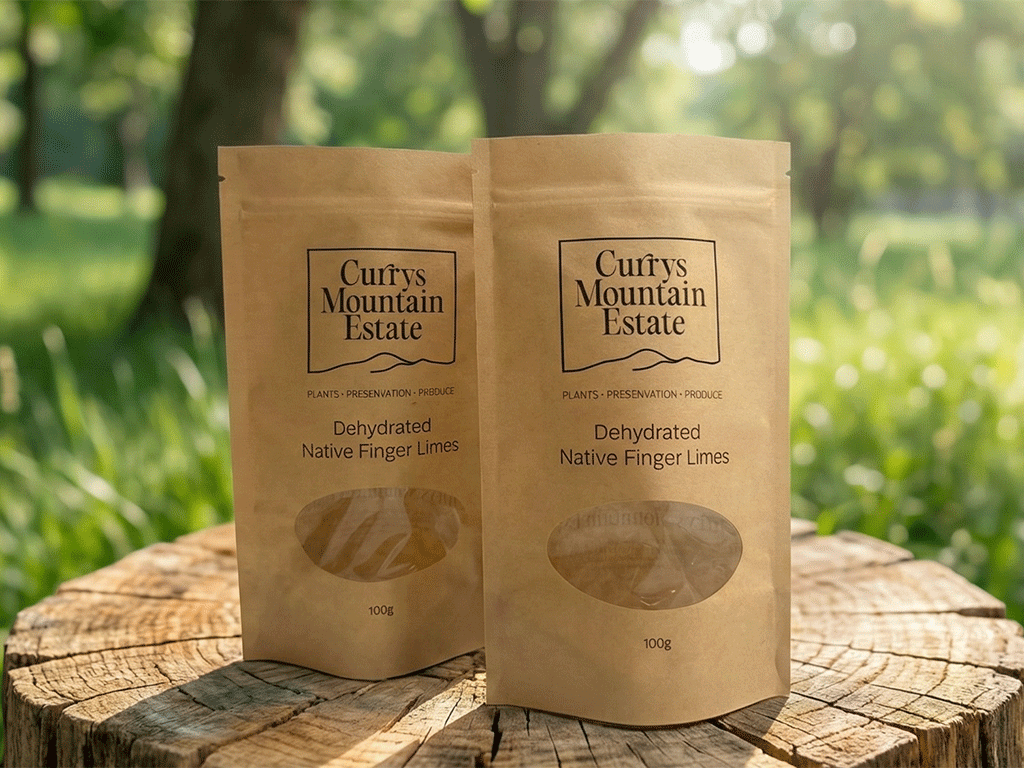
You can treat brown kraft paper coffee bags like a flexible system:
- Keep one main bag design for all coffees
- Change labels, stamps, or belly bands for each origin or roast level
- Use colour coding on stickers instead of full-bag colour printing
This pattern keeps costs lower and reduces waste when a coffee rotates out of your line-up. You simply print new labels instead of ordering new bags.
Inside the layout, brown kraft paper also supports clear storytelling sections:
- A short origin story near the top front panel
- Tasting notes in a simple list
- Brew tips and grind suggestions on the back
- A small block on how to dispose of the bag
Because this type of kraft feels calm and familiar, you can use very simple typography. High contrast between ink and paper helps customers read from a distance on the shelf.
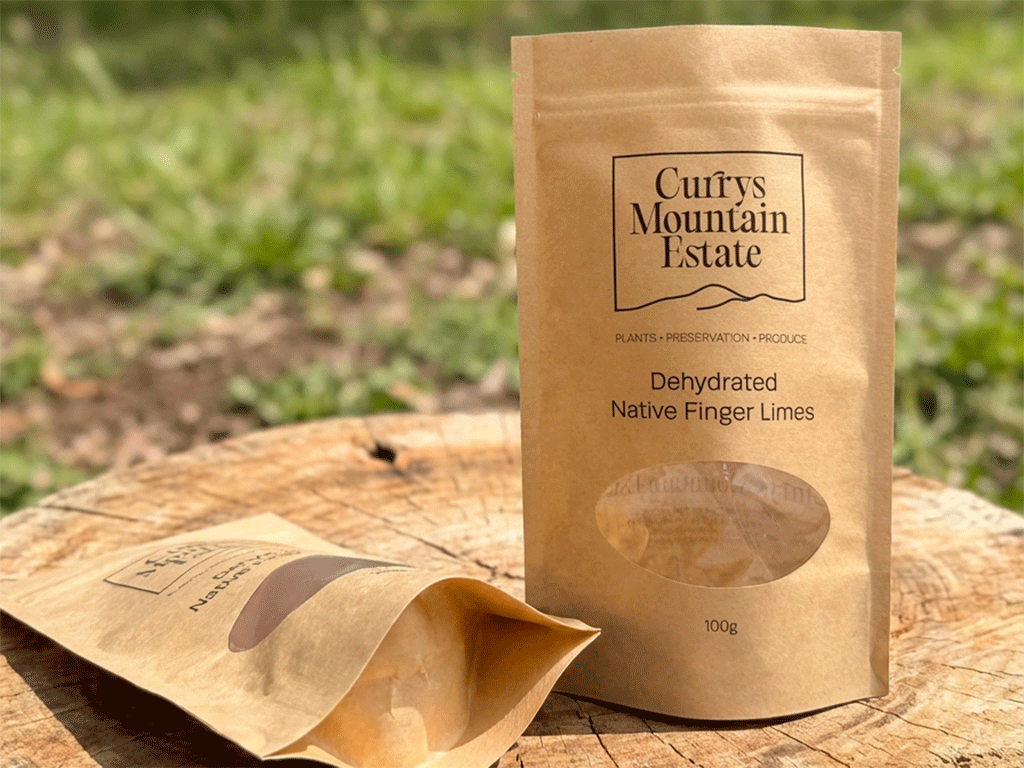
For online coffee sales, product photos of kraft coffee bags in natural brown also look natural in different settings: café bars, kitchen counters, or outdoor scenes. The material’s soft, matte surface avoids harsh reflections and gives a warm tone that works well on social media feeds.
How brown kraft paper supports sustainable coffee packaging
Brown kraft paper coffee bags, when designed with simpler and more practical structures, help roasters protect beans, support recycling systems, and move coffee packaging toward a more realistic, low-impact future.
At YamiPak Coffee, we see sustainable coffee packaging as the way forward. Our focus is on combining reliable quality with environmental responsibility, so roasters can meet customer expectations while reducing waste.
In practice, this means helping them choose smart packaging structures, such as brown kraft paper coffee bags, that protect beans, keep designs simple, and work better with local recycling systems. By moving step by step toward cleaner materials and clearer disposal instructions, we believe the coffee industry can better protect the planet and move toward a greener future.
Share This Story, Choose Your Platform!

Chris Li
Chris Li is the Marketing Director at YamiPak coffee, with over 10 years of experience in packaging and printing. Passionate about sustainable solutions and innovative design, Chris helps brands create impactful packaging that leaves a lasting impression.