What Is Coffee Cupping and Why It Matters
You drink coffee every day, but it is still hard to explain why one cup feels bright and another tastes flat. Cupping gives you a clear way to see that difference instead of just guessing.
Coffee cupping is a simple, standard method where you grind coffee into plain cups, add hot water, then smell and slurp small spoonfuls in the same way for each sample. By tasting side by side, farmers, buyers, roasters, and baristas can judge quality, compare beans from different lots, and keep flavor and style consistent from season to season.
What is coffee cupping?
Many people hear the word “cupping” and think of a strange ritual. In reality, coffee cupping is very simple once you understand what you are looking for.
Coffee cupping, sometimes called coffee tasting, is a method where you smell and taste brewed coffee in a controlled way to judge its body, sweetness, acidity, flavor, and aftertaste. It is a professional practice, but anyone can learn it.
How coffee cupping works in practice
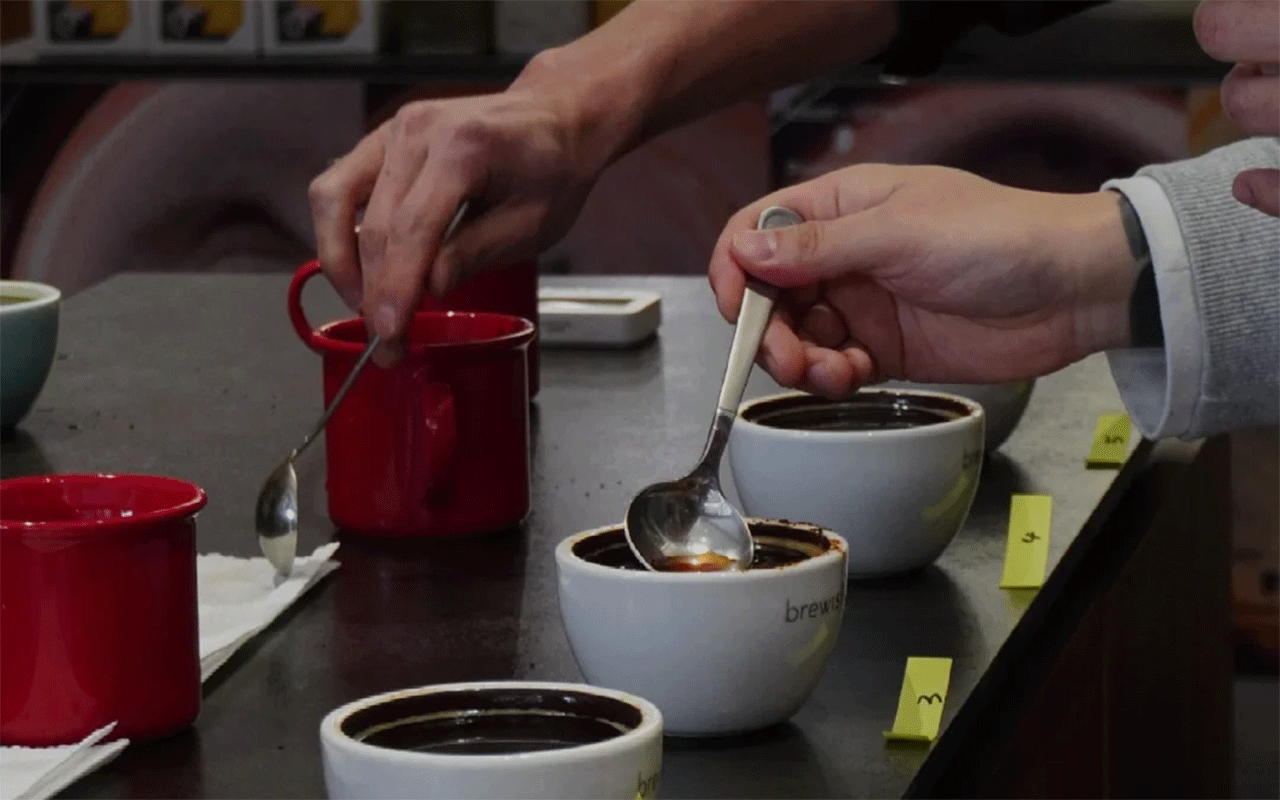
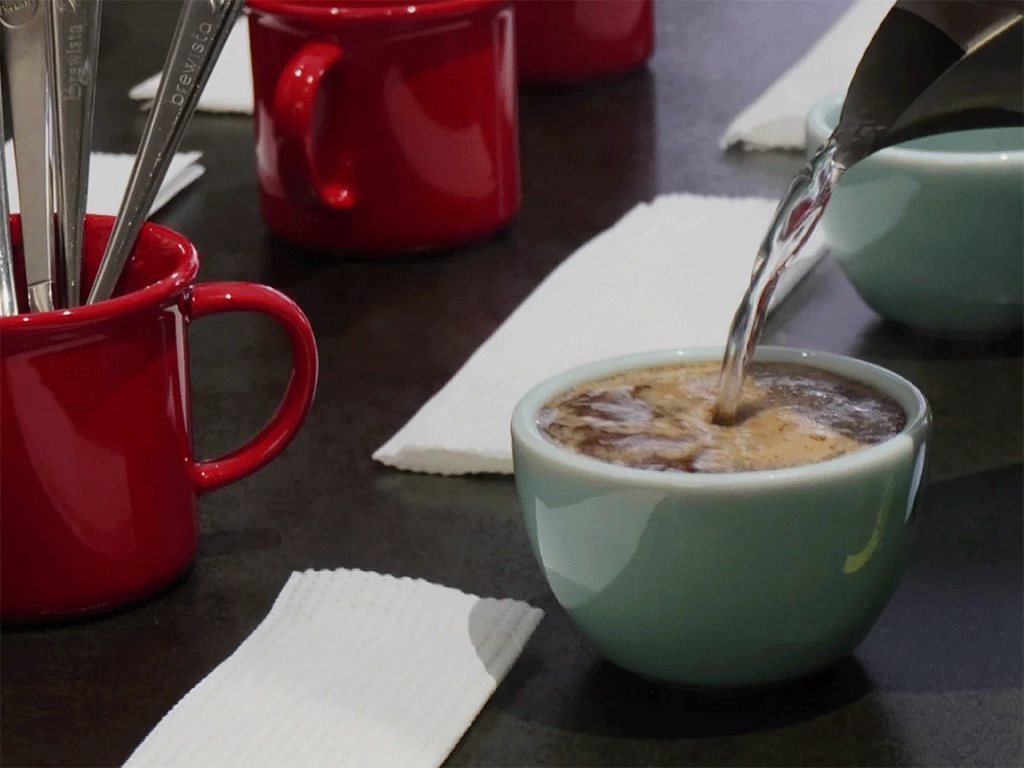
Coffee cupping is a simple “lab test” for coffee flavor. You grind fresh beans, put the grounds into plain cups, and pour hot water directly on top. You do not use paper filters or complex brewers. Every sample follows the same steps so you can focus on the beans themselves.
During cupping, tasters lean over the cups and smell the dry grounds first. After water is poured and a crust forms, they smell the wet aroma. After a few minutes, they break the crust with a spoon, breathe in the strong aroma that rises, and gently skim off the foam and floating grounds. When the coffee cools a little, they use a spoon to slurp small sips so the coffee spreads across the tongue and mixes with air. This helps the mouth and nose work together and makes fine details easier to notice.
Cupping uses fixed rules for grind size, water temperature, ratio, steep time, and spoon technique. Each coffee is treated in the same way. This makes it possible to compare cups from different farms and regions in a fair way and to score them on clear points like aroma, sweetness, acidity, body, flavor clarity, and aftertaste.
Why do people cup coffee?
You might think cupping is only for experts, but it serves many people across the coffee world, from small farmers to home brewers.
People cup coffee to measure and compare flavor, check quality before buying, spot defects, and see how origin, processing, and roast level change the final cup. It is also a powerful way to train your palate.
Main reasons people cup coffee
People cup coffee to judge sweetness, acidity, body, and aftertaste in a clear, repeatable way instead of guessing from one random brew. By tasting samples side by side, they can see which coffees stand out and which ones fall short.
Along the supply chain, producers, buyers, and roasters rely on cupping to make real decisions. Farmers cup to see how changes on the farm or in processing affect flavor and price. Buyers and roasters cup samples from many lots, then choose the coffees with better balance and clarity. The notes and scores they record often guide contracts, blend choices, and long-term partnerships.
Cupping also trains taste. When baristas and home brewers taste coffees next to each other using a simple method, they start to notice small differences that daily brewing can hide. Over time, regular cupping makes it easier to describe coffees in clear, honest words that make sense to both teammates and customers.
What equipment do you need for a cupping table?
You do not need a full lab to start cupping. You just need a few tools that help you keep every sample as similar as possible.
For basic coffee cupping, you need fresh coffee, a burr grinder, a kettle, hot water, identical cups or bowls, deep spoons, a scale, a timer, and something for notes. These simple tools are enough for clear, repeatable tastings.
Essential tools for coffee cupping
For cupping, you only need a few simple tools. Use a medium-coarse grind, about like coarse sea salt, and cups around 160–200 ml. A burr grinder gives more even grounds than a blade grinder. A basic kettle is fine as long as it heats enough water and pours in a steady stream. A small digital scale and a timer help you keep the same dose and steep time every session.
You also need a couple of spoons, one cup of hot water to rinse them, and another empty cup for foam and stray grounds. Clean, neutral-tasting water is important, not strongly softened or distilled. For notes, plain paper or a simple cupping form is enough. You can score aroma, flavor, acidity, body, and overall impression and keep these sheets as a record of how your coffees change over time.
How do you run a cupping session?
Coffee cupping follows a fixed routine. You repeat the same steps each time so you can compare coffees fairly and notice small changes. Once this pattern is familiar, a cupping session feels calm and easy to run.
Basic steps in a cupping session
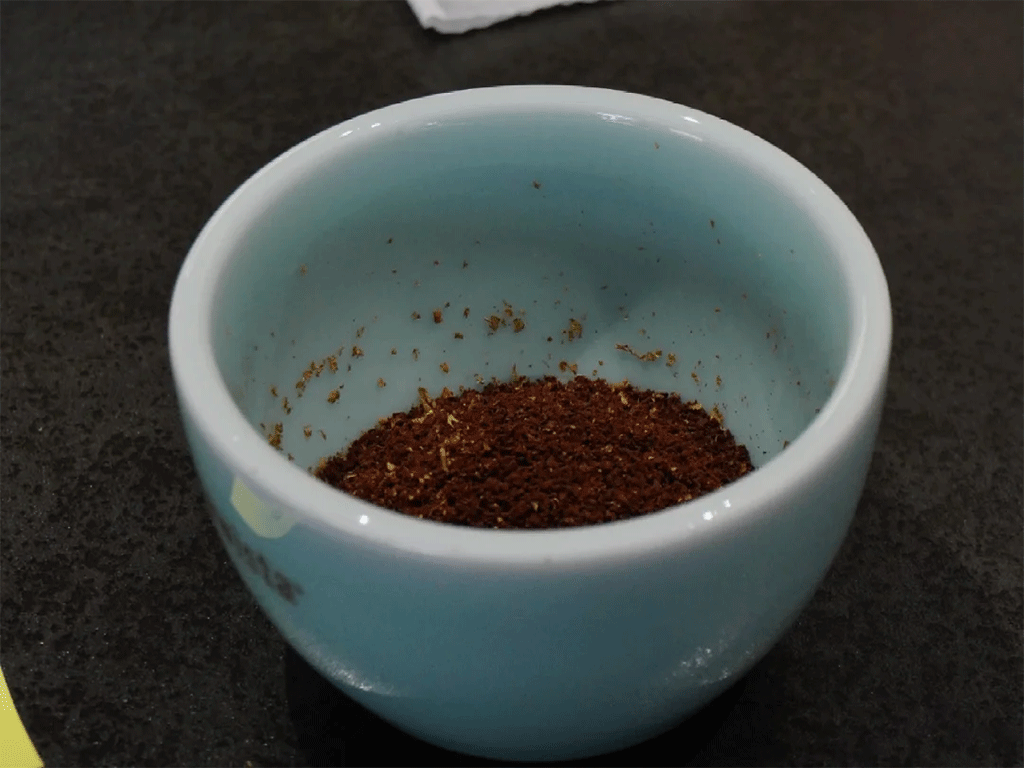
First, choose at least two coffees so you can compare them. Roast them in a similar time window and let them rest. Weigh the same amount of beans for each cup, usually around 8–10 grams. Grind to a medium-coarse size and put the grounds into labeled cups. Smell the dry fragrance to catch early hints of fruit, nuts, spice, or defects.
Heat your water and pour it over each cup in a steady stream. Start your timer as you pour. A crust of grounds will form on the surface. After about four minutes, bring your nose close and break the crust three times with your spoon while you breathe in the strong aroma. Then gently skim off the foam and any floating grounds so the surface is clear.
Wait until the coffee cools a little. Take a spoonful and slurp so the coffee spreads across your mouth and mixes with air. Spit into a spittoon if you have many cups to taste. Move from cup to cup, write simple notes, and score each coffee if you use a form. Taste again as the coffees cool, because some sweetness or defects only appear at lower temperatures.
From coffee cupping to better coffee packaging
Regular coffee cupping turns guesswork into clear sensory data and shared language, so every decision about buying, roasting, and brewing rests on what you actually taste in the cup.
At YamiPak Coffee, we understand how much work sits behind every great cup of coffee. Our range of sustainable coffee packaging helps you keep that hard work safe by protecting freshness and delicate flavor.
Our design team can help you create a unique pouch that fits your coffee story, and you can add options like degassing valves and resealable zippers to make storage easy for customers.
For more information about our sustainable coffee packaging, contact our team to talk about formats, materials, and ideas for your next coffee release.
FAQ
What should I expect at a coffee cupping?
You taste several coffees side by side, learn a simple tasting routine, share flavor notes with others, and leave with a clearer idea of what you enjoy.
What should I bring to a cupping session?
Come with a clean palate, no strong perfume or spicy food beforehand, and a small notebook if you want to write down flavors and favorites.
How can I try cupping at home?
Use a few cups, fresh coffee, hot water, a spoon, and a timer. Smell the grounds, pour, break the crust, then slurp and compare simple notes.
Is cupping the best way to enjoy coffee?
Cupping is the best way to compare and judge coffees fairly, but for daily drinking a normal brew method is more relaxing and comfortable.
Share This Story, Choose Your Platform!

Chris Li
Chris Li is the Marketing Director at YamiPak coffee, with over 10 years of experience in packaging and printing. Passionate about sustainable solutions and innovative design, Chris helps brands create impactful packaging that leaves a lasting impression.