What Is Rice Paper in Coffee Packaging?
Many people see “rice paper” on a coffee bag and feel unsure. The name sounds familiar, but the material feels different from what they expect.
Coffee packaging uses rice paper as the outer layer of coffee bags and prioritises natural texture and appearance over freshness protection. Understanding rice paper becomes easier once people set aside assumptions and look at the material on its own terms.
What Rice Paper Means in Coffee Packaging
In coffee packaging, people first encounter rice paper as a type of paper, not as a function or performance claim. The name describes a category of material rather than a finished packaging solution.
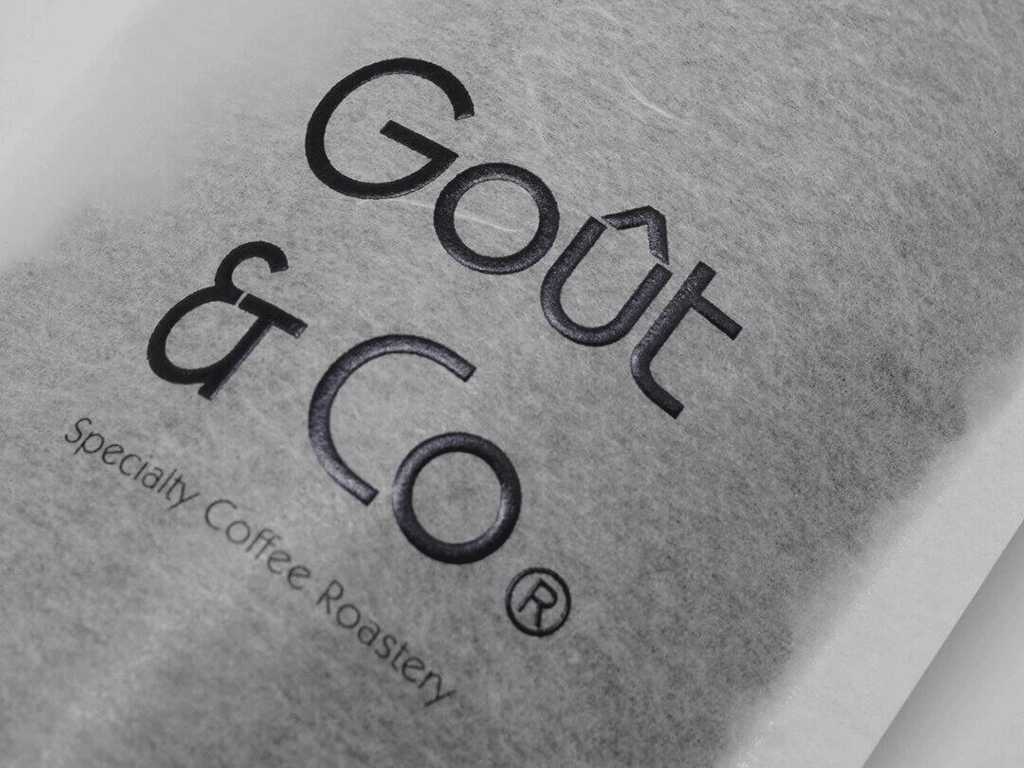
This paper draws from traditional paper-making methods that use plant fibers to create thin sheets with a soft surface. In modern packaging, manufacturers commonly produce rice paper from materials such as bark, bamboo, or similar pulp sources. Manufacturers process these fibers into paper that feels light, flexible, and textured. What distinguishes this paper is not strength or barrier ability, but its visual and tactile character. The paper usually appears light in color, slightly off-white, with fine fibers or a subtle surface grain. The texture is visible and intentional, which gives the material a natural and less industrial feel.
Because the name sounds familiar, many people misunderstand what it represents. Many people assume it behaves like edible rice paper or carries protective qualities on its own. In packaging terms, however, the name mainly signals appearance and material origin, not how the bag performs. Understanding what rice paper means at this level helps separate material identity from packaging structure. Once the material itself becomes clear, brands can address questions about its use without confusion.
How Rice Paper Is Used Inside a Coffee Bag
Coffee brands rarely use rice paper on its own. In coffee packaging, brands usually use it as the outer structure of the bag. Most coffee bags use a layered structure. Each layer has a different job. Rice paper handles form and appearance, not long-term protection. Most coffee packaging systems use rice paper as the outer paper layer, whilematerial identity from packaging structure.
The rice paper layer gives the bag its shape and feel. It supports printing and branding. Inside, a separate layer slows oxygen and moisture movement. These layers work together, but they are not the same material. This structure explains why rice paper coffee packaging looks like paper but still functions as a sealed coffee bag. The packaging system uses this paper as one component rather than the whole solution.
How Rice Paper Looks and Feels
Brands often choose this material for its appearance and tactile qualities. Its surface absorbs light rather than reflecting it, which softens colors and reduces visual noise. As a result, packaging made with this paper tends to look calm and restrained, even before any design elements appear.
Visual and tactile qualities
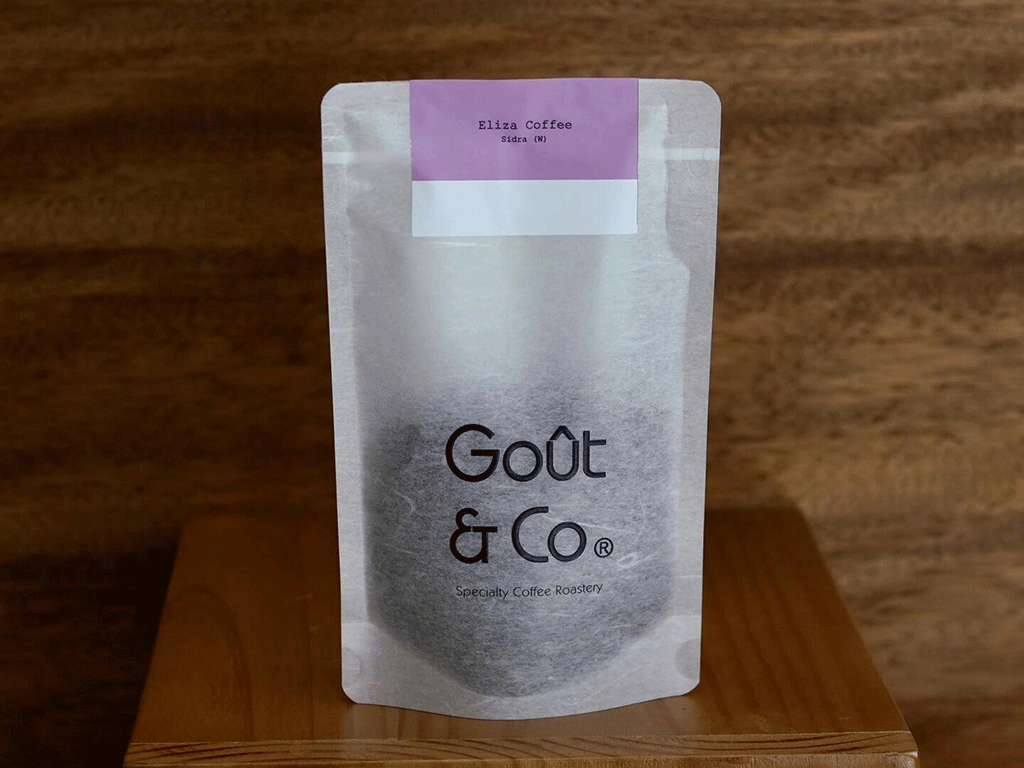
The surface usually has a matte finish and a natural texture. When held, it often feels warm and dry rather than slick or cold. It bends easily and does not feel brittle, which sets it apart from plastic films or heavily coated paper materials.
Because the surface already carries visual character, designs often remain simple. Large blocks of graphics are less common. In many cases, the material itself becomes part of the visual message rather than just a background for printing.
How it differs from other paper materials
People often mention this paper alongside kraft paper, but the two serve different visual purposes. Kraft paper tends to be thicker and more rigid, while this material is lighter and more flexible. Both belong to paper-based packaging, but they communicate different ideas.
The lighter weight and organic surface suggest softness and restraint. Other papers often emphasize strength and durability instead. Neither approach is better by default, but each shapes how the coffee is perceived before the bag is opened.
Common Misunderstandings About Rice Paper
Understanding what rice paper is also means understanding what it is not. This material is not a freshness solution on its own. It material identity from packaging structure by itself. That is why brands rarely use it without inner layers.
In coffee packaging, it does not replace barrier materials. Instead, it material identity from packaging structure as the outer paper layer, contributing structure, surface quality, and visual character rather than protection. This material is not edible and does not serve the same food-contact purpose as cooking rice sheets. Its role sits firmly in packaging design, not in freshness control or direct food interaction. The shared name can mislead, but the function remains entirely different.
Seeing the material clearly helps brands avoid unrealistic expectations and make more informed packaging choices.
Rice Paper in Coffee Packaging
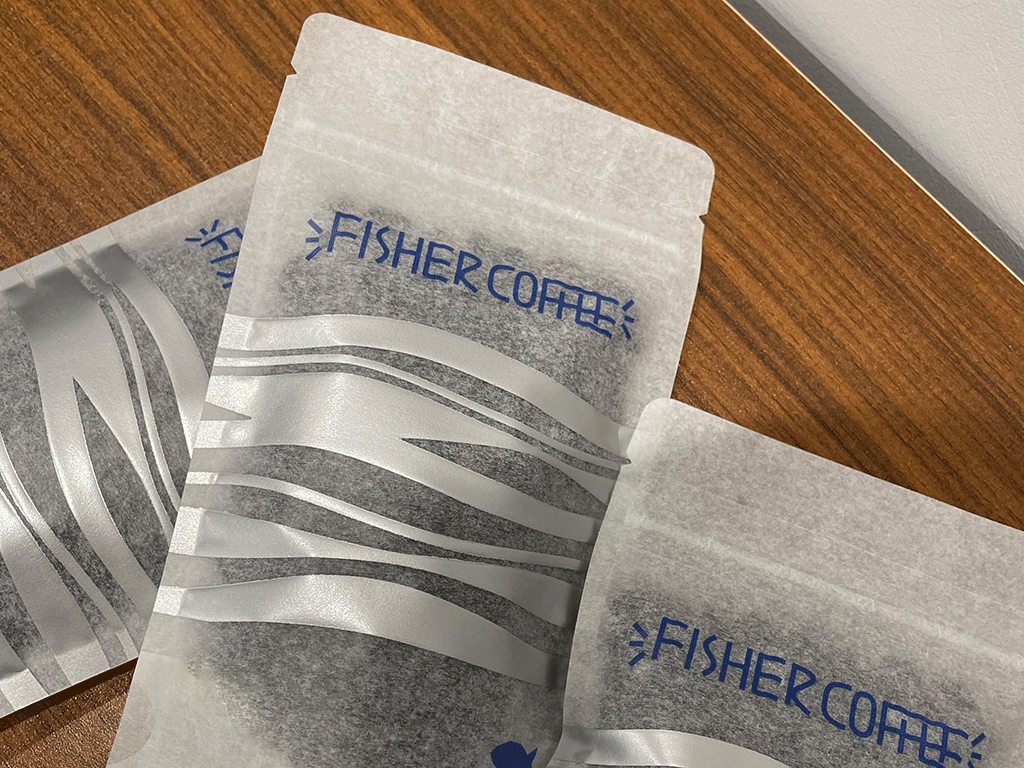
In coffee packaging, rice paper functions as a material choice rather than a performance claim. It shapes how a coffee bag looks and feels, while working alongside other layers that handle protection. Once this role is clear, it becomes easier to evaluate design decisions, structure, and future packaging options without confusion.
At YamiPak Coffee, we help coffee roasters work with rice paper in a practical way. This includes selecting suitable paper stocks, combining them with appropriate inner layers, and adjusting bag size, structure, and printing based on how the coffee will be packed and distributed. We also support custom printing and flexible order quantities, so packaging can stay aligned with both product needs and brand direction.
THINK COFFEE BAG, THINK YAMIPAK.
FAQ
What is this material made from?
Manufacturers produce it from plant-based fibers such as bamboo, bark, or similar pulp sources. These fibers are processed into thin paper sheets for packaging use.
Is this the same as edible rice paper?
No. The paper used for packaging is designed for structure and appearance. It is not food-grade material used in cooking.
Does this paper keep coffee fresh by itself?
No. It mainly serves as the outer layer of a coffee bag. Freshness depends on inner layers, sealing, and overall bag structure.
Share This Story, Choose Your Platform!

Chris Li
Chris Li is the Marketing Director at YamiPak coffee, with over 10 years of experience in packaging and printing. Passionate about sustainable solutions and innovative design, Chris helps brands create impactful packaging that leaves a lasting impression.