
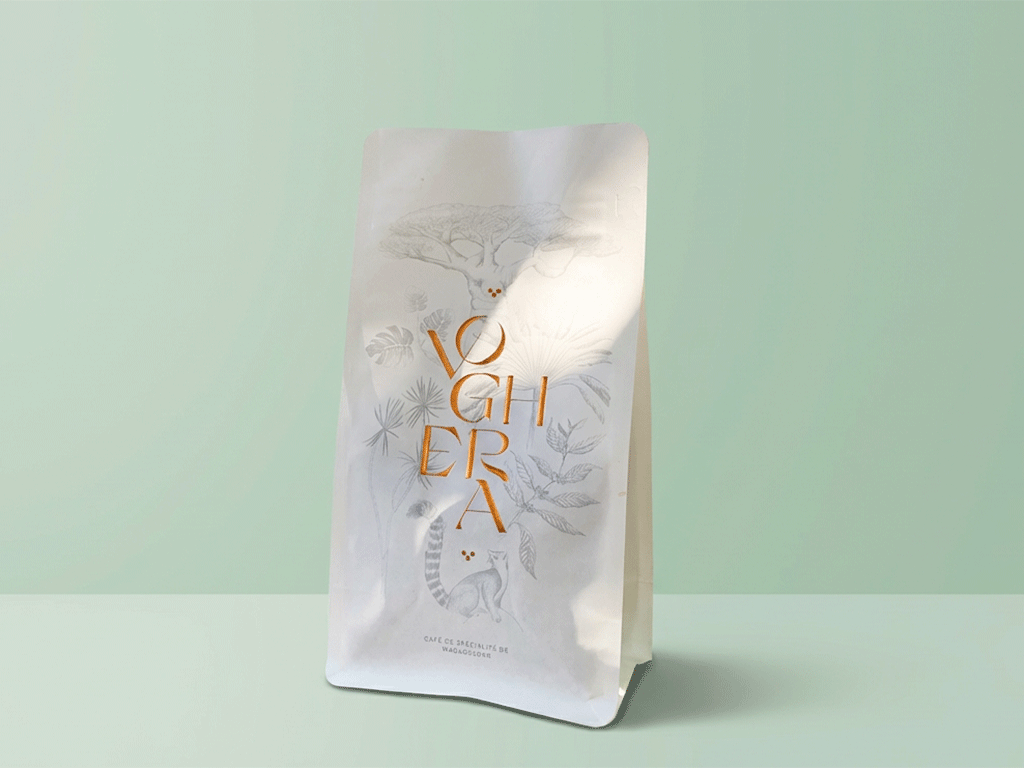
Hot Stamp Coffee Bags for Specialty Coffee Packaging
In the specialty coffee market, packaging does more than protect the product. It shapes how a brand is perceived before the bag is ever opened. For many roasters and coffee brands, visual impact has become just as important as freshness and functionality. This is where hot stamp coffee bags play a critical role.
Hot stamping is not a decorative trend. It is a deliberate packaging choice used to signal quality, craftsmanship, and brand confidence. From boutique roasters to established coffee brands, foil stamping has become a preferred technique for creating premium coffee packaging that stands out without relying on excessive graphics or loud colors.
Understanding how hot stamping works, when it makes sense, and how it compares to printing helps brands decide whether this finishing method aligns with their packaging strategy.
What Is Hot Stamping in Coffee Packaging?
Hot stamping is a finishing process that uses heat and pressure to transfer hot stamping foil onto the surface of a coffee bag. Instead of ink, a thin metallic or pigmented foil layer is pressed onto the material using a custom metal die. The result is a crisp, durable metallic finish that sits on top of the packaging surface rather than being absorbed into it.
In coffee packaging, hot stamping is most commonly used to highlight logos, brand names, or key visual elements. Because the foil reflects light differently from printed ink, stamped elements draw attention immediately. This visual contrast makes hot stamping especially effective for brands that want a clean, minimal design while still creating strong shelf presence.
Unlike printing, hot stamping does not rely on color blending or gradients. It works best with bold shapes, clear typography, and intentional spacing. This limitation is often seen as an advantage, as it encourages more disciplined design decisions and reinforces a premium aesthetic.
Why Hot Stamp Coffee Bags Are Used for Premium Branding
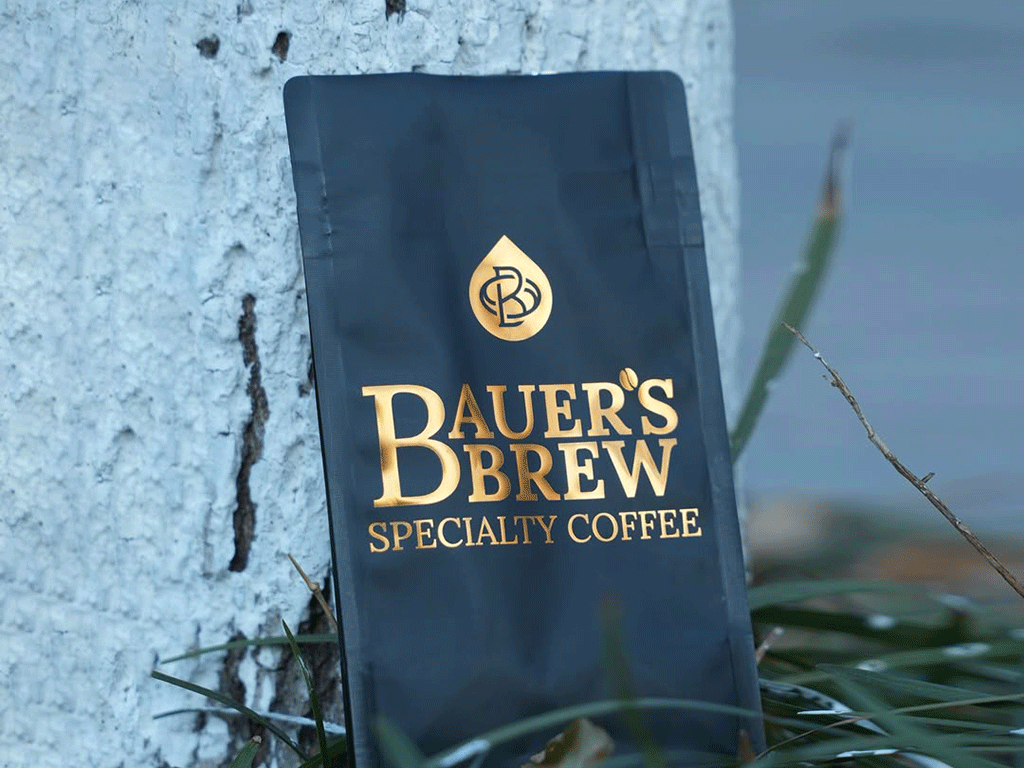
Premium coffee packaging is about restraint, not excess. Many high-end coffee brands avoid overcrowded designs and instead focus on materials, structure, and finishing details. Hot stamp coffee bags fit naturally into this approach.
Foil stamping adds perceived value without increasing visual noise. A single metallic logo on a kraft or matte surface communicates craftsmanship more effectively than a fully printed design. The tactile and reflective qualities of foil suggest attention to detail and higher production standards, which aligns well with specialty coffee positioning.
Hot stamping also reinforces brand consistency. Because the process produces uniform results, logos and brand marks remain consistent across production batches. This reliability matters for brands that want their packaging to look identical whether it appears on a retail shelf, in a café, or in an online store.
For many roasters, hot stamping becomes part of the brand identity itself. Customers begin to associate the metallic finish with quality and trust, even before reading the label or tasting the coffee.
Which Coffee Bags Are Suitable for Hot Stamping?
Hot stamping works best on flat, stable surfaces commonly used in coffee packaging. Kraft paper, coated paper, and laminated materials all support foil application when properly prepared. These materials provide enough surface integrity to ensure clean foil transfer and long-lasting adhesion.
Bag structure also matters. Stand-up pouches, flat bottom bags, and side-gusset bags can all be used for hot stamping, provided the stamped area avoids heavy folds or sealing zones. Designers typically place stamped elements on the front panel where the surface remains smooth and visible.
Because hot stamping focuses on selected design elements, it pairs well with packaging that emphasizes material quality and form. Brands often combine hot stamping with simple layouts, letting the material texture and metallic accents do most of the visual work.
Hot Stamping vs Printing on Coffee Bags
Choosing between hot stamping and printing depends on how each method supports different goals in coffee packaging design. Printing is ideal for delivering information such as origin details, brewing instructions, and full-color graphics. It provides flexibility for complex layouts and text-heavy content.
Hot stamping serves a different design function. It focuses on brand emphasis rather than information density. By using metallic foil, hot stamping creates depth and contrast that printed ink cannot achieve, drawing attention to logos or key brand elements. Many coffee brands combine both methods, using printing for information and hot stamping to reinforce brand identity. This approach keeps packaging informative while enhancing its premium visual appeal.
Customization Options and Design Limitations
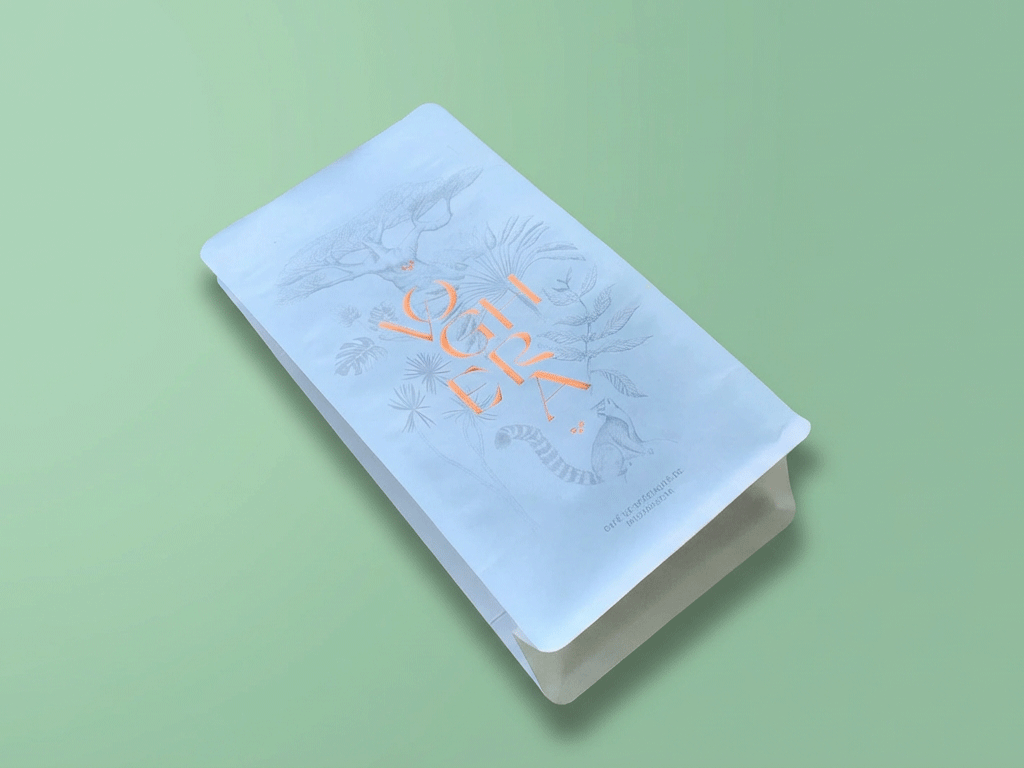
Customization is one of the strongest advantages of hot stamping. Custom coffee bags can be tailored through foil color selection, placement, and scale. Common foil colors include gold, silver, copper, black, and matte metallic tones, each conveying a different brand personality.
Design flexibility comes with some constraints. Hot stamping works best with solid shapes and clean lines. Extremely fine details or complex patterns may not transfer clearly. For this reason, brands often reserve foil stamping for logos or brand marks while relying on printing for detailed text.
Customization also extends beyond visuals. Hot stamped coffee bags can incorporate features such as degassing valves, resealable zippers, and custom sizing. This allows brands to maintain functional requirements while upgrading the visual presentation.
Manufacturing considerations such as minimum order quantities and lead times vary. Because hot stamping requires custom dies, it is better suited for brands with a stable design rather than frequent redesigns. Once the tooling is established, repeat production becomes efficient and consistent.
When This Finishing Method Fits Your Brand Strategy
Hot stamping is not the right choice for every coffee product. It works best for brands that value visual restraint, material quality, and long-term brand recognition. Limited editions, flagship blends, and core product lines often benefit most from hot stamping, as the technique reinforces a sense of permanence and premium positioning.
Brands focused on mass-market distribution or frequent design changes may prefer printing for its flexibility. However, for specialty coffee brands seeking differentiation, hot stamping offers a way to elevate packaging without adding unnecessary complexity.
For brands exploring hot stamp coffee bags, working with an experienced packaging partner helps ensure that design, materials, and finishing align with brand goals. YamiPak Coffee provides integrated coffee packaging solutions that support custom structures, material selection, and finishing options, including hot stamping. With a focus on recyclable, compostable, and biodegradable materials, YamiPak Coffee helps brands create packaging that balances visual impact, functionality, and sustainability.
Share This Story, Choose Your Platform!

Chris Li
Chris Li is the Marketing Director at YamiPak coffee, with over 10 years of experience in packaging and printing. Passionate about sustainable solutions and innovative design, Chris helps brands create impactful packaging that leaves a lasting impression.