Are Disposable Coffee Cups Recyclable?
Disposable coffee cups have become an unavoidable part of modern coffee culture. For takeaway orders in cafés and beverage chains, single-use cups provide a convenient and portable way for consumers to enjoy drinks on the go. Whether for hot lattes or iced beverages, disposable cups remain one of the most widely used packaging formats across the global coffee industry.
At the same time, they are among the most debated packaging products in terms of sustainability. Many cups end up in landfill because consumers dispose of them without understanding their material composition or recycling requirements. For coffee businesses, understanding how recyclable disposable coffee cups actually are, and how local recycling systems handle them, is essential for making more responsible packaging decisions.
What Are Disposable Coffee Cups Made Of?
Disposable coffee cups seem simple at first, but they usually have more than one material. This design keeps drinks from leaking, but it makes recycling hard. Most cups are not just paper or just plastic. They have layers.
Many single-use cups are made from paper combined with plastics or coatings. These laminated materials are difficult to separate in normal recycling plants, which makes recycling challenging in many areas.
Paper Cups
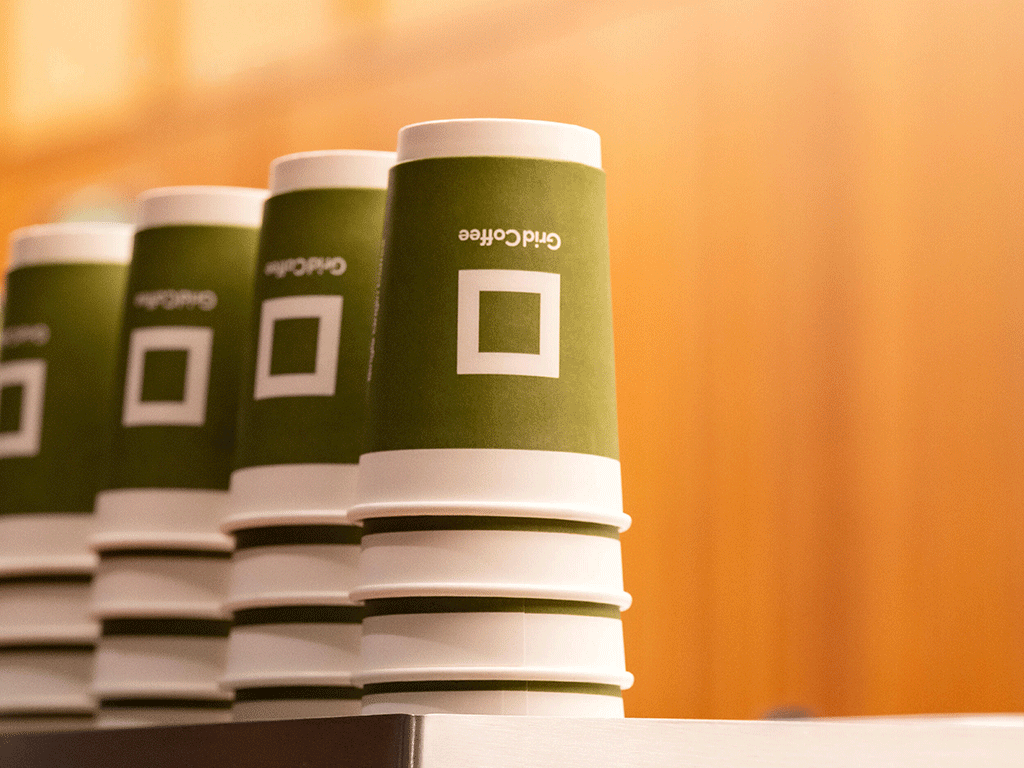
Paper cups are most common for hot drinks. They look like plain paper on the outside. Inside, there is often a thin plastic or wax coating to prevent leaks.
The outer paper is easy to recycle, but the inner coating can stop recycling machines from separating materials. Some European cities and a few U.S. states have advanced recycling systems that can handle this lining, but most places do not.
The paper quality also matters. High-grade paper is easier to recycle. Most disposable cups use lower-grade paperboard, which can contaminate recycling streams. Many paper cups in the U.S. are not accepted in curbside recycling programs. This means a large number of paper cups still end up in landfill.
Plastic Cups
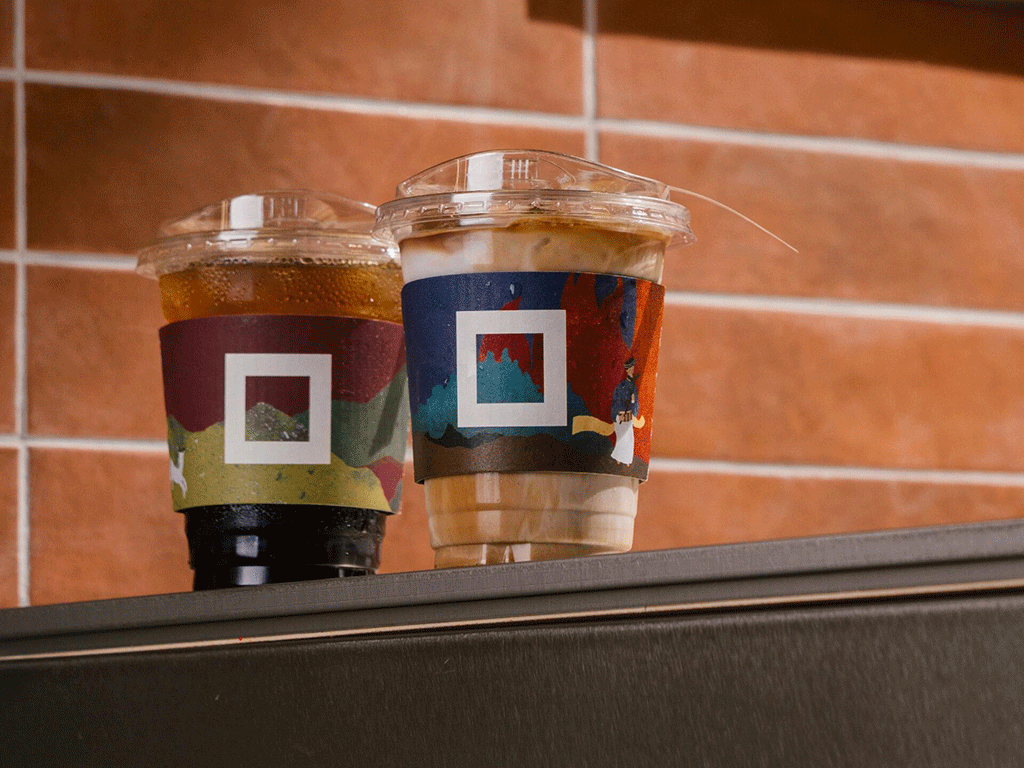
Plastic cups are common for cold drinks like iced coffee. They are often made from one type of plastic, such as PET or polypropylene. Single-material cups are easier to recycle than layered paper cups.
Plastic cups must be clean and dry before recycling. Leftover coffee, milk, or ice can contaminate recycling. Facilities may accept clean plastic cups, but local rules differ. Polypropylene cups, commonly used for cold drinks, have recently earned a widely recyclable designation, meaning many U.S. recycling programs now accept them. Acceptance still varies by city and local recycling rules.
Even recyclable plastic cups do not always reach recycling. Many plastic beverage cups do not end up being recycled. Improper disposal and limited recycling capacity in some areas make recycling difficult.
Why Are Most Disposable Coffee Cups Difficult to Recycle?
There are three big reasons why disposable coffee cups are hard to recycle. First, most hot paper cups are made with a plastic lining. This mix of paper and plastic makes it difficult for many recycling systems to separate the layers. In standard recycling plants, machines struggle to pull apart the two materials, so cups are often rejected.
Second, recycling systems vary widely by region. Some European countries have invested in cup recycling technology that can handle mixed materials. Certain Canadian and Australian cities also offer specialized drop-off points for coffee cup recycling. In the U.S., however, only a small percentage of municipalities have such systems. Only a small portion of cities have facilities that can process lined paper cups, so local recycling capabilities vary widely.
Third, contamination is a persistent problem. Even plastic cups that are technically recyclable will not be accepted if coffee residue, milk foam, or ice remains. Many recycling facilities enforce strict contamination limits. If the load of recycling has too much food residue, the entire batch may be diverted to landfill.
Material mix and contamination are key barriers to recycling disposable coffee cups. Even cups designed for recycling can fail if local recycling systems cannot handle them or if contamination is present.
Are There Recyclable Alternatives Available?
Yes. The good news is that alternatives to traditional disposable coffee cups are becoming more common. These options include cups made with fully recyclable materials, compostable liners, and innovative plant-based coatings. These new choices aim to reduce waste and improve recycling outcomes.
One example is paper cups with aqueous (water-based) coatings that can break down in existing recycling systems. Another is cups made with plant-based polymers that can be composted in large industrial composting facilities. Many cafes are now offering these alternatives, and a growing number of specialty coffee shops in major cities provide compostable or fully recyclable cups.
Recycled content plastics are also trending. Some manufacturers produce cups with recycled PET content, which can reduce waste and help improve recyclability. Consumer demand is a driver here: Many coffee drinkers prefer packaging they perceive as better for the environment.
These alternatives are not perfect. Compostable cups require the right composting facilities, and not all regions offer them. Recyclable coatings may still need specialized sorting. However, these new options represent a real shift in the market and help coffee businesses plan for sustainability.
How Should Coffee Cups Be Disposed of Properly?
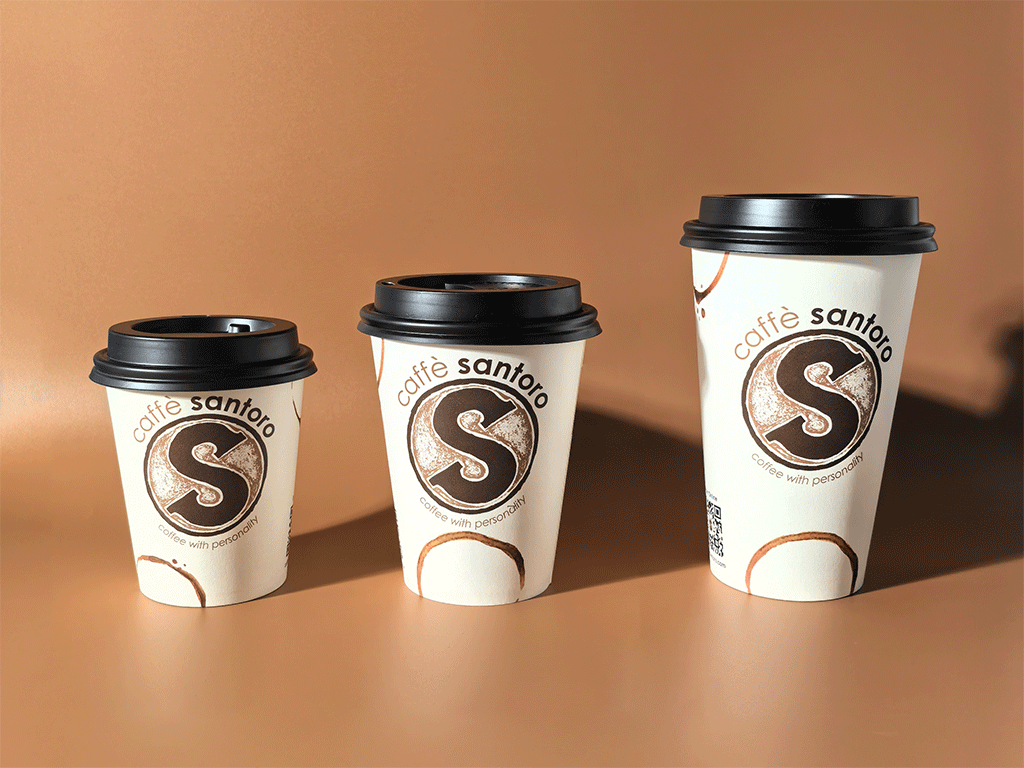
Proper disposal starts with understanding the type of cup you have. For hot disposable coffee cups with plastic lining, do not put them in a standard paper recycling bin unless your local program specifically accepts them. If your city offers a dedicated coffee cup recycling drop-off or has an industrial composting program, use those options. For cold plastic cups, rinse them out and place them in the plastic recycling bin if your area accepts that type of plastic.
It is also important to separate all parts before disposal. Lids, sleeves, and straws are often made from different materials and may need to be sorted into different bins. Misplaced parts can contaminate recycling streams and reduce overall recycling success.
Consumers and coffee businesses should always follow local recycling guidelines. What is accepted in one city may not be accepted in another. Checking municipal recycling websites or asking waste management services can prevent mistakes.
At YamiPak Coffee, we help coffee shops choose sustainable cups for hot and cold drinks. Our disposable coffee cups use eco-friendly materials and clear labeling, so they can be recycled or composted where local facilities allow. Combined with customer education, they help reduce waste and support your café’s sustainability goals.
Contact the YamiPak Coffee team to learn more about our sustainable disposable coffee cups.
Key Takeaways
- Most disposable coffee cups are not recyclable in standard bins due to mixed materials and plastic lining, but cold plastic cups have higher recycling potential when clean.
- Local recycling capability varies widely; only a small portion of cities currently accept lined paper coffee cups.
- Sustainable alternatives like compostable liners and recyclable plastics are becoming more common, and many specialty shops in major markets are starting to adopt them.
Share This Story, Choose Your Platform!

Chris Li
Chris Li is the Marketing Director at YamiPak coffee, with over 10 years of experience in packaging and printing. Passionate about sustainable solutions and innovative design, Chris helps brands create impactful packaging that leaves a lasting impression.