Cold Brew Coffee Trends You Need to Know
Cold brew coffee is everywhere — from cafés to refrigerators, reflecting cold brew coffee trends. Many people enjoy its smooth taste, but challenges remain. Understanding cold brew coffee trends helps you make better choices and enjoy it consistently.
Cold brew trends show how this style of coffee is evolving. In recent years, cold brew has grown beyond a niche drink to a major coffee category. New products, formats, and consumer tastes shape where cold brew is headed now and in the future.
Why Cold Brew Coffee Is So Popular
Cold brew has become one of the most talked-about coffee topics within current cold brew trends, and there are clear reasons behind that popularity. One big factor is its flavor profile. Cold brew is known for having lower acidity and a smoother taste than hot coffee, which makes it easier to drink for many people who find hot coffee too bitter or harsh. This smoother profile appeals to both dedicated coffee drinkers and casual consumers.
Research shows that in 2025 the global cold brew coffee market was valued at about USD 1.06 billion, and it is expected to grow to around USD 1.26 billion in 2026 — a strong indicator that cold brew trends are being reflected in ongoing market growth and rising demand.
Another reason cold brew coffee is popular is convenience, which is a key part of cold brew coffee trends. The rise of ready-to-drink options in bottles and cans means people can buy cold brew on the go without needing brewing equipment. Urban consumers especially favor this — nearly half of cold brew purchases in North America are for ready-to-drink formats, a key sign of how cold brew trends are shifting consumer behavior.
Younger generations also help drive the trend, contributing to ongoing cold brew trends. Millennials and Gen Z often choose beverages with smoother taste and perceived health benefits like lower acidity. Their social media sharing and café culture influence expands cold brew’s reach. In addition, coffee shops and brands offer more cold brew varieties, from flavored versions to nitro cold brew, making it feel fresh and modern. Continuous product innovation, including flavored and ready-to-drink options, keeps consumers curious and engaged with cold brew trends year after year.
Challenges in Following Cold Brew Coffee Trends
Cold brew coffee isn’t perfect for every situation, as challenges arise within cold brew coffee trends. Many drinkers face real challenges when enjoying cold brew coffee. Oxidation is a major issue. Even though cold brew uses cool water, contact with air can break down flavor compounds. This can make the drink taste flat, stale, or less vibrant if it sits too long.
Storage and transport add further difficulty, reflecting cold brew coffee trends. Cold brew is often brewed in large batches and kept chilled. Without proper containers, sealing, or refrigeration, it can lose aroma and freshness faster than expected. Cafés and shops may struggle to keep quality consistent from brew to customer, especially during busy hours. These practical issues show how cold brew trends require careful handling and attention to storage conditions to maintain the intended flavor.
Retail and display matter as well. Cold brew sold in bottles, cans, or on tap must look appealing. Poor presentation or handling can affect perceived quality and taste. This remains an important concern for businesses, as consumer expectations for freshness and consistency continue to rise.
Cold Brew Coffee Trends in Formats and Innovations
Cold brew coffee is evolving rapidly. Consumers now enjoy it in more ways than ever, and brands keep introducing new products and formats to meet growing demand. These changes show how cold brew trends are shaping both retail and home consumption in the modern coffee world.
Ready-to-Drink Cold Brew
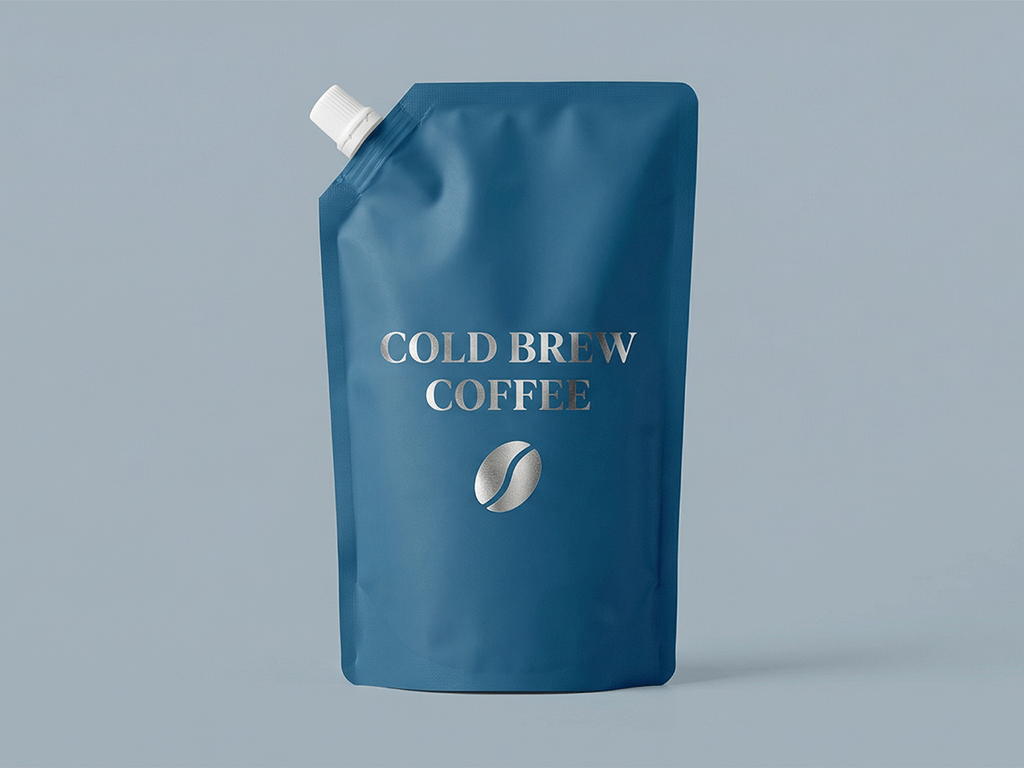
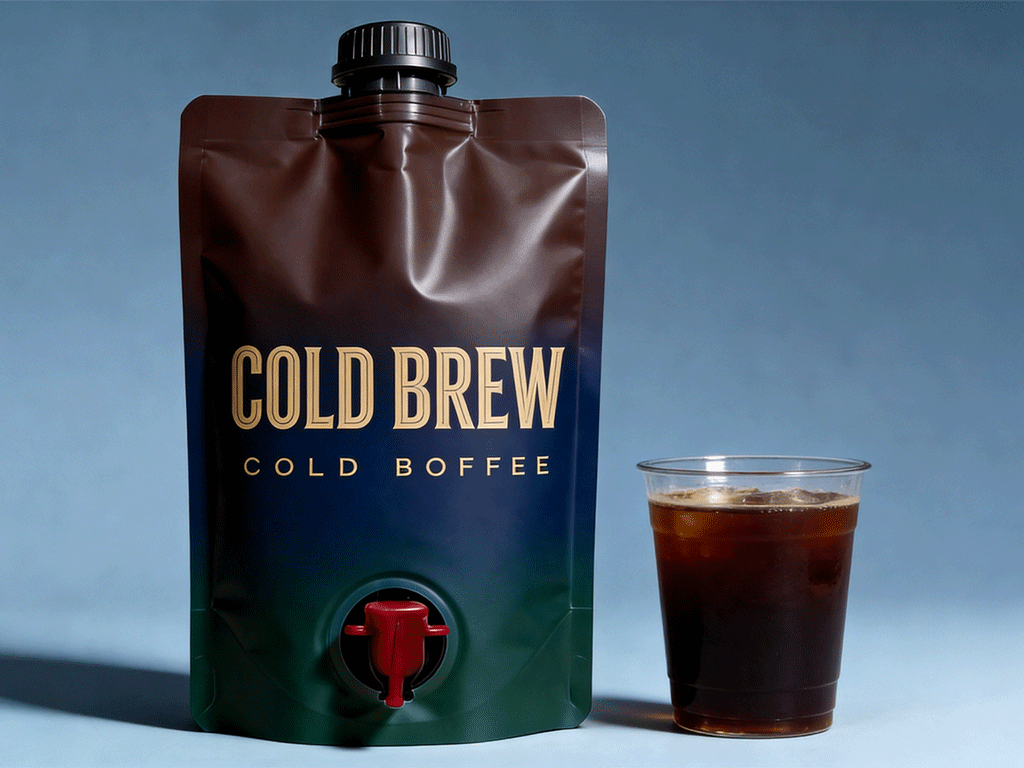
Ready-to-drink (RTD) options in bottles and cans make cold brew easy to enjoy anywhere. Consumers can grab a bottle at work, on the train, or while traveling. Retailers now offer flavored, nitro, low-sugar, and organic versions, helping cold brew reach a wider audience and become a daily choice. These RTD formats are clear examples of how cold brew trends are moving toward convenience and accessibility.
Flavored Cold Brew Coffee Trends
Many brands experiment with citrus, vanilla, or other flavor profiles. These variations make cold brew coffee more appealing, following cold brew coffee trends. In regions like Asia-Pacific and North America, premium and flavored drinks are helping cold brew stand out as a distinct coffee category. These flavored versions reflect These flavored versions reflect key aspects of cold brew trends that focus on variety and consumer choice.
Brewing Technology and Presentation
Technology is improving cold brew preparation both at home and in cafés. New brewing systems reduce extraction time and improve consistency. Drinks like nitrogen-infused cold brew offer a creamier texture and unique experience. These innovations keep cold brew coffee interesting, reflecting global cold brew coffee trends.
The Future of Cold Brew
Looking ahead, the cold brew coffee market is driven by broad cold brew coffee trends. Industry forecasts indicate that cold brew is likely to expand further as consumer preferences shift toward smooth, low-acid drinks that fit into busy lifestyles. Many analysts predict that innovative ready-to-drink options and new product lines will continue to drive interest in the category.
Urbanization and broader coffee culture adoption in regions like Asia-Pacific are creating new opportunities for cold brew. These markets are becoming more receptive to specialty beverages, and cold brew fits well with younger demographics who value convenience and taste. Retail expansion and digital sales will continue to shape how cold brew reaches consumers, making it more accessible in diverse formats — a strong signal of where cold brew trends are headed next.
Another direction is product diversification, following cold brew coffee trends. As brands explore new flavors and forms, consumers can expect novel cold brew innovations beyond the current lineup. From functional ingredients to premium blends, cold brew is positioned to be more than just a seasonal drink — it may become a year-round choice for many, aligning with ongoing cold brew trends in global markets.
At YamiPak Coffee, we provide a range of cold brew packaging solutions designed to meet the needs of modern coffee brands. Our offerings include bag-in-a-box coffee packaging solutions, custom-shaped pouches, and flexible packaging options, and single-use cups suitable for cold brew coffee. Each option helps maintain freshness, showcases your brand, and supports environmentally responsible choices while allowing for customization.
FAQ
Does cold brew coffee have health benefits?
Cold brew can have lower acidity than hot coffee. Some people find it easier on the stomach. Many enjoy its smooth taste. They find it less harsh. This reflects why many follow current cold brew coffee trends.
What is the difference between cold brew and iced coffee?
Cold brew is made by steeping coffee grounds in cold water for hours. Iced coffee is regular coffee brewed hot and then chilled. This difference affects flavor.
Is ready-to-drink cold brew worth it?
Ready-to-drink cold brew products offer convenience and consistent flavor. They are especially popular with busy consumers who want high-quality coffee without brewing at home.
Share This Story, Choose Your Platform!

Chris Li
Chris Li is the Marketing Director at YamiPak coffee, with over 10 years of experience in packaging and printing. Passionate about sustainable solutions and innovative design, Chris helps brands create impactful packaging that leaves a lasting impression.