
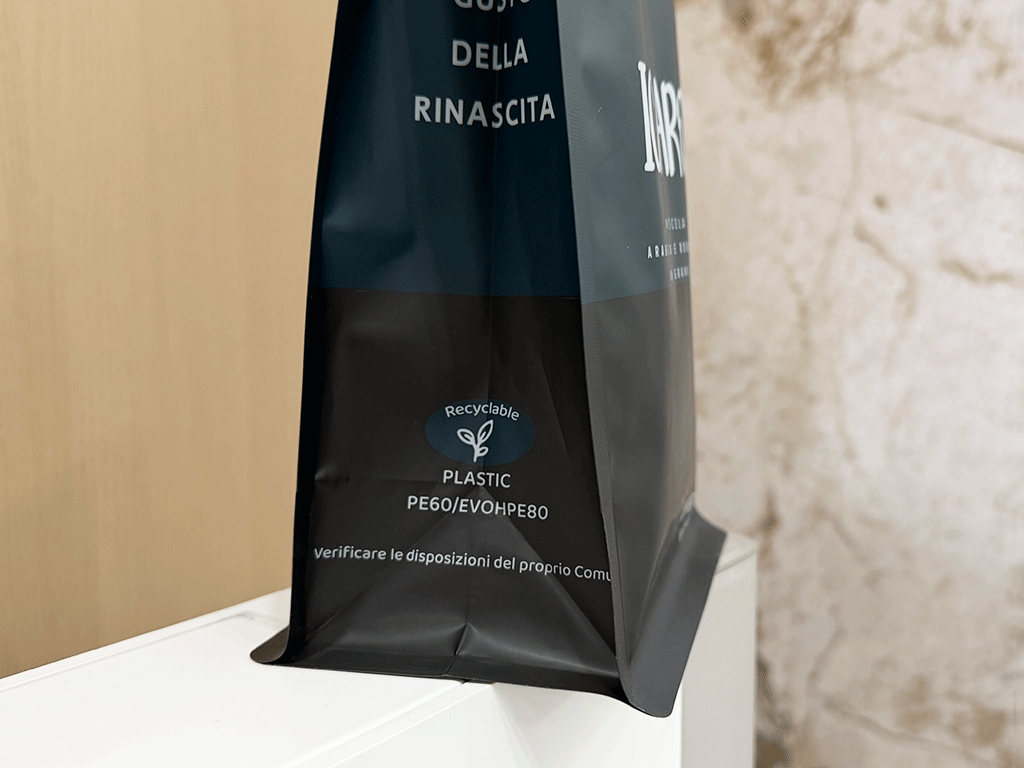
What Are Recyclable Coffee Bags with EVOH and Why Are They Used?
Key Takeaways
- EVOH is a high-performance barrier material used in coffee packaging to reduce oxygen transmission and help protect roasted coffee quality.
- Recyclable coffee bags with EVOH use a thin functional layer within a compatible packaging structure to balance freshness protection and sustainability goals.
- The performance of this packaging solution depends on both material design and recycling infrastructure available in different regions.
Roasted coffee is highly sensitive to oxygen. Without suitable protection, oxygen exposure can gradually reduce aroma, flavour, and freshness after roasting.
Recyclable coffee bags with EVOH combine strong barrier protection with a more recyclable packaging approach. By using a functional barrier layer within the structure, they help roasters protect coffee quality while considering sustainability requirements.
Choosing coffee packaging requires more than focusing on one material feature. Roasters need to consider oxygen protection, packaging structure, and recycling conditions together. Understanding how this barrier technology works can help brands make better packaging decisions.
What Is EVOH?
EVOH (Ethylene Vinyl Alcohol Copolymer) is a polymer material known for its excellent oxygen barrier performance. In coffee packaging, it is usually used as a thin barrier layer inside the bag structure. This layer helps reduce oxygen transmission and protects roasted coffee from factors that may affect freshness.
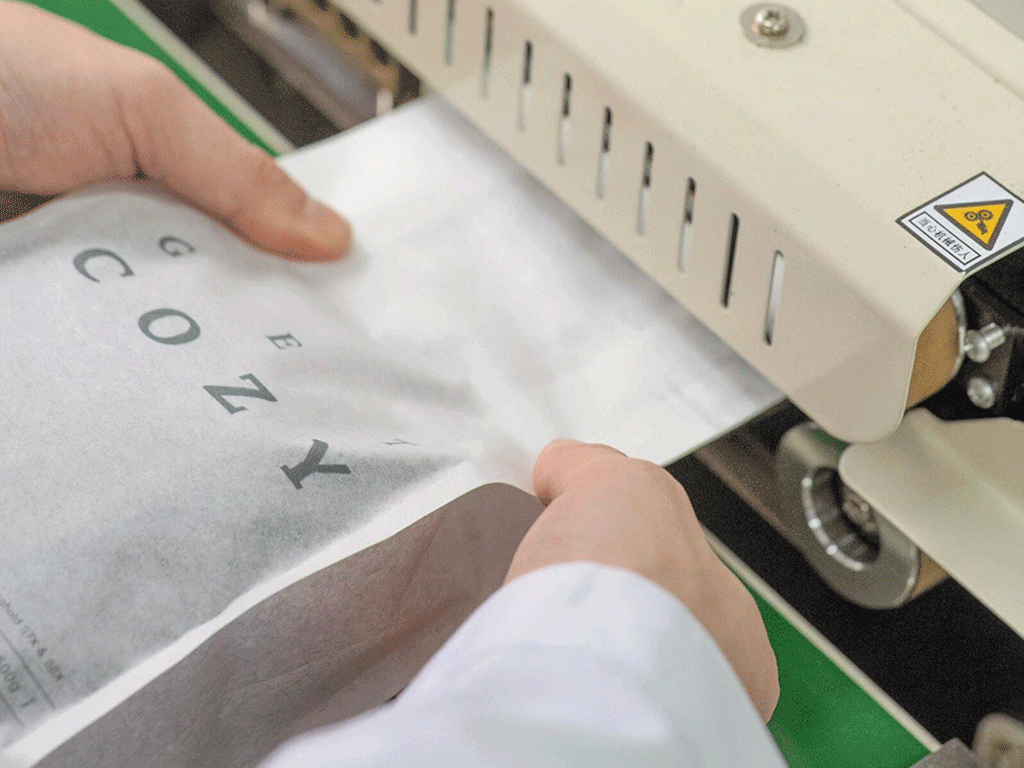
Coffee requires strong barrier protection because roasted beans contain many aroma compounds that can be affected by oxygen. When oxygen enters the package, oxidation can occur and gradually change the flavour profile of the coffee. For specialty coffee roasters, maintaining aroma and freshness after roasting is an important part of delivering consistent product quality.
EVOH does not create the entire packaging structure. Instead, it works as a functional barrier layer combined with other materials. In recyclable coffee packaging, EVOH can be integrated into mono-material or near mono-material designs to provide oxygen and aroma protection.
This approach helps maintain coffee quality while improving compatibility with polyolefin recycling processes compared with traditional multi-material structures.
EVOH barrier layers can be incorporated into recyclable coffee bag structures to enhance oxygen and aroma protection. EVOH provides barrier performance up to 1,000 times higher than low-density polyethylene (LDPE), even at elevated humidity. This strong oxygen barrier capability makes it suitable for applications where coffee freshness needs to be protected during storage and transportation.
Are Recyclable Coffee Bags with EVOH Actually Recyclable?
The recyclability of this packaging solution depends on both the material structure and the recycling systems available in different regions. Modern packaging designs use a thin barrier layer within mono-material or near mono-material structures to reduce unnecessary material complexity.
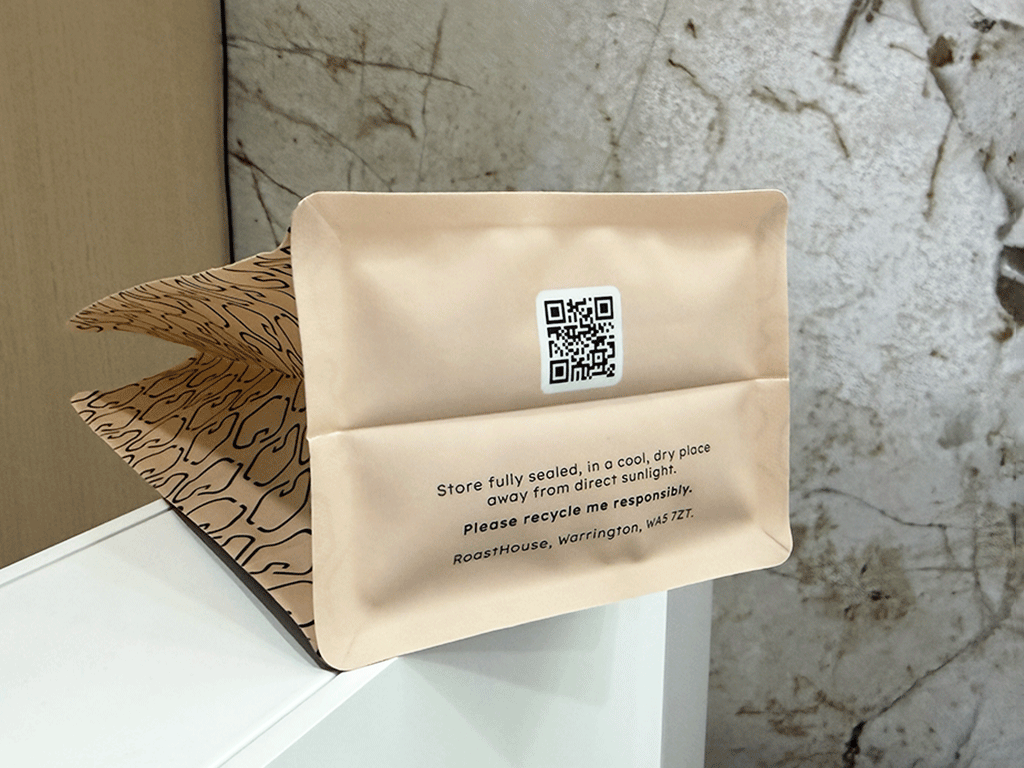
Traditional coffee packaging often uses multi-layer composites that combine aluminium foil, PET, and PE. These structures provide strong protection against oxygen, but separating different materials can be difficult during recycling. As a result, some traditional packaging formats have limited recycling options after use.
By integrating a functional barrier layer into a compatible structure, manufacturers can create packaging that remains closer to a single polymer family. The barrier layer only represents a small part of the overall package but provides an important function by helping reduce oxygen transmission.
This approach allows the package to maintain coffee protection while improving compatibility with polyolefin recycling processes. Instead of depending on traditional foil-based laminates, brands can explore packaging structures designed with recycling requirements in mind.
However, recyclability is not determined by packaging design alone. Local collection systems, recycling infrastructure, and regional regulations can all influence whether a package is actually accepted into a recycling stream.
For coffee roasters, recyclability depends on both packaging materials and local recycling conditions, including collection systems, flexible plastic recycling facilities, and regional regulations.
How Do Recyclable Coffee Bags with EVOH Perform Compared with Traditional Packaging?
When comparing different coffee packaging solutions, protection performance is one of the most important factors for roasters. Packaging with this barrier technology can provide strong oxygen protection, although its performance is not exactly the same as traditional aluminium foil structures.
Testing has shown that packaging with an EVOH layer can maintain coffee quality during storage. A trial conducted by Siegwerk and independent research institute KLEVERTEC evaluated the performance of different packaging structures over 36 weeks.
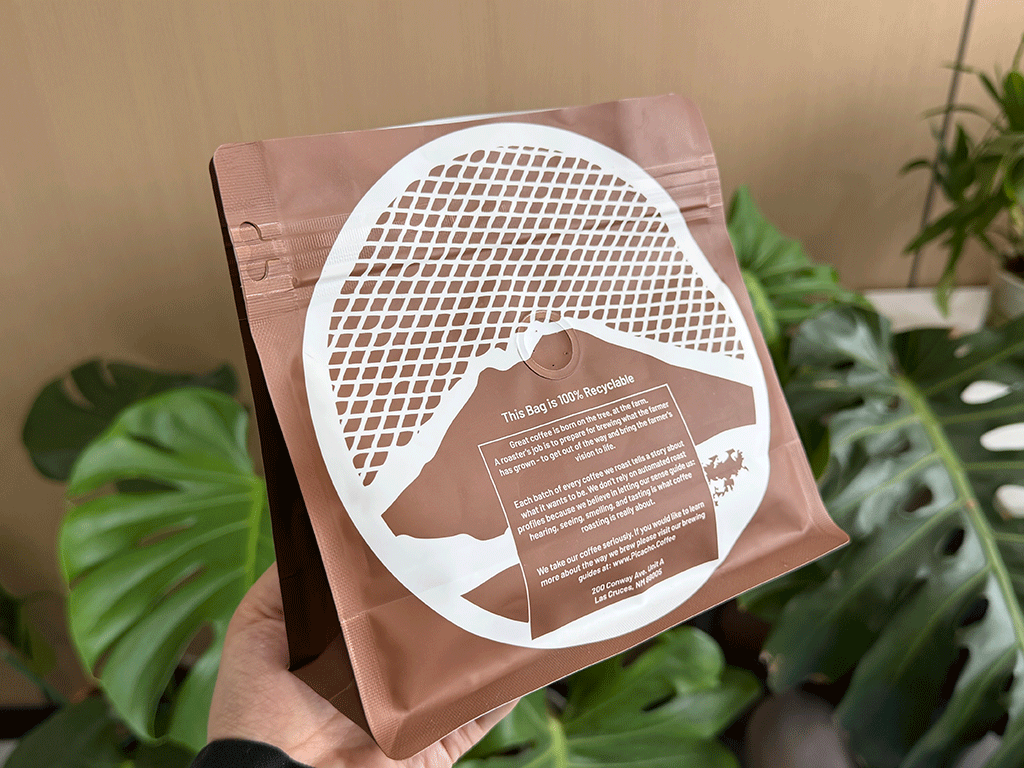
Testing has shown that packaging with an EVOH layer can maintain coffee quality during storage. A trial conducted by Siegwerk and KLEVERTEC evaluated ground coffee and whole beans over 36 weeks, with sensory tests at 12, 24, and 36 weeks.
The results showed no significant aroma loss or off-flavours between standard mono-PE packaging and packaging containing an oxygen barrier layer. This suggests that recyclable packaging can provide suitable freshness protection for many specialty coffee applications.
However, this material approach also has some limitations. Moisture sensitivity can influence barrier performance, and aluminium foil may still provide stronger protection for products requiring extremely long shelf life.
The choice of barrier solution depends on factors such as shelf life, storage conditions, product requirements, and sustainability goals.
For many specialty coffee roasters, EVOH-based packaging offers a balance between maintaining coffee quality and moving toward more recyclable packaging structures. It provides a practical option for brands seeking both freshness protection and sustainability benefits.
This is where YamiPak Coffee can support coffee roasters. Whether you are exploring your first sustainable packaging option or looking to upgrade your existing range, YamiPak Coffee works with roasters to identify the right barrier structure, format, and finish for their brand.
Ready to explore recyclable coffee bags with EVOH for your brand? Contact YamiPak Coffee today.
FAQ
What is EVOH used for in coffee packaging?
EVOH is used as a barrier material to reduce oxygen transmission and help protect roasted coffee aroma, flavour, and freshness.
Is aluminium foil better than EVOH for coffee packaging?
Performance is competitive. Studies find no detectable difference in aroma or taste between coffee stored in mono-PE pouches and packaging with an EVOH layer.
Does recyclable packaging guarantee recycling?
No. Actual recycling depends on local collection systems, recycling facilities, and regional requirements.
Share This Story, Choose Your Platform!

Chris Li
Chris Li is the Marketing Director at YamiPak coffee, with over 10 years of experience in packaging and printing. Passionate about sustainable solutions and innovative design, Chris helps brands create impactful packaging that leaves a lasting impression.
 Are Hot Foil Stamping Coffee Packaging Sustainable?