What’s the Difference Between Biodegradable and Compostable Coffee Packaging?
Many coffee brands are choosing biodegradable and compostable coffee packaging, but unclear terms can lead to weak claims, wrong disposal, and costly packaging decisions.
The difference is simple: compostable packaging must break down under specific composting conditions and usually follows defined standards, while biodegradable packaging is a broader term that does not always explain where, how, or how fast the material will break down.
That distinction matters in coffee packaging because a coffee bag still needs barrier performance, shelf life, and clear disposal guidance. The right claim should match the material, the structure of the pack, and the waste system your customers can actually use.
The Basics of Biodegradable and Compostable Packaging
Biodegradable and compostable coffee packaging are not the same thing. Both break down over time, but the process, timing, and end result are different. That difference matters before you start comparing materials, films, or bag formats.
Biodegradable packaging breaks down through microorganisms. But the term alone does not tell you where that happens, how long it takes, or what is left behind. The FTC’s Green Guides also warn against using broad environmental claims without clear explanation, and biodegradable on its own can be too vague.
Compostable packaging is a more specific claim. It usually needs to meet tested standards, such as ASTM D6400 or D6868 in North America, and EN 13432 in Europe. In other words, it is not just a green label. It needs clearer proof behind it.
A simple rule helps: all compostable materials are biodegradable, but not all biodegradable materials are compostable. This matters in coffee packaging because most bags include more than one part. If a bag has coatings or extra layers, the full pack may need to meet the claim, not just one material.
The Benefits and Limitations of Biodegradable Coffee Packaging
Biodegradable coffee packaging sounds appealing because the idea is simple. If a material can break down over time, many people see it as better than regular plastic.
But the term can be vague. It does not explain where the packaging breaks down, how long it takes, or what is left behind. Coffee roasters also need to check the full bag, not just one layer.
It also does not mean the packaging will become compost. Some materials break down slowly, and some work differently in different waste systems. That can make disposal more confusing than expected.
This matters even more for coffee packaging because a coffee bag is not just one material. It may also include barrier layers, printing, a zipper, or a valve. So coffee roasters need to check the whole pack, not just one part.
The Benefits and Limitations of Compostable Coffee Packaging
Compostable coffee packaging often sounds clearer than biodegradable packaging. That is because it usually follows specific standards or certifications. This makes it easier to explain what the packaging is designed to do after use.
One big advantage of compostable coffee packaging is that the claim feels more specific. It tells buyers that the material was tested, not just described in a general green way. That gives coffee roasters a clearer way to talk about disposal.
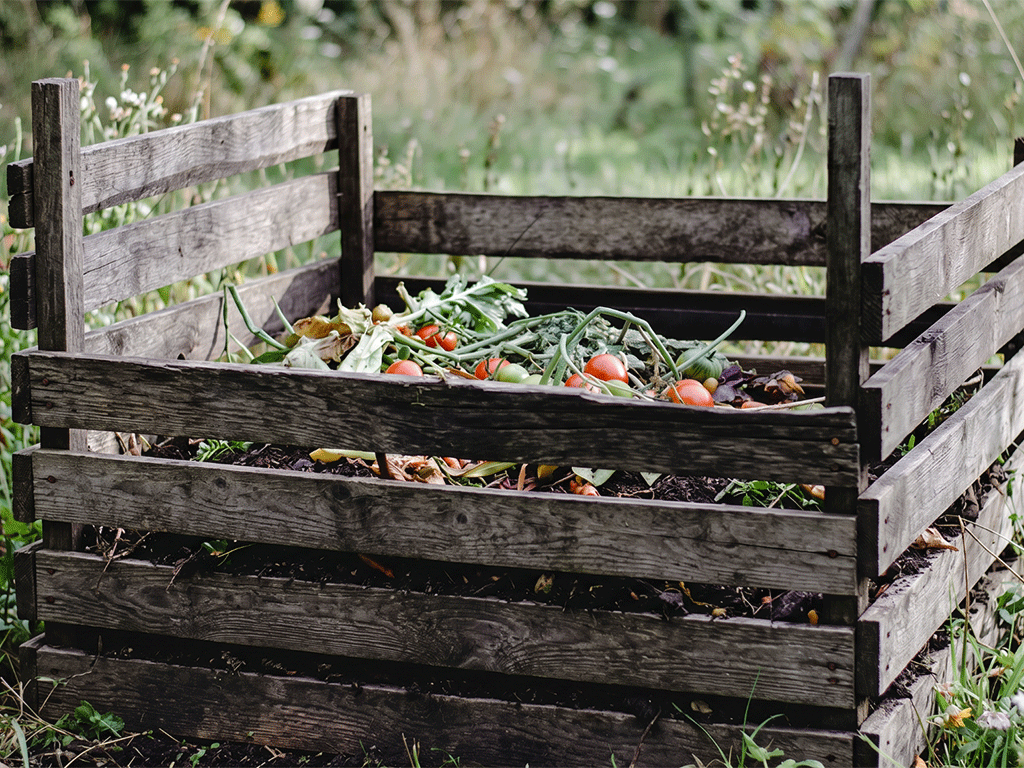
It also connects well with waste reduction goals. Composting can help keep more waste out of landfill. This is one reason compostable packaging is often seen as a stronger sustainability option.
But there are limits. Many compostable materials need industrial composting conditions, and not every market has access to that. So the packaging only works as intended when the right disposal system is available.
This is why the full packaging structure matters. A coffee bag may include more than one material, plus features like printing, zippers, or valves. So before choosing compostable packaging, coffee roasters need to make sure the whole pack supports the claim and that customers know how to dispose of it.
How to Choose the Right Sustainable Packaging for Your Coffee Business
The right choice depends on how the packaging will be thrown away, not just how the claim sounds. Both biodegradable and compostable coffee packaging may look sustainable, but they do not work the same way after use.
Start with local disposal options. If your market has access to composting facilities, compostable packaging may be a good choice. If not, the claim may sound better than the real result. So the packaging should match the waste system your customers can actually use.
You also need to look at the full pack. A coffee bag may include layers, printing, a valve, or a zipper. So the best option is the one that protects the coffee and supports a clear end-of-life claim.
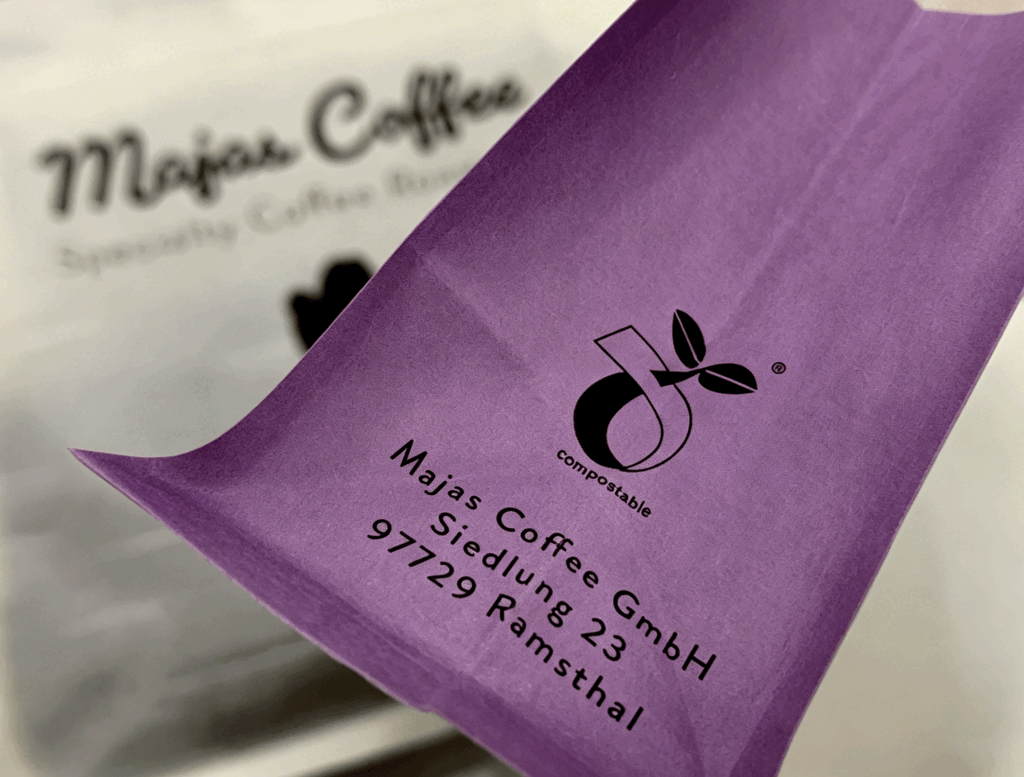
Majas Coffee is one example of a roaster using compostable packaging. It shows that this format works best when material choice, pack structure, and disposal conditions are considered together.
Clear labeling matters as much as material choice. Customers need simple disposal guidance, and coffee brands need packaging claims they can stand behind. At YamiPak Coffee, we offer a range of compostable and biodegradable packaging solutions to meet different business needs, including kraft paper, rice paper, and polylactic acid (PLA), a plant-based material made from starchy crops.
FAQ
Is compostable packaging the same as biodegradable packaging?
No. Compostable packaging is biodegradable under defined composting conditions and standards. Biodegradable is a broader term and says less by itself.
Can compostable coffee packaging go in home compost?
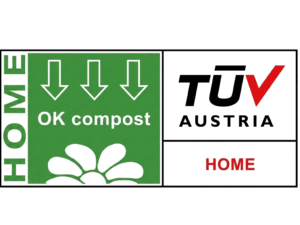
Not always. Many products are industrially compostable only. Home-compost claims need specific certification, not just a compostable label.
Is biodegradable vs compostable coffee packaging just a labeling issue?
No. It affects disposal, compliance, and customer instructions. The wrong claim can confuse users and weaken real waste outcomes
Share This Story, Choose Your Platform!

Chris Li
Chris Li is the Marketing Director at YamiPak coffee, with over 10 years of experience in packaging and printing. Passionate about sustainable solutions and innovative design, Chris helps brands create impactful packaging that leaves a lasting impression.