
Coffee Bag Design Tips for Small Roasters
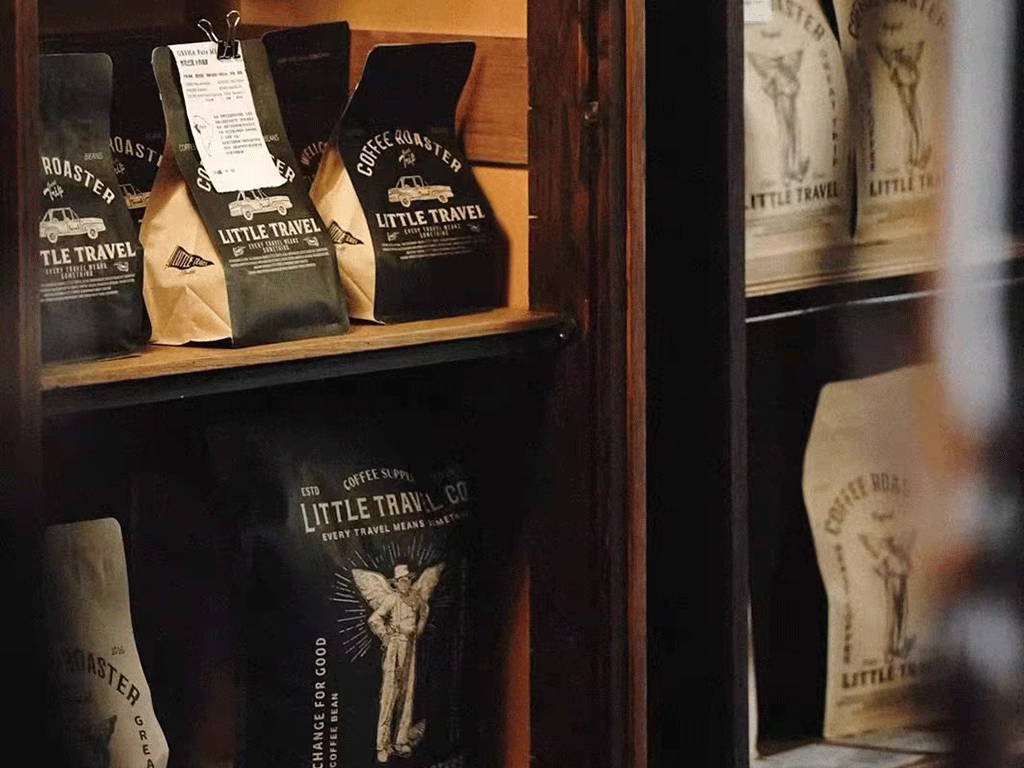
For small and growing coffee roasters, packaging is often one of the first serious branding decisions they make. A coffee bag does more than protect freshness. It communicates quality, positioning, and attention to detail before the customer tastes the product. On crowded retail shelves and in online stores, visual consistency and material choices directly influence how a brand is perceived.
However, limited budgets and small production runs can make packaging decisions more complex. Roasters must balance cost, practicality, and brand presentation without overcomplicating production. Clear systems help. Instead of redesigning every release, small brands benefit from structured coffee bag design tips that focus on visual consistency, readable information, and production methods suited to smaller volumes. When treated as a compact brand platform rather than a simple container, the bag becomes a strategic tool. The following coffee bag design tips outline practical approaches that help small roasters strengthen brand identity while maintaining efficiency and sustainability.
Choosing the Right Coffee Bag Material
Material selection is the first step in effective coffee bag design. The right material protects beans from oxygen, moisture, and heat. It also communicates quality to your customers. Small roasters need to balance cost, quality, and performance when choosing materials.
Paper bags with a thin polymer lining offer a natural look and moderate protection. They are affordable and easy to print. Many small roasters use them for custom designs and labels. These bags support simple branding without high costs.
High-barrier plastics, like LDPE or PLA, provide stronger protection. They block oxygen and moisture more effectively. LDPE is flexible and works well with custom printing. PLA is plant-based and eco-friendly. Both materials help maintain freshness for longer periods. Choosing the right one depends on your brand goals and production scale.
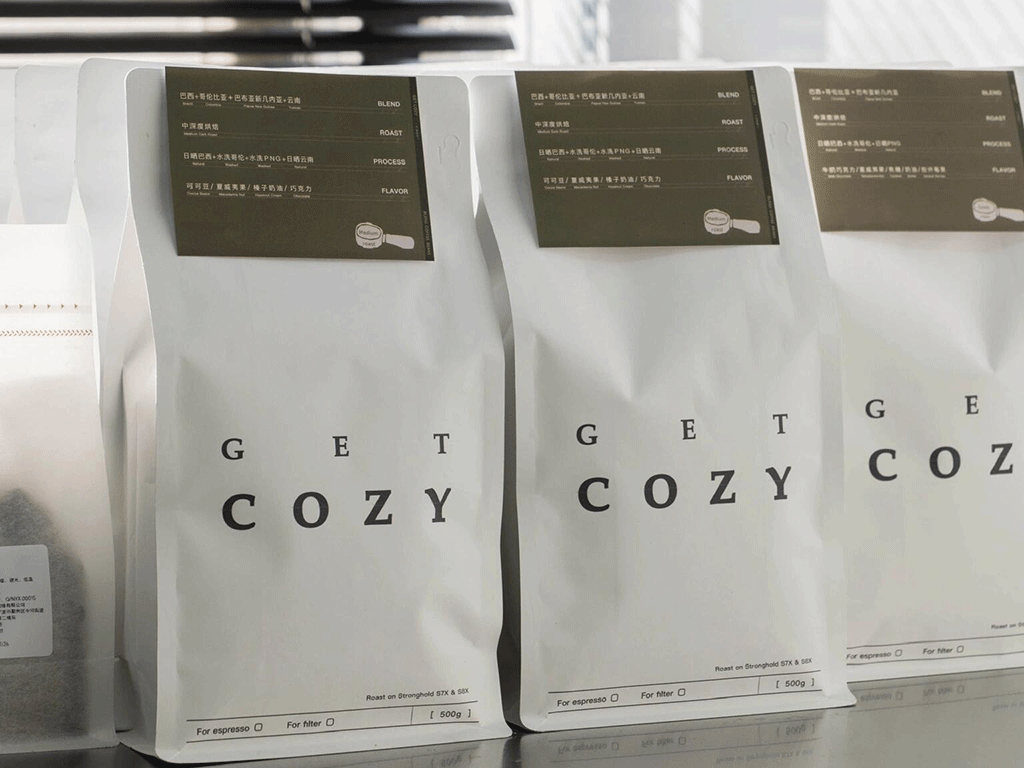
When selecting coffee bag materials, consider functionality, perception, and balance between cost, quality, and performance. A bag that protects coffee and feels substantial reflects care and attention. Customers notice these details immediately. Smart material choices turn the bag into part of the coffee experience. This is a key step in applying coffee bag design tips for small roasters.
Create a Strong and Consistent Visual Identity
A strong identity starts with a repeatable system, not a one-off design. Build a simple color palette with one hero color, one neutral, and one accent for limited releases or alerts. This structure keeps retail displays, product photos, and social content visually aligned without extra effort. Research on digital brand identity shows that consistent visual signals support recognition and strengthen brand performance over time. These coffee bag design tips work best when the system is defined first and variations follow clear rules.
Choose fonts that remain legible at arm’s length and on mobile screens. Use one typeface family for headings and one for supporting details. Standardize sizes for origin, process, and roast date to prevent layout inconsistencies. To distinguish batches, introduce a small changeable element such as a color strip or icon. Keep the core layout stable so customers quickly recognize your visual language.
Consider usability when designing your coffee bags. Aligning and spacing information consistently helps customers quickly scan key details like origin, roast date, and tasting notes. Small visual cues, such as icons or color markers for batches, support recognition without cluttering the design. Think about how the bag looks on shelves, in photos, or in the customer’s hand. Combining these usability considerations with your core visual identity ensures packaging communicates quality and strengthens brand perception.
Decide between labels and direct printing based on volume and risk tolerance. Labels provide flexibility for frequent menu changes. Direct printing delivers a cleaner look at scale but increases exposure if artwork changes often. Many small roasters reduce cost by printing a master design and updating batch details separately.
Finally, apply hierarchy with intention. Ipsos research shows that 72% of consumers say packaging design influences purchase decisions. Clear structure improves scanning speed, reduces friction, and reinforces brand credibility.
Designing Sustainable Coffee Bags with Coffee Bag Design Tips
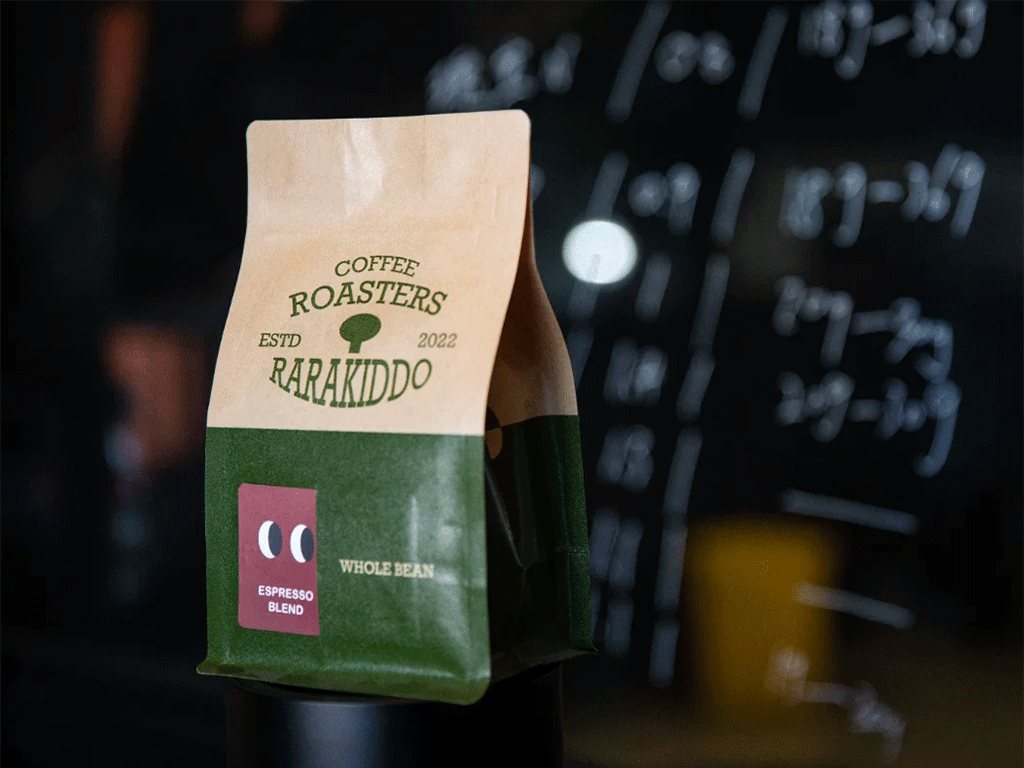
Consumers now expect sustainability in packaging, especially for specialty coffee. Surveys show that around two-thirds of coffee drinkers prefer products with recyclable or responsibly sourced packaging. This highlights that your coffee bag design can influence trust even before the first sip. These coffee bag design tips help small roasters make sustainability visible without cluttering the design.
Recyclable cues and clear messaging also affect repeat purchases. Research on European coffee consumers indicates that nearly half of buyers are more likely to repurchase coffee packaged in environmentally friendly bags. Conversely, unclear or wasteful packaging can make consumers hesitate, potentially losing loyal customers.
Design clarity matters. Place sustainability information in a dedicated block, provide specific disposal instructions, and avoid vague claims. Maintain a clean front panel to keep the bag looking premium. By combining clear messaging and thoughtful materials, these coffee bag design tips help small roasters align with consumer values while keeping the design attractive and functional.
At YamiPak Coffee, we offer flexible, eco-friendly packaging for small coffee roasters. Options include kraft paper with optional linings and LDPE bags, all compatible with digital printing to highlight your brand. Low minimum orders make custom packaging accessible, and practical features—like easy-tear notches, valves, and finish options—ensure your bags perform on shelves and in photos. These coffee bag design tips can become real, shippable packaging that combines style, functionality, and sustainability.
Contact YamiPak Coffee for custom coffee bags based on these coffee bag design tips for small coffee roasters.
Share This Story, Choose Your Platform!

Chris Li
Chris Li is the Marketing Director at YamiPak coffee, with over 10 years of experience in packaging and printing. Passionate about sustainable solutions and innovative design, Chris helps brands create impactful packaging that leaves a lasting impression.
 Rough Matte in Coffee Packaging: Why Coffee Brands Prefer It?