Disposable Iced Coffee Cups: A Simple Guide for Café Owners
Iced coffee sales keep growing in many coffee shops, but choosing disposable iced coffee cups still feels messy and stressful. Wrong cups waste money and can ruin the drinking experience. Disposable iced coffee cups do more than hold a drink, the environmental impact of single-use coffee cups. When you choose the right material, size, and design, they keep drinks pleasant, fit your workflow, and support your sustainability goals without hurting your budget.
Material, size, finish, and design all matter, and they work best when they match your menu and your customers instead of coming from a random pick in a long catalogue page.
Understand Materials for Disposable Iced Coffee Cups
Many cafés grab “whatever clear cup is cheapest” and hope for the best. That choice can lead to sweaty hands, flat-looking drinks, or cups that do not match your brand values.
The material of a disposable iced coffee cup affects clarity, insulation, hand feel, and end-of-life options. Most cold drink cups today use PET, PP, or coated paper, and each one suits a different type of menu and sustainability plan.
Main materials you will see
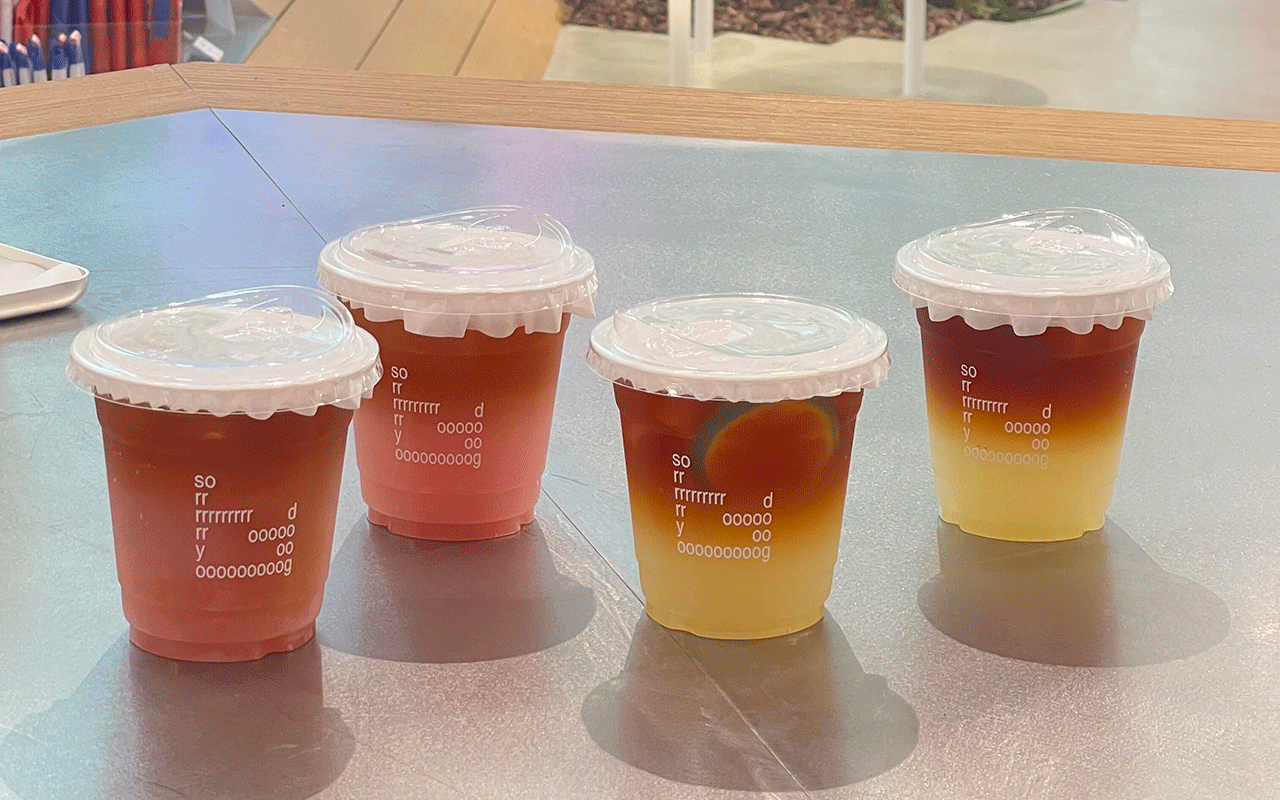
The three most common materials for iced coffee cups are PET plastic, PP plastic, and coated paper. PET plastic looks very clear and glossy. It gives a premium feel and makes drink layers easy to see. The wall is stiff and many cities can recycle clean PET cups together with other #1 plastic items.
PP plastic looks slightly cloudy and feels more flexible in the hand. It is tough and often a bit cheaper than PET. Many lids and straws also use PP, so it can simplify sourcing. However, not every local recycling system accepts PP cups, so you need to check with your waste partner before you rely on that claim.
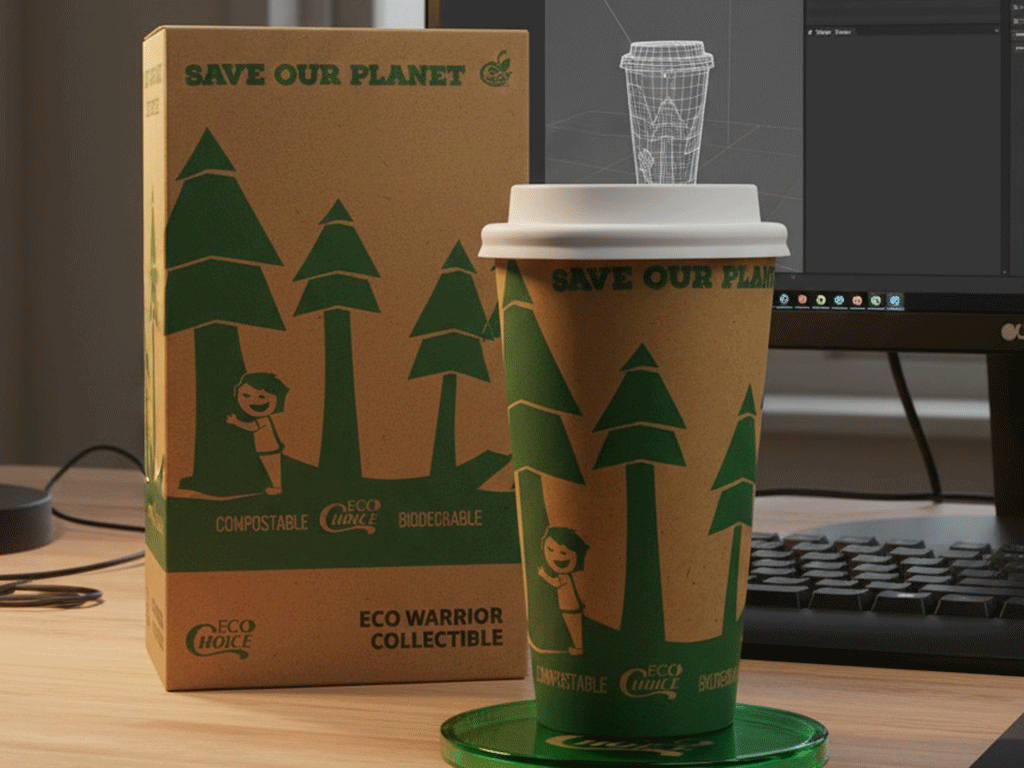
Coated paper is very different from both plastics. It has an opaque, “eco” look and feels warm and natural. Many cafés like it because it looks less like plastic. To handle ice and condensation, paper cups need a plastic or bio-plastic lining. That lining protects the wall but can make recycling harder unless your local system is set up to handle this kind of cup and other sustainable packaging choices. In some places, coated paper cups must go to special paper recycling or composting streams instead of normal bins.
Most disposable iced coffee cups use PET or PP because they are light, strong, and easy to shape. PET works well when you want crystal-clear layers for cold brew, milk, and ice. PP works when you care more about cost and toughness than a “glass-like” look. Coated paper is a good choice when you want a softer feel and a more natural image, and when you have a clear plan for how to collect and process the used cups.
Pick the Right Size and Shape for Iced Coffee Cups
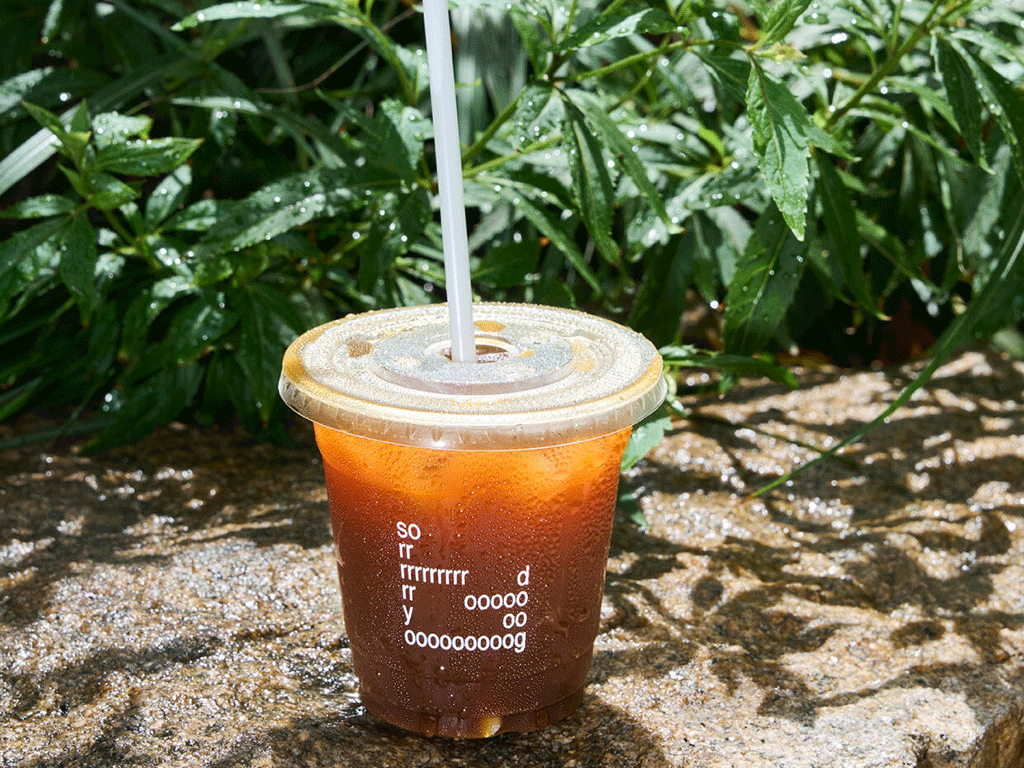
Many cafés use only one or two cup sizes and force every iced drink to fit. That can break recipes, melt ice too fast, and confuse staff during a rush.
Cup size and shape should follow your drink recipes, not the other way around. When you match volume to your standard ice and coffee ratio, you keep taste consistent and make pouring fast and repeatable.
Match cup sizes to real drinks
Start with the drinks you actually sell: iced espresso drinks, cold brew, flavored lattes, or fruit sodas. For each drink, note three things:
- Shot count or brew volume
- Milk or water volume
- Ice level you want in the cup
Then choose cup sizes that work with these recipes without constant guesswork. For example, a 12 oz cup works well for iced cortados or strong concentrate drinks. A 16 oz cup fits most iced lattes. A 20–22 oz cup suits “large” cold brew or drinks with extra toppings.
A cup that is too big pushes staff to add extra milk or syrup to “fill the space”. That raises cost and can make drinks taste weak. A cup that is too small leads to spilled ice and rushed changes to recipes. When cup volume and recipe fit together, staff can pour by habit and still hit the same flavour every time.
Choose the right lid and plan for busy days
For iced coffee cups, the lid matters almost as much as the cup. Flat lids work well for simple iced coffee with only ice and liquid. Dome lids suit drinks with whipped cream, foam, or fruit pieces because they give more headroom. Whatever style you choose, test the fit with your main cup sizes and straws. The lid should snap on firmly, not leak when the cup tilts a little, and not crack when staff press it down in a hurry.
It also helps to plan cup and lid stock before the busy season. Look at sales from past warm months, or note which sizes move fastest during hot weeks. Order enough cups and lids for those popular sizes so you are not forced to switch sizes in the middle of a rush. Good stock planning keeps service smooth, protects your drink recipes, and avoids last-minute emergency orders at higher cost.
Simple Design for Disposable Iced Coffee Cups

It is tempting to treat iced coffee cups as tiny billboards and cover every panel with graphics. That often makes the cup look busy and hides the details that actually help customers.
Design works best when it makes your cups easy to recognise and easy to understand. A clear logo, a simple colour palette, and a small block of helpful text usually beat a crowded layout.
Keep design simple and practical
For most shops, one clear logo on the front is enough. Use one or two brand colours and let the drink do the rest. Clear cups already show coffee, milk, and ice, so heavy patterns are rarely needed. For opaque cups, a simple background with a small repeated shape is usually enough.
Skip long text on the front. People see shape, colour, and logo first. If your name is easy to read, they can look you up later, and clean designs also look better in photos.
If you need more information, keep it on the side or back: a short note about disposal, a few simple icons, and maybe a small web address or QR code. Make sure the contrast is strong so the text stays readable.
Design cannot fix a weak cup or a bad material choice. First choose the right cup and lid, then add artwork that supports those choices. When design stays simple and practical, iced coffee cups feel clear and easy to use.
Disposable Iced Coffee Cups in Practice
Disposable iced coffee cups look simple, but they touch almost everything in a café: drink quality, speed on bar, and how much single-use cup waste you send out the door. When material, size, lid, and design all match your menu and your values, you get more than a nice photo. You get consistent drinks, smoother service, and customers who feel comfortable with what they are holding.
YamiPak Coffee supplies disposable coffee cups, sleeves, and lids with custom printing options and a focus on practical, more sustainable packaging choices. If you want to explore custom iced coffee cups or a full coffee packaging range that fits your brand and your service, you can reach out to the YamiPak Coffee team for support and samples.
THINK COFFEE BAG, THINK YAMIPAK
Key Takeaways for Disposable Iced Coffee Cups
Choose material, size, lid, and design together so iced coffee stays consistent, easy to serve, and simple to dispose of.
Clear PET or PP cups work best for most iced coffee menus, while any “eco” option should match real local recycling or composting systems.
Simple, practical designs with a clear logo and short helpful text make cups easier to recognise, easier to sort, and better for daily café use.
Share This Story, Choose Your Platform!

Chris Li
Chris Li is the Marketing Director at YamiPak coffee, with over 10 years of experience in packaging and printing. Passionate about sustainable solutions and innovative design, Chris helps brands create impactful packaging that leaves a lasting impression.