
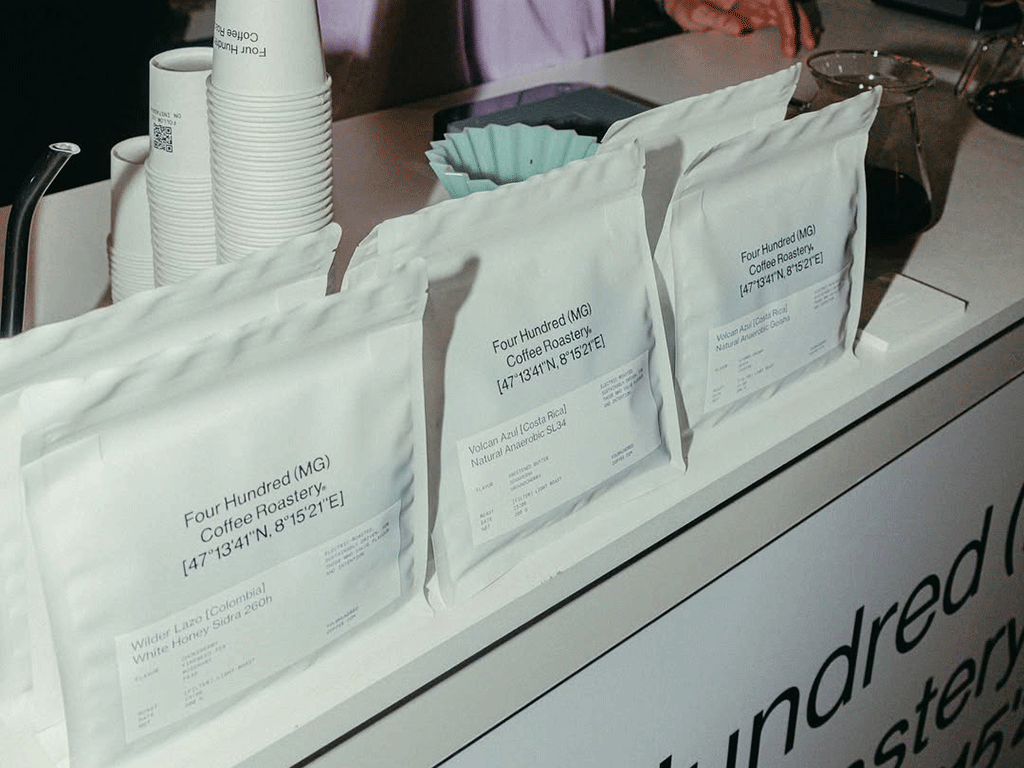
Rough Matte in Coffee Packaging: Why Coffee Brands Prefer It?
As specialty coffee brands continue to expand globally, custom coffee packaging has become a central driver of brand differentiation. In today’s competitive market, packaging is no longer just a protective layer. It shapes customer perception, retail visibility, and online presentation. For roasters investing in premium positioning, selecting the right surface finish for coffee bags is now as important as choosing high-quality materials and print techniques.
Among the available options, rough matte has emerged as a popular surface finish in custom coffee packaging. Compared with glossy finishes, rough matte absorbs light, reduces glare, and creates a softer, more refined appearance. This tactile and visual quality aligns closely with specialty coffee values such as craftsmanship, authenticity, and sustainability. As a result, it has become an increasingly preferred choice for modern specialty coffee packaging design.
To better understand why rough matte finishes are widely used in custom coffee packaging bags, it is important to examine both their visual appeal and functional advantages.
Understanding Surface Finishes in Coffee Packaging
In packaging manufacturing, surface finishing refers to an additional coating applied to the outer layer of a bag or box. This coating protects printed graphics and ink from abrasion while also shaping how the packaging looks and feels.
Rough matte belongs to a category of low-gloss coatings designed to reduce reflection while introducing subtle texture. Surface finishes can vary widely, each bringing distinct visual and tactile qualities.
Glossy finishes are highly reflective and intensify color vibrancy, helping designs stand out in crowded retail environments. Standard matte reduces glare and creates a subtle, understated appearance. Haptic matte, often described as soft-touch, introduces a velvety texture that enhances sensory interaction and communicates a premium feel. Rough matte, by contrast, diffuses light through its textured surface, creating a crafted and natural impression that aligns closely with specialty coffee positioning.
Beyond aesthetics, surface finishes also influence functional performance. Textured coatings can affect how labels and stickers adhere, sometimes requiring stronger adhesives or optimized laminate combinations such as PET/PE to maintain label integrity. Finish selection may also impact photography and digital presentation. Low-gloss and textured surfaces reduce glare under studio lighting or smartphone cameras, helping brands maintain visual consistency across e-commerce and social media platforms.
From a consumer perspective, surface texture plays a significant role in perceived quality. Research in sensory marketing suggests that tactile finishes often communicate premium and environmentally responsible signals. When a consumer handles a textured coffee bag, the material becomes part of the product experience rather than simply a protective layer.
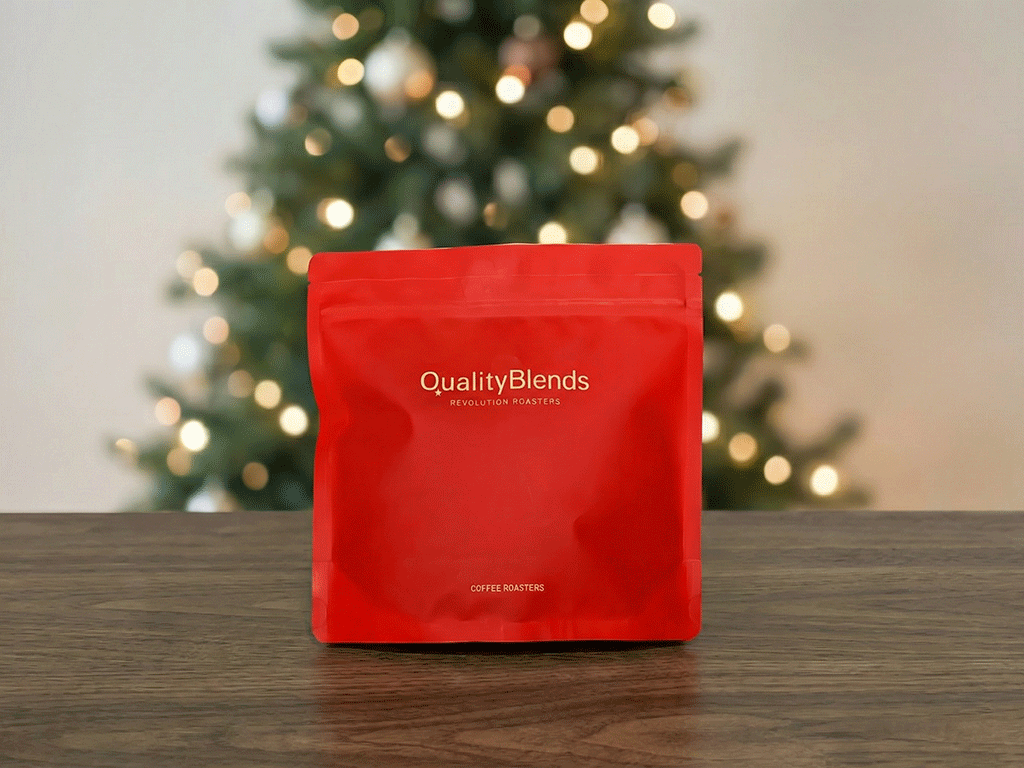
This approach can also be observed in the market. Brands such as Quality Blends combine recyclable material substrates with rough matte surface finishes. The low-gloss, textured coating enhances tactile engagement while allowing the recyclable material itself to communicate environmental responsibility in a refined and understated way.
Why Rough Matte Is a Popular Surface Finish for Custom Coffee Packaging
The growth of specialty coffee plays a major role in this trend. The global specialty coffee market continues expanding at roughly 7.5% CAGR, and packaging has become a key differentiation tool. Industry surveys suggest that more than 60% of roasters now treat packaging design as a strategic driver of customer loyalty rather than simple protection.
Rough matte works well because it visually matches the philosophy of modern coffee brands. Glossy packaging emphasizes brightness and retail impact, but specialty coffee focuses on origin stories, sustainability, and craft roasting. A low-reflection surface feels calmer and more natural, which reinforces those values immediately.
Another reason lies in digital marketing. Coffee brands now rely heavily on social media imagery. Highly reflective packaging creates glare under studio lighting or smartphone cameras, which complicates photography. Rough matte absorbs light and produces consistent images without heavy editing. This helps brands maintain visual consistency across websites, online shops, and social platforms.
Consumer psychology also supports the shift. Studies show that matte textures are often perceived as more premium than glossy ones. Texture communicates quality subconsciously before customers read tasting notes or origin information. When customers hold a textured bag, the tactile feedback strengthens perceived value, making the packaging part of the sensory journey rather than a passive container.
Pros and Cons of Rough Matte
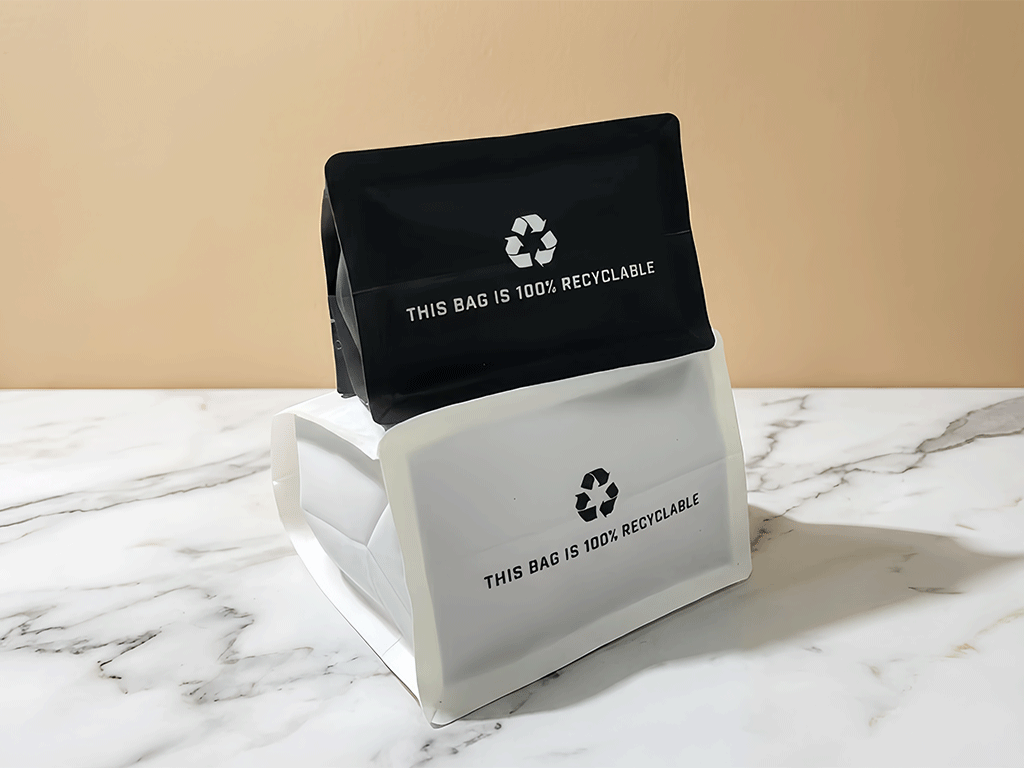
One major advantage of rough matte lies in its impact on brand perception. This finish creates a refined and understated appearance that aligns naturally with specialty coffee positioning. It helps reduce visible fingerprints and minor scratches, allowing packaging to maintain a clean and premium look throughout transportation and retail display. At the same time, the soft diffusion of light improves the readability of typography and highlights subtle design elements without overwhelming the overall visual balance.
However, rough matte also presents several practical considerations. Matte coatings generally have lower surface energy, which means standard labels may not adhere as strongly unless compatible adhesives or optimized material structures are selected. In addition, highly textured finishes can slightly soften color vibrancy compared with glossy laminations. For brands that rely heavily on bold or high-contrast graphics, this characteristic should be evaluated during the design stage.
From a marketing perspective, the benefits often outweigh these limitations. A textured matte surface minimizes reflections, making product photography easier and more consistent under different lighting conditions. Cleaner images support internal marketing efforts and help brands present a cohesive visual identity online. This advantage also encourages consumers to share product photos on social media, increasing organic exposure and strengthening brand recognition.
At YamiPak Coffee, we recognize the importance of providing high-quality, aesthetically refined, and sustainable coffee packaging solutions.Our solutions emphasize sustainability as well as design quality. Coffee boxes are made from recycled paperboard, while coffee bags are available in kraft paper, rice paper, or multilayer LDPE structures lined with eco-friendly PLA. We also provide customization options such as spot UV, embossing, debossing, and foil stamping, enabling brands to achieve distinctive packaging that reflects specialty coffee values.
Contact Yamipak Coffee to learn more or request a customised quote.
Share This Story, Choose Your Platform!

Chris Li
Chris Li is the Marketing Director at YamiPak coffee, with over 10 years of experience in packaging and printing. Passionate about sustainable solutions and innovative design, Chris helps brands create impactful packaging that leaves a lasting impression.
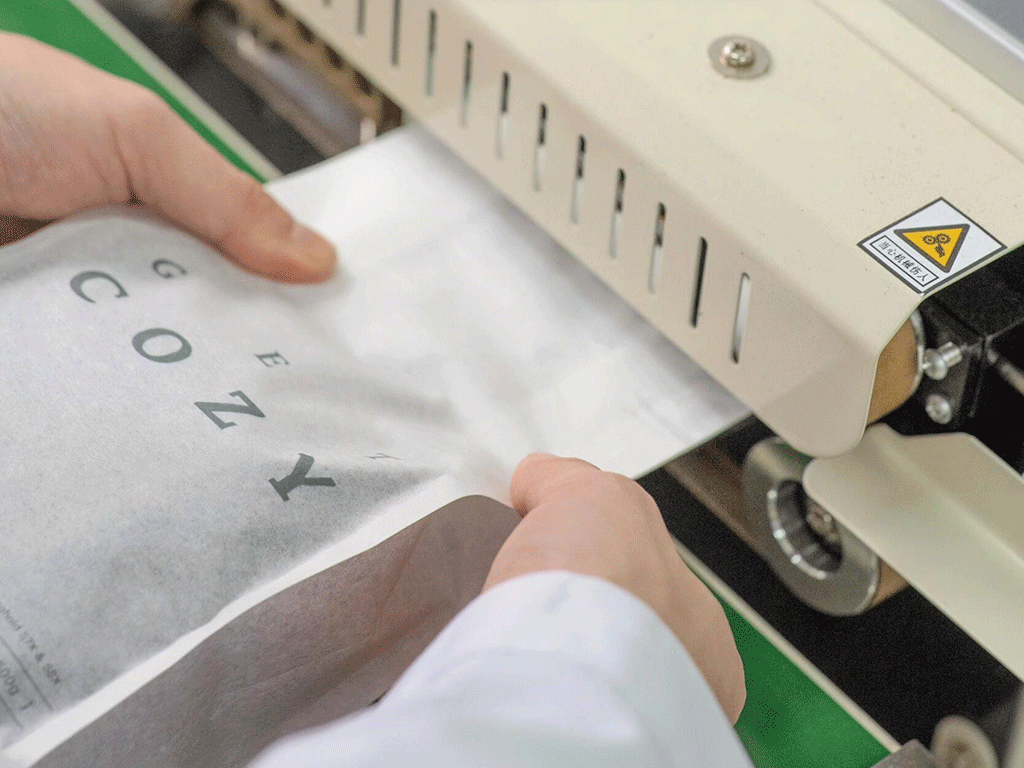 Recyclable Rice Paper Coffee Bags for Sustainable Coffee Brands