Why Is the 12oz Coffee Bag So Popular in the U.S.?
In the global specialty coffee market, the U.S. shows a striking consistency: the 12oz coffee bag reigns supreme. It’s become so common that one might assume it’s just an industry standard — but the reasons behind its dominance go far deeper than habit.
If you’ve ever browsed a coffee shop’s website or shelves in the U.S., you’ll likely find that 12oz is the default packaging size. But why 12oz — and not 250g, a full pound (16oz), or smaller formats?
This article explores the technical, psychological, logistical, and cultural reasons behind the widespread popularity of the 12oz coffee bag in the American market.
Capacity Units: Imperial Meets Specialty Coffee
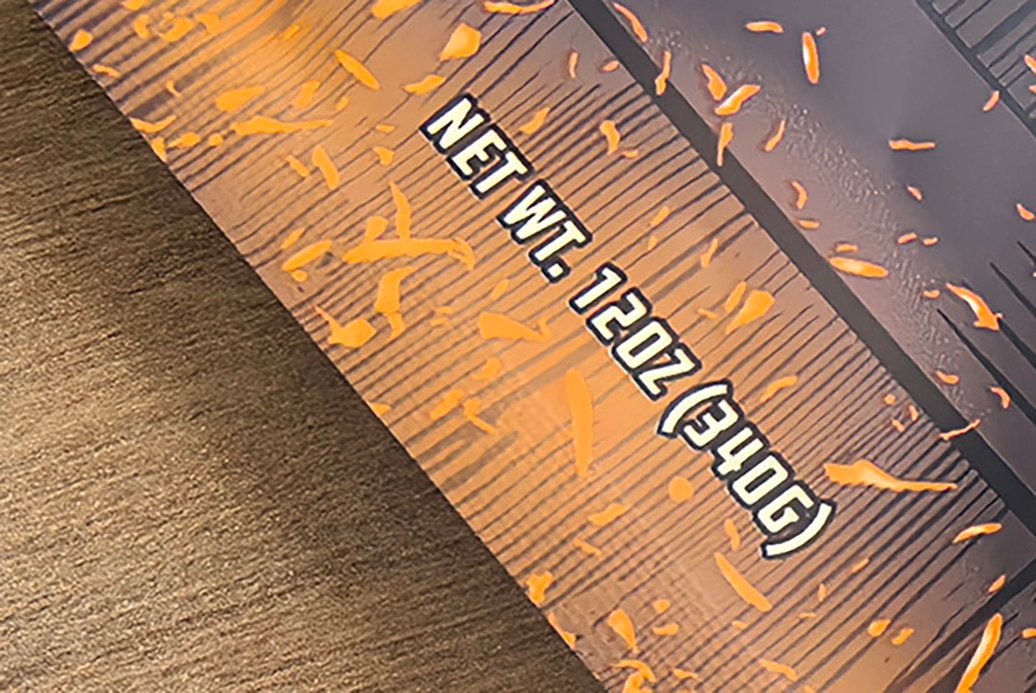
One core reason for the prominence of the 12oz bag lies in measurement conventions. Unlike many regions that use the metric system, the United States primarily uses imperial units. A 12oz coffee bag translates to approximately 340 grams, making it slightly larger than the standard 250g size popular in Europe and many parts of Asia.
While 250g might be the default in markets like Germany or Japan, the American consumer often equates greater weight with better value. A 12oz bag, when placed next to a 250g bag, appears more generous — even though the difference is relatively minor.
Yet, it’s not just about appearing bigger. The 12oz size reflects both historical roasting practices and a practical alignment with American consumer expectations and behavior.
Why the 12oz Coffee Bag Format Works So Well
1. Consumer Psychology: Perceived as “Just Right”
From a behavioral economics standpoint, 12oz lands in a psychological sweet spot. It appears generous without feeling excessive. To consumers used to shopping by ounce, it feels like a fair amount for a weekly coffee supply.
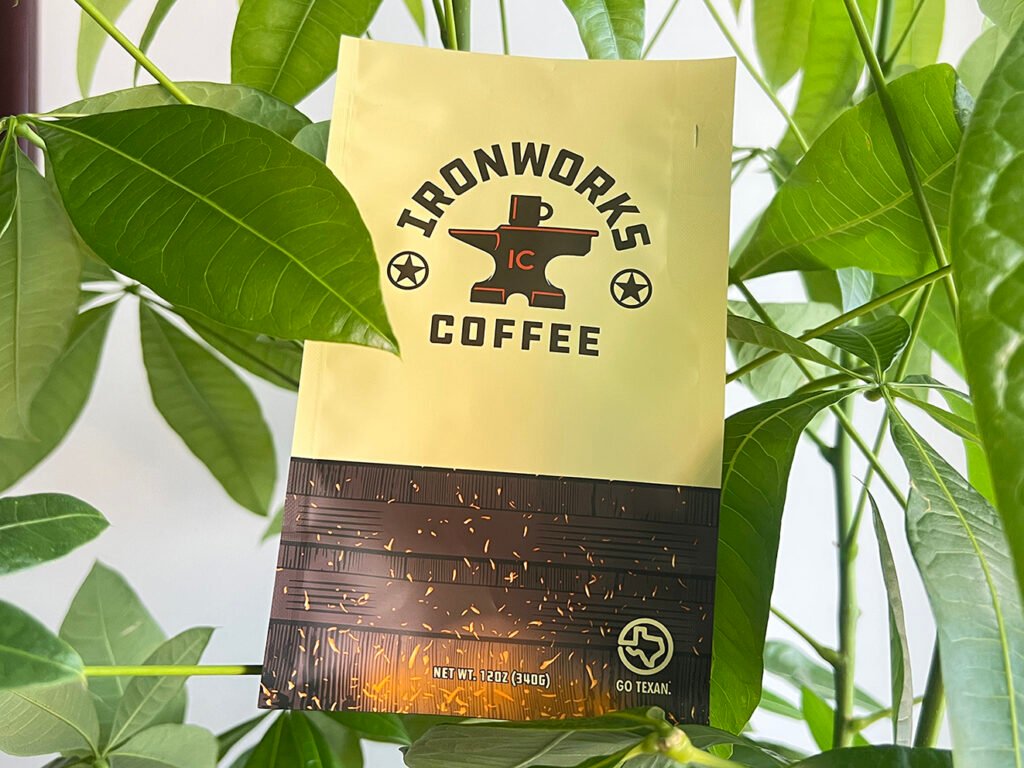
It’s also a size that fits neatly into most consumers’ mental models of value. A 250g bag might seem small or “foreign,” while a full 1lb (16oz) bag could feel too expensive or overwhelming. Twelve ounces, on the other hand, looks balanced — more than 250g but not as costly as a full pound.
This perception is reinforced by price anchoring. Specialty coffee in a 12oz format can comfortably be priced between $14–22 — a range that feels premium but still accessible to the average consumer.
Moreover, this size subtly communicates freshness. It suggests that the coffee is intended to be consumed relatively quickly, reinforcing quality cues around roast date, flavor peak, and aroma retention.
2. Roasting and Production Efficiency
The 12oz format also makes life easier for coffee roasters. For starters, it aligns well with green-to-roasted coffee conversion. When a roaster processes one pound (16oz) of green coffee, it typically yields between 12 to 13oz of roasted coffee due to moisture loss during roasting.
This natural alignment allows roasters to plan batch sizes more precisely and minimize waste. In an industry where margins can be tight and green coffee prices fluctuate, this efficiency is critical.
It also simplifies quality control workflows. Many roasters calibrate their roasting profiles, cupping sessions, and batch tests around outputs that comfortably yield three or four 12oz bags per roast. This predictability enhances consistency across batches and reduces inventory imbalances.
Moreover, during the COVID-19 lockdowns, many roasters transitioned from wholesale to direct-to-consumer sales. The 12oz retail bag became the go-to format — compact enough for easy fulfillment, yet large enough to provide meaningful volume per shipment.
3. Shelf Presence and Design Benefits
From a packaging design and retail display standpoint, 12oz bags offer unique advantages. They’re tall enough to accommodate impactful branding, origin notes, tasting cards, and other visual cues — all without being bulky.
Whether standing upright on shelves or featured in e-commerce product images, 12oz bags provide a high-visibility profile that shorter, 250g bags might lack. They also fit neatly into standard-sized shipping boxes and subscription kits, enhancing both aesthetic consistency and logistical efficiency.
Design-wise, the proportions of a 12oz bag allow for harmonious label placement. Roasters can balance storytelling and minimalism without compromising space for regulatory or traceability information. From Dieline-worthy aesthetics to efficient packing, the 12oz bag bridges both form and function.
4. Pricing Strategy and Market Flexibility
As green coffee prices continue to rise, many roasters find it difficult to keep retail prices stable if they continue offering full-pound bags. Shrinking the volume slightly — from 16oz to 12oz — allows roasters to maintain an accessible price point while preserving margins.
This strategy mirrors similar trends in other food and beverage industries, where slightly reducing volume helps control pricing without deterring customers. In this case, the 12oz size acts as a buffer, keeping specialty coffee within consumers’ psychological price thresholds.
The $14–22 range is where many premium buyers are willing to spend, and 12oz bags allow roasters to stay competitive without undervaluing their product.
This flexibility also empowers brands to experiment with limited editions and microlots. Rather than committing to a full-pound SKU, a 12oz coffee bag lets consumers test something new at a lower price threshold, encouraging trial without diluting brand positioning.
5. Aligns with Weekly Consumption Patterns
One of the simplest reasons for the 12oz bag’s popularity is that it matches consumption patterns. A typical American household will go through a 12oz bag in one to two weeks, depending on their coffee habits.
Assuming each 10g (approx. 0.37oz) scoop makes one 8oz cup of coffee, a 12oz bag yields roughly 32–34 cups. For someone drinking 2 cups per day, that’s just over two weeks of coffee. For heavier users, it’s about one week.
This timeframe is ideal for preserving freshness. Coffee, like any perishable product, loses its vibrancy over time. The 12oz size strikes a balance between providing enough volume while still encouraging rotation — reducing the chances of stale coffee sitting unused.
Online Sales and Subscription Models Fuel the Trend
The rise of online coffee sales and subscription services has further entrenched the 12oz format. For businesses that operate DTC (direct-to-consumer), the 12oz bag offers predictable weight and volume — ideal for standardized packaging, fulfillment, and postage.
It fits neatly into USPS flat-rate boxes and envelopes, reducing shipping costs and simplifying logistics. With subscription services, consumers often receive a fresh 12oz coffee bag every one or two weeks — syncing perfectly with consumption rhythms.
This size also supports inventory rotation, batch roasting, and SKU management on the business side. Roasters don’t have to commit to massive quantities, making it easier to feature limited editions, seasonal releases, or single-origin experiments.
The giftability of a 12oz bag is also worth noting. As a present, it’s perceived as generous but not excessive, making it a popular choice for holidays, corporate gifts, or coffee samplers. Its portability, aesthetic appeal, and symbolic “premium” size reinforce its suitability across multiple e-commerce use cases.
Moreover, this shorter shelf cycle taps into consumer curiosity and experimentation. With less product to commit to, consumers are more willing to try different origins or roasters.
In subscription models, this size is particularly powerful. It supports biweekly fulfillment cycles, aligns with freshness guarantees, and simplifies planning for both roasters and customers.
Industry Momentum of 12oz Coffee Bags
As more roasters standardize around 12oz, it becomes increasingly difficult for new players to buck the trend. Consumers come to expect 12oz coffee bags, and alternative formats may introduce confusion or resistance.
This feedback loop extends into the supply chain. Packaging suppliers, label printers, and sealing equipment manufacturers all optimize for the 12oz standard. Molds, dies, and bag materials are produced in bulk to accommodate this common format, making it both cost-effective and widely available.
For automated filling lines and weigh-fill machinery, the 12oz specification is often pre-programmed, reducing setup costs and improving production efficiency. Likewise, pre-printed label templates, heat-seal bar widths, and even zippered reclosure mechanisms are most commonly calibrated for the 12oz footprint.
In short, 12oz has become the industry default. It’s not only a consumer preference but also a deeply embedded element of the specialty coffee ecosystem.
12oz Coffee Bag vs. Other Formats: A Quick Comparison
| Format | Approx Weight | Consumer Perception | Roaster Benefits |
| 250g | 8.8oz | Small, light, possibly foreign | Lower perceived value, less design space |
| 12oz | 340g | Just right — “weekly bag” | Optimal for pricing, roasting, and design |
| 1lb (16oz) | 454g | High-value, bulk buy | Higher COGS, potentially intimidating to casual buyers |
A Strategic Choice: Packaging as Brand Communication
The choice of coffee bag size is more than a logistical decision — it’s a brand positioning tool. Selecting 12oz doesn’t just cater to convenience; it communicates freshness, value, design, and cultural fluency.
For brands operating in the U.S., aligning with this expectation is often a smart move. But for those targeting international markets, understanding local norms (such as 250g in the EU or 200g in Japan) is equally critical.
At YamiPak, we understand that a coffee bag is more than a container — it’s a carefully curated canvas that reflects your brand values. That’s why we offer customizable packaging options tailored to market preferences, including flexible sizing that fits your production goals and customer expectations.
The Power of 12oz coffee bag
From consumer psychology and roasting yield to logistics and shelf appeal, the 12oz coffee bag format is more than a trend — it’s a solution crafted by years of trial, adaptation, and market feedback.
As the specialty coffee landscape continues to evolve, packaging decisions like these play a pivotal role in shaping the customer experience. Understanding why 12oz is so common helps brands make informed choices — and reinforces the idea that in coffee, every detail counts.
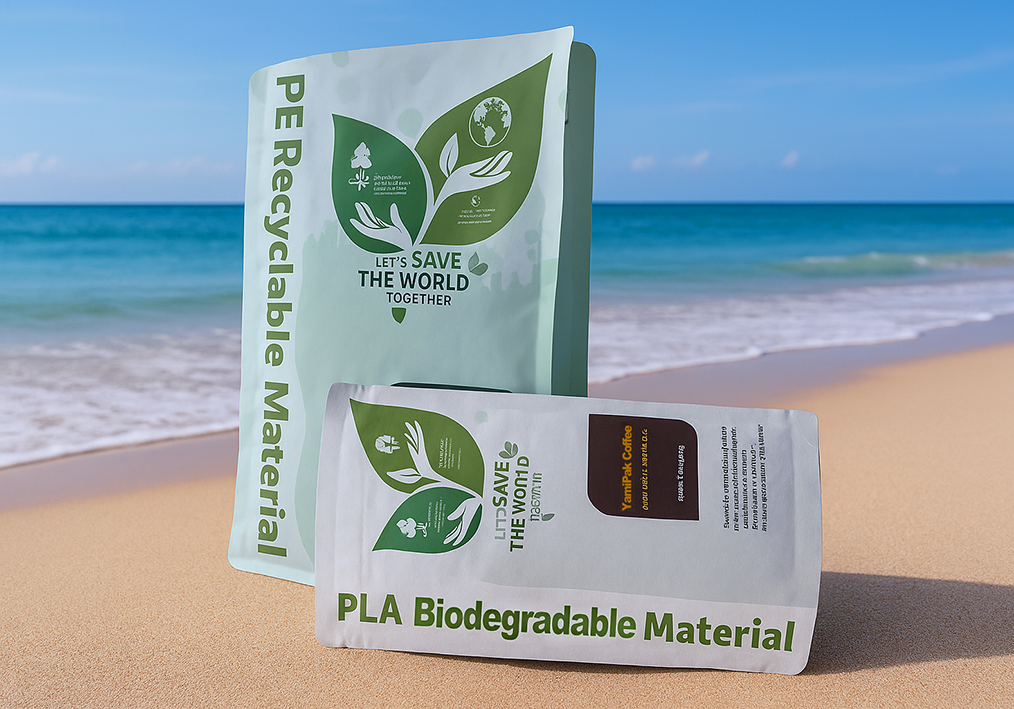
Yamipak Coffee offers solutions for brands that want to go green. We provide recyclable, compostable, and biodegradable coffee packaging. These options use natural materials, allowing brands to stay eco-friendly without sacrificing design or functionality.
Share This Story, Choose Your Platform!

Chris Li
Chris Li is the Marketing Director at YamiPak coffee, with over 10 years of experience in packaging and printing. Passionate about sustainable solutions and innovative design, Chris helps brands create impactful packaging that leaves a lasting impression.