

The Carbon Footprint of a Cup of Coffee
There’s a hidden cost to every cup of coffee you enjoy. We all know that coffee fuels our day, but few stop to consider the environmental cost behind it. Many people worry about climate change but overlook how everyday choices add up. Understanding carbon footprint in coffee is key to making smarter decisions and reducing emissions.
Many studies estimate a typical cup of black coffee produces 0.25–0.50 kg CO₂e from farm to cup. This article looks at the role of carbon dioxide in the coffee supply chain and ways brands and roasters can reduce emissions.
What Is the Carbon Footprint of Coffee?
Every product we consume leaves a carbon footprint, and coffee is no exception. A carbon footprint measures the total greenhouse gases released, usually expressed as carbon dioxide equivalent (CO₂e). For coffee, this includes emissions from growing the trees, processing the beans, transporting them, roasting, and finally brewing the cup. Understanding this footprint is important for producers and consumers who want to reduce environmental impact.
Coffee production is complex and resource-intensive. From planting and fertilising to harvesting, each step uses energy and produces greenhouse gases. Producing one kilogram of roasted coffee beans results in roughly 9.85 kg of CO₂e before it reaches a roaster. Small improvements in farming or transport can significantly reduce emissions along the supply chain.
A standard black coffee produces about 0.25–0.50 kg CO₂e per cup. Drinks with milk, like lattes or cappuccinos, generally have higher emissions because dairy production has a large carbon footprint. This shows why both ingredients and preparation methods matter when estimating total carbon impact.
Most emissions come from upstream activities, particularly coffee cultivation, fertiliser use, and land-use changes. Studies show that 40–80% of coffee’s total carbon footprint comes from the farming stage alone. Where and how beans are grown has a major influence on the overall footprint of each cup.
Overall, the carbon footprint of coffee is not fixed. It varies with farming methods, transport distance, brewing style, cup size, and added ingredients. Understanding these factors helps both producers and coffee lovers make choices that reduce greenhouse gas emissions from every cup they grow, transport, roast, and brew.
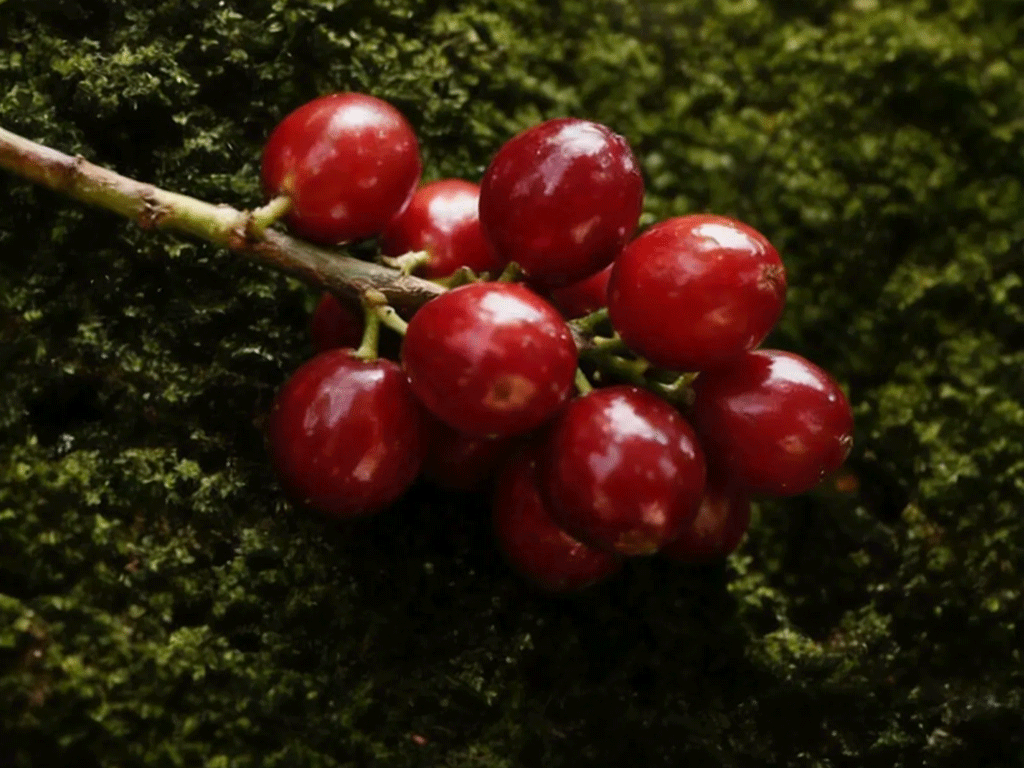
Carbon Emissions Across Every Stage of Coffee Production
Coffee’s journey from farm to cup involves many steps, and each contributes to its carbon footprint. Understanding these stages shows where emissions arise and where improvements are possible.
Cultivation and Farm Activities
Coffee cultivation is the most emission-intensive phase for the crop. Using fertilisers, pesticides, and heavy machinery releases significant greenhouse gases. In some life cycle assessments, cultivation accounts for more than half of the total emissions tied to coffee before roasting and transport.
Fertiliser use is especially impactful because it often releases nitrous oxide (N₂O), a greenhouse gas many times more potent than CO₂. This happens long before the beans leave the farm.
Processing, Drying, and Milling
After harvest, coffee cherries are processed to remove pulp and dried. These steps require energy and water, adding to emissions. Depending on the method and energy source, processing can contribute a noticeable share of total emissions.
Transportation and Logistics
Once beans are processed, they travel. Coffee is a globally traded commodity moved across oceans. Transport contributes emissions based on distance and mode – shipping emits less than air freight. Long logistics chains raise coffee’s carbon footprint further.
Roasting and Grinding
Roasting is energy-intensive because beans are heated to high temperatures. Roasters vary in efficiency, but roasting still adds to emissions. Grinding and packaging follow, with packaging materials themselves contributing a small part of the footprint.
Brewing and Consumption
Finally, making the brewed coffee releases emissions too. Whether boiling water on a stove or using an electric espresso machine influences the CO₂e. Brewing is often overlooked but is part of the full life cycle assessment.
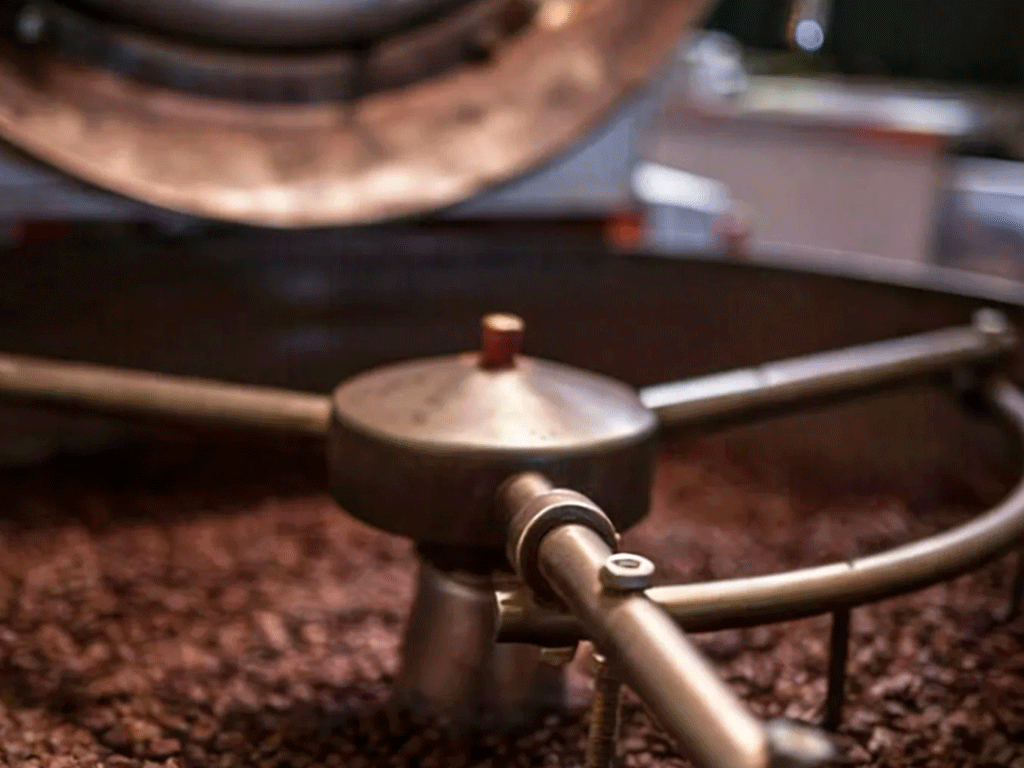
Cutting the Carbon Footprint of Coffee
Reducing coffee’s carbon footprint does not mean stopping coffee. It starts with smarter choices at each stage of the supply chain. Changing farming methods to sustainable practices can lower greenhouse gas emissions. Studies show that adjusting how coffee is grown, transported, and processed can cut emissions by up to 77% compared to conventional methods.
Growing beans under shade, using organic fertilisers, and avoiding deforestation reduces emissions from cultivation. Transport also matters – shipping beans by cargo ship instead of air freight lowers carbon output.
Roasters can improve energy efficiency and use renewable energy for roasting. Heat recovery systems reduce energy use and emissions. Brewing methods that save energy and time lower the carbon footprint of each cup. Using plant-based milk instead of dairy further reduces emissions, since dairy has a higher carbon cost.
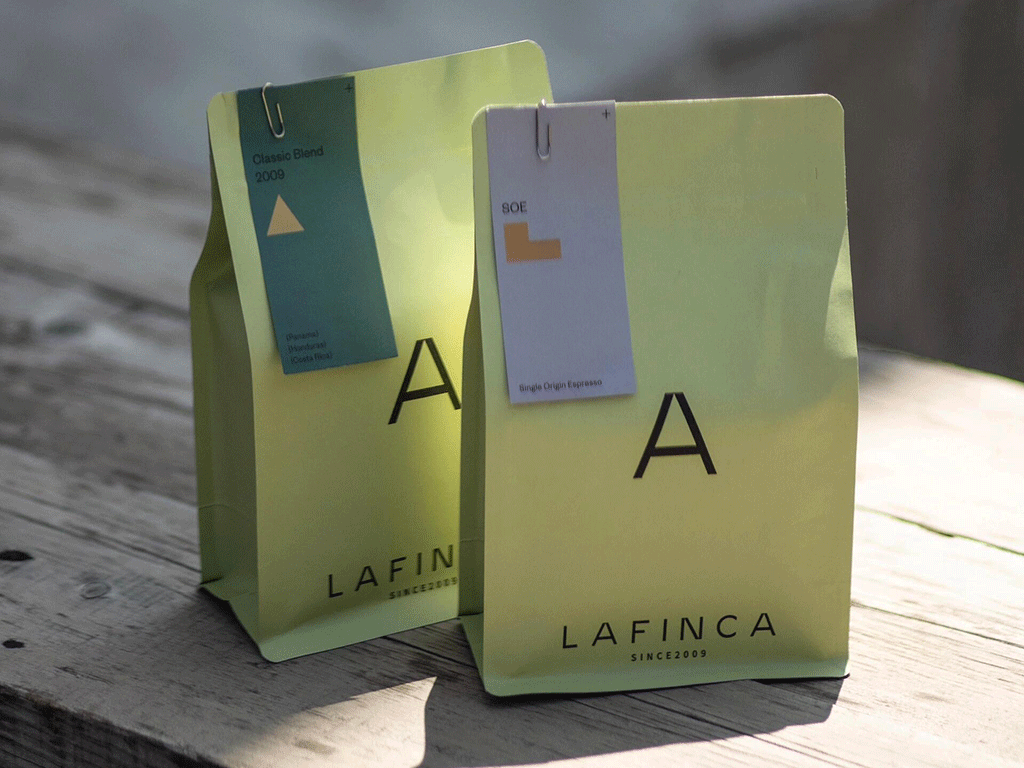
Packaging also contributes to coffee’s carbon footprint. Lightweight, recyclable materials lower emissions from production and disposal. Thoughtful packaging design makes a measurable difference. Life cycle assessments following ISO 14040 standards help businesses see which stages produce the most emissions and where to focus improvements.
Collaboration and Sustainable Actions
In the coffee industry, collaboration is key. Brands that commit to sustainability and emission tracking empower farmers, roasters, and retailers to innovate and lower the total environmental impact of coffee from farm to cup.
By taking simple, sustainable actions, like using fewer synthetic fertilisers on farms or switching to eco-friendly coffee packaging, all participants in the coffee supply chain can make a real difference. Each small step adds up, reducing emissions and protecting the environment.
At YamiPak Coffee, we provide a range of sustainable coffee packaging solutions that make it easy for roasters and café operators to act. Our compostable, recyclable, and biodegradable bags, along with fully recyclable degassing valves and water-based inks low in VOCs, help businesses reduce their carbon footprint without compromising quality.
FAQ
How much carbon dioxide does one cup of coffee produce?
A standard cup of black coffee emits around 0.25–0.50 kg of CO₂ equivalent, with espresso-based drinks sometimes producing more due to milk’s higher footprint.
Which part of coffee production emits the most greenhouse gases?
Most emissions occur during coffee cultivation on farms, often making up 40–80% of the total emissions before roasting and transport.
Can changing farming practices reduce coffee’s carbon footprint?
Yes. Using sustainable farming, shade-grown coffee, and reduced fertiliser use can cut emissions by as much as 77% compared to conventional methods.
Share This Story, Choose Your Platform!

Chris Li
Chris Li is the Marketing Director at YamiPak coffee, with over 10 years of experience in packaging and printing. Passionate about sustainable solutions and innovative design, Chris helps brands create impactful packaging that leaves a lasting impression.
 Cold Brew Coffee Trends You Need to Know