Guatemalan Coffee Guide for Roasters
Guatemalan coffee is produced in one of the key coffee-growing countries in Central America, where coffee plays an important role in agricultural exports. In recent years, the country has produced over 3 million 60-kg bags annually, with the vast majority consisting of high-grown Arabica cultivated in mountainous regions.
Guatemalan coffee is valued in specialty roasting for its balance, clarity, and regional diversity. Its structured profile and consistent processing make it suitable for both single origin offerings and blends.
However, these qualities can be diminished if roasting is not well controlled. Overdevelopment or flat profiles can reduce the clarity that defines the origin. This guide explains Guatemalan coffee, including its origin, flavor profile, and best roasting approach.
Key takeaways
- High altitude is a big part of Guatemala’s appeal because it supports density, sweetness, and better cup clarity.
- Regional differences matter because Antigua, Huehuetenango, and Atitlán do not give the same flavor profile in the cup.
- Light to medium roasting usually gives the best balance between acidity, sweetness, and body for this origin.
What is Guatemalan coffee?
Guatemalan coffee comes from one of the best known Arabica origins in Central America. It is valued for high elevation, clear regional identity, and a cup profile that can move from chocolate and nuts to citrus and floral notes, depending on where the coffee is grown and how it is roasted.
Origin and growing conditions
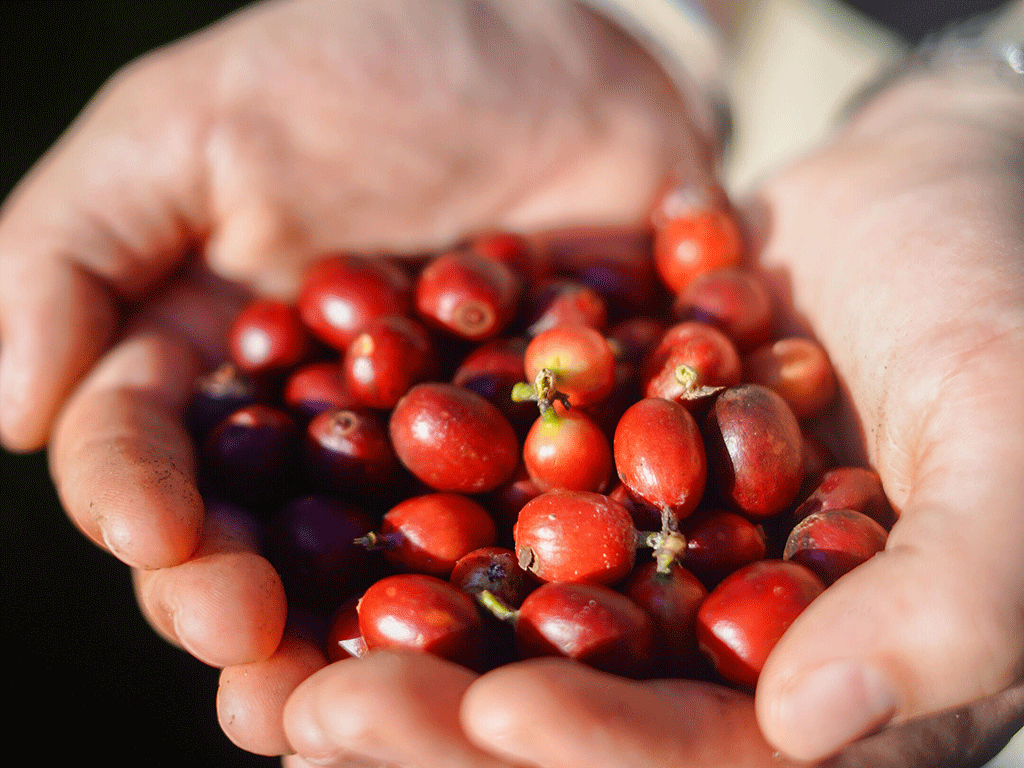
Coffee is grown across a large part of Guatemala, and Anacafé divides the country into eight main coffee regions. USDA projects Guatemala’s 2025/26 production at 3.54 million 60 kilogram bags, while Arabica still makes up about 98% of planted coffee area. That scale gives roasters a deep supply base, but the country still keeps strong regional detail.
Why altitude matters
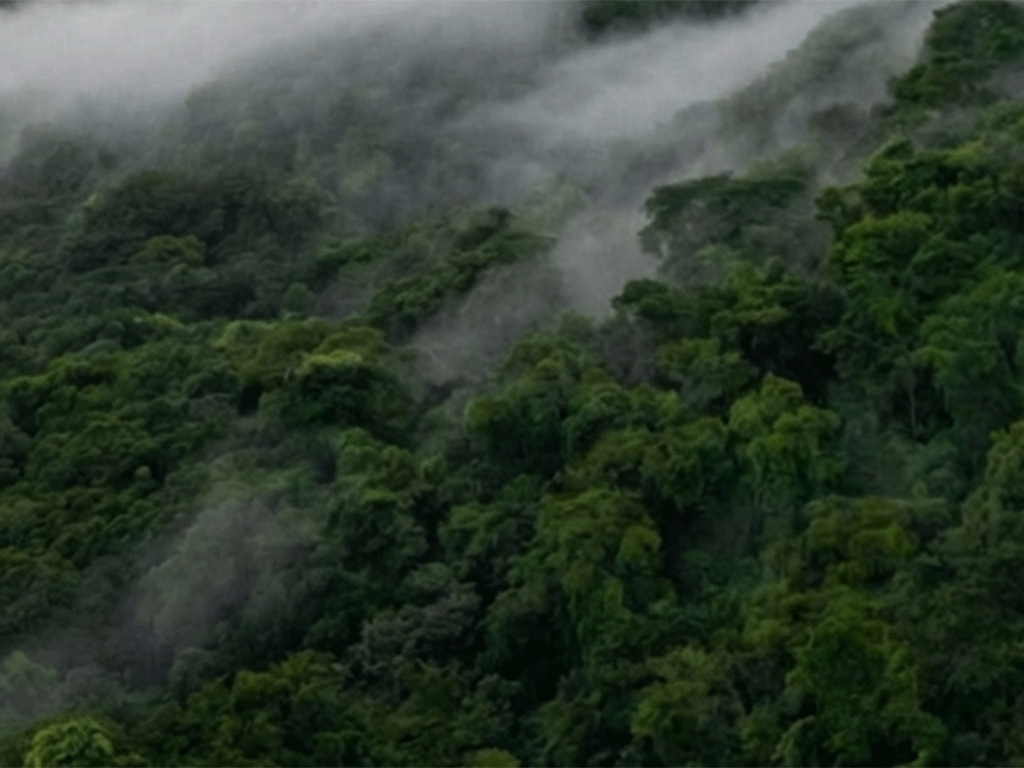
Altitude is one of the biggest quality markers here. Many well known lots grow from about 1,300 to 2,000 meters above sea level. Antigua often sits around 1,500 to 1,700 meters, while Highland Huehue can reach about 2,000 meters. At these heights, cherries mature more slowly, and the seeds usually become denser and harder.
Regions Varieties Processing
Well known regions include Antigua, Huehuetenango, and Atitlán, each with its own climate and cup style. Common varieties include Bourbon, Caturra, Typica, Pache, and Catuai. Much of Guatemala’s reputation in roasting comes from washed coffees, which help show sweetness, structure, and clean acidity with more clarity than many heavier processed profiles.
What does Guatemalan coffee taste like?
Guatemalan coffee is often described as balanced, sweet, and structured. Many roasters expect chocolate, caramel, nuts, and citrus, with enough acidity to keep the cup lively but not sharp. The body usually sits in the medium to full range, which helps the coffee feel complete across both filter and espresso menus.
Regional differences are a big reason the origin stays interesting. Antigua often leans toward chocolate, spice, and a round sweetness. Huehuetenango is better known for brighter acidity, fruit, and a more lifted finish. Atitlán can bring citrus, floral notes, and full body, so it often feels expressive without losing structure.
Roast level also changes what stands out most in the cup. Lighter roasts tend to keep more citrus, floral lift, and crisp acidity. Medium roasts usually push the profile toward cocoa, brown sugar, and a softer finish. That makes this origin useful for roasters who want one country that can cover several flavor directions without becoming confusing to customers.
Quality potential is another reason the flavor profile gets attention. In Guatemala’s 2025 Cup of Excellence, National Winner coffees started at 85 points, and the top ten lots reached 87 points and above. That does not mean every lot tastes the same, but it does show how much range and value the origin can offer when the coffee is well grown and well handled.
Why is Guatemalan coffee so popular among roasters?
Guatemalan coffee is popular among roasters because it is easy to understand and easy to position. The country has clear regional identities, familiar varieties, and a flavor profile that makes sense to both buyers and end customers. That makes it easier to build a menu, write product notes, and choose lots with a clear purpose.
Another reason is cup cleanliness. Guatemala built much of its specialty reputation on washed coffees, and that matters to roasters because washed profiles often show acidity, sweetness, and defects more clearly. A cleaner cup gives more control during evaluation, which helps when a roaster is building blends or comparing samples across suppliers.
High elevation also adds practical value in the roastery. Many lots are sold with SHB style grading cues, and buyers often use those cues as a quick sign of likely bean density and slower maturation. Dense beans usually respond well to careful heat application, which is one reason this origin often feels stable and rewarding in sample roasting and production roasting.
This origin is also flexible in sales terms. A brighter Huehue lot can work well as a seasonal filter coffee, while a sweeter Antigua or Oriente lot can sit comfortably in espresso or blends. World Coffee Research also lists Guatemala among the world’s leading coffee exporters, which helps explain why roasters return to it year after year for both quality and availability.
How should Guatemalan coffee be roasted?
Guatemalan coffee usually responds well to light to medium roasting because that range protects its best qualities. A lighter roast can show more citrus, floral notes, and sharper definition. A medium roast usually brings more chocolate, caramel, and a rounder finish. For most roasters, the goal is not to chase roast color. It is to keep sweetness, structure, and origin character in balance.
The first thing to respect is density. Many Guatemalan lots come from high elevations, so the beans often need stable energy early in the roast. Weak early heat can leave the center underdeveloped, even when the outside of the bean starts to look ready. Good momentum matters, but the roast should still stay controlled and even from start to finish.
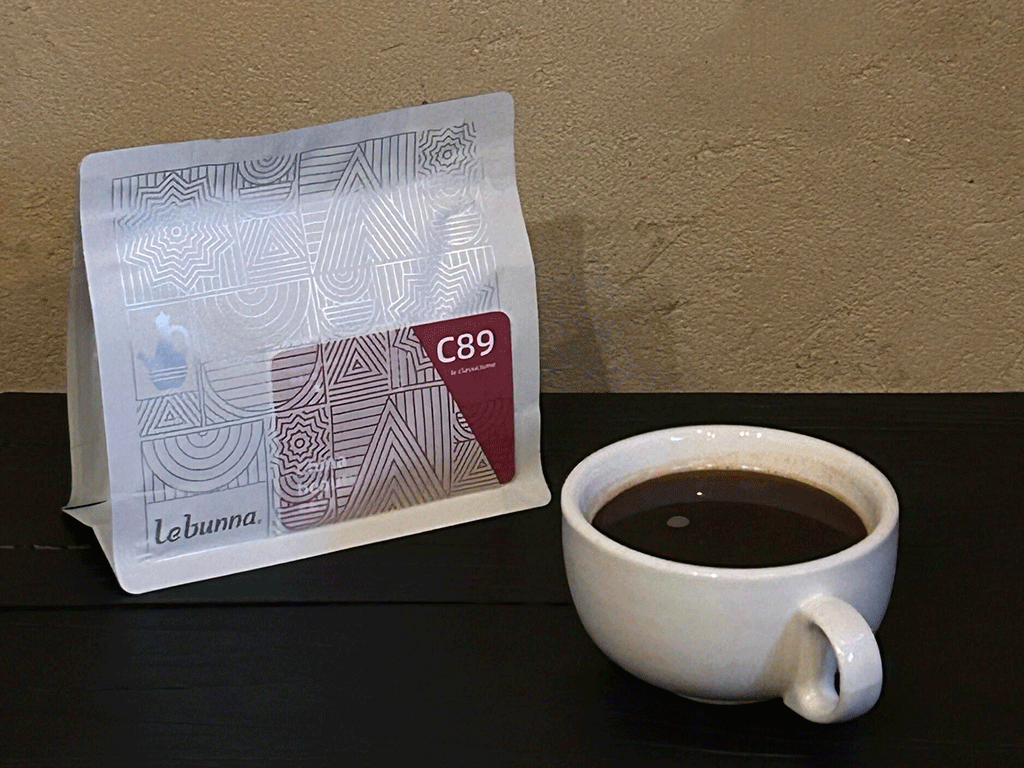
Roasters should also separate filter goals from espresso goals. Filter profiles often stay lighter to keep acidity, aroma, and regional detail more visible. Espresso usually benefits from a little more development because added sweetness and body help the coffee taste more complete under pressure. That does not mean every espresso lot should go darker. It means the roast should match the role.
One common mistake is overdevelopment. Sweet Maria’s notes that Guatemalan coffees can perform across a broad roast range, but too much development can flatten acidity and reduce sweetness. When that happens, the cup often tastes less lively and less clear, even if the roast looks safe on paper. This is why sample comparison matters more than habit.
Roast development shapes the final cup, while packaging plays a key role in how coffee is protected and presented throughout its journey to market.
At YamiPak Coffee, we provide roasters with a wide range of coffee packaging solutions, including kraft paper, rice paper, PLA, and LDPE coffee bags. Our recyclable, biodegradable, and compostable options, together with recyclable degassing valves and resealable zippers, are designed to help maintain freshness while improving functionality.
For more information on our coffee packaging solutions, contact the YamiPak Coffee team.
FAQ
What makes Guatemalan coffee special?
High altitude, strong regional variation, and clean cup structure make it stand out. It gives roasters both clarity and flexibility.
Is Guatemalan coffee acidic?
Yes, but usually in a clean and balanced way. It is more often bright than harsh, especially at lighter roast levels.
What roast level is best for Guatemalan coffee?
Light to medium is the safest starting point. That range usually keeps the best balance of sweetness, body, and origin detail.
Share This Story, Choose Your Platform!

Chris Li
Chris Li is the Marketing Director at YamiPak coffee, with over 10 years of experience in packaging and printing. Passionate about sustainable solutions and innovative design, Chris helps brands create impactful packaging that leaves a lasting impression.