Are coffee bag sleeves worth it for roasters
For coffee roasters, packaging is one of the first ways to make a coffee feel clear, finished, and ready for retail. But when the same bag needs to carry different origins, roast profiles, or seasonal releases, the design space can feel limited. One practical option is a coffee bag sleeve, where a paper or card band wraps around part of the coffee bag.
But are coffee bag sleeves worth the extra packaging step? They do add another component to the pack, but they can also give roasters more room for product details, create a stronger shelf look, and make small-batch coffees feel more complete without changing the whole bag.
To understand whether coffee bag sleeves make sense for your coffee packaging, it helps to look at what they are, what benefits they offer, and how recyclable they can be. This guide breaks down the key points roasters should consider before using this format.
What Is a Coffee Bag Sleeve?
A coffee bag sleeve is a paper or card cover placed around the outside of a coffee bag. It can be a belly band, a wrap-around sleeve, or a partial cover that sits across the bag body. It stays outside after filling, so roasters should treat it as a secondary packaging part.
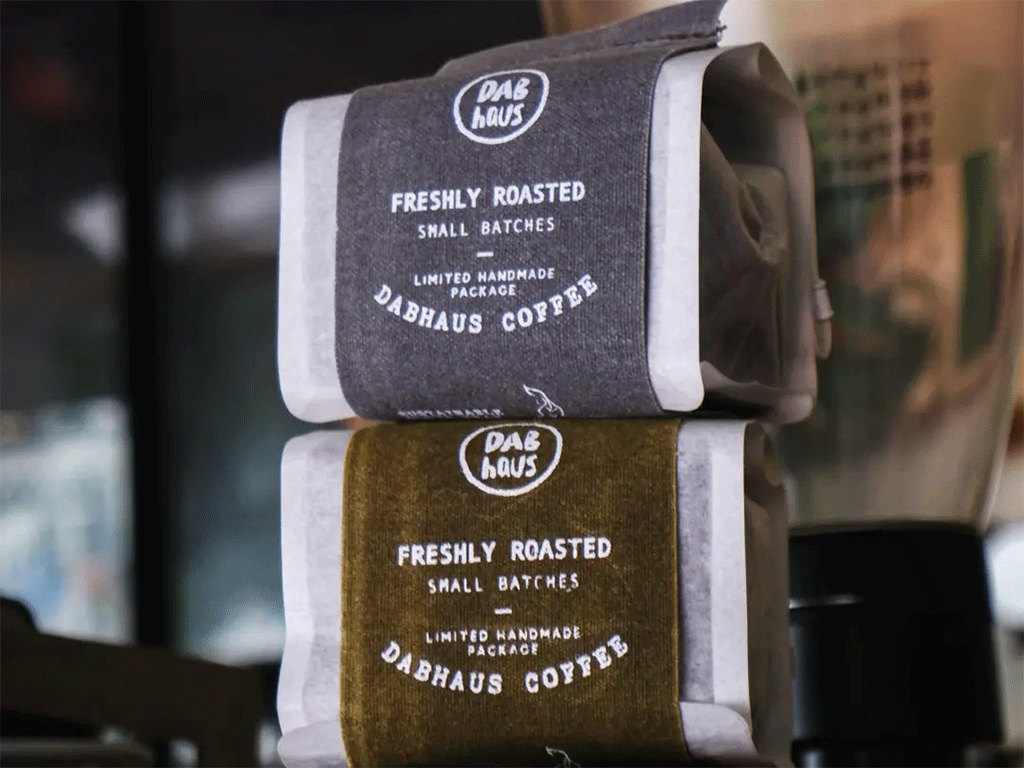
Coffee bag sleeves are not coffee bags themselves. They do not replace the main pouch, and they do not keep roasted coffee fresh by themselves.
The inner bag still does the technical work. Its valve helps roasted coffee release gas. Its zipper helps buyers close the bag after opening.
The barrier layer helps block oxygen, moisture, and outside smell. The sealing structure keeps the coffee closed during packing, shipping, storage, and retail display.
Coffee bag sleeves mainly help with display and information. Roasters can print the coffee name, origin, process, tasting notes, roast level, batch details, QR code, or campaign message.
They fit plain coffee bags, stock bags, kraft paper bags, and simple printed coffee bags. When the size fits well, the full pack looks more complete for retail use, not like a quick label added late.
What Are the Benefits of Coffee Bag Sleeves?
Coffee bag sleeves help roasters add space, organize product lines, and make small runs look complete. They work best when the base bag is simple, but the coffee needs clear front-facing details.
Many coffee bags look clean because they leave open space. That can feel premium, but it can also limit what roasters can say on the pack.
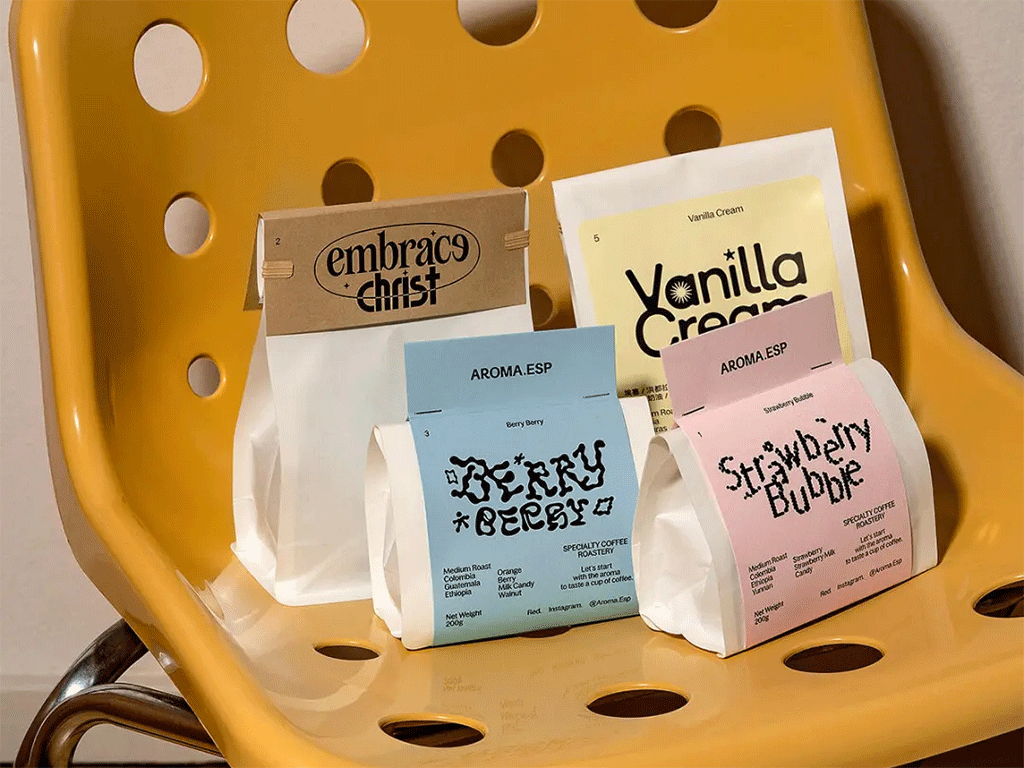
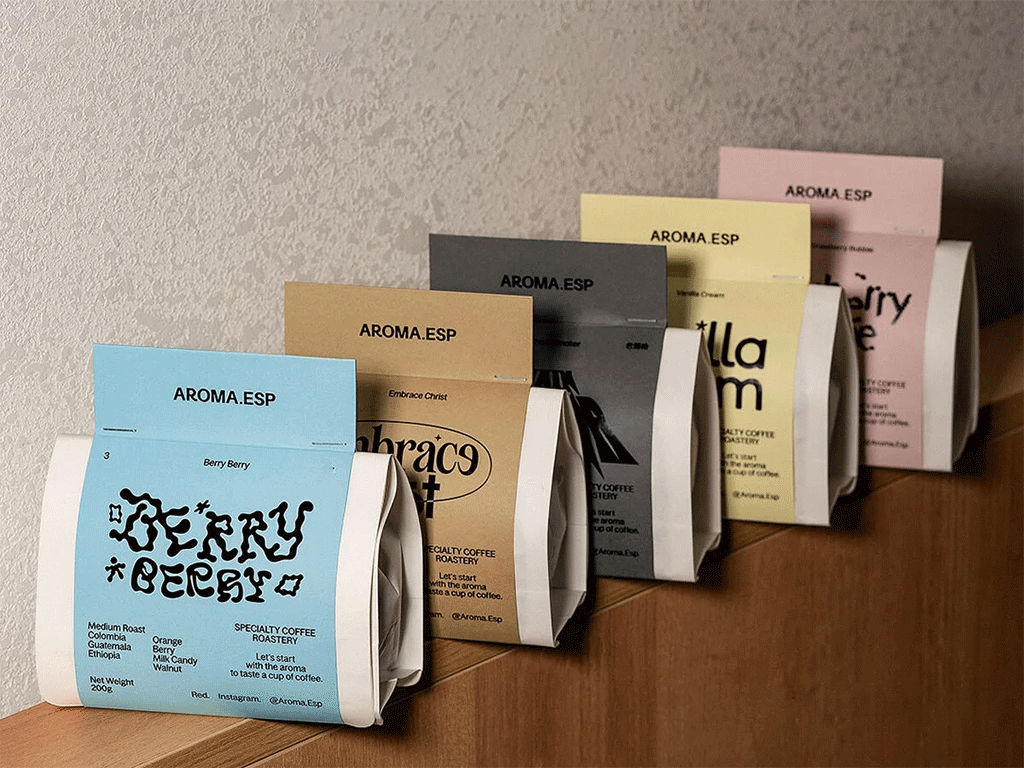
Coffee bag sleeves give roasters another surface for useful information. The main bag can stay simple, while the outer card carries origin, process, roast level, and tasting notes.
They also help buyers tell products apart faster. One base bag can use different covers for single origin, blend, decaf, seasonal coffee, or limited release.
This is useful for small-batch roasting. A roaster may not want to print a full custom bag for every micro-lot or short harvest window.
Coffee bag sleeves can make those smaller runs look planned. They feel more complete than a simple sticker when the design, size, and paper choice match the bag.
They also work well for gift sets, sample packs, subscription boxes, and coffee events. Matching covers can make several bags feel like one clear series.
Roasters also gain flexibility. When origin, process, tasting notes, or roast profile changes often, coffee bag sleeves can change faster than the whole coffee bag.
For coffee packaging, the benefit is control. Coffee bag sleeves help the pack explain the product clearly, while the inner pouch keeps doing the work of protecting the coffee.
Are Coffee Bag Sleeves Recyclable?
Coffee bag sleeves can be recyclable, but material decides the answer. Plain paperboard or card usually has a clearer recycling path than laminated, metallized, coated, or heavy-glue formats.
Roasters should look at the sleeve and the bag separately. A recyclable outer cover does not mean the whole coffee package can go into the same bin.
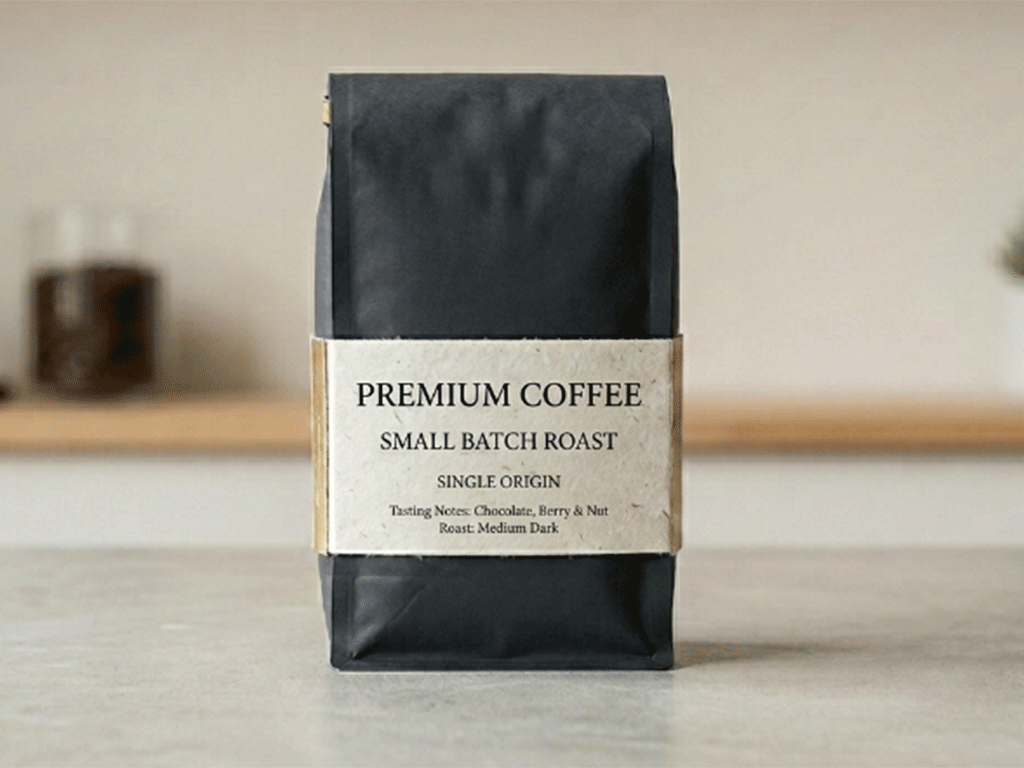
The inner coffee bag may use PE, PLA, foil laminate, kraft composite, or another barrier structure. These layers help protect coffee, but they can also change disposal options.
Surface finish also matters. Foil stamping, spot UV, plastic film, coating, large ink areas, and strong glue can affect sorting, pulping, or local acceptance.
So “paper” does not always mean recyclable. Before printing recyclable, plastic-free, or compostable, roasters should check the material structure, supplier notes, and local recycling rules.
A safer design keeps the structure simple. Use clean paper or card where it fits, reduce mixed finishes, avoid unclear claims, and add clear disposal wording for the removable sleeve.
At YamiPak Coffee, we offer coffee bag sleeves made from recyclable paper-based materials, such as cardboard and cardstock. We can also use low-VOC eco-friendly inks to print your design while supporting a more responsible packaging direction.
These sleeves can be paired with recyclable or compostable coffee bags made from materials such as kraft paper or rice paper, depending on the final bag structure and local disposal rules.
Roasters can customise the sleeve or bag by size, style, material, and print design. This helps the packaging fit the coffee, the shelf display, and the brand identity.
Contact the YamiPak Coffee team to learn more about custom-printed sleeves for coffee bags.
FAQ
What information should be on a coffee bag label?
Origin, process, roast date, roast level, tasting notes, weight, and batch details help buyers understand the coffee quickly.
Are paper coffee bags recyclable?
Only paper-only bags are usually simpler to recycle. Many coffee bags include barrier layers, so local rules still matter.
Why do coffee bags have valves?
Valves let roasted coffee release gas without letting too much outside air enter the sealed bag.
Share This Story, Choose Your Platform!

Chris Li
Chris Li is the Marketing Director at YamiPak coffee, with over 10 years of experience in packaging and printing. Passionate about sustainable solutions and innovative design, Chris helps brands create impactful packaging that leaves a lasting impression.