What Coffee Roasters Should Know About Coffee Packaging Printing
Coffee packaging printing matters because it shapes how a coffee bag looks, feels, and supports a roaster’s product range. For specialty coffee roasters, the right printing method can help packaging work across retail, wholesale, and online sales.
Custom coffee packaging printing is a process handled by your packaging manufacturer. With different printing methods and finishing options available, roasters can choose a solution that fits their design style, material choice, and product needs.
Before finalising coffee packaging, it helps to understand how each printing option works and where the main differences are. This can make it easier to choose a method that supports the coffee range, artwork, budget, and long-term packaging plan.
What Is Coffee Packaging Printing?
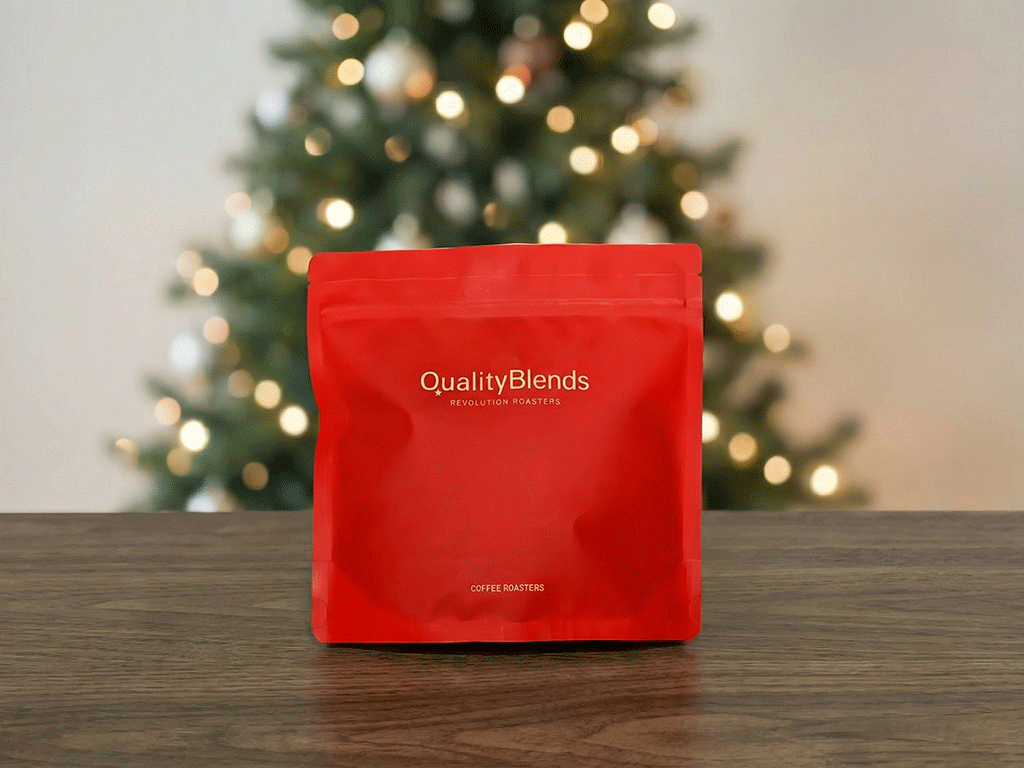
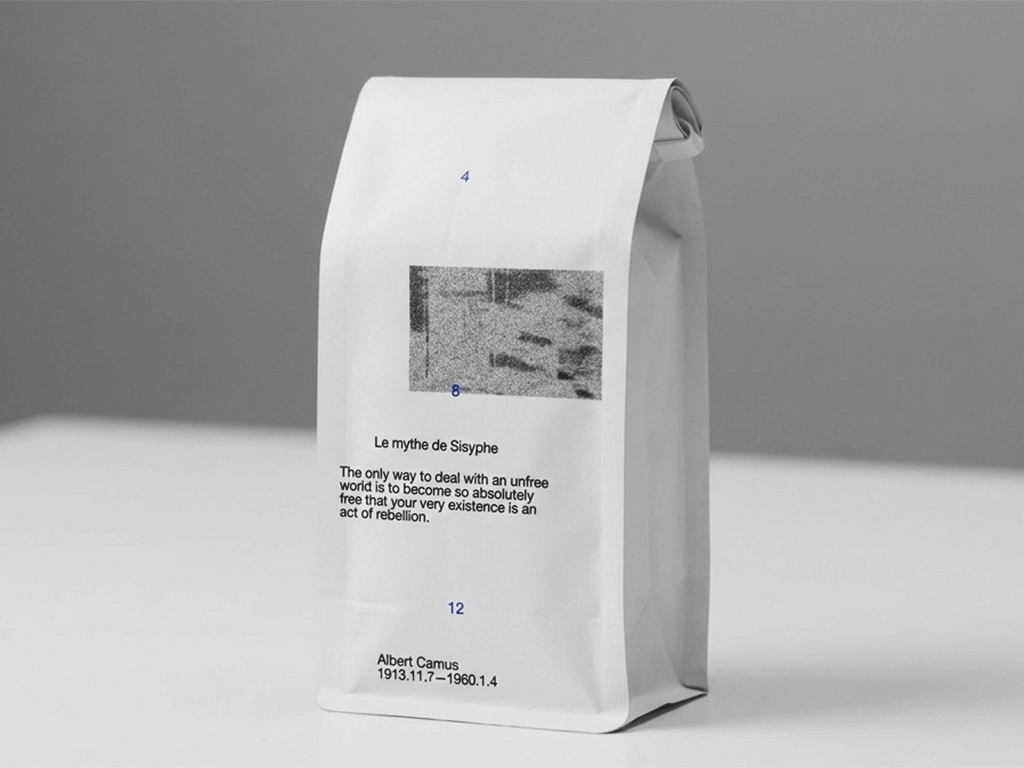
Coffee packaging printing means applying brand visuals and product information onto coffee bags, boxes, labels, or other packaging materials. It can include logos, colours, patterns, product names, origins, tasting notes, roast levels, QR codes, and barcode areas.
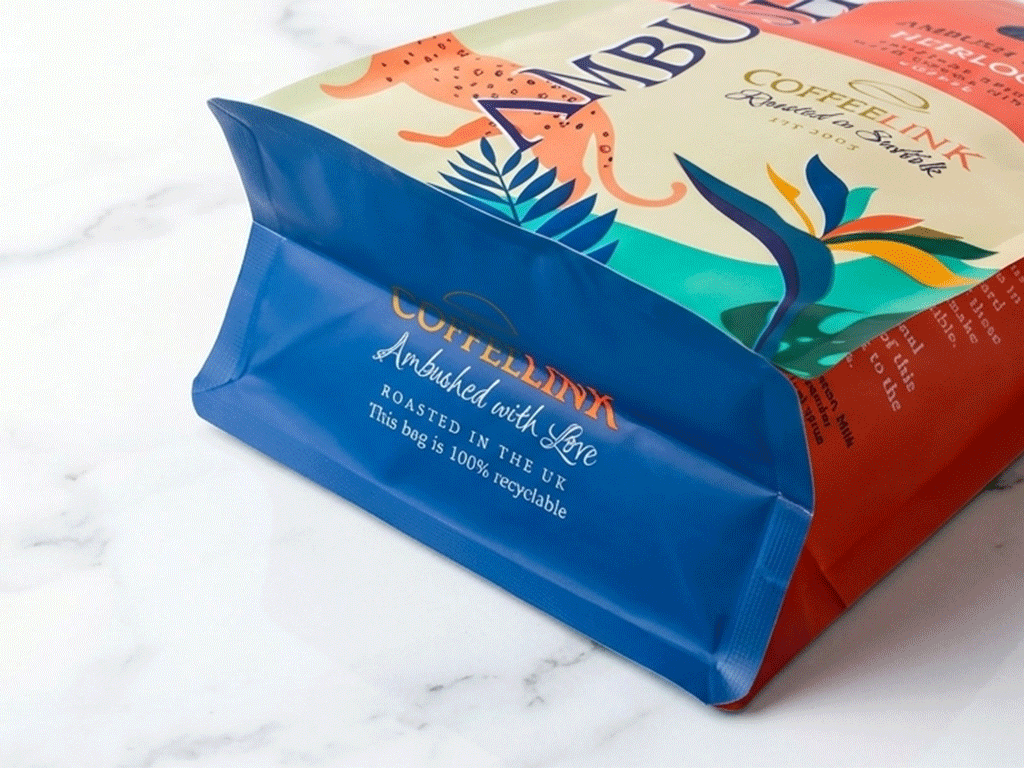
For coffee roasters, printing is not only about decoration. It turns a plain bag or box into a branded product that customers can recognise, compare, and understand before they brew the coffee.
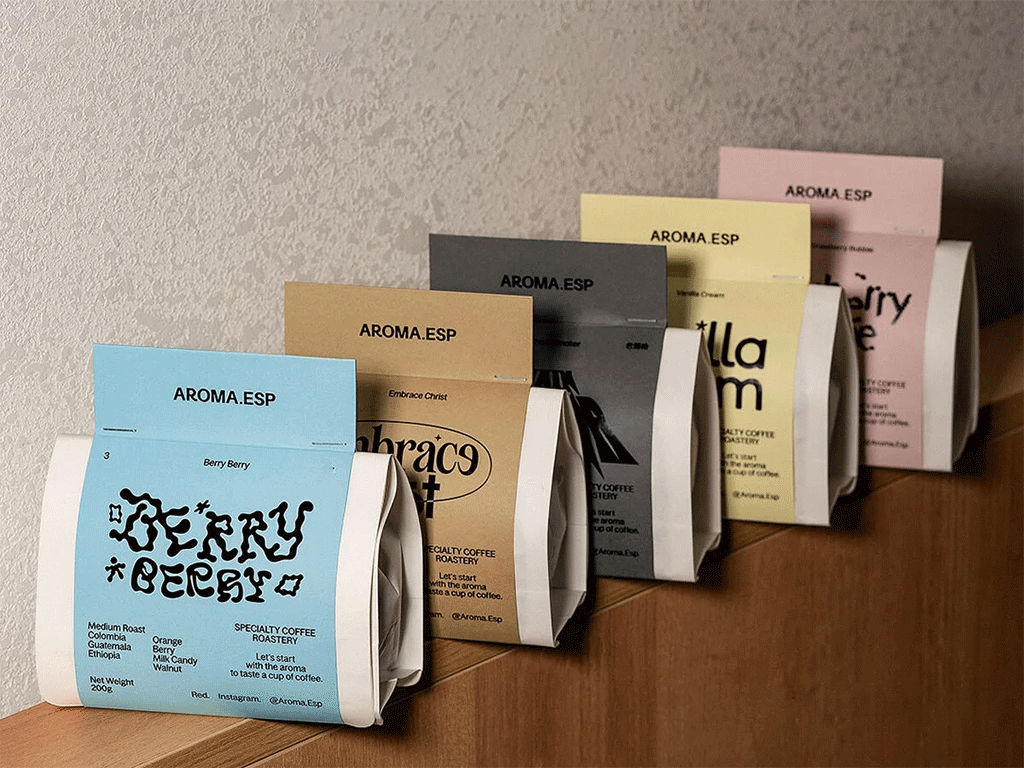
A printed coffee bag can help separate different blends, origins, roast profiles, or seasonal products. It gives each coffee a clear identity while still keeping the whole brand range connected.
This matters because roasters often sell more than one coffee at the same time. A house blend, a single origin, a decaf, and a seasonal release may all need different details.
Coffee packaging printing should be considered early. Material, colour, bag type, design quantity, MOQ, lead time, and budget can all change the final result, so printing is part of the whole packaging strategy.
Common Coffee Packaging Printing Methods
The main coffee packaging printing methods include digital printing, rotogravure printing, and flexographic printing. Each method has a different role, so the best choice depends on order size, design quantity, colour needs, material, and budget.
Digital printing is often useful for smaller runs, multiple designs, and fast design updates. It can work well when roasters need packaging for different origins, small lots, seasonal coffees, or test releases.
This method can help roasters avoid producing too many bags for a coffee that may not stay in the lineup for long. It is also useful when product information changes often.
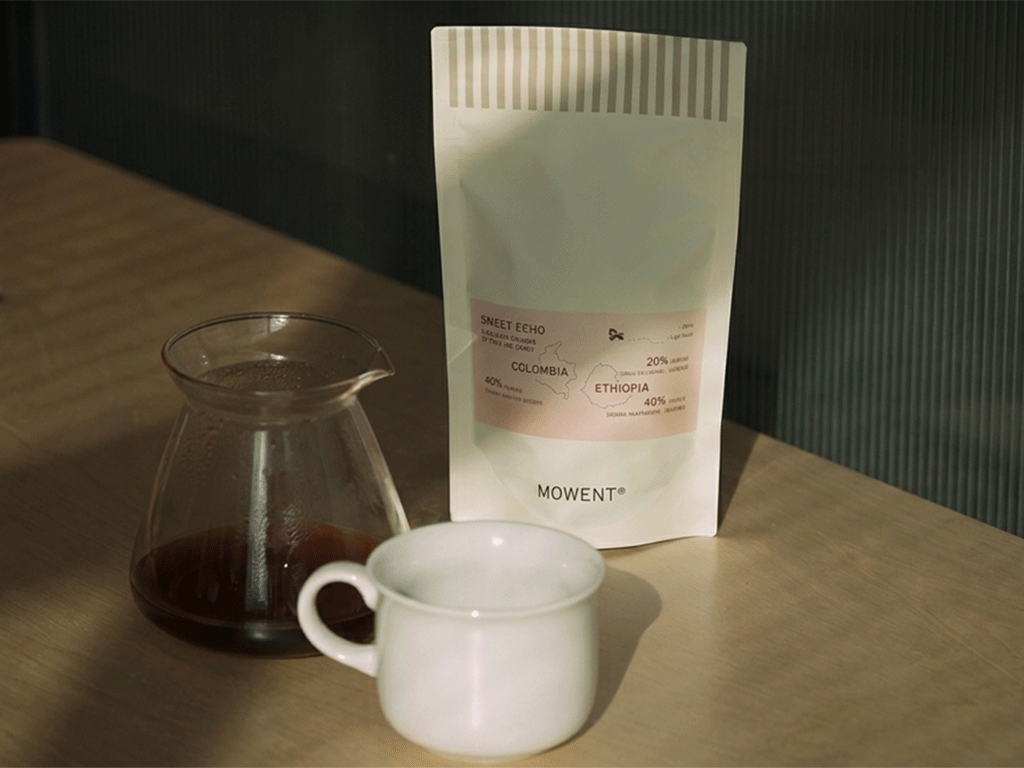
Rotogravure printing is usually better suited to larger and more stable orders. It can offer strong colour performance and fine detail, but the setup process is more involved.
For roasters with a long-term house blend, wholesale product, or core retail line, rotogravure may make more sense when order volume is high enough to support the setup cost.
Flexographic printing is also common in labels and flexible packaging. It can work for some medium and larger runs, but the final result depends on the material, colour count, artwork, and production needs.
Smithers reported in 2026 that the combined market value of flexographic and gravure printing is projected to reach USD 358.5 billion, with flexo at USD 250.7 billion and gravure at USD 107.8 billion. This shows that both methods remain important in packaging and print production.
Smithers also notes that digital printing is a strong competitive force in labels and packaging, especially where shorter runs and faster design changes are needed. That point fits the way many roasters manage small lots and changing coffee ranges.
No printing method is always better. A roaster with many changing coffees may need flexibility first. A roaster with one stable product may care more about long-run consistency and unit cost.
Sustainable Choices in Coffee Packaging Printing
Sustainable choices in coffee packaging printing should stay connected to the material, print method, ink, finish, and claim printed on the bag. A recyclable or compostable direction can still fail if the printing plan does not match the packaging structure.
Kraft paper, recyclable films, compostable materials, and paper-based structures do not print in the same way. The same artwork may look different across these surfaces.
A colour that looks bright on white film may look softer on kraft paper. Fine lines may also appear different depending on surface texture, coating, and ink behaviour.
This is why roasters should not approve artwork only on a screen. The final printed effect depends on how the design, material, and finish work together.
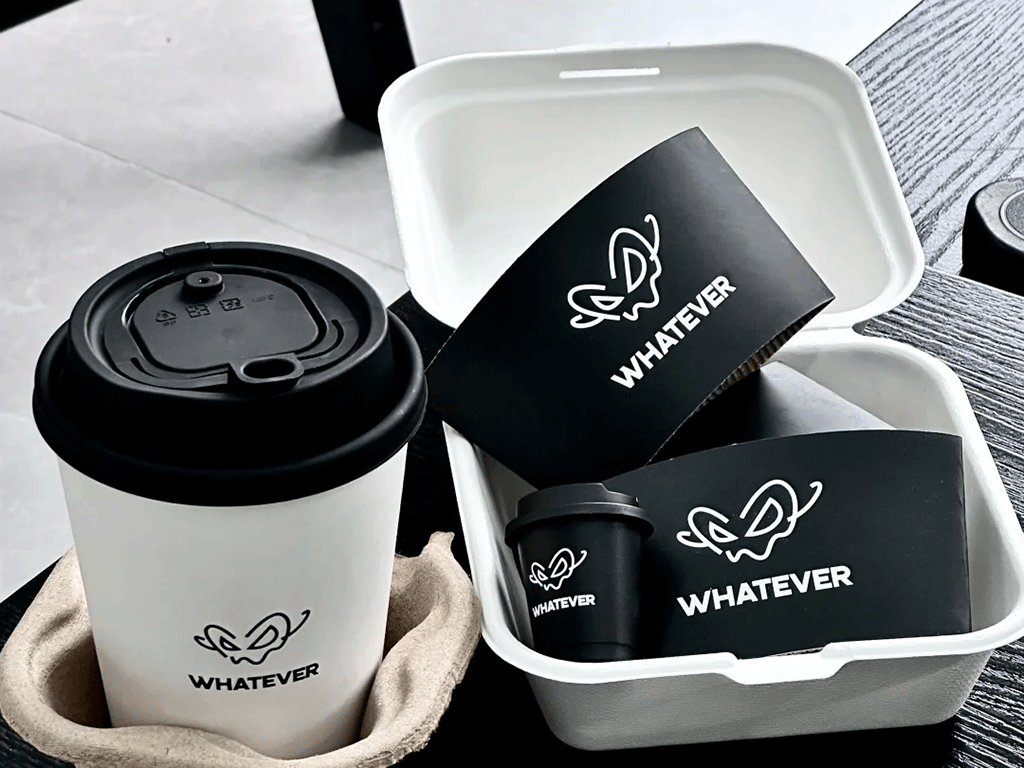
Ink, lamination, coating, labels, and surface finishes also matter. Sustainable coffee packaging printing is not only about choosing a greener bag material. The full structure should make sense.
A simple design can sometimes work better on sustainable materials. Too many colours, large full-coverage areas, or complex finishes may be harder to control on some materials.
This does not mean roasters must avoid strong design. It means the design should fit the material and the print method, instead of forcing every material to behave the same way.
Environmental wording also needs care. If roasters want to print recyclable, compostable, plastic-free, or eco-friendly claims, they should confirm the material structure, disposal route, certification, and market rules first.
The FTC Green Guides warn that broad environmental claims should be clear, specific, and supported. They also say recyclable claims may need qualification when recycling access is not widely available.
At YamiPak Coffee, we offer custom coffee packaging printing options for roasters with different product needs. This can include printed coffee bags, coffee boxes, labels, and packaging support for different origins, blends, and seasonal releases.
We can also support packaging directions such as kraft paper coffee bags, recyclable coffee bags, compostable packaging, and paper coffee boxes. Roasters can combine clear artwork with material options that better match their product and brand goals.
For more information about YamiPak Coffee’s custom coffee packaging printing solutions, contact our team.
FAQ
What are the main printing methods for coffee packaging?
The main methods are digital printing, rotogravure printing, and flexographic printing. Each suits different order sizes, materials, and design needs.
Is digital printing good for coffee bags?
Yes, digital printing can work well for small runs, multiple designs, seasonal coffees, and products that need faster updates.
Which printing method is best for large coffee bag orders?
Rotogravure or flexographic printing may suit larger, stable orders. The best choice depends on artwork, material, volume, and budget.
Share This Story, Choose Your Platform!

Chris Li
Chris Li is the Marketing Director at YamiPak coffee, with over 10 years of experience in packaging and printing. Passionate about sustainable solutions and innovative design, Chris helps brands create impactful packaging that leaves a lasting impression.