Why Specialty Coffee Packaging Matters for Roasters
For specialty coffee roasters, standing out starts with the bag. Specialty coffee packaging helps customers notice quality before they smell or brew the coffee.
The right packaging connects roasting work with customer expectations. It shows origin, roast date, flavour notes, and the level of care behind each coffee, helping customers understand why the coffee deserves attention and a higher price point.
In this article, we will look at what makes this packaging different, why specialty coffee drinkers notice it, and how roasters can balance coffee quality with sustainability.
Key takeaways
- Specialty coffee packaging helps roasters show quality before customers taste the coffee.
- Clear origin, roast, and flavour details make specialty coffee easier to understand.
- Sustainable choices work best when they still protect aroma, freshness, and daily use.
What Makes Specialty Coffee Packaging Different?
Specialty coffee packaging is different because it needs to explain more than a brand name. It often carries origin, roast date, tasting notes, process, brew guidance, and roaster identity in a clear way.
A standard coffee bag may only need a name, roast level, weight, and a simple flavour line. Specialty coffee packaging has a wider job. It helps customers understand where the coffee comes from, how it was processed, how it may taste, and why the roast deserves attention.
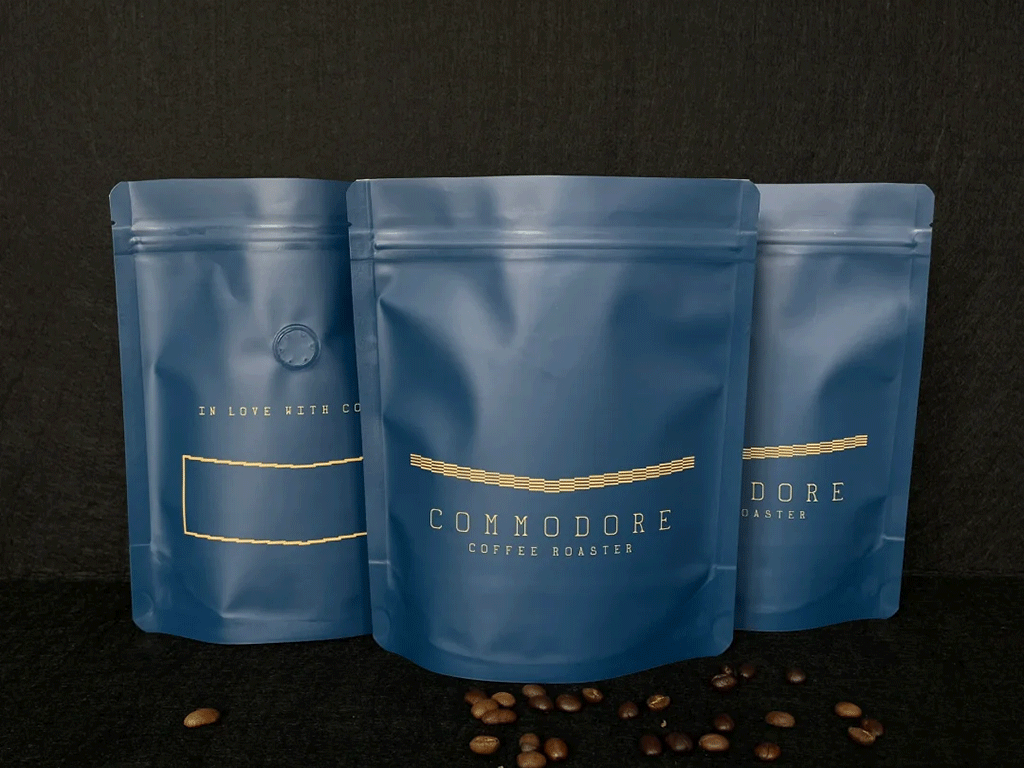
This matters for single origin coffees, micro lots, seasonal roasts, and limited releases. These coffees often have a story behind them. The bag should make that story easy to read. Country, region, farm, variety, process, roast date, and flavour notes should guide customers from interest to purchase confidence.
A clear label also helps different buyers. A new customer may only look at tasting notes and roast style. A more experienced drinker may check process, altitude, variety, and roast date. Specialty coffee packaging should allow both groups to find what they need.
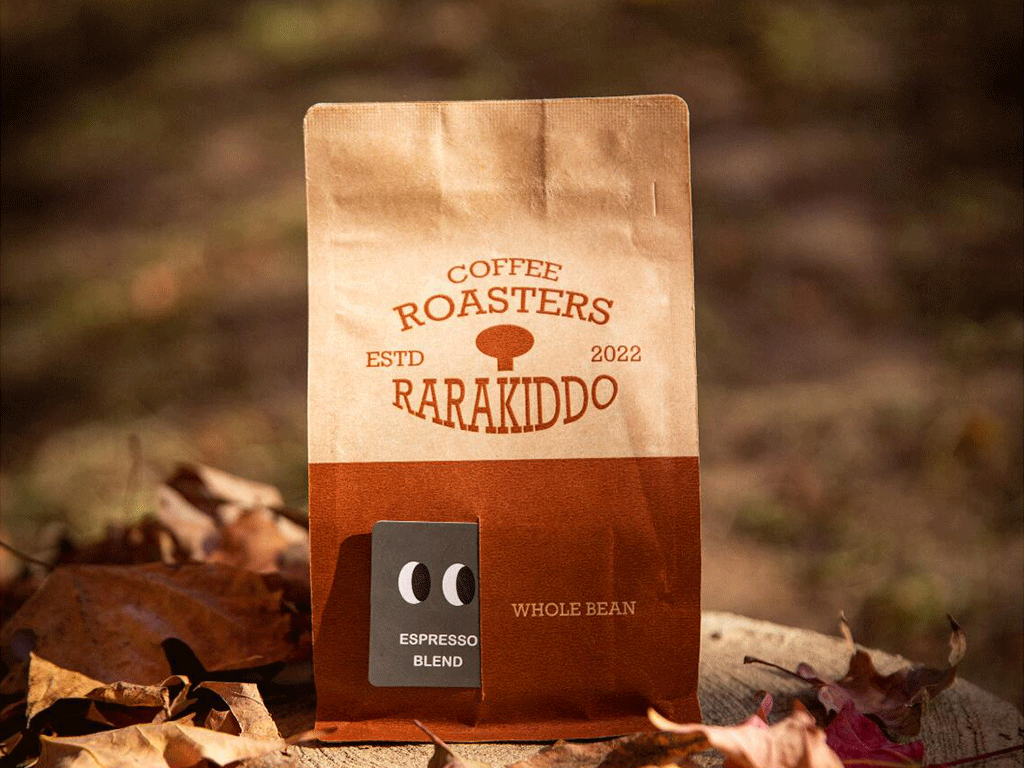
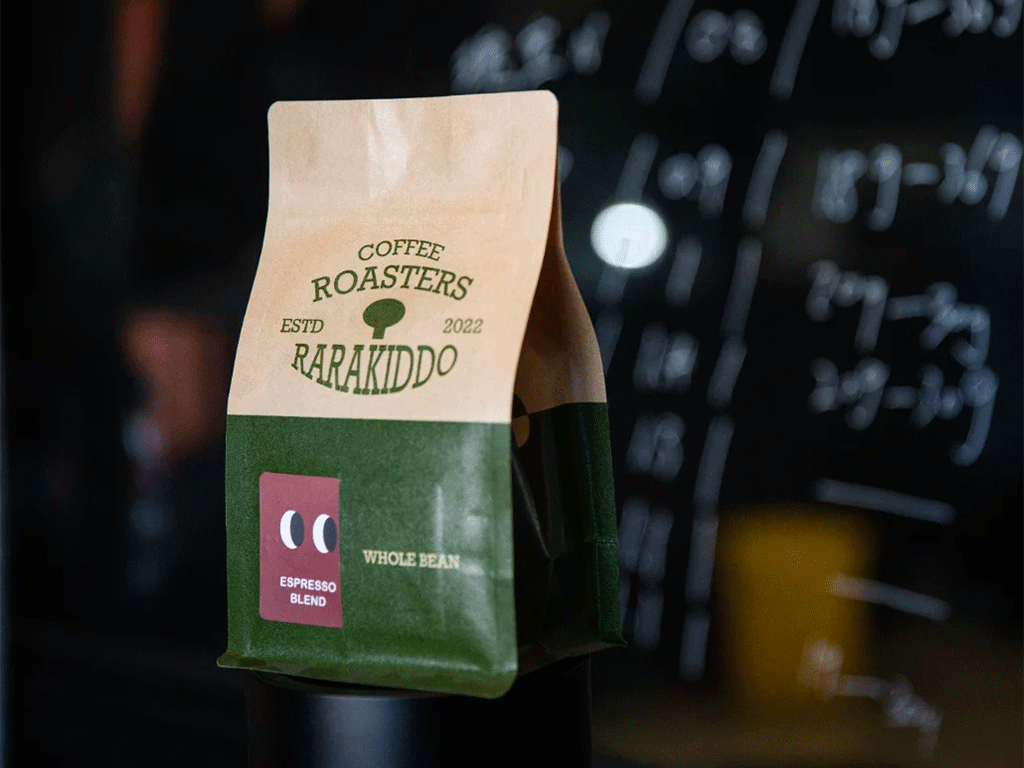
The visual style should also match the coffee’s place in the range. A daily espresso blend may need a stable, easy-to-recognise look. A rare lot may need a cleaner label, a smaller format, or a more careful finish.
Practical details matter as well. Strong sealing, suitable barrier materials, readable labels, clear print, and the right closure style all affect the final experience. The bag needs to work across retail shelves, online photos, café counters, and delivery.
For roasters, this difference matters because specialty coffee packaging does not only hold coffee. It presents the coffee in a way that matches the sourcing, roasting, and care behind it.
Why Do Specialty Coffee Consumers Care About Packaging?
Specialty coffee consumers care about packaging because they use it to judge freshness, flavour direction, origin clarity, and roaster trust. The bag helps them decide whether the coffee is worth trying.
Specialty coffee drinkers often want more than a quick caffeine choice. They may compare washed and natural coffees, look for citrus or chocolate notes, or check whether a roast suits espresso, filter, cold brew, or milk drinks. Specialty coffee packaging helps them make that decision faster.
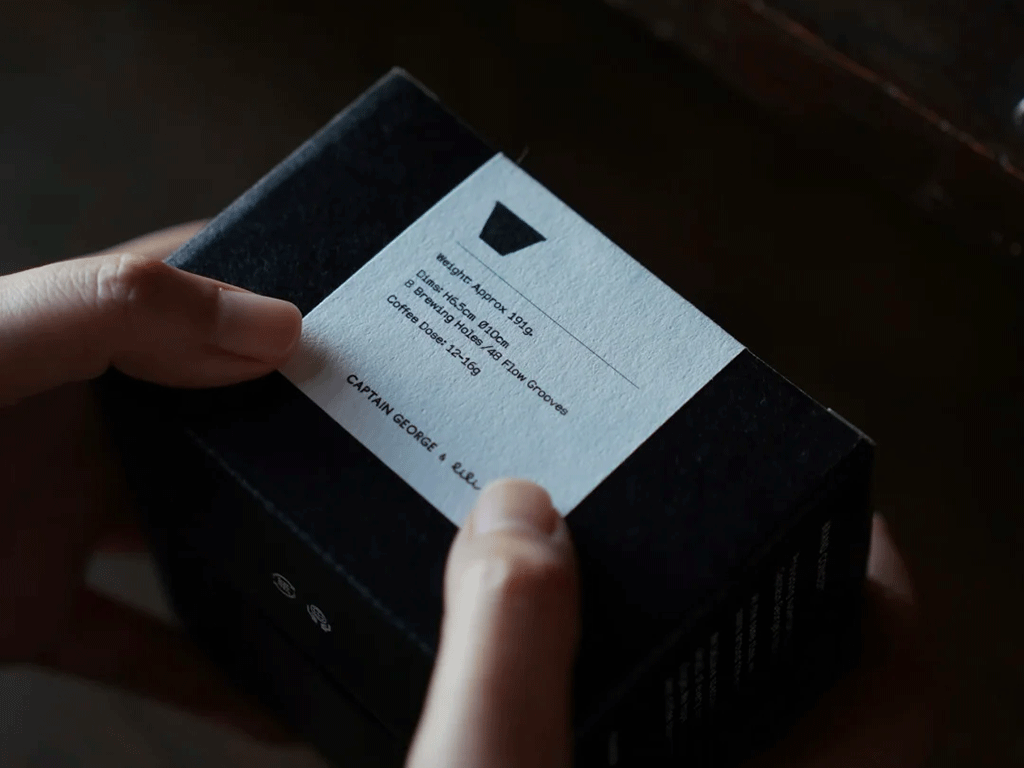
The audience is also large enough for roasters to take seriously. The National Coffee Association reported in 2025 that 46% of American adults had specialty coffee in the past day, up 84% since 2011. The Specialty Coffee Association also shared 2025 NCDT findings showing that 64% of 25–39-year-olds drank specialty coffee in the past week.
These numbers show that specialty coffee is not only for a small group of experts. Many younger drinkers already choose it. They may discover a roaster on a shelf, through a subscription, at a café, or through a social post. In each case, the bag becomes part of the first impression.
Packaging can reduce hesitation when the label is easy to read. A clear roast date, simple flavour notes, and an easy origin line can make the coffee feel easier to choose. Online, this becomes even more important because customers judge from photos and text.
Consumers also remember coffee through packaging. A clear colour system, label style, or coffee name can help them find the same roaster again. For roasters, the bag should make flavour, origin, and roast details easy to trust, not hard to decode.
Balancing Specialty Coffee Quality with Sustainability
Specialty coffee packaging needs to balance freshness protection with sustainability. Roasters need materials that support lower-impact goals while still protecting aroma, moisture control, and daily use.
Sustainability now affects how customers judge coffee packaging. McKinsey’s 2025 global packaging survey found that consumers in every region show willingness to pay more for sustainable packaging. Shorr’s 2025 report also found that 54% of U.S. consumers had consciously chosen sustainable packaging in the last six months.
The same Shorr report found that 90% of U.S. consumers were more likely to buy from businesses using eco-friendly packaging. These figures show why roasters should treat sustainability as part of the buying experience, not only a material choice.
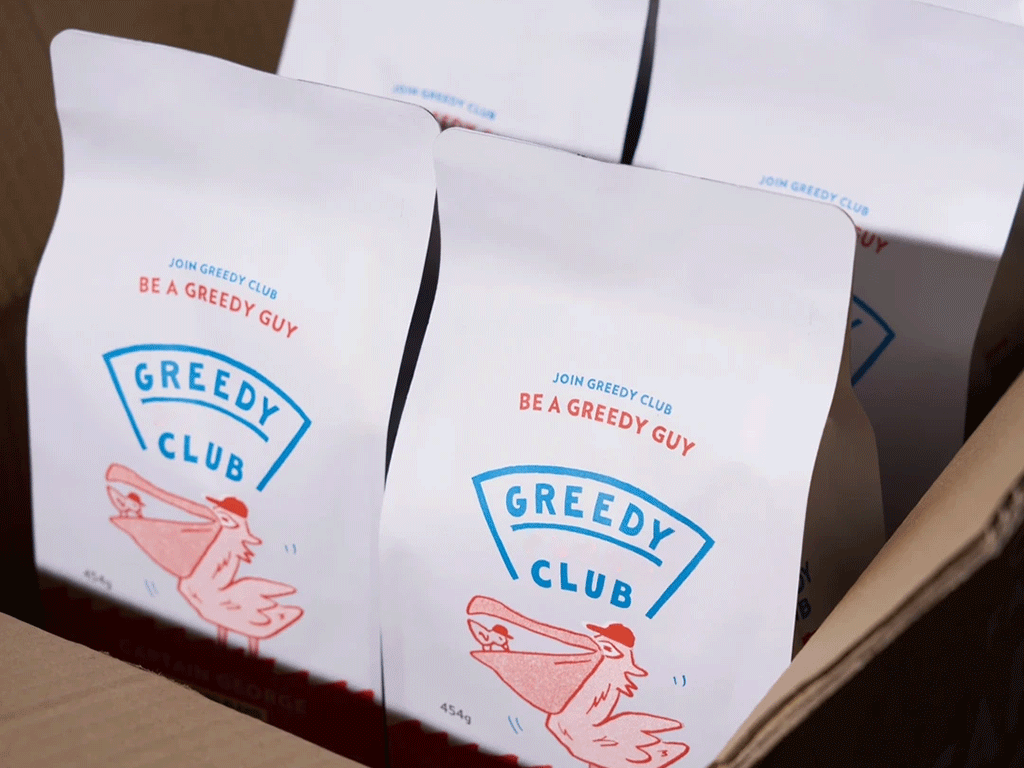
At the same time, sustainability cannot replace coffee protection. Roasted coffee still needs protection from oxygen, moisture, light, and heat. A bag that looks responsible but fails during storage or delivery does not help the roaster or customer.
Roasters need to look beyond simple claims. Recyclable, compostable, mono-material, paper-based, and PCR options all have different strengths and limits. Some need specific recycling streams, while others suit short local sales better than long-distance shipping.
The right choice depends on roast type, sales channel, and customer use. A café roast that sells quickly may not need the same barrier level as a high-value micro lot shipped overseas. Subscription bags may need strong sealing and easy opening.
Sustainable packaging also needs clear communication. Customers should understand material choices, recycling notes, or disposal guidance without reading a long explanation. Clear icons, short instructions, and honest wording can build trust.
For roasters, specialty coffee packaging should make quality and responsibility work together. The best choice protects coffee quality, supports the customer experience, and reduces unnecessary waste where possible.
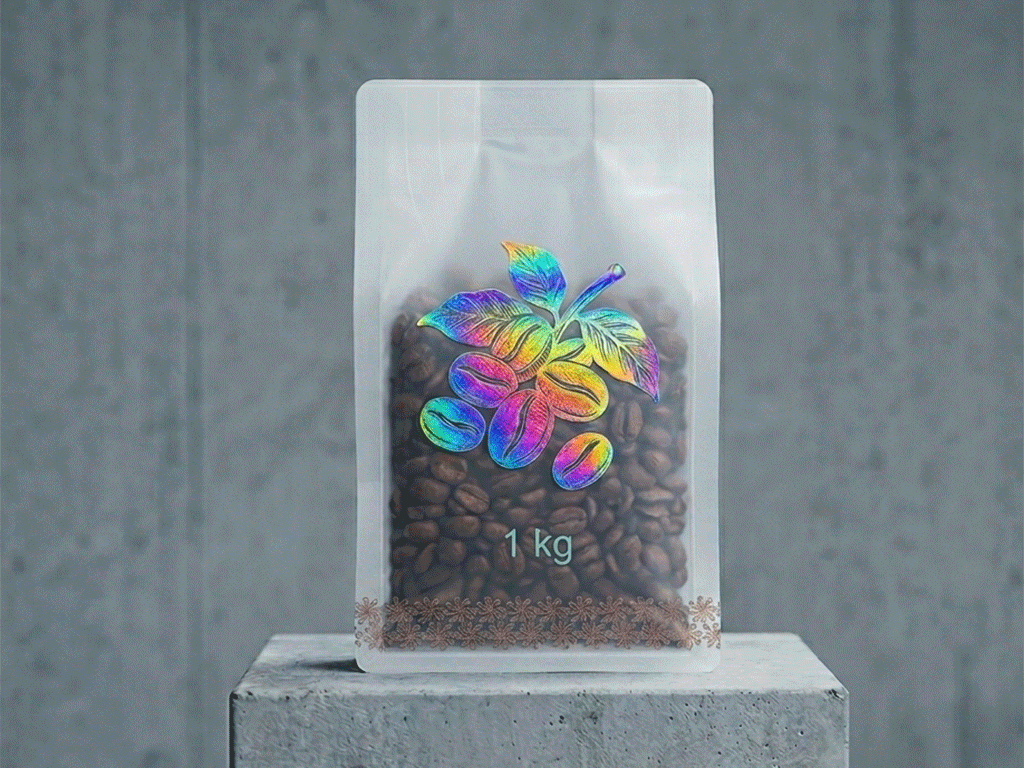
At YamiPak Coffee, we help roasters create specialty coffee packaging that supports coffee quality and brand presentation. Our formats include recyclable coffee bags, compostable coffee bags, flat bottom bags, stand up pouches, and finishes such as matte coatings, metallic foils, spot UV, and embossing.
Contact the YamiPak Coffee team to speak to a packaging expert and determine the best materials, formats, and designs for you.
FAQ
What is specialty coffee packaging?
It is packaging made for coffees that need clearer origin, roast, flavour, and quality details. It helps customers understand the coffee faster.
What packaging is best for roasted coffee beans?
Roasted beans usually need barrier bags with strong sealing. Many roasters also use one-way valves and resealable closures.
Why is coffee packaging important for roasters?
It protects the coffee and shapes the first customer impression. It also helps communicate roast style, freshness, and brand trust.
Share This Story, Choose Your Platform!

Chris Li
Chris Li is the Marketing Director at YamiPak coffee, with over 10 years of experience in packaging and printing. Passionate about sustainable solutions and innovative design, Chris helps brands create impactful packaging that leaves a lasting impression.