Are Bagasse Coffee Cups a Sustainable Choice for Coffee Businesses?
Takeaway cups are convenient, but they also create waste. Coffee businesses now need materials that support practical service and better disposal choices.
Bagasse coffee cups can be a sustainable choice when the finished product has a suitable end-of-life route. They use sugarcane fibre from an agricultural by-product. Certified compostable versions can also support commercial composting where local facilities accept them.
Material choice is only one part of the decision. Coffee businesses should also check coatings, cup strength, heat performance, certifications, and local waste systems.
What Are Bagasse Coffee Cups?
Bagasse coffee cups are fibre-based cups made mainly from sugarcane bagasse. This fibrous material remains after sugar producers extract juice from sugarcane. Manufacturers can process the fibre into pulp and mould it into food-service packaging.
Sugarcane mills produce fibrous residue during juice extraction. This residue contains cellulose and other plant fibres that can be useful for packaging.
Manufacturers clean and process the bagasse before turning the fibres into pulp. They can then form the wet pulp into different shapes. Heat and pressure help create the required packaging structure.
This process can produce cups, lids, trays, plates, and takeaway containers. Bagasse therefore has several possible uses across food-service packaging.
For coffee businesses, the finished cup matters more than the fibre alone. A takeaway cup must handle hot drinks without leaking or losing shape.
Many fibre cups also need barriers to improve liquid resistance. Wall thickness, coatings, and forming methods can all affect performance and disposal options.
Buyers should check the complete material structure before ordering. They should ask about coatings, inks, adhesives, and food-contact requirements. A plant-based cup does not automatically belong in every compost bin. Local collection and processing systems still decide what happens after use.
Benefits of Bagasse Coffee Cups
Bagasse coffee cups offer several practical benefits for cafés, roasters, and takeaway coffee businesses. These include renewable fibre, composting potential, low weight, and useful heat insulation. However, the final cup design still affects performance and disposal.
Renewable Material
Bagasse comes from sugarcane processing. It is the fibrous material left after producers extract the juice.
This gives the material another useful purpose. Manufacturers can turn this agricultural by-product into cups and other food-service packaging.
Sugarcane can grow again after harvest. This makes bagasse a renewable fibre source for packaging.
However, sustainability depends on more than the raw material. Farming, transport, production, coatings, and disposal can all affect environmental impact.
Compostable Option
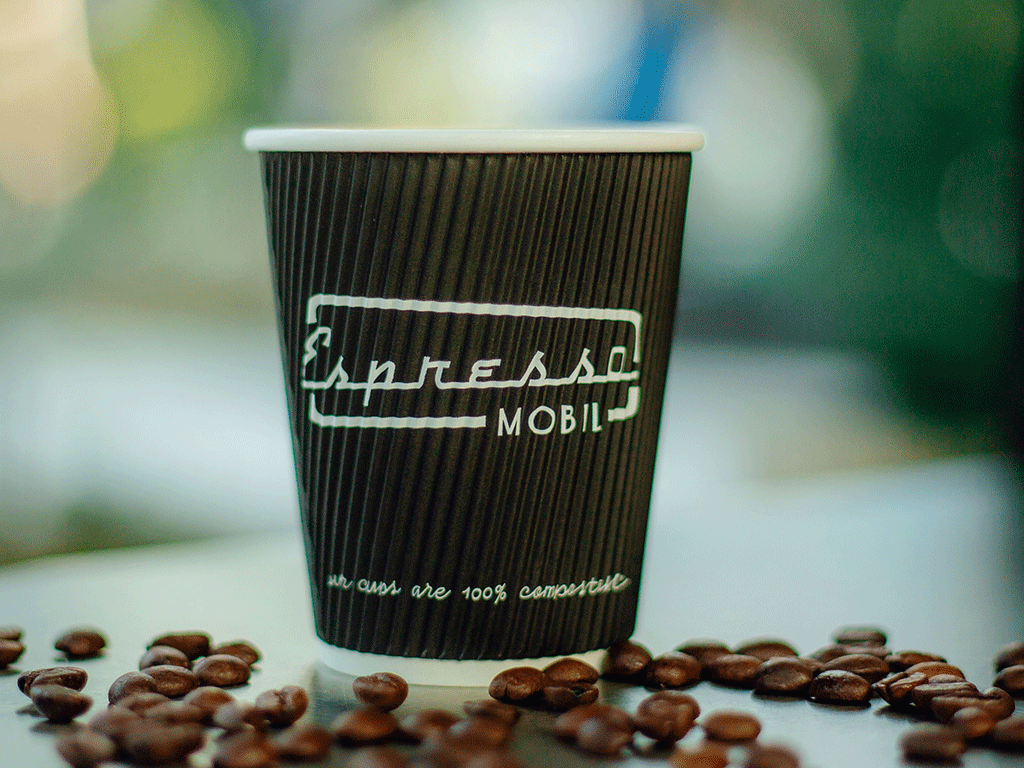
Some bagasse coffee cups can be commercially compostable when they meet recognised standards.
Commercial composting uses controlled heat, moisture, oxygen, and processing conditions. These conditions help certified products break down properly.
Coffee businesses should still check the full cup structure. Coatings, inks, adhesives, and lids can affect compostability.
Local facilities also matter. A compostable cup needs access to a suitable collection and composting system.
Lightweight and Durable
Bagasse fibre can form a light but rigid cup structure. This makes it useful for everyday takeaway service.
Strength depends on fibre quality, wall thickness, forming methods, and added barriers.
A good cup should stay stable during filling, carrying, and drinking. It should also fit lids and stack well.
Coffee businesses should test samples before large orders. This can reveal issues with strength, leakage, handling, and lid fit.
Heat Insulation
Fibre-based cups can provide useful thermal resistance for hot drinks.
Wall thickness, fibre density, coatings, and cup structure all affect insulation performance.
Bagasse coffee cups can therefore work well for takeaway coffee. However, actual results vary between different cup designs.
Coffee shops should test cups at normal serving temperatures. This helps determine whether extra sleeves or protection are needed.
Why Coffee Businesses Choose Bagasse Coffee Cups
Coffee businesses are paying more attention to the materials used in takeaway packaging. Customers increasingly notice how brands approach waste and sustainability.
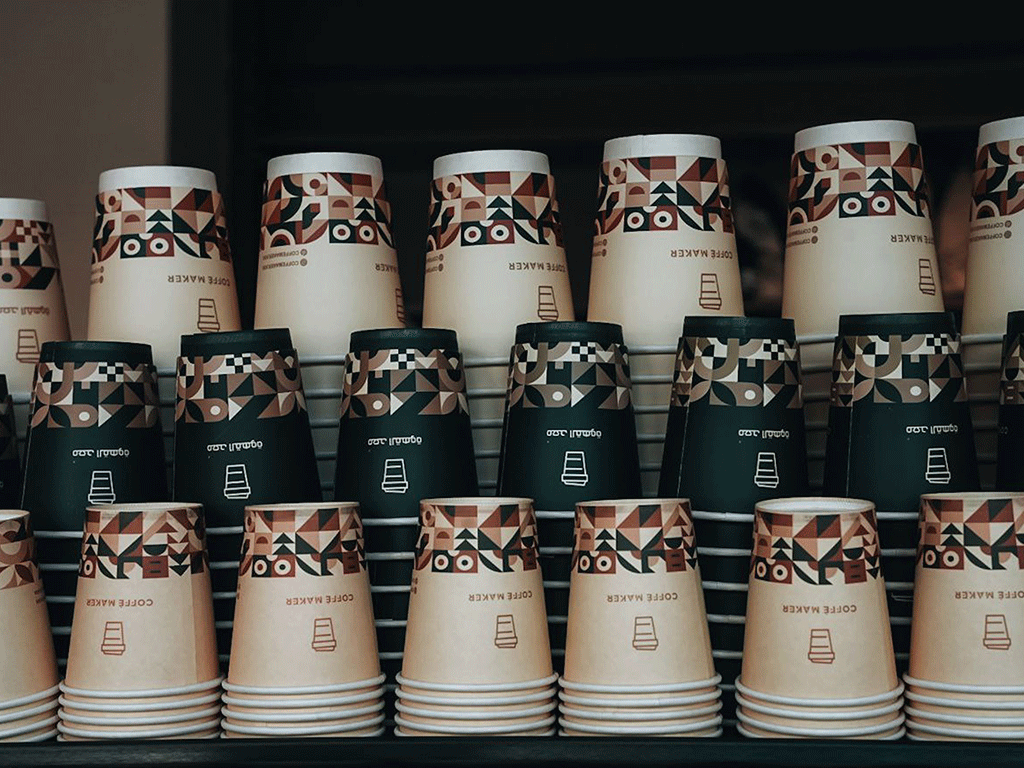
Bagasse coffee cups can support this shift because they use fibre left from sugarcane processing. This gives an agricultural by-product another useful purpose.
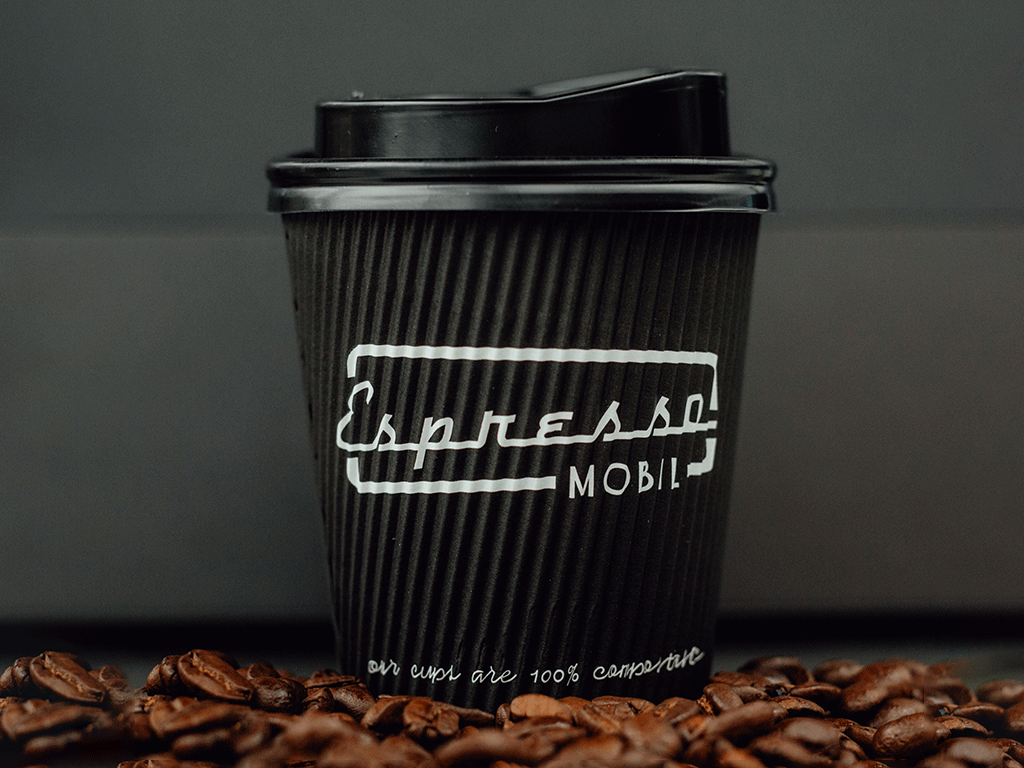
For cafés and roasters, the material story is only one part of the decision. The cup still needs to perform during busy service. A practical takeaway cup should hold hot drinks without leaking or losing shape. It should also fit lids well and remain comfortable to carry.
Bagasse cups can also support composting goals when the finished product meets suitable standards. However, the right local collection system is still necessary. Compostable packaging has limited value if it always enters general waste. Local facilities must accept the complete cup after use.
For many coffee businesses, bagasse offers a useful balance between daily performance and more responsible material choices. It can support both operational and sustainability goals. The material can also work across a wider takeaway packaging system, including cups, lids, trays, and food containers.
This helps businesses create a more consistent packaging approach across different customer touchpoints. It can also make sustainability messages easier to explain.
This can also support clearer choices across future packaging updates.
At YamiPak Coffee, we offer takeaway cup options for hot and cold drinks. Our range includes different structures, sizes, and custom printing options. Businesses can also choose matching lids and custom designs to create a more consistent takeaway experience.
For more information about bagasse coffee cups and other takeaway packaging options, contact YamiPak Coffee.
Share This Story, Choose Your Platform!

Chris Li
Chris Li is the Marketing Director at YamiPak coffee, with over 10 years of experience in packaging and printing. Passionate about sustainable solutions and innovative design, Chris helps brands create impactful packaging that leaves a lasting impression.