Does Coffee Packaging Affect Coffee Freshness
Key takeaways
- Coffee packaging affect coffee freshness by limiting oxygen, moisture, light, and CO₂-related pressure after roasting.
- Roast date matters, but packaging decides how quickly flavour changes after roasting.
- Roasters should match coffee bags with storage time, shipping distance, and customer use.
Does coffee packaging affect coffee freshness? Yes, even a clean, sweet, and well-developed roast can fade before the customer brews it if the packaging is weak.
Coffee packaging helps control oxygen, moisture, light, CO₂ release, and air exposure after roasting, so roasted coffee can keep more of its aroma and flavour before the customer opens the bag.
For roasters, freshness is not only about the roast date. It also depends on how coffee moves from green coffee to roasted beans, then into coffee bags, storage, shipping, and daily use.
How Does Packaging Affect Coffee Freshness?
Packaging affects coffee freshness by controlling what happens after roasting. It cannot improve weak coffee, but it can help protect the aroma, flavour, and balance created by the roaster.
Before roasting, green coffee already has its own quality base. Origin, processing method, storage condition, and moisture level all shape the final cup. A coffee bag cannot fix poor green coffee or add sweetness, clarity, or aroma that was never there.
But this does not make packaging less important. Once roasters finish the roast, the flavour they created starts to change. At this point, the question does packaging affect coffee freshness becomes practical. The bag helps decide how long those flavours stay clear.
After roasting, coffee releases CO₂. This is normal. At the same time, aroma compounds become easier to lose. Oxygen, moisture, light, and heat can slowly weaken the cup. The coffee may still look fine, but the flavour can become flat, dry, or dull.
This is why roast date alone does not tell the full story. Two coffees roasted on the same day can taste different after storage if one bag protects better than the other. So, does packaging affect coffee freshness after roasting? Yes, because it controls how much outside air and moisture reach the beans.
Once coffee goes into the bag, packaging starts to act as a freshness barrier. It helps reduce oxygen entry, slow moisture exposure, and manage CO₂ when coffee is packed soon after roasting.
This matters during storage, shipping, retail display, and home use. Coffee rarely moves straight from the roaster to the grinder. It may sit in cartons, travel across regions, wait on shelves, or stay in a kitchen after opening.
So, does coffee packaging affect coffee freshness? Yes. It affects the full journey after roasting, not just the moment the beans enter the bag.
What Packaging Factors Affect Coffee Freshness?
The main packaging factors that affect coffee freshness are oxygen exposure, moisture control, light protection, seal quality, degassing, and resealing after opening. Each factor changes the freshness window.
Oxygen exposure is one of the biggest risks for roasted coffee. When oxygen enters a bag, it can change aroma compounds and coffee oils. Over time, the coffee may lose sweetness, depth, and clarity.
This is where barrier performance matters. A coffee bag should slow oxygen entry during storage and shipping. If the barrier is weak, the roast date may look recent, but the coffee may not taste as fresh as expected.
Moisture control also matters. Roasted coffee can absorb moisture from surrounding air. This can affect aroma, mouthfeel, and storage stability, especially in humid climates, long shipping routes, and longer retail timelines.
Light and heat can speed flavour loss. Many roasted coffee bags use opaque materials for this reason. A clear window may look attractive, but roasters still need to consider light exposure.
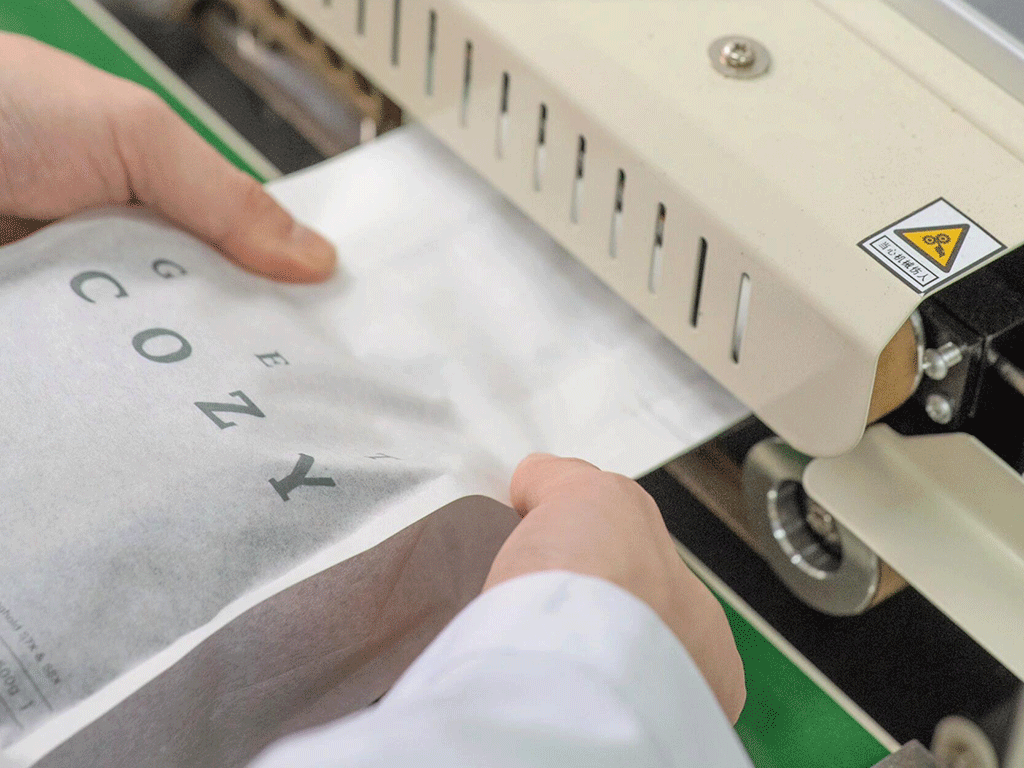
Seal quality is another key point. A strong material cannot do much if the seal fails. Heat sealing should close the bag cleanly and reduce unwanted air exchange. Weak sealing can shorten the freshness window.
Degassing also affects freshness. Freshly roasted coffee releases CO₂, especially early after roasting. A one-way valve can let gas escape while helping reduce outside oxygen entry. This can lower swelling risk and support a stable bag.
After opening, freshness changes again. A zipper, tin tie, or resealable closure helps customers close the bag between brews. This matters because many people do not finish a bag in one day. Daily air exposure can weaken aroma faster.
So, what packaging factors affect coffee freshness most? The answer depends on the coffee and the sales route. Oxygen, moisture, sealing, degassing, and daily resealing all work together.
What Packaging Solutions Best Preserve Coffee Freshness?
The best coffee packaging choice depends on the freshness window. Local retail, online orders, wholesale coffee beans, and long-distance shipping may all need different coffee bags.
High-barrier coffee bags are useful when roasted coffee needs stronger protection. They help reduce oxygen and moisture exposure during storage, transport, and shelf display.
They are suitable for online orders, regional delivery, and coffees that may not sell quickly. They also help higher-value coffees reach customers closer to the intended flavour.
Valve coffee bags are useful for many whole bean coffees. They help CO₂ leave the bag after roasting while reducing outside air entry.
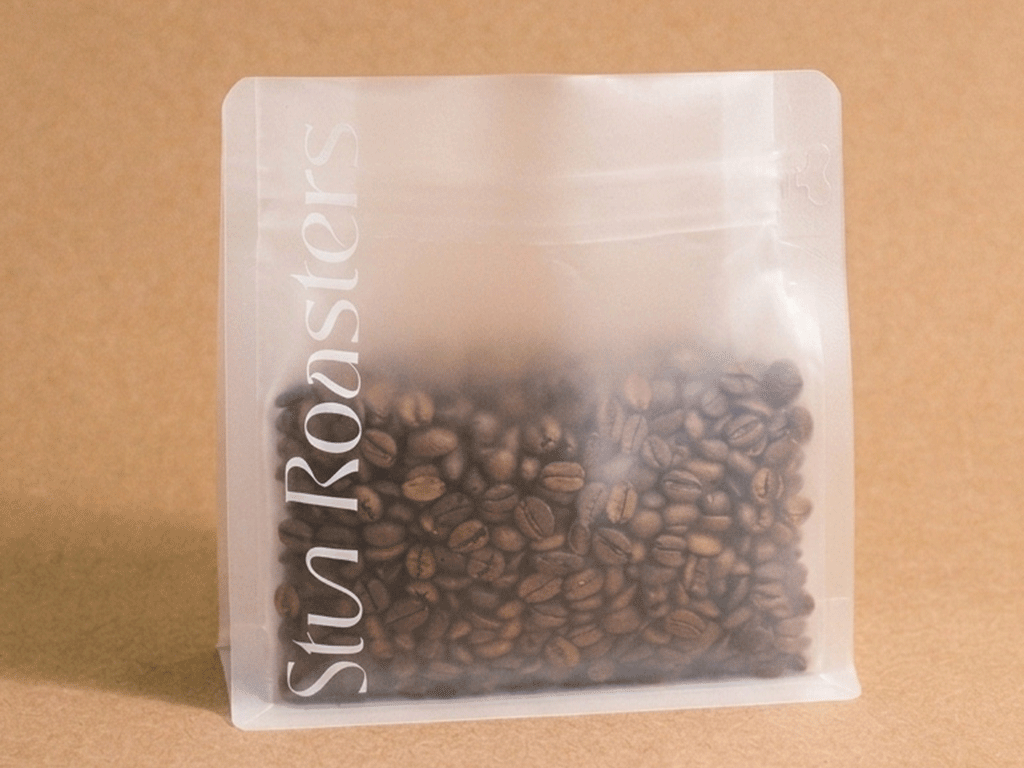
Not every coffee needs a valve. Some roasters rest coffee before packing, and some sales routes move quickly. Still, valve bags give roasters more flexibility after roasting.
Resealable coffee bags support freshness after opening. Customers may open the same bag many times, so a zipper or similar closure helps reduce repeated air exposure.
Recyclable or compostable coffee bags can also protect freshness when their barrier and sealing match the sales timeline. Roasters should check performance, not just sustainability claims.
A short local sales window may allow more material flexibility. A long shipping route may need stronger barrier performance. Wholesale coffee beans may need larger bags with reliable sealing.
For roasters, the goal is simple. Choose coffee bags that match roast type, bag size, storage time, shipping distance, and customer use, so roasted coffee reaches customers with more aroma and balance intact.
At YamiPak Coffee, we help coffee roasters choose packaging that supports freshness from filling to final use. Whether you are selecting high-barrier materials, valve coffee bags, or resealable formats, our team can help you match the right coffee bags with your roast type, sales channel, and storage time.
We offer custom coffee bags in different formats, materials, and finishes to support roasted coffee for retail, wholesale, and online orders. Each choice can be planned around freshness protection, brand presentation, and practical use.
If you want your customers to enjoy coffee closer to the flavour you intended, contact the YamiPak Coffee team to explore suitable packaging for your roasted coffee.
FAQ
How does packaging affect coffee freshness after roasting?
Packaging controls oxygen, moisture, light, and CO₂ release. It helps roasted coffee keep aroma and flavour for longer.
Does packaging affect coffee freshness more than roast date?
Both matter. Roast date shows time, while packaging controls how quickly flavour changes during that time.
Do one-way degassing valves keep coffee fresh?
They help whole bean coffee release CO₂ after roasting. They also reduce the chance of oxygen entering the bag.
Share This Story, Choose Your Platform!

Chris Li
Chris Li is the Marketing Director at YamiPak coffee, with over 10 years of experience in packaging and printing. Passionate about sustainable solutions and innovative design, Chris helps brands create impactful packaging that leaves a lasting impression.