Why Limited Edition Coffee Packaging Matters for Short-Term Coffee Sales
Key takeaways
- Limited edition coffee packaging should make a short-run coffee easier to notice and understand quickly.
- Scarcity works better when the bag shows a clear reason, time window, batch identity, or gift value.
- Roasters should plan the buyer group, printed details, format, and lead time before the coffee drop.
Limited edition coffee packaging can fail when it only follows a date on the calendar. A new colour or badge does not make customers act.
Limited edition coffee packaging matters because short-term coffee sales need more than a special look. The bag has to show why the coffee is limited, why it is worth noticing, and why customers should buy it before the release disappears.
The better question is not how to make a coffee bag look different, but how to make the packaging belong to the release. That is where timing, story, visual change, and customer intent need to work together.
What Makes Limited Edition Coffee Packaging Different?
Limited edition coffee packaging is different because it links the coffee bag to a short-term reason to buy. It may support a micro lot, a collaboration, a holiday blend, a café anniversary, or a short online drop.
Regular coffee bags stay consistent for a long time. Customers learn the colour, layout, and label style. That is useful for daily blends and core coffees. A limited coffee release works differently. It has a shorter life, so the bag must explain more in less time.
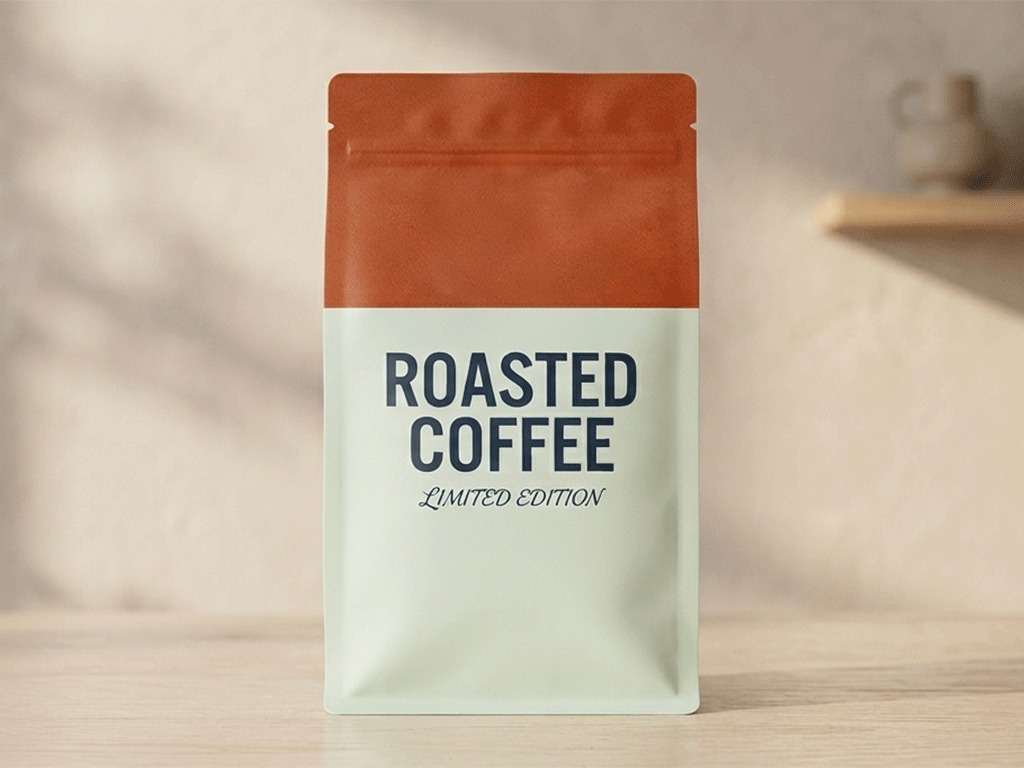
For a micro lot, the bag may need to highlight origin, process, farm name, tasting notes, and roast date. For a holiday blend, the bag may need to feel giftable and easy to understand. For a collaboration, the design may need to show two identities without making the front panel messy.
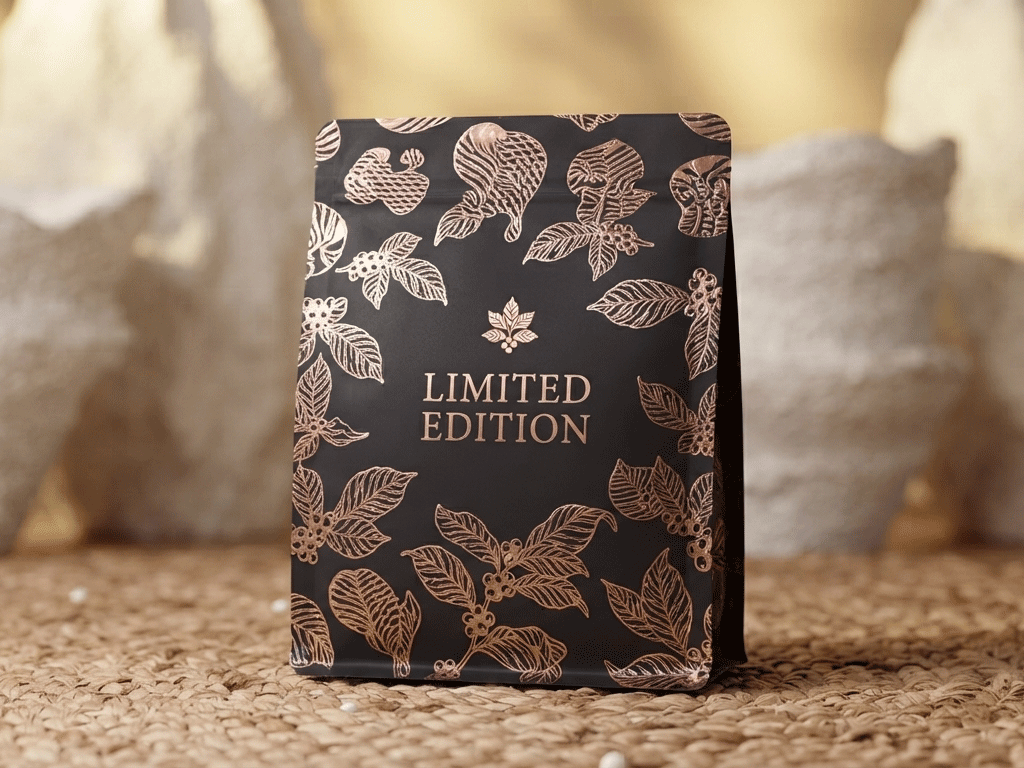
Limited edition coffee packaging should not only mean a new colour or a louder illustration. Visual change helps, but it should connect with the release. A numbered label can show batch identity. A QR code can link to the coffee story. A short note can explain why the coffee will only be available for a short time.
This is where the packaging becomes part of the offer. It helps the customer see that the coffee is not just another bag on the shelf. It has a reason, a time limit, and a story. If the bag looks special but says nothing useful, customers may enjoy the look but still miss the buying reason.
For roasters, limited edition coffee packaging should make the limited meaning easy to read. It should answer simple questions. What is this coffee? Why is it special? How long will it be available? Who is it for? Those answers help the release feel clear instead of random.
How Scarcity and Visual Change Support Faster Buying Decisions
Limited edition coffee packaging supports faster buying decisions by making scarcity easier to see. It also gives regular customers a clear signal that something new has arrived.
Short-term coffee sales depend on attention and timing. If customers think the coffee will always be available, they may wait. If the bag shows a limited batch, small lot, or special release, the buying reason becomes more urgent. This does not mean the bag should pressure people. It should simply make the short sales window clear.
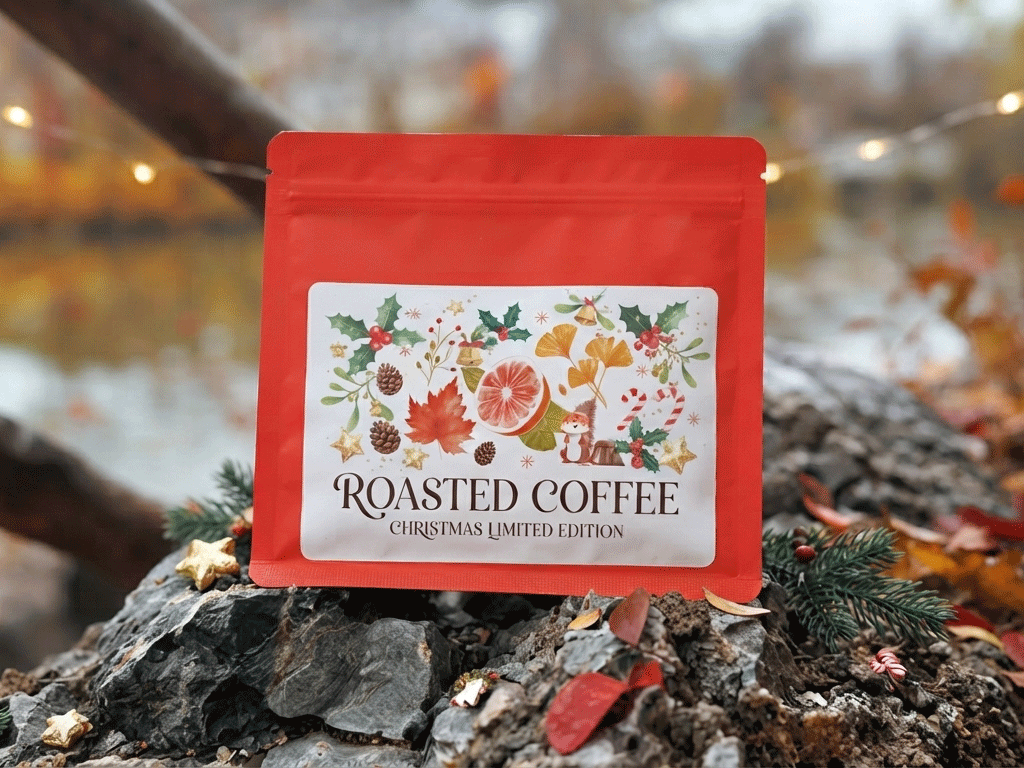
Visual change also matters. Customers may see many coffee bags in a café, grocery aisle, or online store. They may not study every origin or tasting note at first. A different colour, artwork style, label shape, or numbered sticker can quickly show that this is not a regular release.
Packaging can influence buying choices. A 2018 Ipsos survey found that 72% of Americans said packaging design often influences purchase decisions, and 81% said packaging design can influence gift selection. This is important for limited edition coffee packaging because short-run coffees often target gift buyers, collectors, and customers looking for something new.
Scarcity changes how people judge timing. A limited coffee drop can move the customer’s mind from “maybe later” to “this may not be here again.” This works well for rare lots, event releases, holiday blends, or small batches with limited roasted volume.
Different buyers notice different signals. Specialty coffee drinkers may look for process, farm, altitude, and tasting notes. Gift buyers may care more about the front design and story. Loyal customers may notice that the usual bag style has changed.
Limited edition coffee packaging works best when it connects scarcity with clarity. A rare coffee should still be easy to understand, and a bold design should still show the key details.
How Roasters Should Plan Limited Edition Coffee Packaging
Roasters should plan limited edition coffee packaging around the release goal, buyer group, selling window, and packing method. Design should come after the sales purpose is clear.
First, define what the release needs to achieve. A short-run coffee may reward loyal customers, test a new flavour direction, support a holiday campaign, or promote a farm story.
Each goal needs a different packaging plan. A gift-focused release may need a warmer look, while a rare micro lot may need more origin and process details.
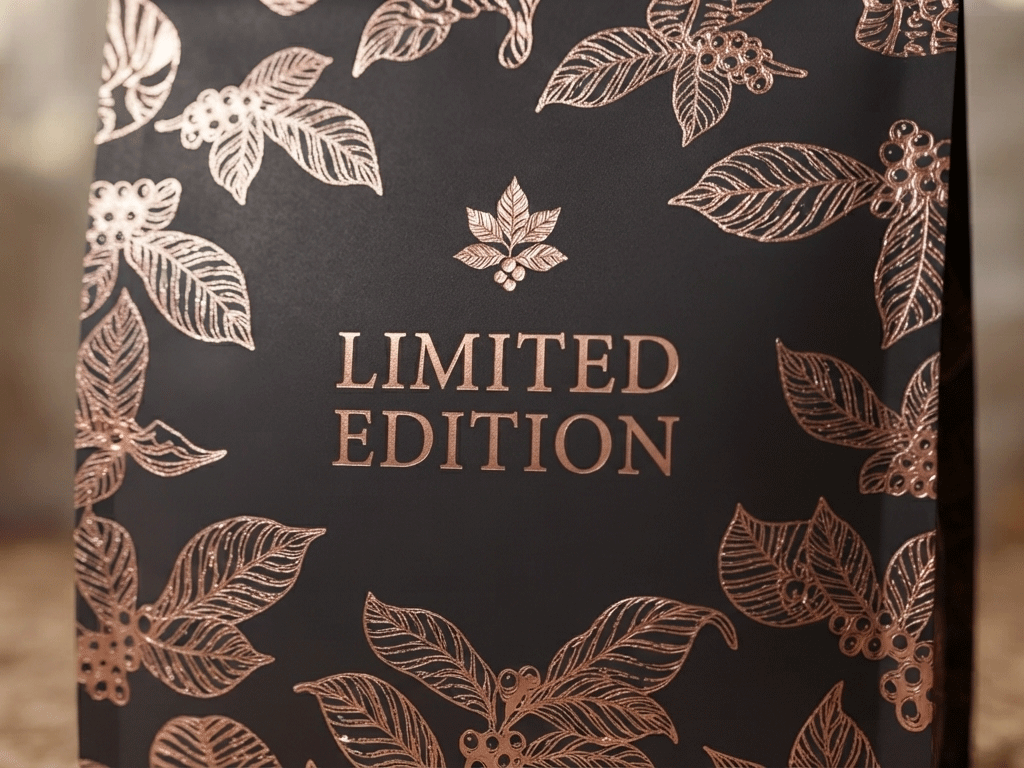
The selling window should guide the message. If the coffee will sell for only two weeks, the front panel needs a simple reason to act quickly.
If the release starts online, the bag should photograph well and stay readable on a small screen. If it sells at a café counter, the main message should be clear in seconds.
The buyer group also matters. Experienced coffee drinkers may look for tasting notes, roast date, and processing method. Gift buyers may care more about visual appeal and a clear story.
Limited edition coffee packaging should also match the format and quantity. Roasters should decide the bag size, valve, zipper, seal style, label area, date printing method, and QR code placement before the artwork is final.
Timing is important too. Design, sampling, printing, filling, sealing, and shipping all take time. The final bag should protect the coffee, explain the release, show the limited nature, and make the buying reason clear.
A standout limited coffee release starts with the right packaging plan. From bag format and size to colours, labels, printing details, and finishing choices, each part should match the release story, sales timeline, and target buyer.
To plan your next limited edition coffee packaging, contact YamiPak Coffee. Our team can help you create custom coffee bags for short-run coffee drops, event releases, seasonal blends, and special coffee launches.
FAQ
What is limited-edition packaging?
Limited-edition packaging uses a short-run design for a special release, event, or limited batch. It often looks different from the regular packaging.
Why do brands create limited editions?
Brands create limited editions to build attention, test new ideas, mark events, and encourage faster buying through scarcity and freshness.
How do you create packaging for limited edition releases?
Start with the release goal, target buyer, selling window, and visual theme. Then plan the bag format, label details, and lead time.
Share This Story, Choose Your Platform!

Chris Li
Chris Li is the Marketing Director at YamiPak coffee, with over 10 years of experience in packaging and printing. Passionate about sustainable solutions and innovative design, Chris helps brands create impactful packaging that leaves a lasting impression.