How Roasters Name Their Coffee
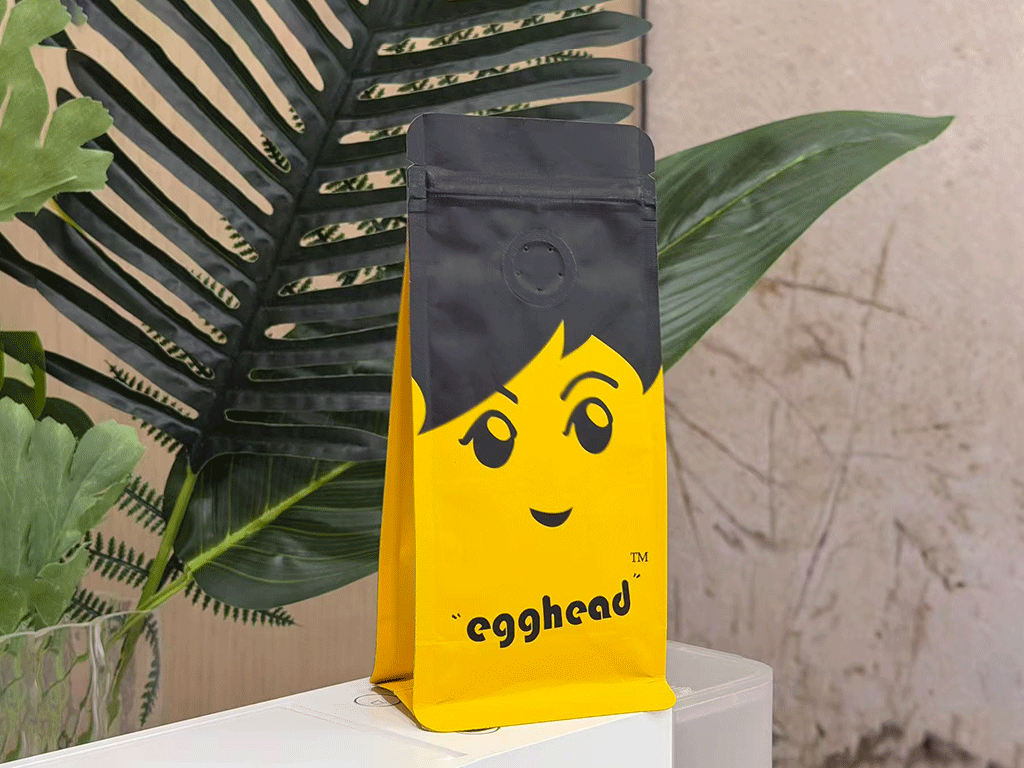
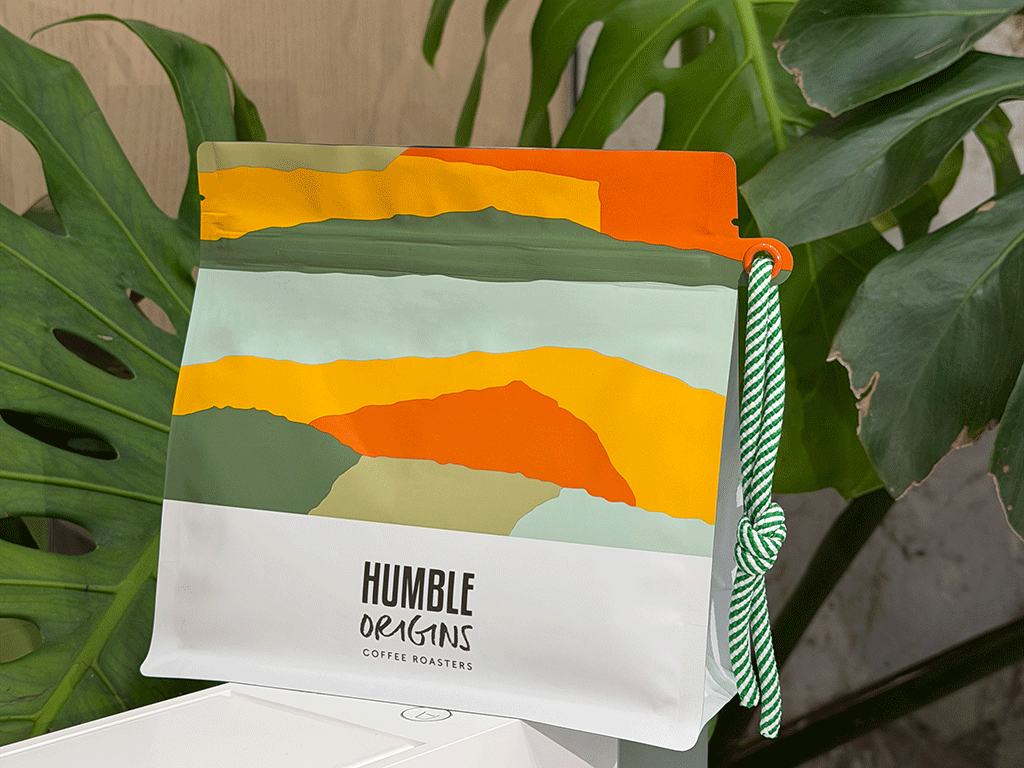
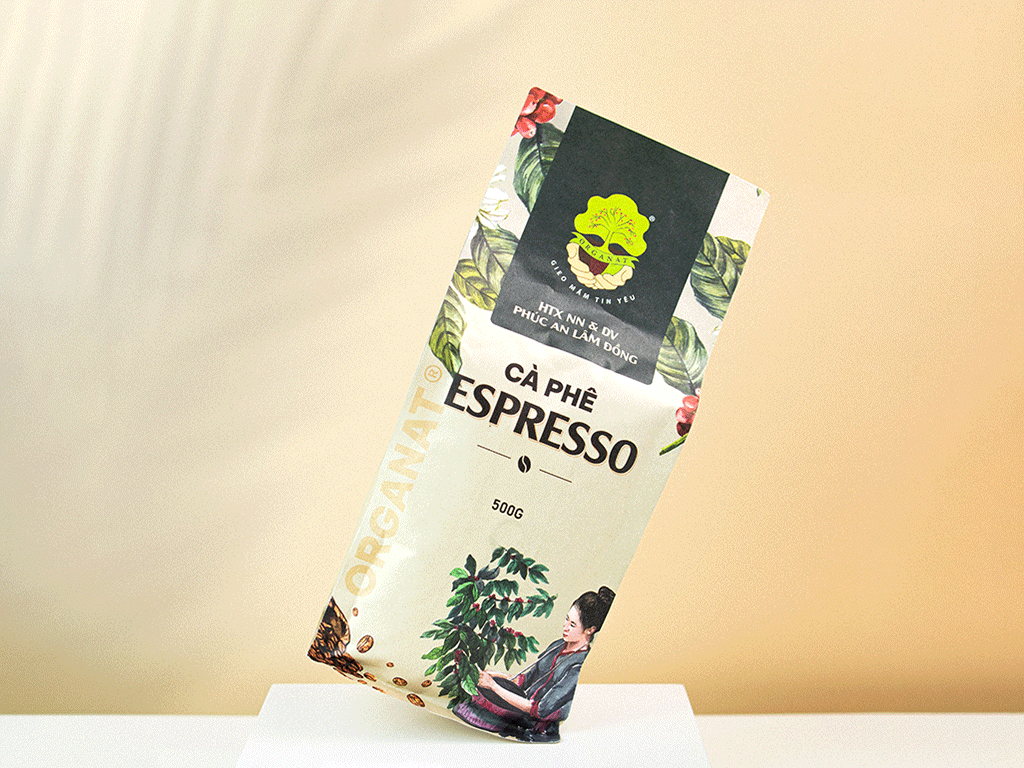
A coffee bag brings together many elements, from its shape and design to the information printed on it. Among these details, the coffee name can also play an important role in how customers notice and remember a coffee.
For roasters, choosing a name can be a way to give each coffee its own character. It may draw attention to the origin, flavour, producer, story, or feeling connected with the coffee.
Different coffees can inspire different approaches. Some names may focus on familiar flavours or places, while others may tell a story or create a certain feeling. The choice depends on what the roaster wants customers to discover about the coffee.
Why Do Roasters Name Their Coffee?
A coffee name is more than a label used to separate one coffee from another. It can give customers an easy point of reference when they see, taste, and later look for the same coffee again.
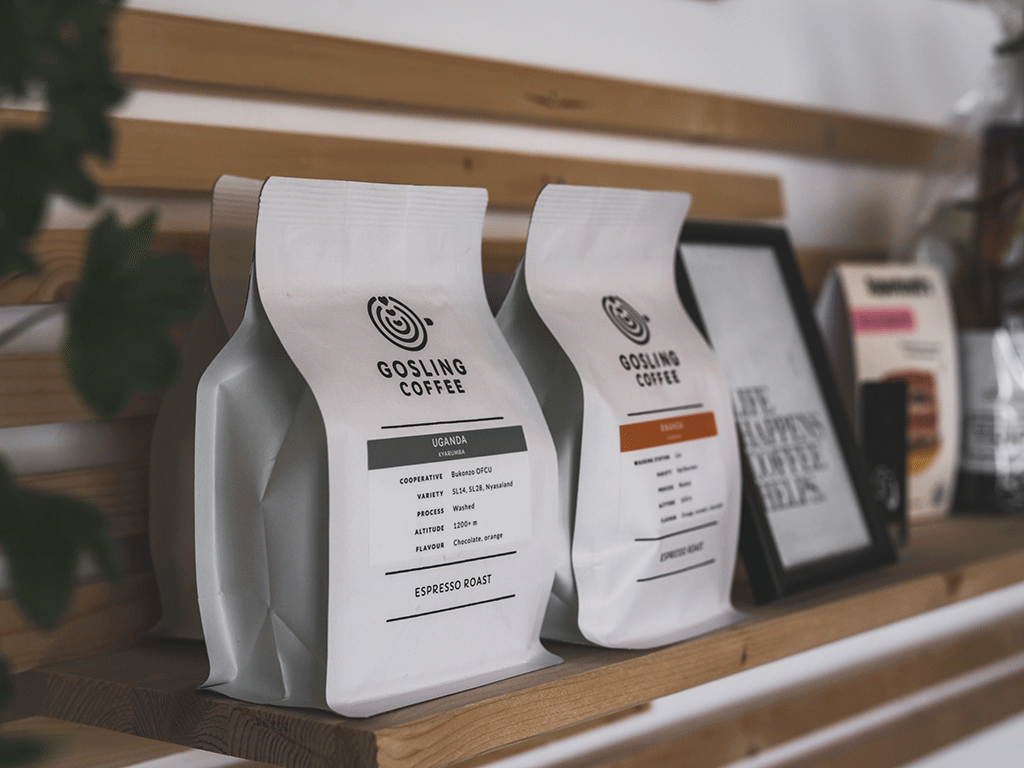
For specialty coffee roasters, a shelf can contain many coffees with detailed information about origin, variety, processing, roast level, and tasting notes. These details are useful, but they can make one coffee harder to remember as a whole. A memorable name can bring these details together in a simple way. Instead of asking for “the Colombia with strawberry and chocolate notes,” a customer may remember the coffee and ask for it again.
A name can also create a first impression. One linked to a place can point customers toward its origin. One inspired by flavour can give them an idea of what to expect in the cup. One based on a story can make the coffee feel more personal.
The words on a bag also work with the rest of the design. Colours, typography, images, and product information can create one clear message. If the coffee suggests a bright and playful experience but the packaging feels dark and serious, customers may receive mixed signals.
A memorable coffee can also be easier to recommend, mention in a café, or search for online. Over time, repeated exposure can connect it with a certain flavour, story, or brand experience.
What Themes Do Roasters Use to Name Their Coffee?
Roasters can take different approaches when choosing a theme. The starting point comes from something connected to the coffee itself or the experience they want customers to have.
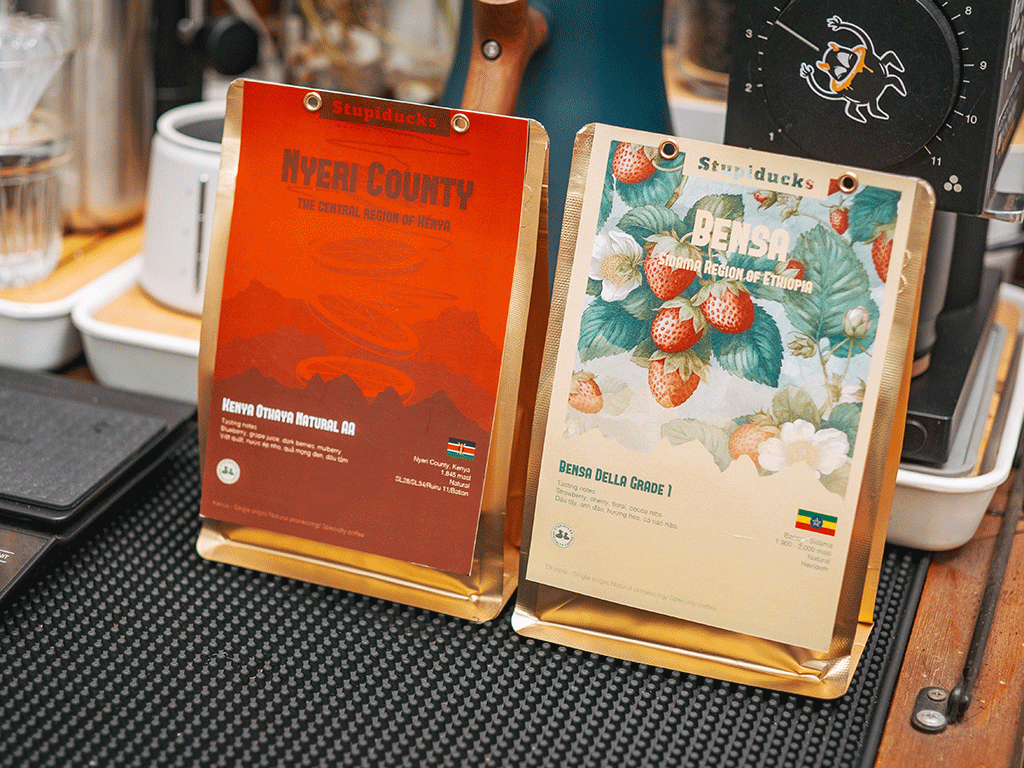
Seasonal and holiday themes give a coffee context. Dessert and sweet-inspired titles can connect ideas such as chocolate, caramel, berries, or pastries with the tasting experience. These themes can make flavour descriptions more approachable without relying only on terms.
Origin and producer themes can put more attention on where the coffee comes from and the people behind it. A name tied to a region, farm, producer, or story can give customers another reason to explore the coffee. This approach can also support conversations around sourcing, traceability, and the journey from farm to cup.
Flavour-inspired themes offer another route. Words linked to chocolate, citrus, stone fruit, or other tastes can give customers an idea of what they may find in the cup. Story-driven themes can instead focus on a person, place, memory, event, or idea connected to the roaster.
Some roasters build a name system across their coffee range. Different coffees may have different titles while following a shared theme or tone. This can make the range feel connected and easier to recognise. The key is to choose a name that supports the coffee rather than forcing every release into the same pattern.
What Should Roasters Consider When Naming Coffee?
A coffee title may begin as a creative idea, but it becomes part of the coffee once customers see it on a bag, read about it online, or hear someone talk about it. Before choosing one, roasters need to consider how it fits the coffee, the brand, and the customer experience.
Keep the Name Connected to the Brand and Coffee
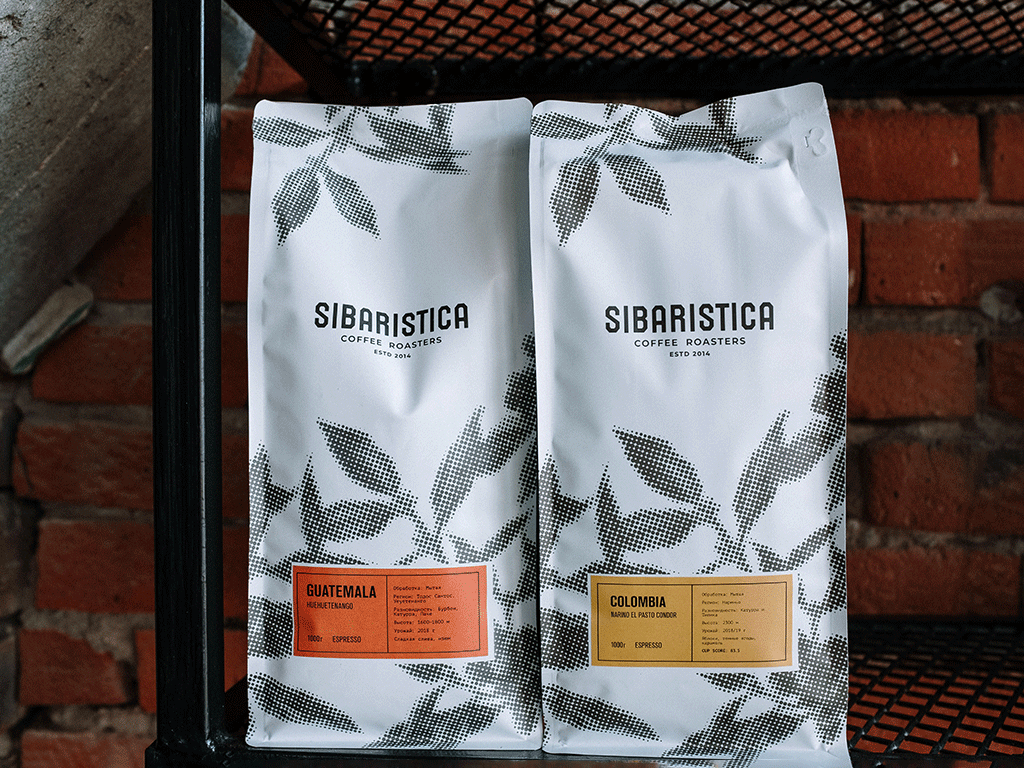
A coffee name should connect with both the coffee and the brand. It can come from the coffee’s origin, variety, processing method, flavour, producer, or story. It does not need to describe the coffee directly. A creative approach can still give customers a simple way to understand what makes the coffee different.
For roasters with a clear theme across their coffee range, new coffees can follow the same direction while keeping their own character. This helps customers recognise different coffees as part of the same brand. The packaging should also support this connection, so the design and product information work together clearly.
Think About the Customer Experience
Customers may see the coffee name before tasting the coffee, so it can shape their first impression. A clear title can help customers distinguish between coffees, remember what they enjoyed, and recognise the coffee when they see it again.
A coffee title may appear on the bag, website, menu, or social media. It should work naturally with other information, such as origin, processing method, and tasting notes, so customers can understand the coffee without making the packaging feel crowded.
Once the coffee name becomes part of the coffee’s identity, packaging needs to carry that identity across different customer touchpoints. The title, product information, and visual design should work together to present the coffee clearly.
At YamiPak Coffee, we offer custom coffee packaging for roasters, with different bag structures, materials, sizes, and printing options available to suit different products.
Roasters can customise their bags with features such as clear windows, card slots, degassing valves, and different finishing options. From small sample bags to larger retail formats, packaging can be produced according to the required specifications.
Our team works with roasters throughout the packaging process, from selecting the bag structure and material to final printing and production.
For more information on custom coffee packaging, contact the YamiPak Coffee team.
Share This Story, Choose Your Platform!

Chris Li
Chris Li is the Marketing Director at YamiPak coffee, with over 10 years of experience in packaging and printing. Passionate about sustainable solutions and innovative design, Chris helps brands create impactful packaging that leaves a lasting impression.