
Can Coffee Bags with Resealable Zippers Be Recycled?
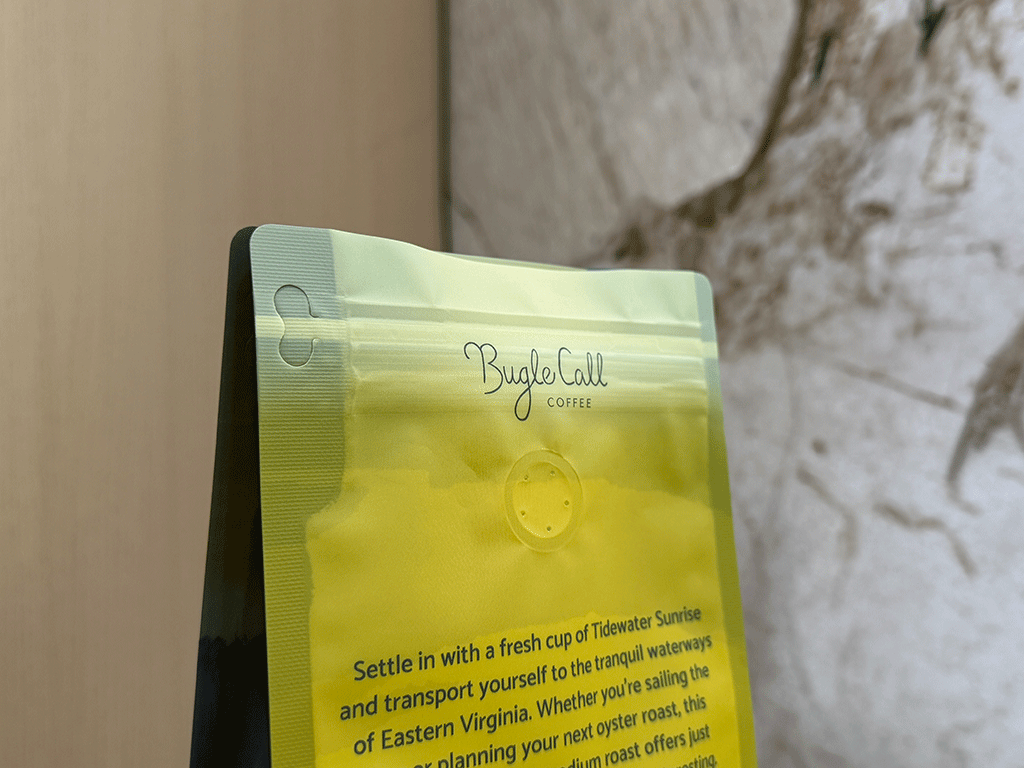
In the 1950s, resealable bags were introduced to provide a more convenient way to store coffee after opening. The development of resealable zippers changed flexible packaging by allowing coffee bags to be opened and closed multiple times without requiring additional storage containers.
As this technology became more widely used, resealable features were gradually introduced into different packaging industries, including coffee packaging. For roasters, keeping coffee fresh after opening became an important challenge, as exposure to oxygen and moisture can affect the aroma and quality of coffee beans.
However, while resealable zippers provide convenience and improve the user experience, the growing demand for sustainable packaging has created new questions. As more roasters explore recyclable coffee bags, many are asking whether resealable zippers can be included without affecting the recyclability of the overall package.
Why Do Coffee Bags Use Resealable Zippers?
Coffee bags are designed to protect coffee from external factors that can affect quality. Before opening, packaging helps reduce exposure to oxygen, moisture, and other conditions that may impact freshness.
However, once the bag is opened, the challenge changes. Customers need a reliable way to close the package again after each use. This helps maintain coffee quality during daily storage.
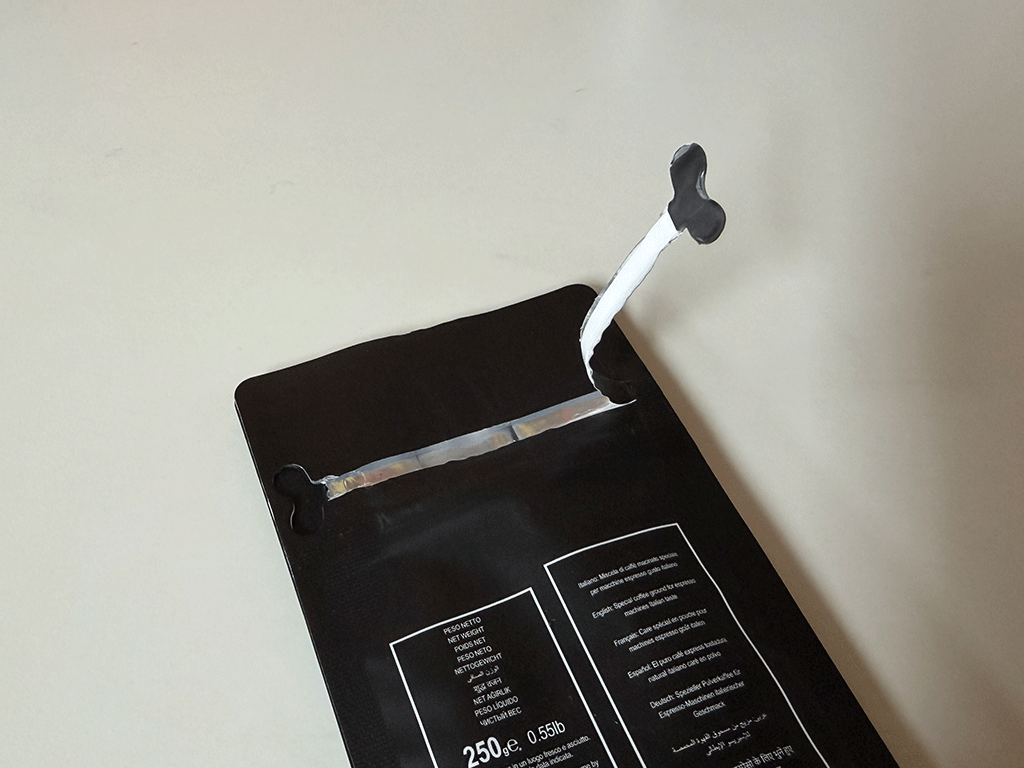
Resealable zippers provide a simple solution for this situation. Instead of transferring coffee beans or ground coffee into another container, customers can close the original packaging after use.
This makes storage easier and allows the coffee bag to remain part of the daily brewing experience. For retail coffee, this function can be especially useful because many customers do not finish a full bag in one day.
They may open the package every morning, take the amount they need, and close it again for later use. A resealable structure helps make this repeated process more convenient.
The value of resealable zippers also depends on how coffee is consumed. A large commercial bag that is emptied into a grinder immediately may not need frequent resealing. However, smaller coffee bags used at home or in retail environments are often opened multiple times, making resealing a more important feature.
For roasters, packaging decisions should consider how customers interact with the product after purchase. A coffee bag is not only a container for transportation and storage. It also supports the way customers protect and enjoy their coffee during daily use.
How Are Resealable Zippers Made?
Resealable zippers are small packaging components, but they require careful design and manufacturing. Their purpose is to create a reliable sealing function for coffee bags.
Most zipper structures are made from plastic materials that are shaped into two matching parts. One side contains a channel, while the other side contains a ridge.
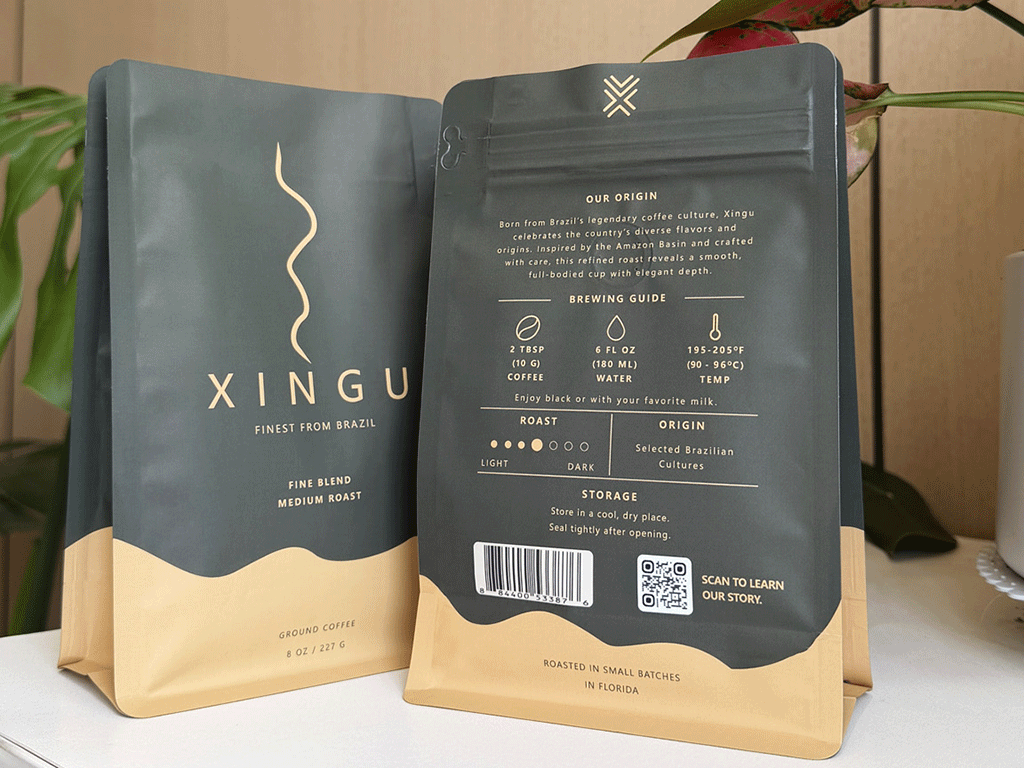
When these two parts are pressed together, they lock into place and create a closed seal. This structure helps protect the coffee inside from external factors.
During coffee bag production, the zipper is integrated into the upper opening area of the bag. It is usually attached through heat sealing, which connects the zipper structure with the packaging film.
This process allows the zipper to become a functional part of the coffee bag instead of an independent accessory. The manufacturing method helps maintain both sealing performance and packaging reliability.
The design of resealable zippers also needs to consider user experience. A zipper that is difficult to close may reduce convenience, while a weak structure may fail after repeated opening.
Different coffee products may require different resealing designs. A specialty coffee bag for home brewing may focus on easy opening and repeated use, while other formats may prioritize production efficiency or material compatibility.
For roasters, understanding how resealable zippers are added to coffee bags helps with better packaging decisions. The zipper is not simply a visual feature. It affects how customers store and use coffee after purchase.
When selecting packaging, roasters should consider how the zipper works with the entire bag structure. The relationship between the zipper, packaging material, and sealing system can influence both performance and sustainability.
Are They a Sustainable Choice for Roasters?
The sustainability of resealable zippers depends on more than the zipper itself. A coffee bag is a complete packaging system with different components.
Each part of the structure can influence recyclability. This includes the zipper material, packaging layers, and available recycling facilities in different regions.
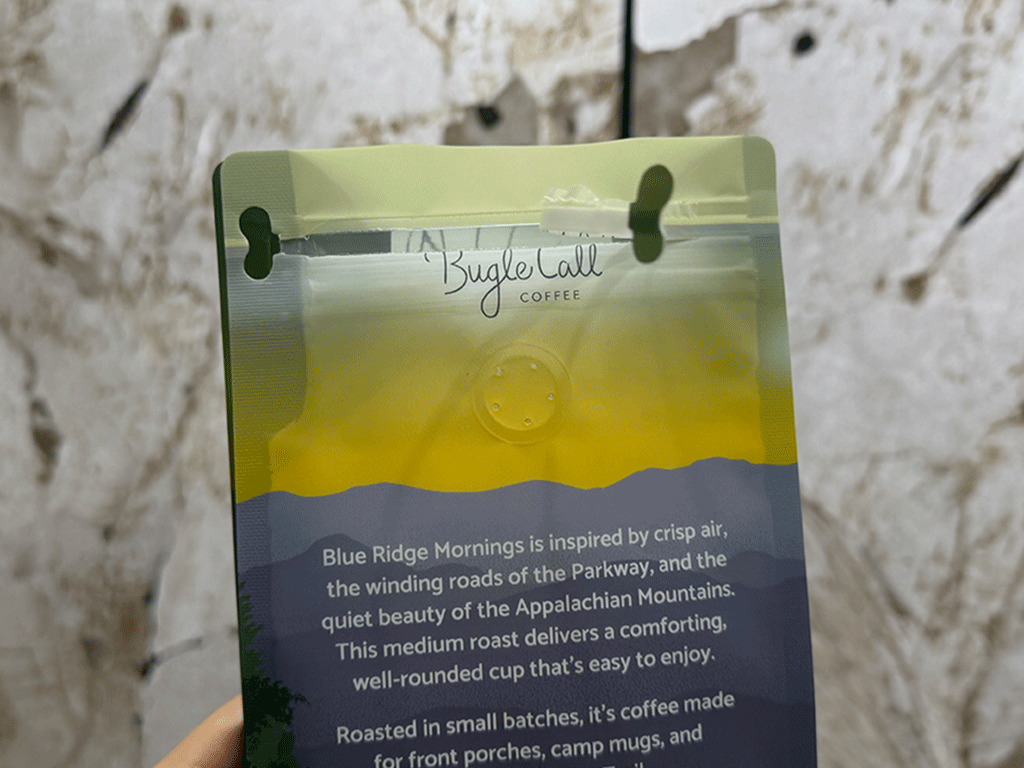
Many resealable zippers used in coffee packaging are made from materials such as LDPE or PLA. However, these materials may require different recycling or disposal methods.
If the zipper and the rest of the coffee bag use incompatible materials, the packaging may become more difficult to process after use. This is why material compatibility matters.
The key question is not only whether resealable zippers can be recycled. Roasters also need to consider whether the complete bag structure supports their sustainability goals.
A recyclable packaging solution requires different components to work together. The zipper, packaging material, and recycling system should be evaluated as one complete structure.
Material selection plays an important role when developing sustainable coffee packaging. Roasters should consider how each component affects the final packaging performance.
The right packaging design should balance coffee protection, customer convenience, and environmental requirements. A functional coffee bag needs to support both product quality and responsible material choices.
At YamiPak Coffee, roasters can explore customized coffee bag options based on different packaging requirements. These options include materials, structures, printing methods, and functional features.
Flexible packaging solutions allow roasters to create coffee bags that match their products and markets. The right packaging choice can support both customer experience and sustainability goals.
For more information on sustainable, resealable coffee bags, contact our team.
Share This Story, Choose Your Platform!

Chris Li
Chris Li is the Marketing Director at YamiPak coffee, with over 10 years of experience in packaging and printing. Passionate about sustainable solutions and innovative design, Chris helps brands create impactful packaging that leaves a lasting impression.
 Why Coffee Subscription Churn Happens and How Roasters Can Reduce It