
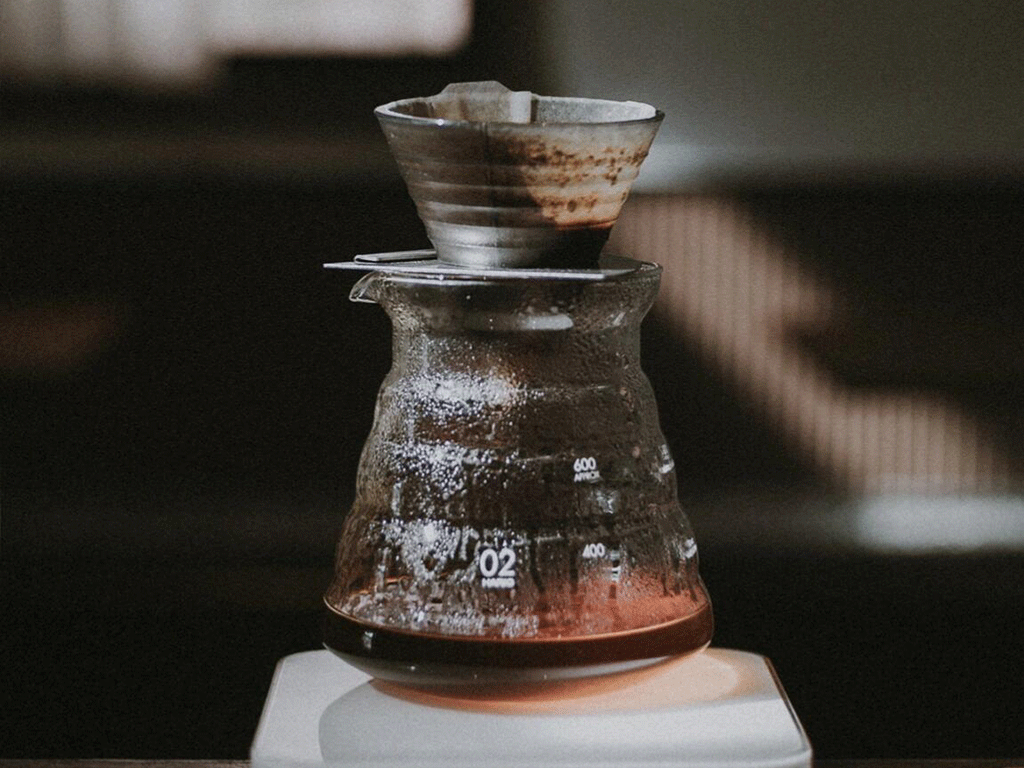
What Is Specialty Coffee and Why It Matters
Most coffee on the shelf looks similar, and many buyers still do not know what makes specialty coffee different from other options, or why one bag costs more or tastes cleaner than another.
Specialty coffee is coffee that reaches a high quality standard, usually 80 points or above on a 100 point scale, and trained tasters score it through formal sensory evaluation. It matters because quality, traceability, roasting, and freshness all shape a better coffee experience.
That simple answer helps, but it still leaves a bigger question. What does specialty coffee really mean in daily business, and why does it matter for roasters, retailers, and packaging decisions? Once you look at grading, sourcing, roasting, and shelf communication together, the idea becomes much clearer.
What Is Specialty Coffee
Specialty coffee refers to coffee that scores 80 points or above on a 100 point scale. In simple terms, it is coffee that shows higher quality, fewer defects, and clearer flavor than standard commercial coffee. Trained professionals score it through a structured tasting process, and Q graders are the best known licensed evaluators for this work. The Specialty Coffee Association now also uses a broader value based definition, which looks at distinctive attributes and not only at one final score. That wider view matters because quality today is tied to sensory performance, consistency, transparency, and the people behind the coffee.
The basic idea
You do not need to treat specialty coffee like a mystery term. It still starts with quality in the cup. If the coffee tastes clean, balanced, and expressive, and if trained tasters can confirm that through a standard system, it enters a different category from commodity coffee. That is why the term carries real weight in buying, roasting, and retail communication. It gives people a clear way to talk about quality without reducing everything to marketing language.
How Specialty Coffee Is Graded

One reason specialty coffee matters is that people do not call it “specialty” just because it sounds premium. The coffee goes through a grading process with real standards behind it. Certified Q graders and other trained cuppers evaluate the coffee, and the system connects closely to SCA standards and sensory practice. Tasters look at several attributes during cupping, including aroma, flavor, acidity, body, aftertaste, and balance. They do not judge only one note or one first impression. They judge the full sensory picture. Coffees that score 80 or above enter the specialty category, and higher scores usually point to cleaner cups, better structure, and more layered flavor. Defects, inconsistency, and weak cup quality pull scores down. The SCA has also expanded its work through the Coffee Value Assessment, which adds a broader and more transparent view of coffee value.
Who gives the score
Q graders matter because they bring trained sensory judgment to the table. Their role helps keep grading more consistent across buyers, sellers, and roasters. That gives the industry a common language.
What the score tells you
The score does not promise that every buyer will love the same coffee. It tells you that the coffee meets a recognized quality level. That is important because it separates “good marketing” from actual cup quality.
What Makes Specialty Coffee Different
Specialty coffee feels different because the difference starts long before brewing. Quality starts at origin, where producers grow and sort higher quality Arabica with tighter control and fewer defects. Then traceability gives the coffee a clear identity. Buyers often know the country, region, farm, variety, and process, whether washed or natural. That means consumers know more about what they are drinking. Roasting also changes the picture. Roasters usually work in smaller batches and try to highlight flavor instead of hiding problems with dark roast. They roast to reveal the coffee, not to flatten it. Freshness matters too. Many bags show a roast date because flavor clarity changes over time, and old coffee rarely tastes as precise as fresh coffee. When all these pieces work together, specialty coffee becomes easier to understand, easier to trust, and easier to present well on the shelf.
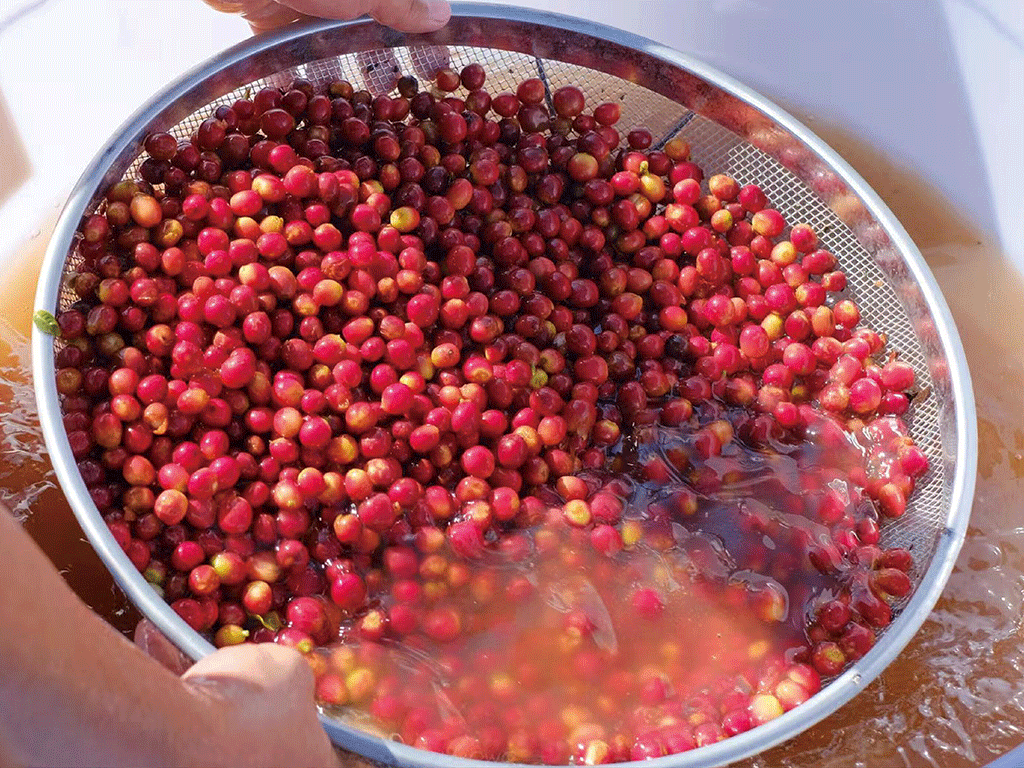
Bean quality and traceability
Better coffee usually starts with better raw material and better sorting. Then traceability gives that quality a story that buyers can verify, not just guess.
Roasting and freshness
Roasting shapes how the coffee speaks. Freshness shapes how clearly it speaks. That is why roast date, barrier materials, degassing valves, and storage conditions matter so much in this category.
Why It Matters
Specialty coffee matters because it changes what people expect from the whole product, not just from the drink in the cup. For consumers, it creates clearer choices and a better experience. They can read origin, process, and roast details and make more informed decisions. That makes the buying process more transparent and helps people understand why one coffee may taste different from another.
For roasters, it creates more room for brand expression and clearer communication. Specialty coffee is often sold with more detail, and that detail needs to be presented in a way that feels simple and useful. For retail, this also matters. On a busy shelf, the packaging often has to explain the coffee quickly. It needs to help customers notice the product, understand what makes it different, and feel confident enough to choose it.
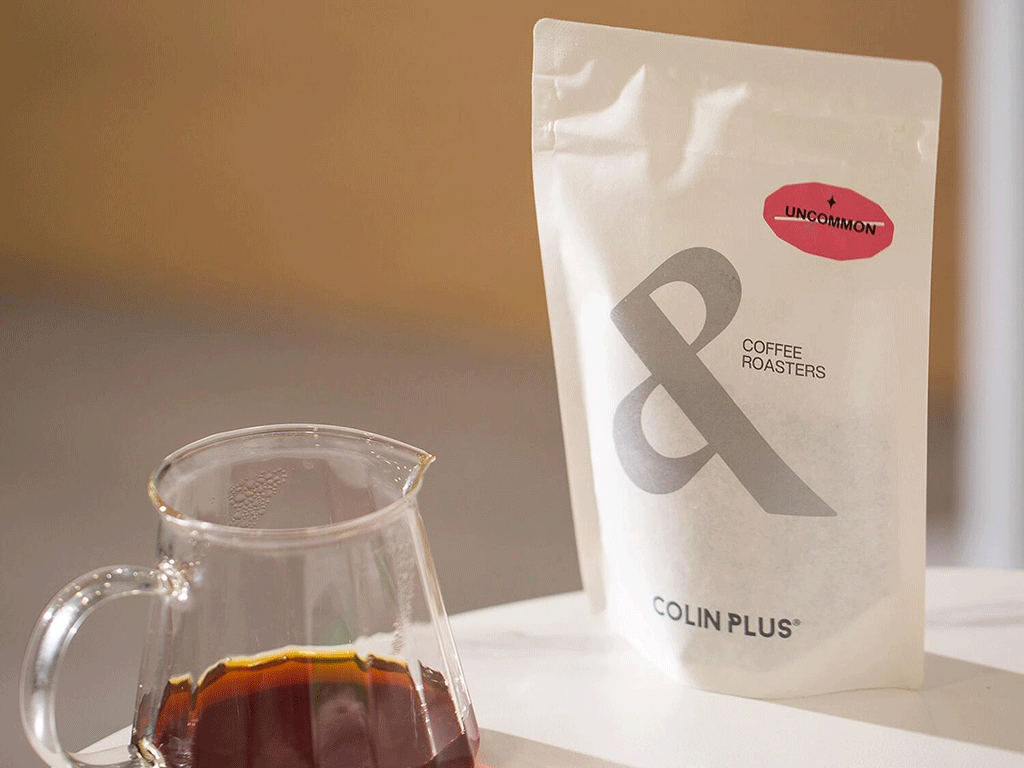
As specialty coffee continues to grow, expectations around quality, transparency, and sustainability have also evolved. It’s no longer just about how the coffee tastes, but how it’s sourced, presented, and understood by the end customer. Buyers now pay more attention to where the coffee comes from, how it was processed, and whether the product reflects the values they care about.
Coffee packaging plays a role in this shift. Materials such as recyclable, biodegradable, or compostable options allow roasters to align their packaging with the values behind specialty coffee, while still preserving freshness and shelf appeal. The bag is no longer only a container. It also carries product information, supports brand identity, and helps connect quality with presentation. At YamiPak Coffee, we support roasters in developing packaging that reflects both quality and environmental awareness.
FAQ
What makes coffee “specialty”?
It usually means the coffee scores 80 points or above and shows high cup quality with fewer defects. Trained tasters confirm that through formal sensory evaluation.
Why is specialty coffee so expensive?
It often costs more because producers, importers, and roasters put more work into sourcing, sorting, roasting, and quality control. Smaller lots and better traceability also raise the cost.
Is specialty coffee stronger than regular coffee?
Not always. It often tastes more complex and cleaner, but caffeine strength still depends more on roast style, dose, and brew method than on the label alone.
Share This Story, Choose Your Platform!

Chris Li
Chris Li is the Marketing Director at YamiPak coffee, with over 10 years of experience in packaging and printing. Passionate about sustainable solutions and innovative design, Chris helps brands create impactful packaging that leaves a lasting impression.
 How Coffee Packaging Affects Coffee Flavor