What Makes a Creative Coffee Bag Work for Coffee Roasters?
Key Takeaways:
- A creative coffee bag should help roasters attract attention, explain the coffee clearly, and support the buying decision.
- The best design is not the loudest one. It is the bag that matches the coffee, the brand, and the sales channel.
- Creative details such as colour systems, illustration, labels, finishes, or unusual structures should make the coffee easier to recognise, not harder to understand.
Many roasters want a creative coffee bag because they want their coffee to feel different before a customer even tastes it. That goal makes sense. Coffee bags often appear in crowded retail spaces, café shelves, subscription boxes, online listings, and social media posts. Visual design can help the bag get noticed faster.
But a creative coffee bag has to do more than look interesting. It needs to answer a sales question: why should this customer choose this coffee now?
For coffee roasters, creativity works best when it supports clear information. A strong bag can show the brand personality, highlight the coffee name, guide the customer toward flavour notes, and still leave room for roast date, weight, brewing notes, or origin details. When these parts work together, creativity becomes a tool for trust, not just decoration.
Why a Creative Coffee Bag Needs a Clear Sales Purpose
Before designing a creative coffee bag, roasters should define what the design needs to achieve. A bag for a seasonal blend, a rare micro lot, a café retail range, and an online subscription release may all need different creative choices.
A seasonal coffee may need a warmer and more giftable look. A micro lot may need a refined design that gives more space to origin, process, altitude, and farm story. A retail bag may need stronger front-panel recognition, because customers may only give it a few seconds of attention before moving on. A coffee sold online may need a design that stays clear when shown as a small image.
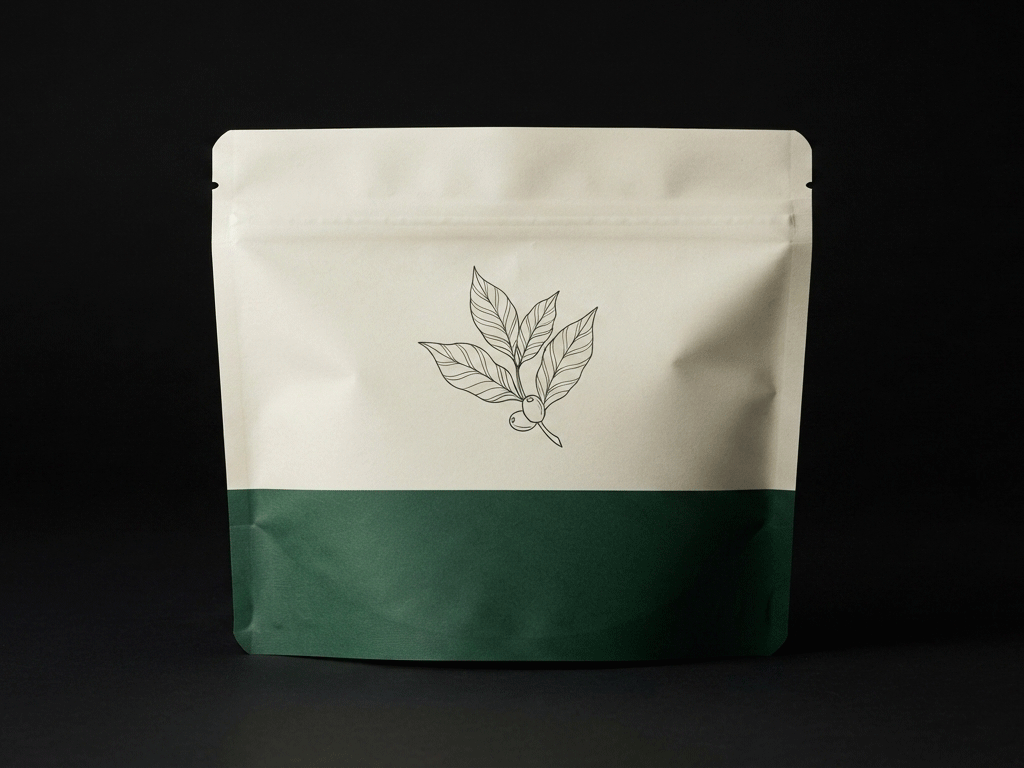
The creative coffee bag should match the buying moment. If the main goal is gifting, the bag may need stronger visual emotion. If the goal is daily retail sales, the design may need a clearer flavour system.
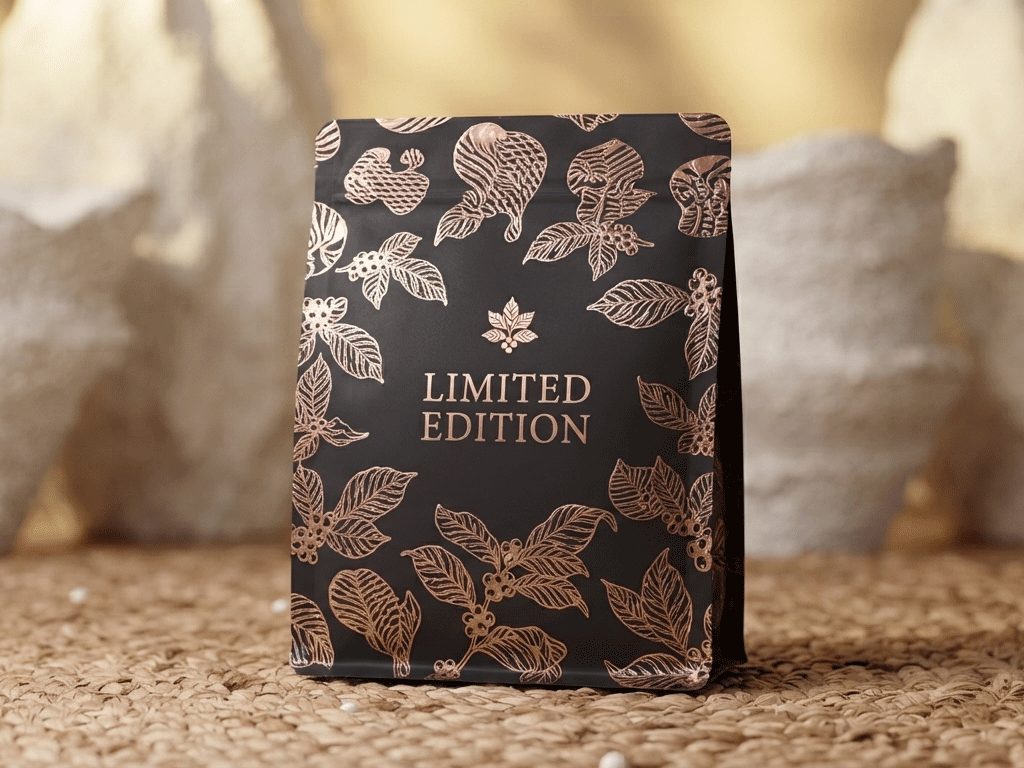
If the goal is a limited release, the bag may need to show scarcity without making the information difficult to read.
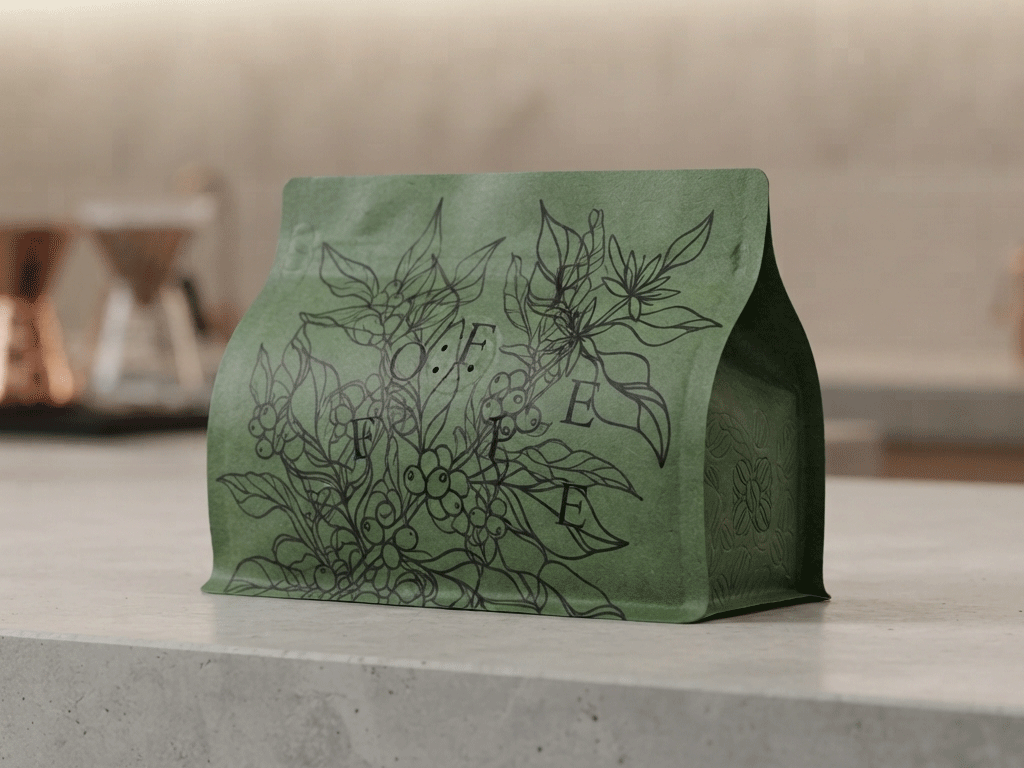
This is where roasters should avoid creativity for its own sake. Illustration, bright colours, metallic ink, spot gloss, labels, sleeves, or unusual bag shapes can all be useful, but only when they support the message.
A creative coffee bag works best when the customer can quickly understand what the coffee is, why it feels different, and whether it fits their taste. The design should create interest first, then guide the customer toward a confident choice.
How Packaging Design Can Influence Customer Attention
Packaging design can influence buying behaviour. An Ipsos survey found that 72% of Americans agreed packaging design often influences purchase decisions, while 81% agreed packaging design can influence gift selection. For coffee roasters, this matters because coffee bags often need to work as both retail communication and brand presentation.
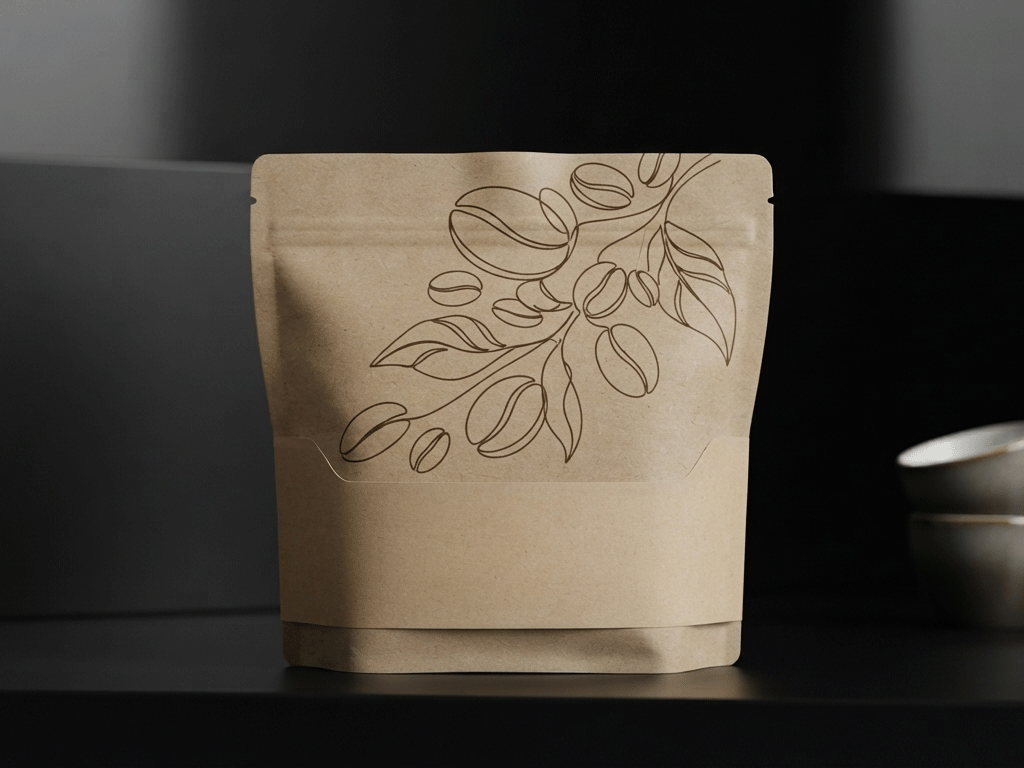
A creative coffee bag can help roasters gain attention, but attention alone is not enough. If the bag looks strong but the coffee name, roast style, or flavour direction is hard to find, the design may create interest without helping the customer choose.
This is why hierarchy matters. The roaster name, coffee name, flavour notes, roast level, process, and date information should not compete for attention equally. The most important detail should be seen first, and supporting details should be easy to find after that.
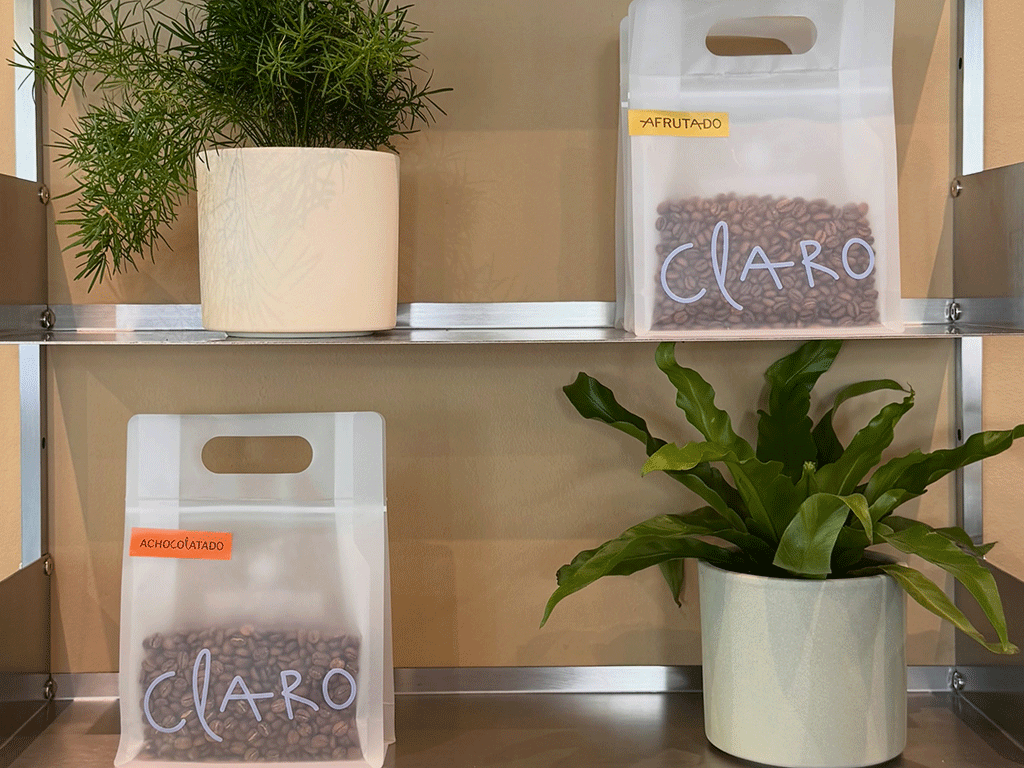
A creative coffee bag can use colour to separate flavour families, illustration to express a story, typography to build personality, or finishing details to highlight the logo or coffee name. These choices can make the bag more memorable, but they should still keep the customer’s path simple.
For example, a bold artwork system can work well if the label area stays clean. A colourful range can feel exciting if each bag still follows the same information logic. A special finish can add value if it highlights the right part of the design.
NielsenIQ BASES has reported that optimized package designs generate an average 5.5% lift in forecasted revenue. This does not mean every redesign will improve sales, but it shows why design decisions should be tested, planned, and connected to business goals.
What Roasters Should Plan Before Creating a Creative Coffee Bag
A creative coffee bag should be planned before the artwork is final. The design may look strong on screen, but coffee bags change when they are printed, filled, sealed, photographed, shipped, displayed, and handled by customers.

Roasters should first consider the bag format and size. A 250g bag, 340g bag, 1kg bag, and sample bag do not give the same front-panel space. A design that looks balanced on one size may feel crowded or empty on another. If the same coffee range uses several sizes, the design system should stay recognisable while still allowing each format to work clearly.
Material and finish choices also shape how a creative coffee bag feels. Matte film, kraft paper, metallic ink, spot gloss, embossing, windows, labels, and sleeves can support the coffee story, but the right choice should clearly match the sales channel, release type, and customer expectation.
Date printing, valves, zippers, seal areas, QR codes, and label placement should also be considered early. These details may look small, but they affect how customers read and use the bag.
The specialty coffee shelf is crowded, and many coffee bags use similar signals of premium quality. For roasters, a creative voice can help the bag reflect who they are, what their coffee means, and why customers should care before the first sip.
A strong creative coffee bag is more than a short-term design trend. It should be something customers can notice, understand, remember, and want to pick up.
At YamiPak Coffee, we help roasters turn visual ideas into custom coffee bags for retail shelves, online stores, subscriptions, and café displays, balancing visual impact, coffee information, and practical needs.
For more information about designing a creative coffee bag, contact YamiPak Coffee.
Share This Story, Choose Your Platform!

Chris Li
Chris Li is the Marketing Director at YamiPak coffee, with over 10 years of experience in packaging and printing. Passionate about sustainable solutions and innovative design, Chris helps brands create impactful packaging that leaves a lasting impression.