What Is a Coffee Bag Valve? Meaning & Function
Coffee lovers dislike stale brews. A swollen or cracked bag can ruin aroma and flavor before the first sip. That’s why the coffee bag valve has become a key feature in modern packaging — it keeps beans fresh by preventing bloating and protecting aroma.
This article explains what a coffee bag valve is, how it works, and why degassing valves are essential for preserving freshness in modern coffee packaging.
What Does a Coffee Bag Valve Mean?
A coffee bag valve, also called a degassing valve, is a one-way valve that lets carbon dioxide escape from freshly roasted coffee while blocking oxygen. It prevents bloated bags and helps preserve aroma and freshness for weeks or even months, making it a critical feature in modern coffee packaging.
What Is a Coffee Valve and How Does It Work?
After roasting, beans release carbon dioxide for several days. If gas has no way to leave, bags expand, swell, or even burst.
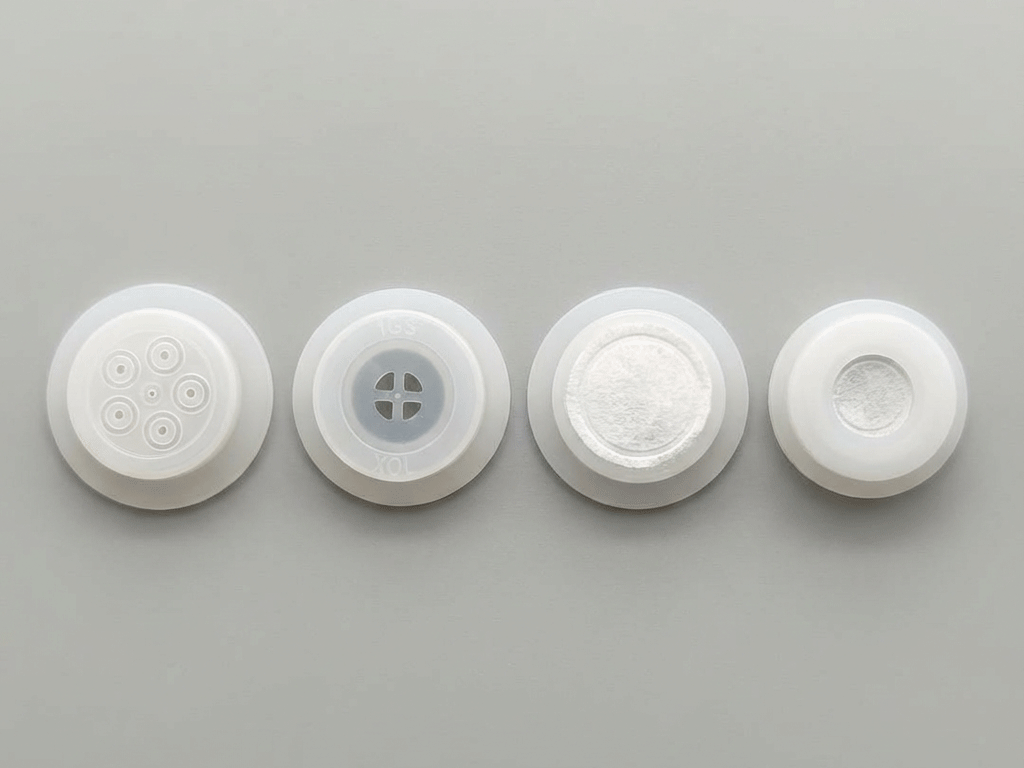
Inside the valve is a small disc that lifts when pressure builds and closes when pressure drops. This simple design means bags can release gas safely while staying sealed against air.
Roasters benefit because they can pack beans right after roasting instead of waiting for degassing to finish. Customers also enjoy the aroma by gently pressing the bag, which becomes part of the buying experience.
Why Coffee Valves Are Important
Many people notice the round button on a bag but do not know why it matters.
Degassing valves are important because they protect freshness, preserve aroma, and stop packaging problems like swelling or splitting. Without them, coffee often tastes flat within days.
Valves extend shelf life, allow safe storage, and make packaging look neat on shelves. They also reduce waste by preventing bags from breaking during transport. A neat, firm package improves customer confidence and keeps the product attractive.
Coffee Bags With Valves vs. Without Valves
Some roasters now choose valveless bags for cost savings and easier recycling.
Valve bags are ideal for ground coffee and long-term storage. Valveless bags work for whole beans sold locally and consumed quickly. Both have clear strengths and weaknesses.
Valve bags usually last longer because they keep oxygen away. They are more expensive, and recycling is harder because the valve is plastic. Valveless bags are cheaper and more eco-friendly, but they risk bloating or faster staling.
Roasters often use both styles. For wholesale and exports, valve bags are safer. For short-term sales and eco-focused markets, valveless bags are simpler.
How Valves Prolong Freshness
Freshness is at the center of coffee quality. Oxygen is the main cause of staling.
Degassing valves prolong freshness by letting gas out and stopping air from entering. This slows oxidation and preserves the original flavor and aroma.
Whole beans stored in valve bags can remain good for two to four months. Ground coffee usually lasts four to eight weeks. Without valves, both lose quality in less than two weeks.
Valves also keep the outer shape of the bag firm. Flat, clean bags look appealing, while swollen bags suggest poor quality. This small device improves both flavor and customer perception.
When Are Valves Really Needed?
Not every coffee package requires a valve.
Valves are most useful for dark roasts, ground coffee, larger bags, and products that must travel long distances. Smaller, fast-use packages may not need them.
Dark roasts produce more gas, and ground coffee releases gas faster because of larger surface area. Big bags trap more pressure, and exports require long shelf life. In these cases, valves are essential.
Some roasters use alternatives like vacuum sealing or nitrogen flushing. These also protect freshness but require special equipment and higher costs.
Sustainability and Coffee Packaging Valves
Traditional valves are made from plastic and complicate recycling. Modern eco designs are changing this.
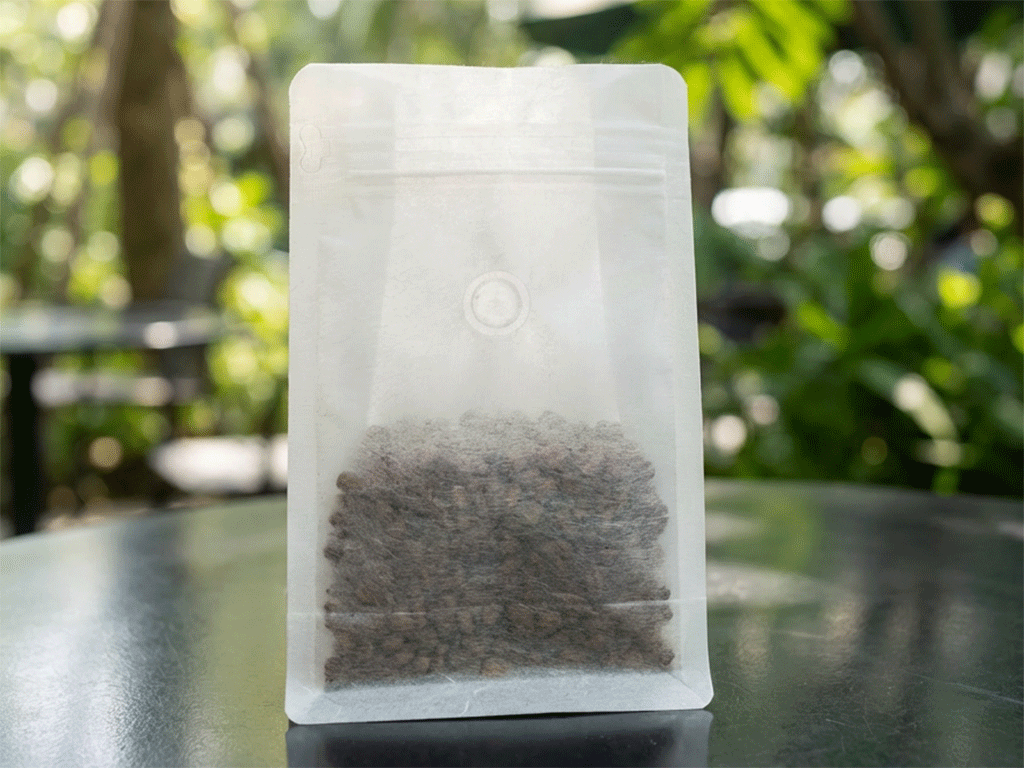
Recyclable or compostable valves made from PE, PP, or PLA are now available. They pair well with kraft, rice paper, or multilayer packaging to cut waste.
These new valves perform the same role but reduce environmental impact. Customers who care about sustainability prefer packaging they can recycle easily. By choosing eco-friendly valves, roasters can align with customer values and build stronger loyalty.
Quality Control and Testing
Even the best valve is useless if it fails. Quality testing makes sure coffee reaches the customer fresh and safe.
Coffee packaging must be checked for leaks, valve function, and seal strength. This protects shelf life and avoids costly product loss.
Tests include leak detection with water immersion, gas analysis to measure oxygen and carbon dioxide, and shipping trials to test durability. Regular testing avoids waste and keeps brand reputation strong.
Coffee Bag Valves at the Heart of Freshness
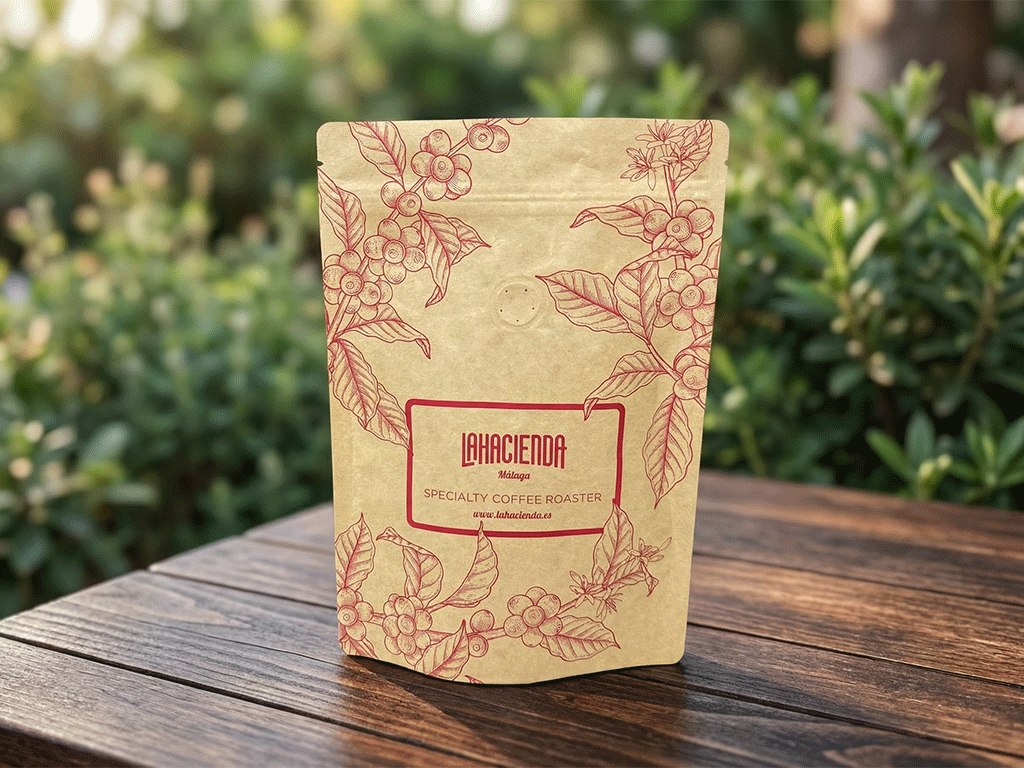
Coffee bag valves may look small, but they play a vital role. They preserve freshness, extend shelf life, and protect the natural aroma of roasted beans.
By combining high-quality degassing valves with sustainable materials such as kraft paper, rice paper, or PLA linings, coffee packaging can meet modern demands for both flavor protection and eco-friendly practices. This balance allows roasters to deliver coffee that stays vibrant while reducing waste.
At YamiPak Coffee, We offer customizable coffee bags with degassing valves, tailored to different sizes, styles, and sustainability goals. Our solutions help roasters keep coffee fresh, attractive, and ready for any market.
FAQs
Why do coffee bags have holes?
That small round hole is a one-way valve. It lets carbon dioxide escape while blocking oxygen.
Do all coffee bags need valves?
No. Small packages for quick use may skip them. Larger bags and exports require valves.
How long does coffee stay fresh in valve bags?
Whole beans remain good for two to four months. Ground coffee usually lasts four to eight weeks.
Are coffee bag valves recyclable?
Traditional ones are not. New versions made from PE, PP, or PLA can be recycled or composted.
Can valveless bags keep coffee fresh?
Yes, but usually only for short-term storage. For longer life or ground coffee, valves work better.
Why do some roasters avoid valves?
They cost more and complicate recycling. Some prefer vacuum sealing or nitrogen flushing instead.
Do valves change coffee taste?
No. They protect aroma by blocking oxygen but do not affect flavor directly.
What makes eco valves better?
They use biodegradable or recyclable materials. This lowers waste and supports a circular economy.
Share This Story, Choose Your Platform!

Chris Li
Chris Li is the Marketing Director at YamiPak coffee, with over 10 years of experience in packaging and printing. Passionate about sustainable solutions and innovative design, Chris helps brands create impactful packaging that leaves a lasting impression.