How Coffee Box Printing Enhances Your Brand
Competition among specialty coffee brands continues to intensify. The role of the coffee box is becoming more visible in how brands communicate value. Market forecasts indicate that the global coffee sector is expected to reach around USD 167.01 billion by 2032. This growth is driven by sustained demand for premium and specialty products. Subscriptions, direct-to-consumer sales, and curated retail formats are expanding. Packaging has become part of how customers judge quality before tasting the coffee.
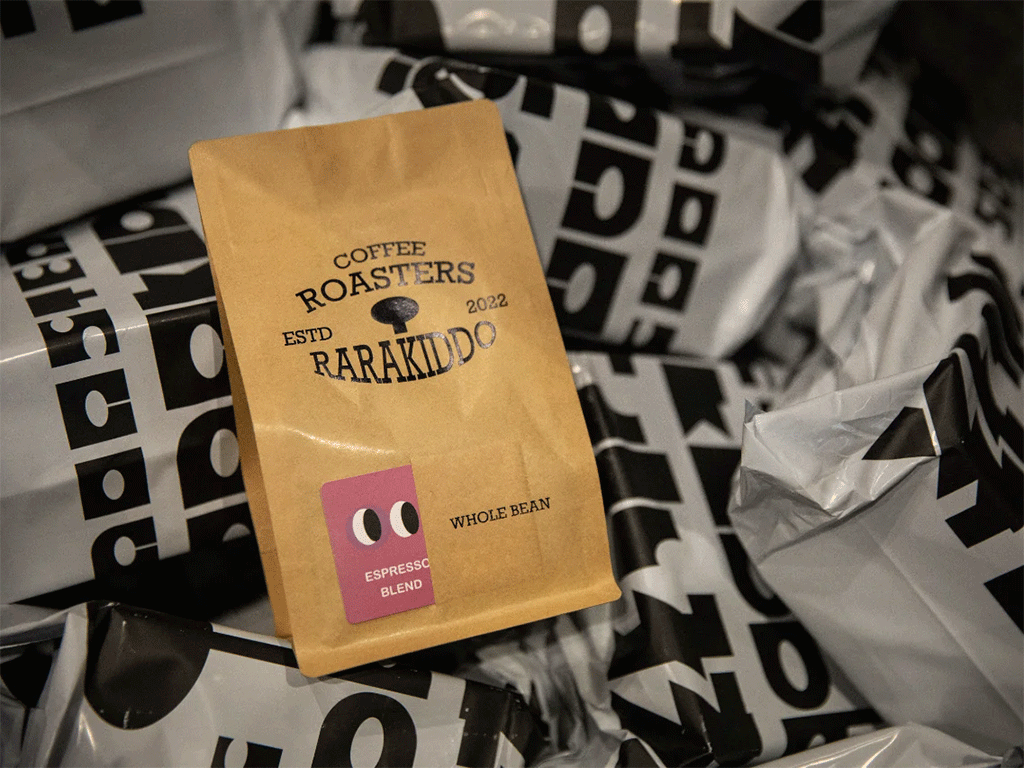
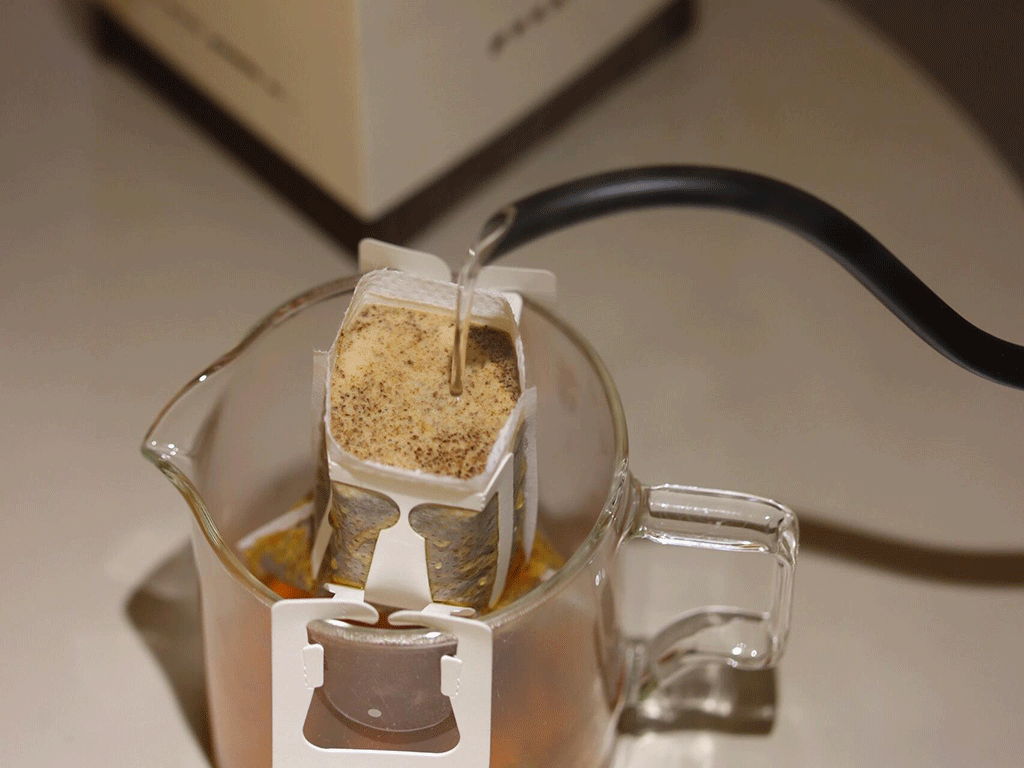
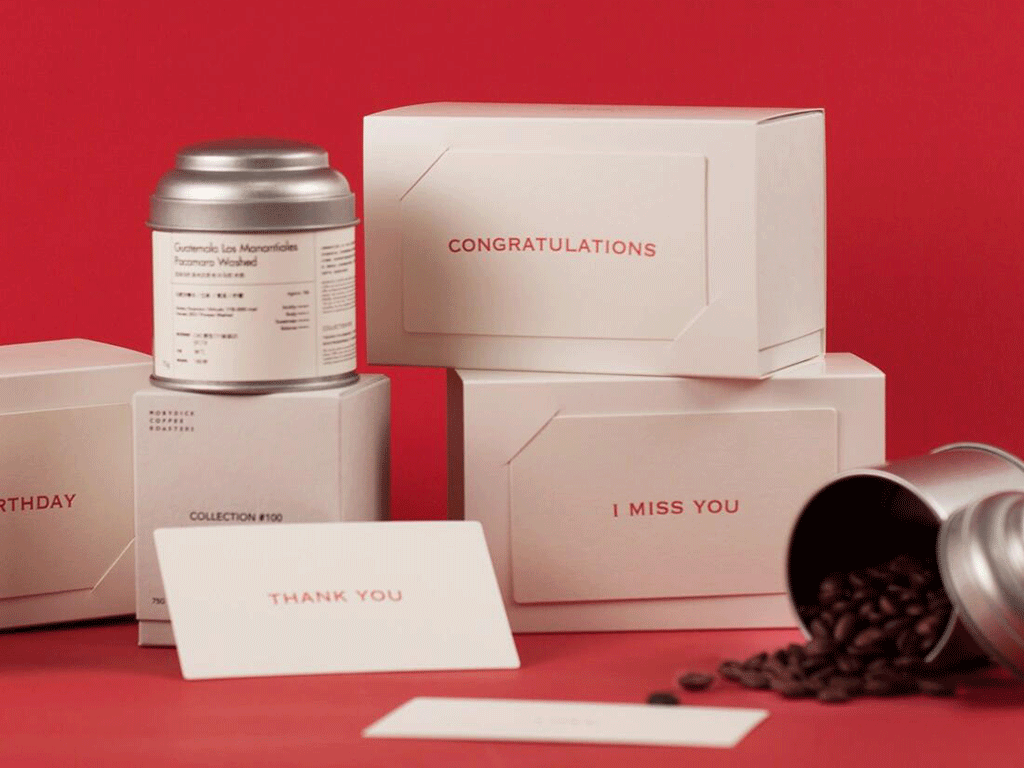
This helps explain why custom-printed coffee boxes are appearing more frequently across the industry. They are widely used for subscriptions, tasting sets, and gift collections. They provide protection and space for branding, storytelling, and product information. This allows brands to manage the visual experience from first glance to unboxing.
Printing details shape perceived value. Typography sharpness, colour stability, and surface finishing influence whether a coffee feels everyday or premium before it is brewed. Brands need to ensure these elements consistently support their coffee box image.
Why customize coffee packaging boxes?
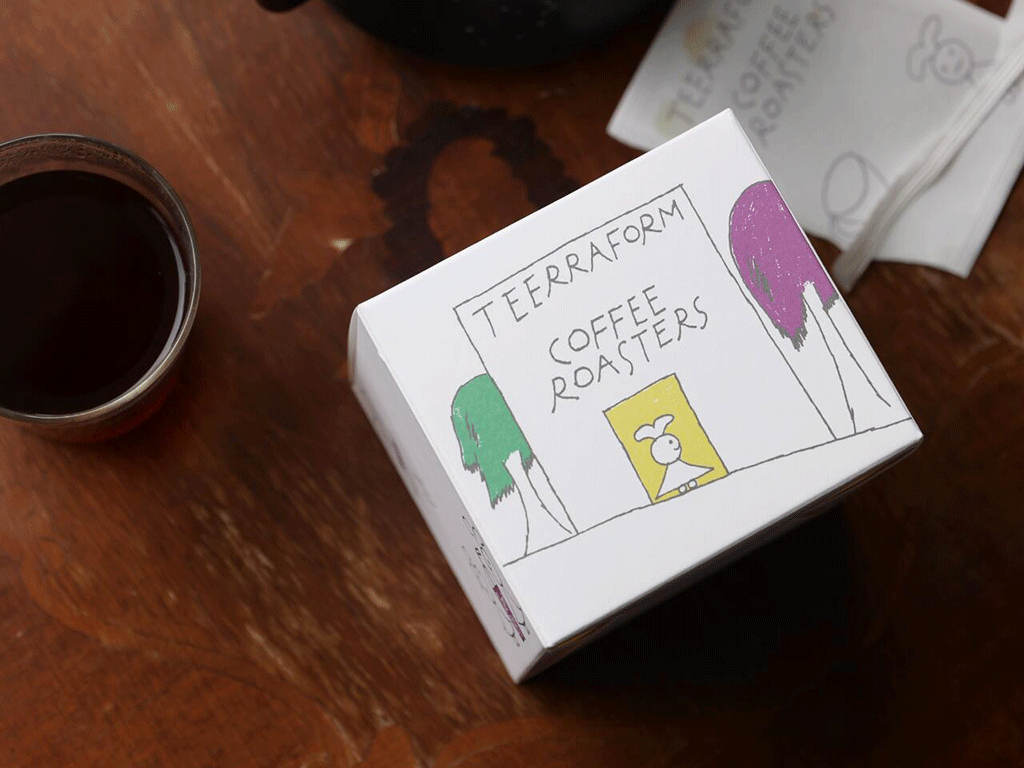
Custom coffee packaging boxes give brands direct control over how their products are perceived at first contact. Standard packaging presents coffee as a functional product. Custom packaging reframes it as a brand experience. Layout, colour systems, material choice, and surface finishing all affect perception. Each decision shapes how customers interpret quality, pricing, and market positioning.
A customised coffee box allows brands to:
·Build a consistent visual identity across retail, e-commerce, and subscription channels
·Communicate key product information clearly, including roast level, origin, and flavour notes
·Support premium pricing by aligning packaging execution with product value
·Improve memorability and shelf recognition
·Create a more deliberate unboxing experience for online customers
In subscription models in particular, the coffee box becomes part of the product itself. Customers interact with it repeatedly, not once. Design and printing quality influence long-term brand perception and loyalty. Their impact goes beyond the first purchase.
How Coffee Box Printing Shapes Brand Identity
Design defines how a brand wants to be seen. Printing technology determines whether that vision survives production.
A coffee box may look precise on screen. In reality, it can appear inconsistent if ink behaviour, board texture, or finishing methods are poorly matched. Colour shifts, soft typography, and uneven surfaces reduce visual authority and weaken brand recognition, especially when packaging is reproduced at scale.
This is where printing execution becomes part of brand identity rather than a technical afterthought. Controlled colour management and stable ink adhesion improve consistency. Sharp line reproduction and repeatable finishing processes protect typography and layout across batches and markets.
A practical example can be seen in Eleven 14 Coffee, an Irish specialty coffee roaster known for its clean visual system and structured packaging layout. The brand relies on restrained typography, clear hierarchy, and minimal graphics to communicate origin, roast profile, and professionalism. This approach only works when printing precision supports it. Fine text must remain legible. Dark tones must stay stable. Surface finishes must avoid visual noise. Any inconsistency would immediately disrupt the brand’s disciplined aesthetic.
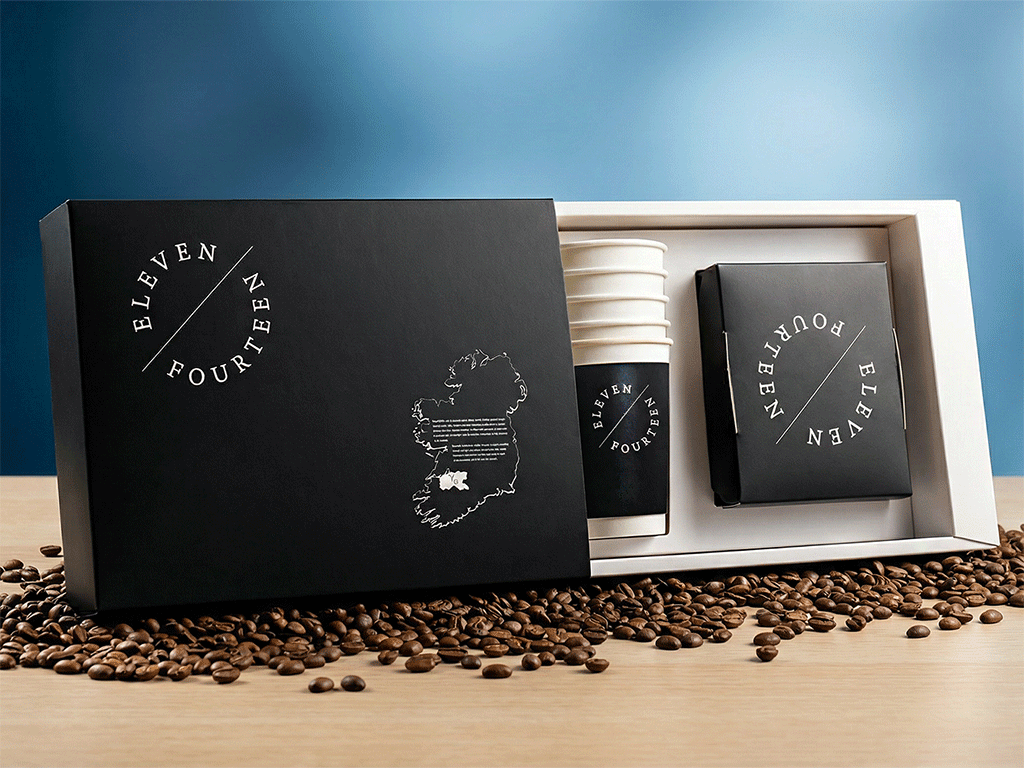
For growing coffee brands, this consistency is not cosmetic. It affects how customers recognise products, how packaging performs in photography and e-commerce, and how credible the brand appears when entering new retail or subscription markets. In this sense, printing technology becomes a foundation for visual trust, not merely a production step.
Custom Coffee Boxes and Sustainable Packaging Solutions
Designing a coffee box involves more than choosing a size or adding a logo. Structure, material strength, internal layout, and printing execution all affect real-world performance and brand perception. A box that protects coffee during transport, opens cleanly, and presents products in an organised way creates a more controlled experience for customers.
Outer materials influence durability and handling. Internal dividers and inserts keep coffee bags stable and visually consistent during shipping and display. Printing methods also matter. When planned carefully, they support colour stability, text clarity, and surface consistency across production runs. Together, these elements make the coffee box a functional part of the product experience rather than just a container.
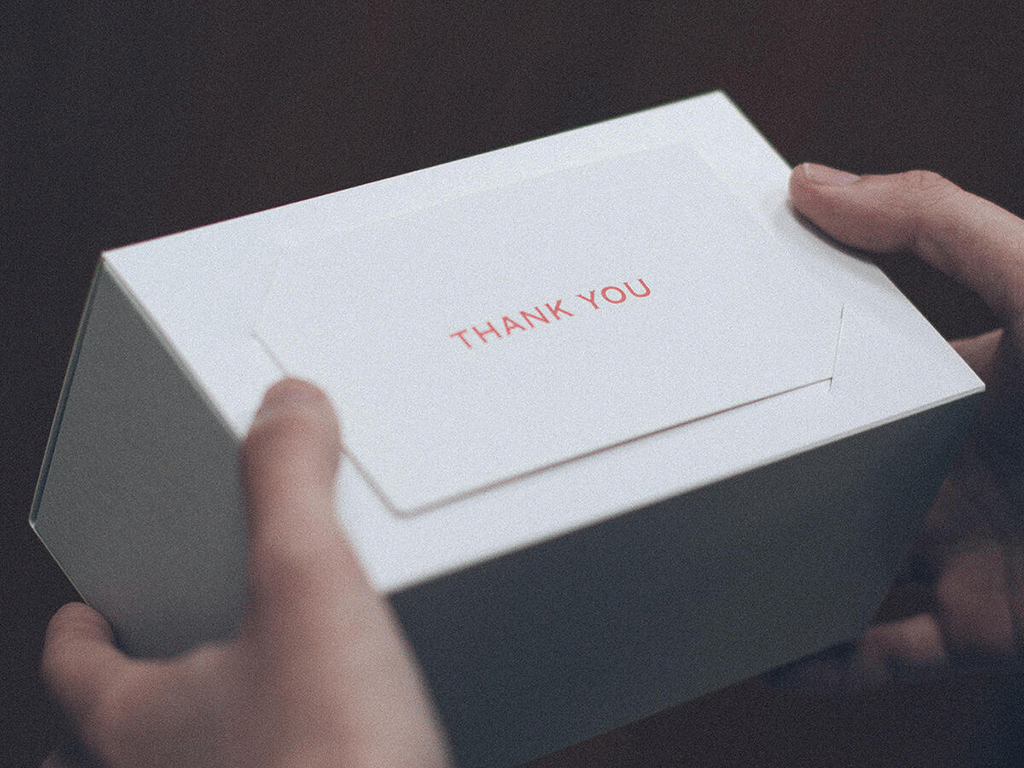
At YamiPak Coffee, we manufacture coffee packaging boxes using recycled corrugated board selected for strength, durability, and resistance to common transport conditions. Multiple size options are available for retail formats, subscription kits, and gift sets to ensure reliable protection at every stage.
Our design team works closely with brands to customise both the outer box and the internal layout, including dividers and inserts, so coffee bags remain secure and well organised throughout distribution. We also provide recyclable and renewable packaging materials, including kraft paper, rice paper, and multi-layer LDPE structures with eco-friendly PLA liners. These formats integrate well with subscription programs, specialty roasts, and limited releases.
All paper-based materials are available with FSC certification, supporting responsible sourcing and supply-chain transparency. Every coffee box and inner packaging option can be customised using gravure printing, embossing and debossing, holographic finishes, spot UV treatments, and digital printing for short runs. This helps brands maintain consistency, communicate quality, and support sustainability-focused markets.
For more information about custom coffee boxes, feel free to contact the YamiPak Coffee team.
Share This Story, Choose Your Platform!

Chris Li
Chris Li is the Marketing Director at YamiPak coffee, with over 10 years of experience in packaging and printing. Passionate about sustainable solutions and innovative design, Chris helps brands create impactful packaging that leaves a lasting impression.