What Makes a Coffee Bag Resealable? Zipper vs. Tin Tie
In the world of specialty coffee, packaging is not just a container. A resealable coffee bag preserves the roast, tells a story, and increasingly invites interaction.
Choosing the right resealable option is an important decision for coffee roasters and brands. This article compares zipper and tin tie closures to help you choose the best resealable coffee bag based on freshness, cost, and user experience.
Resealable Coffee Bags: A Common Practice in Modern Coffee Packaging
In today’s coffee market, resealable closures are no longer a luxury—they’re a standard. As more consumers care about freshness and convenience, systems like zippers and tin ties have become the preferred choice for many coffee brands.
Especially in e-commerce and daily home consumption scenarios, resealable features not only extend the usability of the product but also serve as a visible indicator of a brand’s professionalism. These packaging details align with consumer expectations and reflect the industry’s shared commitment to quality and functionality.
According to data from Euromonitor International, resealable packaging in the coffee category has seen consistent growth over the past five years, particularly in small and medium-sized retail packs. This widespread adoption has pushed coffee brands to prioritize closure durability and reuse, with innovations such as hidden zippers, double tin ties, and magnetic closures helping brands differentiate in a competitive market.
What Is a Resealable Coffee Bag?
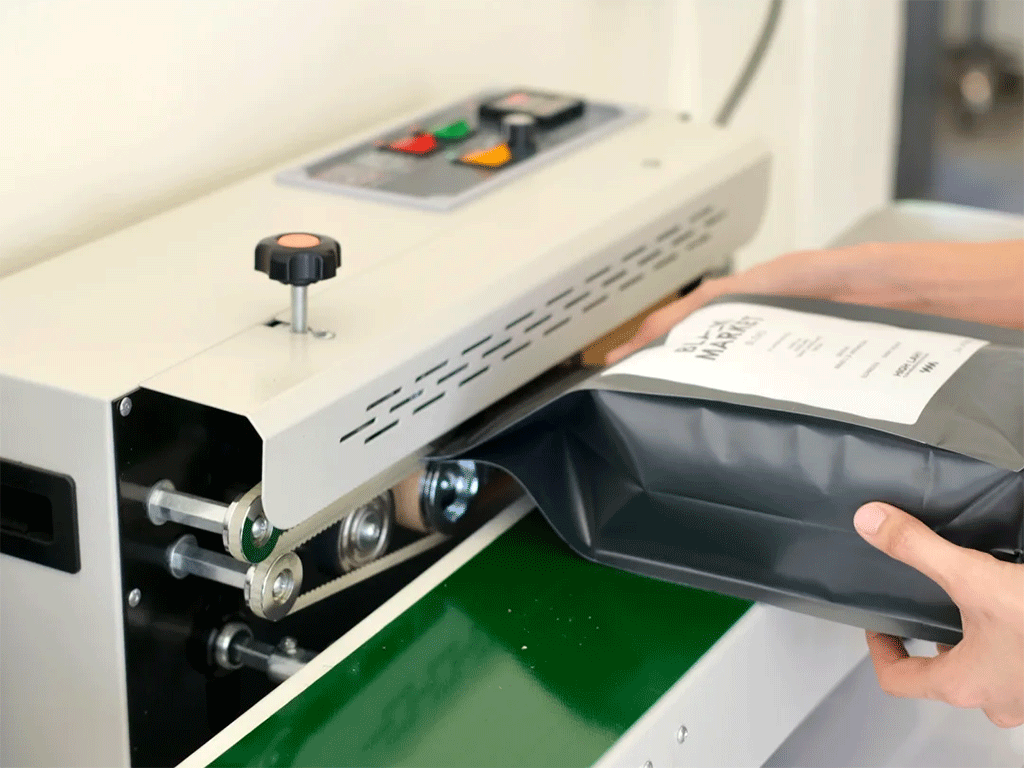
Resealable coffee bags are made to open and close many times while keeping the coffee fresh. Coffee is sensitive to air and moisture, which can quickly affect its flavor. Without proper resealing, even the best barrier films and degassing valves can fall short.
What Does a Resealable Feature Do?
- Minimizes post-opening oxygen ingress
- Preserves volatile aromatic compounds
- Prevents spills during storage or transport
- Enhances user experience and product perception
- Encourages sustainable packaging use by extending product shelf life
Resealability isn’t the same for every bag. Designers build it around the bag’s structure, material, sustainability goals, and brand style.
Two Main Resealable Coffee Bag Systems: Zipper vs. Tin Tie
Coffee bags mainly use two reseal systems — zipper and tin tie. Each has its own strengths and fits different brand goals.
Zipper Closures for Resealable Coffee Bags
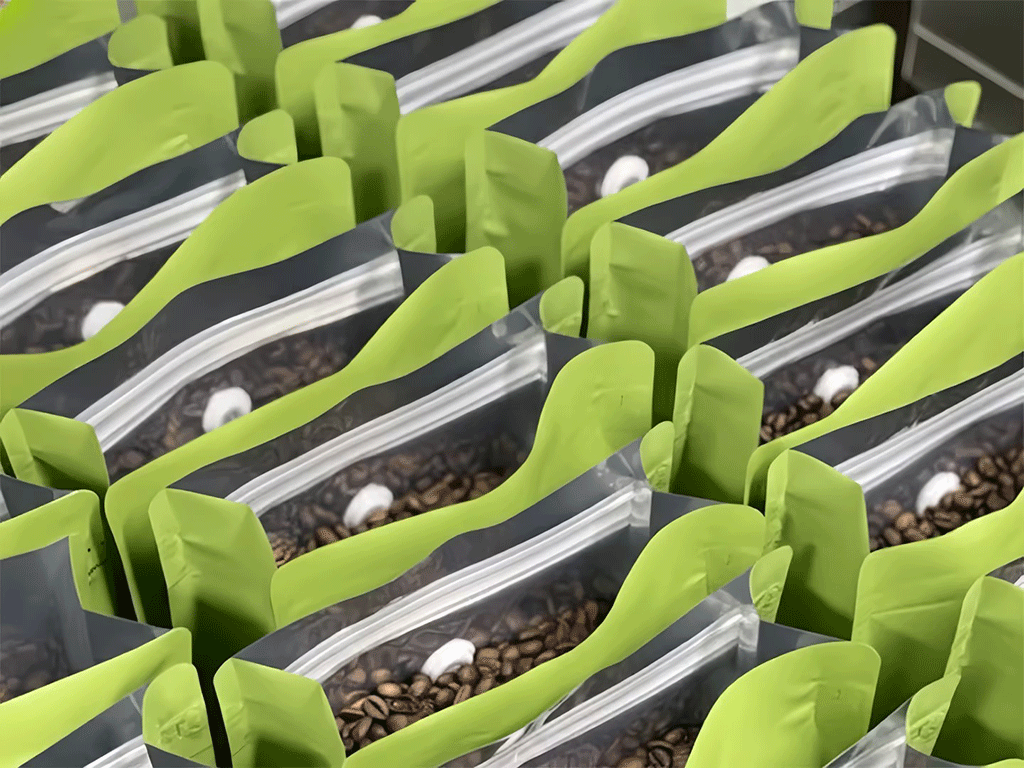
A zipper closure, often referred to as a press-to-close or interlocking profile, is typically integrated into the bag’s structure during production. Made from PE or PP, it is placed beneath the tear notch and heat seal. The zipper ensures a tight seal that helps preserve freshness by preventing oxygen from entering the bag. Many coffee brands use zippers for stand-up pouches and flat-bottom bags because they maintain a secure seal over multiple openings.
Zippers work well for large-scale coffee production because they seal tightly and keep coffee fresh. Manufacturers can easily automate this process for stand-up and flat-bottom bags. Tin ties, in contrast, are more traditional. Small roasters often prefer them to highlight their handmade, small-batch identity and give their bags an artisanal touch.
Types of Zipper in Coffee Bags
There are several zipper variations to choose from, each with different functionalities.
• Standard zipper – Commonly used in high-volume production, providing solid performance.
• Front zipper / pocket zipper – Allows access from the front without disturbing the top seal or visual hierarchy.
• Compostable zipper – Made from PLA or bio-based polymers for fully compostable bag formats.
Zipper Advantages
The main strength of zippers is their strong resealing performance. When closed well, they keep oxygen out and protect the coffee’s flavor. Zippers also stay reliable after many uses, giving consumers a smooth and consistent experience. Their simple design fits most packaging styles and works easily with automated production.
A good reseal does more than protect freshness—it strengthens the bond between the brand and the consumer. A zipper closure conveys professionalism and care, signaling the brand’s commitment to quality. On the other hand, a tin tie closure evokes a sense of nostalgia and craftsmanship, appealing to those who value the artisanal nature of the coffee. Both closures impact the consumer’s emotional response to the product, which can directly affect their loyalty to the brand.
Considerations for Zipper Closures
However, zippers come with some trade-offs.
• Increased cost per unit – Zippers add both material and machine complexity.
• Sustainability complexity – Not all zippers are recyclable or compostable, and options may limit barrier performance.
• Fixed positioning – Once manufacturers integrate the zipper, they can no longer modify its location after production.
Tin Tie: Classic and Customizable
Many roasters use tin ties in hand-packed coffee bags or traditional block-bottom pouches. The tie consists of a narrow metal strip that manufacturers wrap in paper or plastic, allowing consumers to fold it over to secure the bag. It provides a flexible and low-cost resealing option that is especially popular with small-batch roasters or those using kraft paper bags.
Types of Tin Tie
Small roasters often apply tin ties by hand, while manufacturers can attach them during production for greater consistency. Additionally, these ties can be customized with colors or branding to enhance the visual appeal of the packaging.
Benefits of Tin Tie
One of the main advantages of tin ties is their low cost, making them an attractive option for budget-conscious brands. They also provide flexibility, as they can be applied after the bag is filled, eliminating the need for specialized sealing equipment. The handcrafted aesthetic associated with tin ties appeals to consumers who prefer artisanal, small-batch coffee. Furthermore, tin ties are compatible with a wide range of bag types, making them versatile across different packaging formats.
Sustainability has become a key factor in consumer purchasing decisions, with many coffee drinkers opting for brands that prioritize eco-friendly materials. Tin ties, with their simpler construction, are often easier to separate and recycle, making them a more eco-conscious option. Zippers, however, present challenges in terms of end-of-life processing, as they may require separating different materials for recycling. Nonetheless, the rise of compostable zippers made from PLA and other bio-based polymers offers a promising solution for brands seeking to maintain both freshness and sustainability.
Drawbacks of Tin Tie
While tin ties offer several benefits, they also have limitations.
• The reseal they create is not airtight, allowing some oxygen ingress, which can affect the freshness of the coffee over time.
• The performance of the reseal can also vary based on how well the consumer folds the bag.
• After repeated use, tin ties can lose their shape and effectiveness.
How Resealable Coffee Bags Enhance Consumer Experience
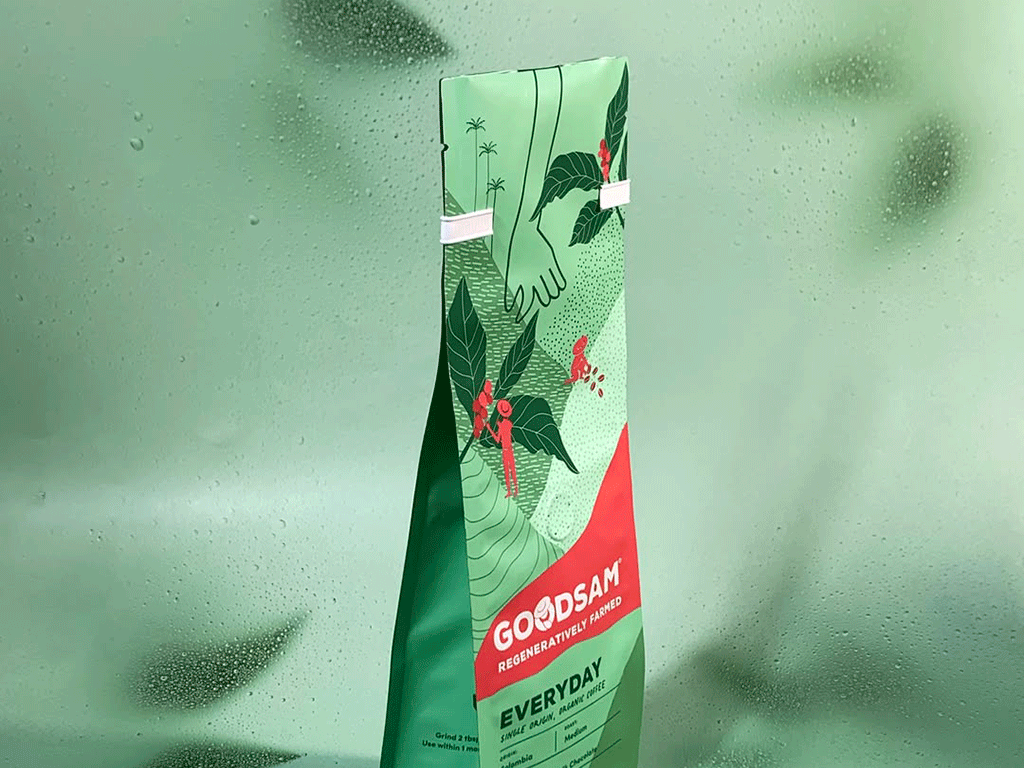
To a consumer, the reseal mechanism is more than a utility—it’s part of the ritual. A well-executed zipper closure signals care, quality, and professionalism. A thoughtfully folded tin tie evokes craftsmanship and intentionality.
Closure impacts perception of:
- Freshness– A strong seal implies protection, even if flavor degradation is minimal
- Convenience– Morning rituals don’t pair well with frustrating closures
- Storage behavior – A resealable bag is more likely to stay in use, keeping your brand visible
In short, resealability is a touchpoint—it’s where packaging design meets daily habit.
Environmental Considerations
Sustainability is reshaping packaging priorities. While tin tie is easier to separate from paper bags and often recyclable, zipper systems can complicate end-of-life processing—especially in mixed-material pouches.
Compostable and Recyclable Options:
- Tin tie– Easily removed and compatible with recyclable kraft
- Zipper– Compostable zipper is available but must be paired with suitable barrier materials and disposal conditions
Brands prioritizing sustainability must balance performance with recyclability or compostability. In many cases, a mono-material PE or PP bag with matching zipper offers recyclability in closed-loop systems, while PLA-based options support industrial composting.
If freshness is paramount, zipper still leads—but if minimalism and compostability matter more, tin tie offers a more streamlined lifecycle.
Choosing the Right Resealable Coffee Bag for Your Brand
There’s no universal answer. The best resealable coffee bag depends on your coffee’s market position, brand tone, and packaging goals. Premium coffees often benefit from coffee bags with zippers, which provide airtight freshness, while small-batch or artisanal roasts can leverage coffee bags with tin ties to highlight craftsmanship and a hands-on feel.
Resealability Meets Sustainability
While resealability is crucial for preserving coffee freshness, sustainability has become an equally important factor in packaging decisions. Tin ties, being primarily paper with a thin metal wire, are easier to recycle in most municipal systems — especially when used with kraft paper bags. However, the presence of adhesives or plastic laminates can still complicate recycling.
Zippers, on the other hand, traditionally contain multilayer plastics that aren’t curbside recyclable. In recent years, compostable zippers made from PLA or other bio-based materials have emerged. These innovations are promising, but require access to industrial composting facilities, which remain limited in many regions.
Ultimately, a truly sustainable resealable system must balance functionality with end-of-life clarity — making it easy for consumers to dispose of responsibly without compromising quality.
Closing Thoughts: Your Coffee, Your Choice
A resealable coffee bag isn’t just a closure. It’s a barrier, a touchpoint, and a reflection of how you value your product and your customer. Whether you choose zipper or tin tie depends on how you balance freshness with sustainability, cost with craft, automation with intimacy.
YamiPak Coffee offers solutions for brands that want to go green. We provide recyclable, compostable, and biodegradable coffee packaging. These options use natural materials, allowing brands to stay eco-friendly without sacrificing design or functionality.
Share This Story, Choose Your Platform!

Chris Li
Chris Li is the Marketing Director at YamiPak coffee, with over 10 years of experience in packaging and printing. Passionate about sustainable solutions and innovative design, Chris helps brands create impactful packaging that leaves a lasting impression.