Why Paper Coffee Cups Are Essential for Your Business
Paper coffee cups play a central role in coffee take away culture, supporting daily service and brand visibility. While reusable alternatives are gaining traction, single-use paper cups still provide strong convenience and hygiene for most consumers. As a result, they remain essential for many beverage businesses today.
Beyond serving hot drinks, paper coffee cups provide opportunities to reinforce brand identity and communication through custom design and messaging. As sustainability concerns grow, businesses must balance environmental expectations with daily operational needs. Thoughtful material choices help achieve both sustainability and functional performance.
Enhancing Customer Experience with Paper Coffee Cups
Offering coffee in take away cups directly enhances customer convenience—particularly for on-the-go drinkers. Consumers expect take away options to be practical, reliable, and easy to hold. Well-designed paper cups contribute to perceived quality and satisfaction by providing comfort during transit. Research shows that packaging performance strongly influences product perception and repeat purchase behavior. In fact, a study by the Environmental Protection Agency (EPA) found that packaging is a key factor in consumer satisfaction. This is especially true in foodservice environments where convenience and functionality are prioritized. For businesses, using paper coffee cups that meet customer needs not only improves the overall experience but also encourages repeat business.
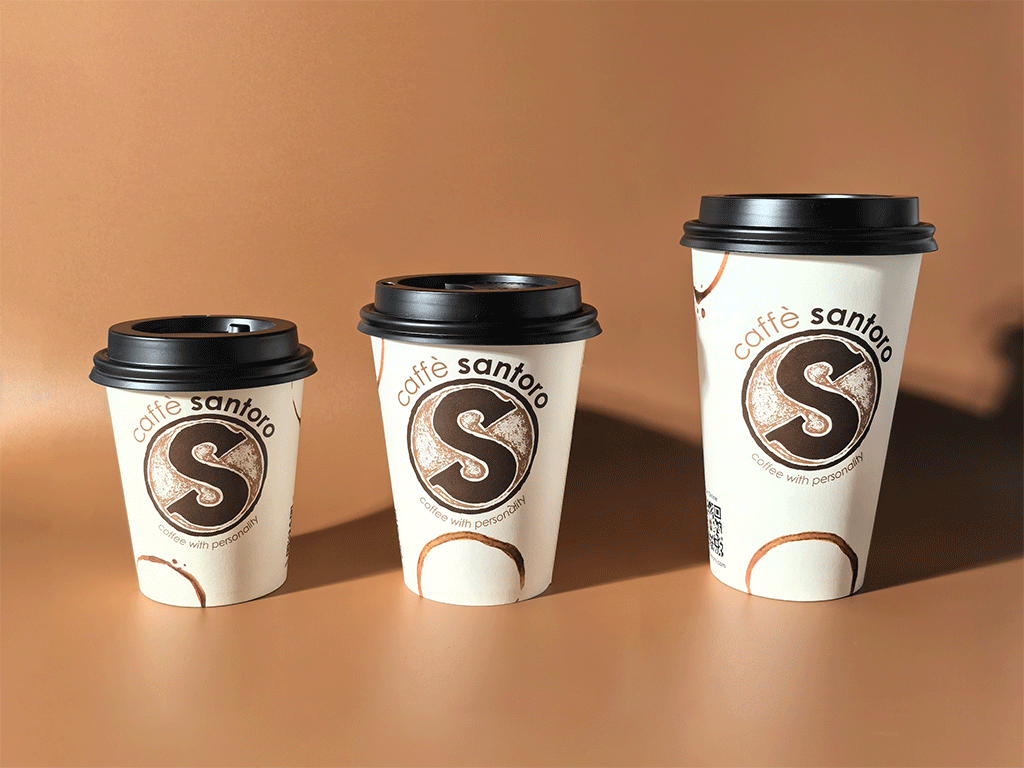
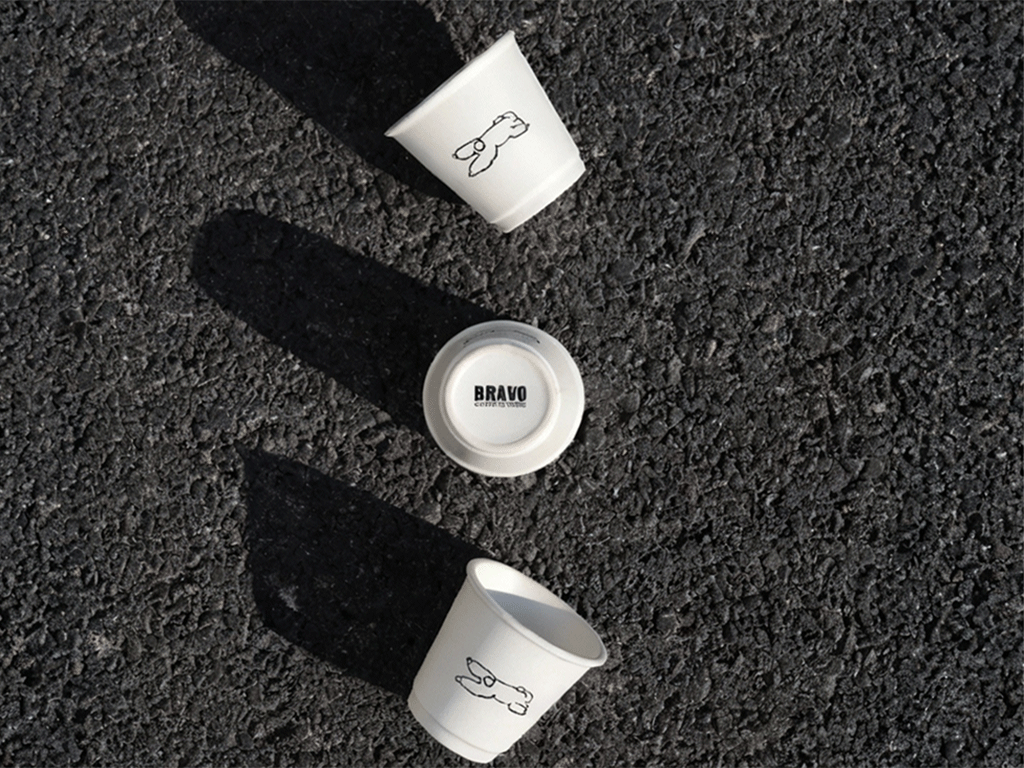
Customization of take away cups further boosts brand visibility in everyday environments. Visible logos, designs, and seasonal graphics on take away coffee cups act as mobile advertising, extending brand reach beyond store walls. A study by the American Packaging Association revealed that nearly 60% of consumers recall brands more easily when logos appear on take away cups. This effect is stronger in high-foot-traffic areas such as streets, parks, and transit stations.
Moreover, paper coffee cups also contribute to customer engagement during promotional periods. Limited-edition prints or seasonal cups, like those designed for holidays, create a sense of exclusivity and foster social media shareability. A survey by McKinsey & Company showed that 40% of food and beverage posts on social media are linked to special edition packaging. This highlights the strong marketing value of custom-designed paper cups. Seasonal packaging that resonates with consumer values, such as eco-friendly messaging, deepens engagement and helps build customer loyalty.
Understanding the Environmental Cost of Single-Use Packaging
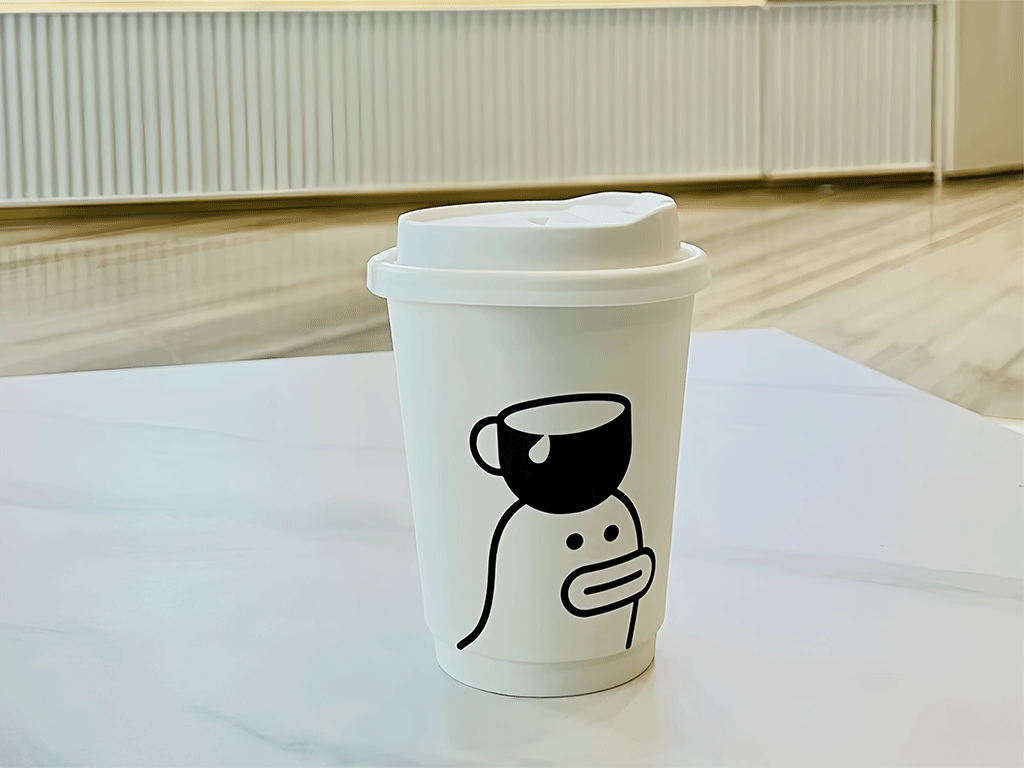
The global scale of single-use beverages, including paper coffee cups, is significant. Every year, approximately 250–500 billion disposable cups are used worldwide. However, the majority of these cups end up in landfills rather than recycling systems. According to a report from the Environmental Protection Agency (EPA), less than 1% of paper coffee cups are recycled globally. The main barrier to recycling is the difficulty of separating polyethylene linings from paper fibers. This problem is made worse by inconsistent recycling infrastructure.
In major markets like the United States, approximately 50 billion disposable paper cups are thrown away annually, with most sent to landfills. Only a small fraction is recycled due to the complex materials and a lack of dedicated recycling facilities. The use of polyethylene-lined cups reinforces the waste-intensive nature of this format. Additionally, when these cups decompose in landfills, they release harmful gases like methane, contributing to greenhouse gas emissions.
In the United Kingdom, 2.5 to 5 billion single-use coffee cups are disposed of annually, and only a small percentage is recycled. Despite some improvements in paper cup recycling, most still fail to be recycled due to limited processing capacity and the difficulty of separating non-recyclable coatings. The Waste and Resources Action Programme (WRAP) highlights this challenge, emphasizing the need for better waste management solutions.
These statistics underscore the importance of selecting the right materials and implementing effective waste management strategies to address environmental concerns.
Paper Coffee Cups in Daily Operations
In everyday beverage service, disposable paper cups remain widely used because they meet food safety and hygiene expectations for hot and cold drinks. Unlike reusable cups, paper cups are ready to use immediately once opened. They require no washing, drying, or additional handling. This convenience minimizes delays at the point of sale and supports consistent service flow, especially during peak hours when speed and reliability matter most to customers and staff alike.
Paper coffee cups also align with established health regulations in many regions, as disposable containers reduce the risk of cross-contamination compared with items that must be returned for washing. According to the Centers for Disease Control and Prevention, proper hygiene practices are essential in foodservice environments to prevent the spread of pathogens, and single-use items often form part of recommended preventive measures. From an operational perspective, paper cups simplify inventory management and staff training. They reduce the need for sanitation equipment, lowering labor costs and minimizing errors.
While environmentally focused programs—such as “bring your own cup” initiatives—show potential, scaling these solutions remains difficult without strong incentives or regulatory support. Municipal pilot programs indicate that, without customer rewards or discounts, reusable adoption rates remain comparatively low. This operational reality reinforces why paper coffee cups still fulfill immediate service expectations and logistical needs within most coffee shops and take away operations.
Making the Right Choice for Paper Coffee Cups
Single-use paper coffee cups are a significant contributor to environmental waste, primarily due to their coatings and the lack of recycling infrastructure. While paper cups are often made from renewable materials, the plastic or wax lining makes them difficult to recycle. In an ideal world, these cups would be made from 100% post-consumer recycled content or alternative sustainable materials like hemp. This would reduce the need for complex recycling systems and prioritize composting over traditional recycling.
However, the current lack of composting and recycling facilities complicates the disposal process, leading to increased landfill waste. Without accessible disposal solutions, many paper cups end up in landfills. There, they can take years to decompose. To reduce this impact, businesses should partner with recycling programs or choose cups that are designed for easier composting or recycling.
At Yamipak Coffee, we provide eco-friendly paper coffee cups made from high-quality, certified materials. Our cups are crafted from bamboo fiber, kraft paper, or PLA-lined kraft paper, offering an environmentally responsible solution that is both durable and compostable. Customization options are available, allowing businesses to showcase their brand while making a sustainable choice.
FAQ
- Are paper coffee cups microwave safe?
Most paper coffee cups are not designed for microwave use. Internal barriers may break down under direct heat, affecting safety and performance. In microwave use, liquids should be transferred to certified microwave safe containers. - Are paper coffee cups recyclable?
Although many paper coffee cups display recycling symbols, actual recycling depends heavily on local infrastructure. Less than 1% of these cups are recycled globally due to lined materials that most recycling facilities cannot process, and in many regions they still end up in landfill. - How can businesses make paper coffee cups more sustainable?
Choosing paper coffee cups made with less plastic lining or certified compostable coatings, working with suppliers on material innovation, and educating customers about local recycling options can improve sustainable outcomes.
Share This Story, Choose Your Platform!

Chris Li
Chris Li is the Marketing Director at YamiPak coffee, with over 10 years of experience in packaging and printing. Passionate about sustainable solutions and innovative design, Chris helps brands create impactful packaging that leaves a lasting impression.