
Coffee Bloom: What It Is and Why It Matters
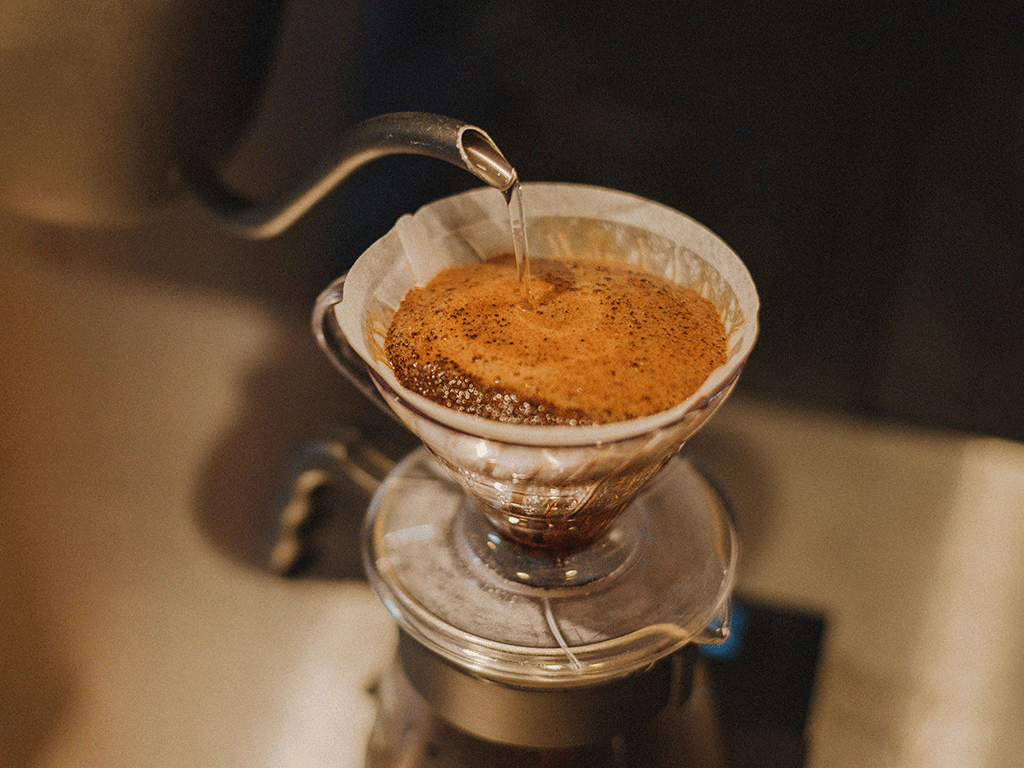
Coffee bloom is an important part of brewing fresh coffee. It occurs when hot water meets freshly ground coffee, releasing carbon dioxide and creating bubbles on the surface.
As interest in specialty coffee and pour-over brewing grows, more coffee drinkers are paying attention to how brewing methods affect flavour and freshness. The bloom offers useful clues about the coffee and its condition.
However, coffee bloom depends on more than freshness alone. Roast level, grind size, and brewing technique can all affect the reaction and the final cup. For roasters, understanding this process also highlights why post-roast degassing and suitable coffee packaging matter for preserving aroma and flavour.
What Is Coffee Bloom?
Coffee bloom is the visible reaction that occurs when water first touches freshly ground coffee. The grounds swell and release bubbles as trapped gas escapes.
When hot water meets freshly ground coffee, the coffee bed may rise, expand, and form small bubbles across its surface. This visible reaction is called coffee bloom. It usually appears at the start of brewing, before the main pour continues.
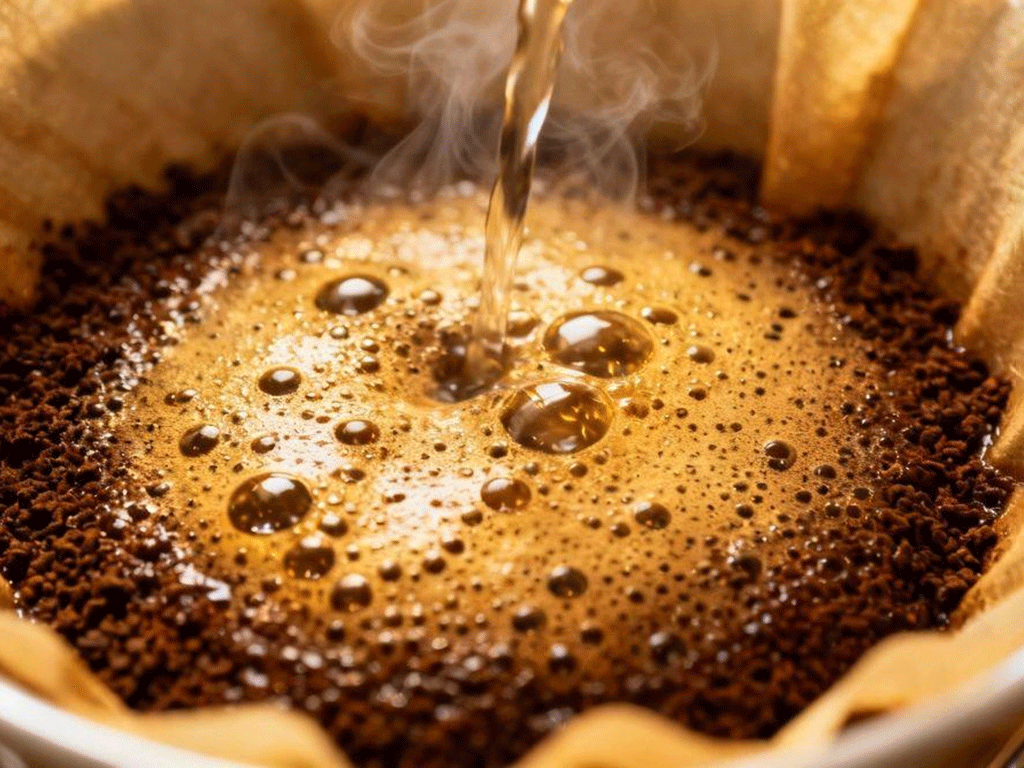
Carbon dioxide (CO2) is the main gas linked to this reaction. Coffee beans develop CO2 during roasting, and some of this gas remains inside their structure after roasting ends. When water reaches the grounds, the gas escapes, creating bubbles on the surface.
Coffee bloom also refers to a brewing step. A barista pours a small amount of water over the grounds, waits briefly, and then continues brewing. This initial wetting stage is known as pre-infusion. It prepares the coffee bed for the main pour.
The appearance varies between coffees. Some grounds swell noticeably and produce many bubbles, while others show less movement. Bean structure, roast level, and storage time can all affect the visible reaction.
Why Does Coffee Bloom Occur?
Coffee bloom occurs because roasting produces gases that remain inside coffee beans after they leave the roaster. When hot water reaches freshly ground coffee, trapped carbon dioxide escapes and forms bubbles.
During roasting, heat triggers chemical reactions that produce carbon dioxide (CO2). Some gas escapes during roasting, while the rest stays inside the bean’s structure. The amount depends on the coffee and the roasting process.
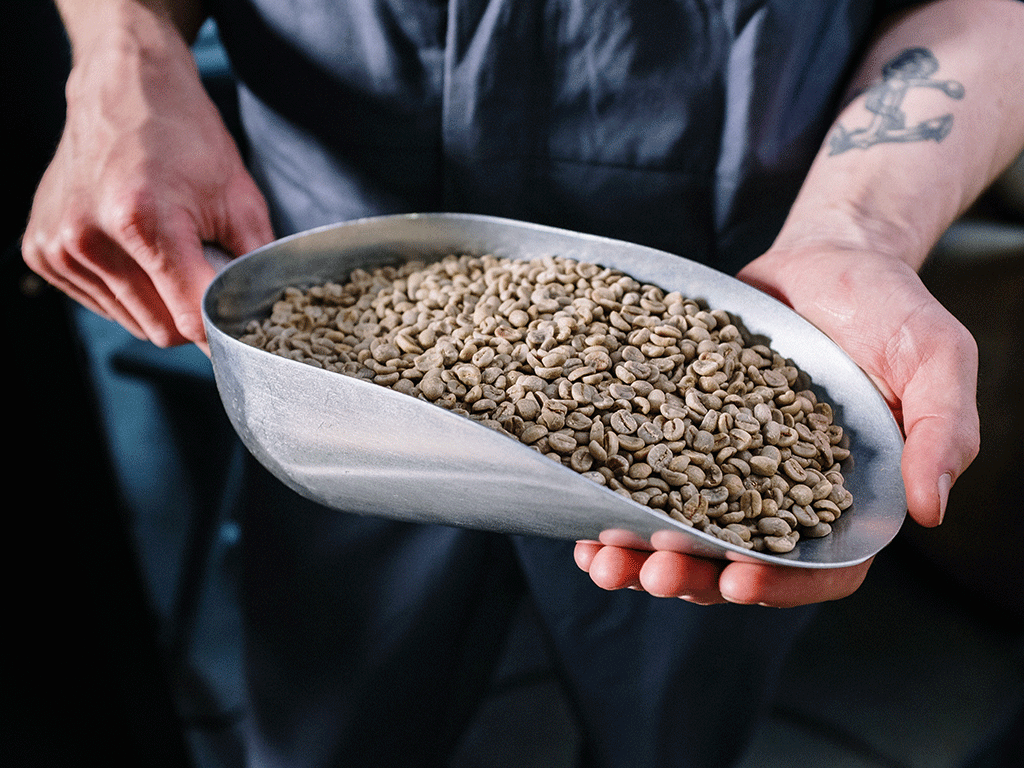
After roasting, beans continue to release gas through a process called degassing. This process can last for days or weeks. Roast level, bean structure, and storage conditions affect how quickly gas escapes. Grinding also speeds up gas release because it exposes more surface area to the air.
When hot water reaches the grounds, the remaining CO2 escapes more quickly. The gas forms bubbles as the grounds absorb water and begin to swell. This explains why coffee bloom appears during the early stage of brewing.
Gas release also affects extraction. Escaping CO2 can prevent water from reaching some grounds evenly. Allowing gas to escape before the main pour helps water wet the coffee bed more evenly, which can support more consistent extraction.
Degassing also matters during storage. Freshly roasted beans need to release excess gas without unnecessary exposure to oxygen and moisture. Coffee bags with one-way degassing valves allow gas to escape while limiting outside air from entering. This helps manage pressure inside the bag and protects coffee quality during storage and transport.
What Variables Affect Coffee Bloom?
Several factors affect coffee bloom, including freshness, roast level, grind size, water temperature, and brewing ratios.
Freshness plays a major role. Freshly roasted beans retain more carbon dioxide (CO2), producing a stronger bloom. As beans age, they release gas, so the reaction often weakens. However, a weak bloom does not always mean stale coffee, as roast level and bean structure also affect gas release.
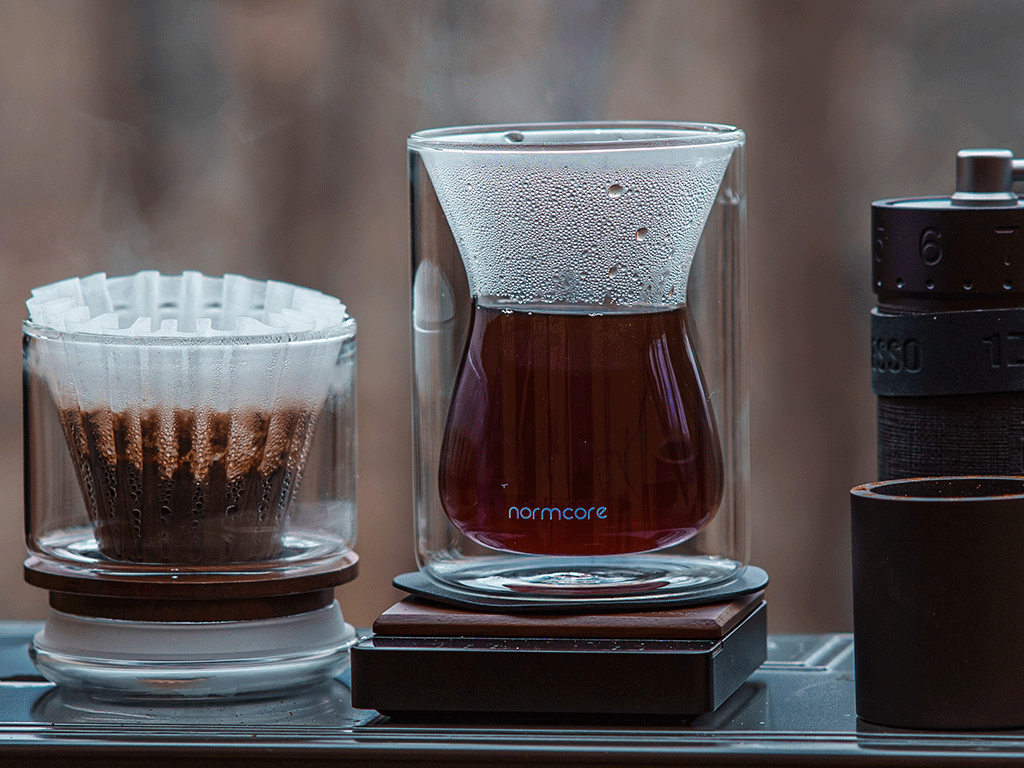
Roast level changes how quickly gas escapes. Darker roasts often have a more porous structure and release gas faster, while lighter roasts tend to be denser and may show less bubbling. A smaller bloom does not necessarily mean the coffee has lost freshness.
Grind size affects gas release. Grinding exposes more surface area, allowing CO2 to escape faster. Freshly ground coffee often shows a stronger reaction than coffee ground earlier. Grinding also speeds up aroma loss through increased air exposure.
Water temperature and pouring technique affect how evenly the grounds become wet. Hot water helps release trapped gas, while a slow, controlled pour helps water reach the entire coffee bed. Uneven wetting can cause inconsistent extraction.
The water-to-coffee ratio matters, too. Many pour-over recipes use twice as much water as coffee during the initial bloom. For example, 20 grams of coffee receives around 40 grams of water. This is a starting point, not a fixed rule. The aim is to wet all grounds evenly before the main pour.
Why Does Coffee Bloom Matter?
Coffee bloom helps release trapped carbon dioxide before the main pour, allowing water to wet the grounds more evenly. It can also offer clues about freshness, although other factors affect the final taste.
During pour-over brewing, trapped gas can affect how water moves through the coffee bed. Allowing the initial gas to escape may support more even extraction and a balanced cup. However, coffee bloom alone cannot guarantee good flavour. Grind size, water temperature, brew ratio, and pouring technique also influence the result.
The visible reaction can provide a clue about freshness. Freshly roasted beans often release more CO2, while older beans may produce fewer bubbles. Roast level and grind size also affect this reaction, so taste and aroma remain important when assessing coffee quality.
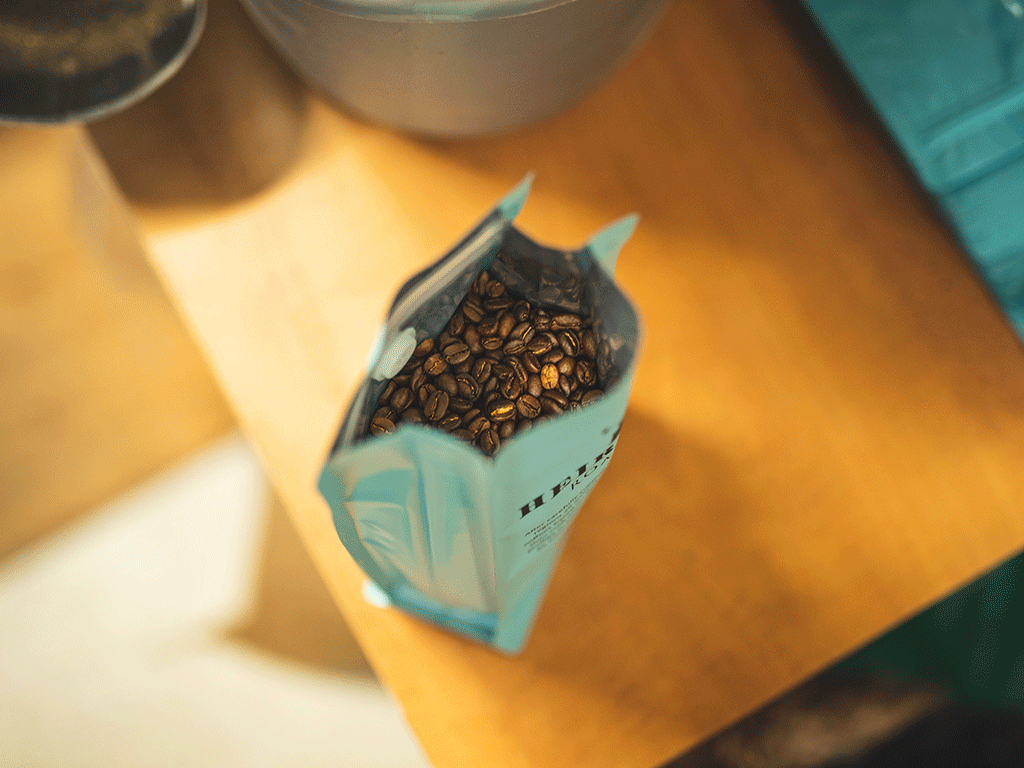
For roasters, this process highlights the role of packaging after roasting. Coffee continues to release CO2 during storage, while oxygen and moisture can damage its aroma and flavour. A one-way degassing valve allows excess gas to escape while limiting outside air from entering the bag. The packaging also needs to provide a suitable barrier to help preserve coffee quality during storage and transport.
At YamiPak Coffee, we offer custom coffee bags with optional one-way degassing valves. Roasters can explore materials such as kraft paper and rice paper, along with custom printing to present their brand and coffee information.
We also provide design support and low minimum order quantities (MOQs), giving smaller roasters more flexibility when ordering custom packaging.
For more information about our custom coffee packaging, contact YamiPak Coffee to discuss your requirements.
FAQ
Does water temperature affect coffee bloom?
Yes. Hot water helps release trapped CO2, while temperature also affects extraction. The best brewing temperature depends on the coffee and recipe.
Can you bloom coffee for cold brew?
Cold brew usually does not need a separate bloom step because cold water releases CO2 more slowly than hot water.
Does pre-ground coffee bloom?
Yes, but it may bloom less because grinding increases surface area and allows gas to escape before brewing.
Is blooming the same as pre-infusion?
They are closely related. Blooming usually describes the initial wetting of coffee grounds, while pre-infusion is a broader term for wetting coffee before full extraction.
Share This Story, Choose Your Platform!

Chris Li
Chris Li is the Marketing Director at YamiPak coffee, with over 10 years of experience in packaging and printing. Passionate about sustainable solutions and innovative design, Chris helps brands create impactful packaging that leaves a lasting impression.
 How to Make Coffee Packaging Designs More Cost-Effective