
Coffee Brewing Bags: What Roasters Should Know
Key takeaways
- Coffee brewing bags use immersion to extract coffee and require little equipment.
- Unlike drip bags, they keep coffee grounds in contact with water during brewing.
- Roasters should consider brewing methods, target customers, and packaging needs before adding this format to their product range.
A coffee brewing bag offers a different way to prepare coffee without a machine or specialist equipment. Unlike traditional brewing methods, it uses immersion to extract flavour from pre-portioned ground coffee.
Like drip coffee bags, coffee brewing bags provide a convenient way to enjoy freshly brewed coffee. However, the two formats use different brewing methods, which can affect the taste, serving size, and overall experience.
From the way they work to the people who use them, coffee brewing bags offer several points worth exploring. Understanding these differences can help coffee roasters decide whether this format suits their range and what packaging considerations matter most.
What Is a Coffee Brewing Bag?
A coffee brewing bag contains ground coffee inside a filter material. It lets water reach the grounds while keeping most coffee particles inside. Users add hot water and let the coffee steep before serving.
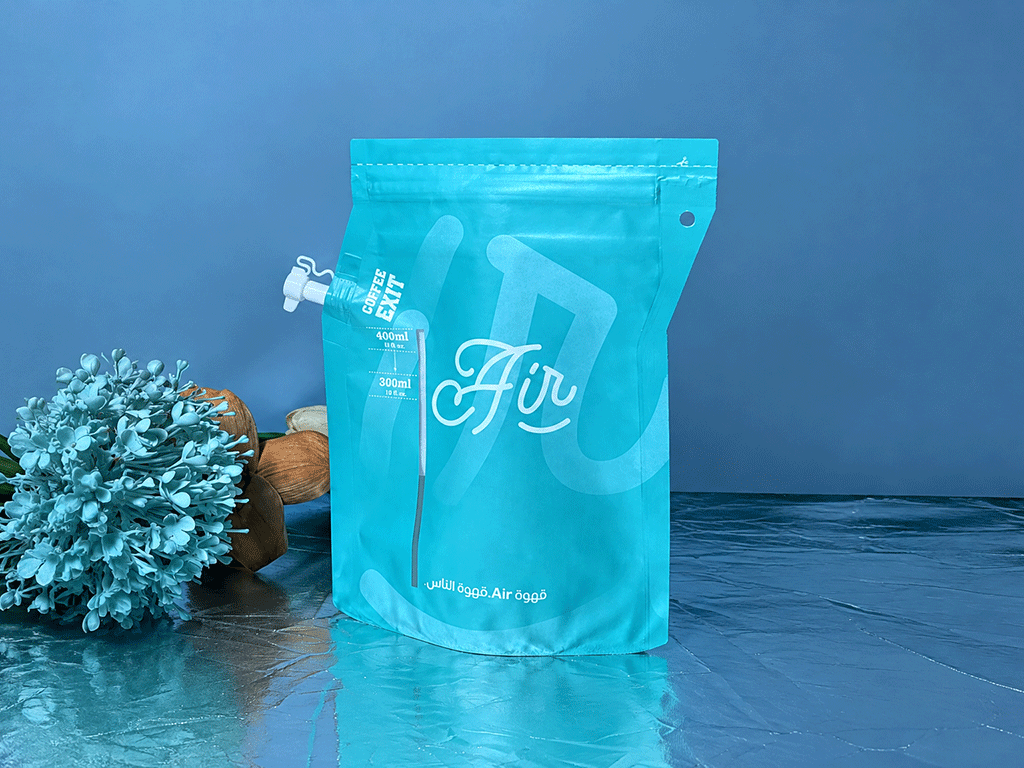
A coffee brewing bag uses immersion to extract coffee. This means the grounds stay in contact with water during brewing. Some bags sit inside a cup or jug, while larger formats hold water inside the bag and use a built-in tap to serve the coffee.
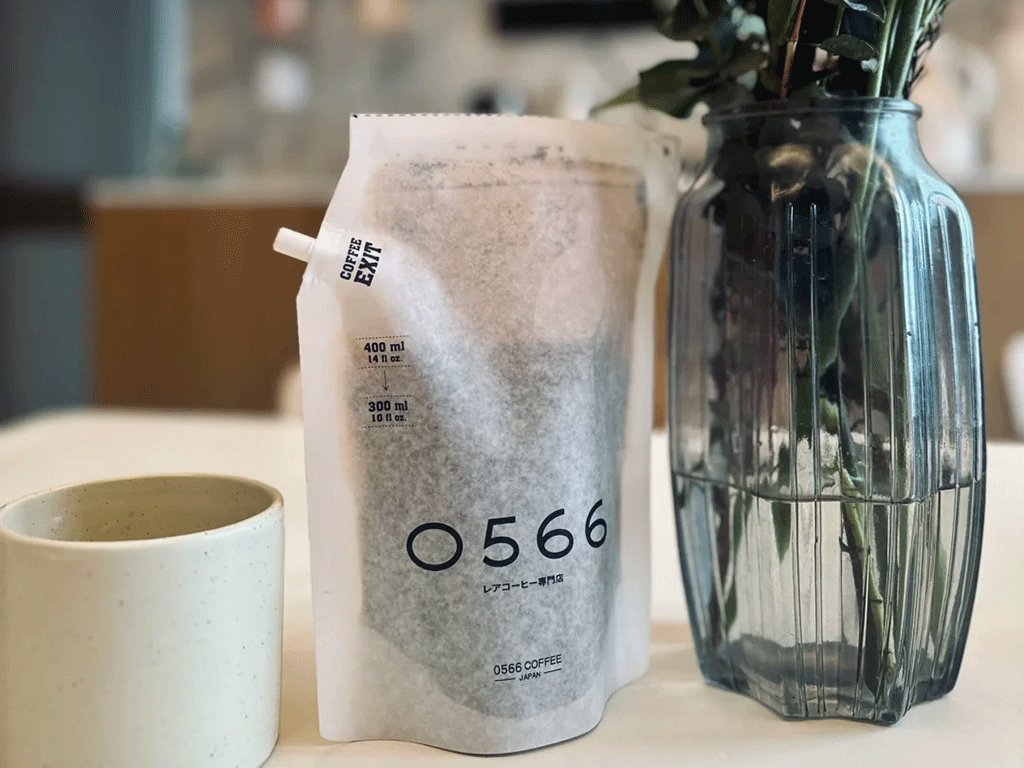
The amount of coffee, grind size, water volume, and steeping time all affect the final taste. Roasters should test these factors to find the right balance for their coffee.
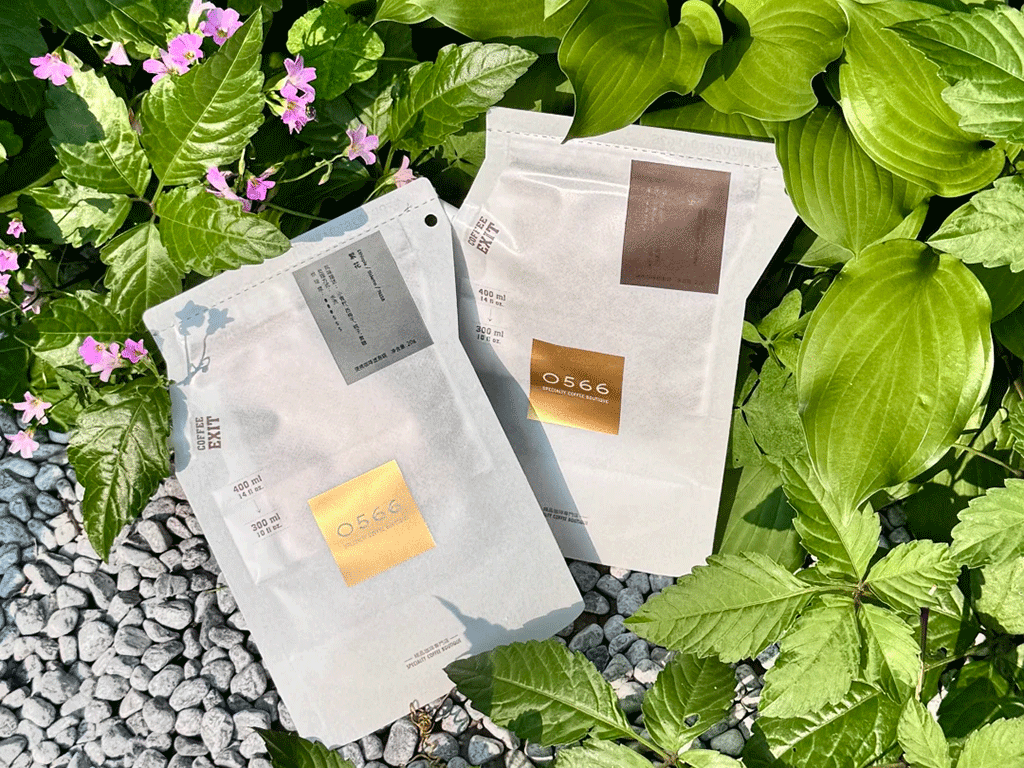
The filter material also matters. It needs to hold the grounds while allowing water to pass through. The bag should stay strong during brewing and prevent grounds from entering the drink.
Outer packaging helps protect the coffee from moisture, oxygen, and other outside factors during storage and transport. Secure seals also help maintain product quality before use.
For roasters, a coffee brewing bag offers another way to sell ground coffee without requiring customers to buy special equipment. The serving size, filter performance, and packaging design should match the intended use.
Clear brewing instructions can also help customers prepare coffee with less guesswork and enjoy a more consistent result.
How Do Coffee Brewing Bags Differ from Drip Bags?
The main difference is how water extracts the coffee. A coffee brewing bag uses immersion, while a drip bag works like a small pour-over. Both offer a simple way to make coffee without a machine.
With immersion, the coffee grounds stay in water for a set time. Users mainly need to control the water amount and brewing time.
A drip bag usually has paper supports that rest on the rim of a cup. Users pour hot water over the grounds, and the coffee drips through the filter into the cup.
These methods can also produce different results. Immersion often creates a fuller-bodied cup, while drip brewing usually produces a lighter, cleaner taste.
The brewing method also affects the packaging design. A drip bag needs supports that hold it securely over a cup. A coffee brewing bag needs a filter that can stay in contact with water without tearing or leaking.
Serving size is another factor to consider. Drip bags usually prepare one cup at a time, while some immersion formats can make several servings. Roasters should choose a format that matches how customers plan to drink their coffee.
Reusability also depends on the design. Some immersion bags can be emptied, cleaned, and reused if their materials allow it. Most drip bags are designed for single use, so roasters should provide clear disposal instructions.
Neither method is automatically better. The right choice depends on the flavour, convenience, and brewing experience a roaster wants to offer.
Before choosing a coffee brewing bag, roasters should test the filter, packaging strength, and serving size. These checks help ensure the product works well and meets customer expectations.
Who Are Coffee Brewing Bags For?
Coffee brewing bags suit people who want freshly brewed coffee without carrying much equipment. They are useful for travellers, campers, outdoor workers, office staff, and hotel guests.
Travellers and campers need coffee that is easy to carry and prepare. A coffee brewing bag lets them make coffee with hot water and a cup or container, without carrying a coffee machine.
Outdoor workers may value this format when they have limited access to brewing equipment. Compact packaging and easy opening make the coffee practical to carry and use away from home.
Offices and hotels offer a market for this format. Staff and guests can enjoy freshly brewed coffee without setting up a machine or cleaning a French press. Larger brewing bags can serve several people at once, making them useful for workplaces and events.
Some customers may use immersion bags to prepare cold brew. Roasters should test the grind size, coffee-to-water ratio, and brewing time before providing instructions, as these factors affect flavour and strength.
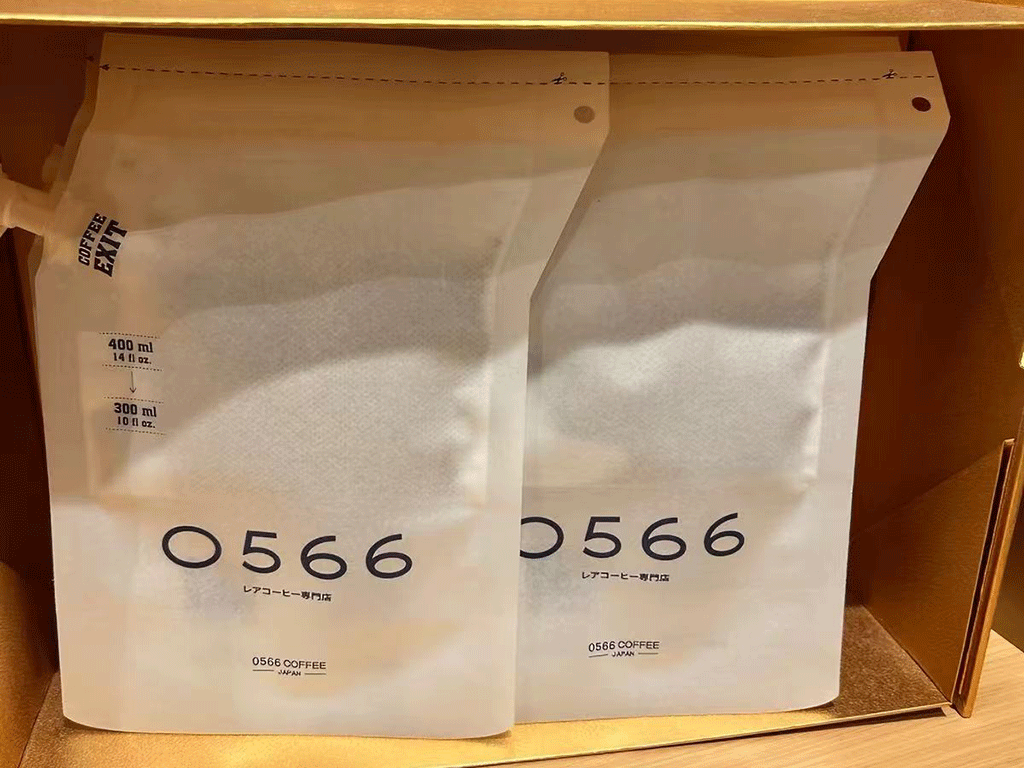
Packaging needs depend on where the coffee will be used and sold. Individual outer packs can protect pre-portioned coffee during storage and transport, while clear labels explain serving sizes and brewing steps. Secure seals help protect the contents.
Before launching a coffee brewing bag, roasters should consider who will use it, how much coffee each bag should hold, and how customers will prepare it. Testing samples and collecting feedback can help them choose a suitable format.
At YamiPak Coffee, we provide custom packaging for the coffee brewing bag format, including outer pouches designed to protect pre-portioned ground coffee before brewing. Our packaging options support different bag structures and brand designs.
Looking for packaging for your coffee brewing bags? Contact YamiPak Coffee to discuss your requirements.
FAQs
How many cups does one coffee brewing bag make?
It depends on the coffee dose and bag size. Some larger formats make two to three cups, depending on the desired strength.
What grind size suits a coffee brewing bag?
Medium to medium-coarse grounds work well for some immersion formats. The ideal grind depends on the bag design and brewing time.
How much water should you use for a coffee brewing bag?
Follow the brewing instructions for your bag. Water volume affects coffee strength, so adjust it to suit your taste.
Share This Story, Choose Your Platform!

Chris Li
Chris Li is the Marketing Director at YamiPak coffee, with over 10 years of experience in packaging and printing. Passionate about sustainable solutions and innovative design, Chris helps brands create impactful packaging that leaves a lasting impression.
 Should Specialty Coffee Roasters Offer Decaf Coffee?