
E-commerce Coffee Packaging: Protect, Ship, Sell
E-commerce coffee packaging faces a tough job: shoppers click fast, couriers move rough, and beans stale quick. If packaging fails, flavor drops, costs rise, and reviews suffer.
E-commerce coffee packaging must protect freshness, survive shipping, and explain value at a glance. Choose tight barriers, reliable seals, smart gas control, and ship-safe boxes that fit close and look clean online.
This playbook turns moving parts into one clear system. Keep what fits your shop, your budget, and your buyers. Skip the rest.
What E-commerce Coffee Packaging Really Covers
Online adds distance, stacking, and heat swings. Photos replace touch and smell. Weak links turn into refunds and churn.
In e-commerce coffee packaging, design for travel first, shelf second. Align film, valve, seal, zipper, label, and box so beans stay fresh, bags stay intact, and pages convert.
Why the online context changes your choices
Courier hubs drop boxes, trucks vibrate, and climate shifts hour by hour. Buyers judge by thumbnails and a short page. A good pack works as a small, strong system. It blocks oxygen, manages CO₂, resists rub, opens cleanly, and closes again without fuss. It also tells the story fast.
E-commerce Coffee Packaging System at a Glance
- Bag structure with a proven oxygen and moisture barrier
- Valve strategy matched to roast and timing
- Heat seal settings locked by material
- Zipper above the main seal for easy use
- Right-sized outer box with simple void control
Choose Formats and Materials That Fit the Job
People want good taste and easy use. You want speed, consistency, and a sane unit cost. Balance both.
E-commerce coffee packaging works best with flexible pouches that seal well and ship tight. Flat-bottom bags photograph cleanly and pack dense; stand-up pouches save weight; side-gusset bags suit bulk; rigid tins protect most but add freight.
Quick Guide to E-commerce Coffee Packaging Formats
| Format | Best for | Strength | Trade-off |
| Stand-up (doy) | 200–500 g | Light, affordable, easy to source | Less stable in larger sizes |
| Flat-bottom | 250–1000 g | Sharp look, stacks well, clean pour | Higher bag price; tighter sealing window |
| Side-gusset | 500 g–2 kg | Efficient for bulk and subscriptions | Needs neat fold/clip if no zipper |
| Rigid container | Ground/instant/specialty | Top crush protection, stackable | Higher dimensional weight and cost |
Material choices in plain English
Pick a laminate with high oxygen and water-vapor barriers if you need long shelf life or export. Choose mono-material films when your local stream supports them and barrier is enough. Test any compostable film with real beans, real humidity, and real shipping. Pilot first, scale later. That is how e-commerce coffee packaging avoids costly surprises.
Small checks that save money
- Confirm film thickness and tolerance before a run.
- Keep zipper channels free of fines.
- Avoid heavy ink over fold and valve areas.
Freshness in E-commerce Coffee Packaging: Seals, Valves, Headspace
Great roast, bad seal, wasted cup. The link is simple and unforgiving.
For e-commerce coffee packaging, keep oxygen out and let CO₂ escape on your terms. Use a one-way valve for gassy roasts or large bags, rest briefly if you go valveless, and seal with steady heat and dwell.
Make the seal your promise
Set sealer temperature and dwell by film, then log them. Place the zipper above the main seal so transit force stresses the seal, not the closure. If you purge headspace, verify with a handheld oxygen meter now and then. Consistency beats gadgets.
When Valves Help in E-commerce Coffee Bags
A valve reduces burst risk and lets you ship sooner after roasting. Put it high on the face, away from folds, so boxes do not press it. If you roast light and rest beans a bit before bagging, you can ship valveless. For ground coffee, focus on tight seals and quick dispatch.
Simple daily checks
- Open three bags per batch. Tear seams. Look for even fibers, no brittle spots.
- Squeeze near the zipper and valve. Listen for leaks.
- Date-code clearly; match codes to roast logs.
Boxes and Dunnage: Survive the Trip
The bag is half the story. The box carries the promise.
Right-sized cartons let e-commerce coffee packaging survive drops, pressure, and rub. Leave little void, block movement with kraft paper, and keep valves and zippers from rubbing walls.
Packing Plans for E-commerce Coffee Orders
| Order | Outer | How to pack | Why it works |
| 1 small bag | Rigid mailer or padded mailer | Wrap once in kraft; keep face clean | Lowest cost; low scuff |
| 2–4 bags | Compact mailer box | Cross-stack; valves up; one sheet kraft | Stops slide and rub |
| 5+ bags / ≥1 kg | Double-wall carton | Corner pads + top pad; liner for ground | Resists crush and spill |
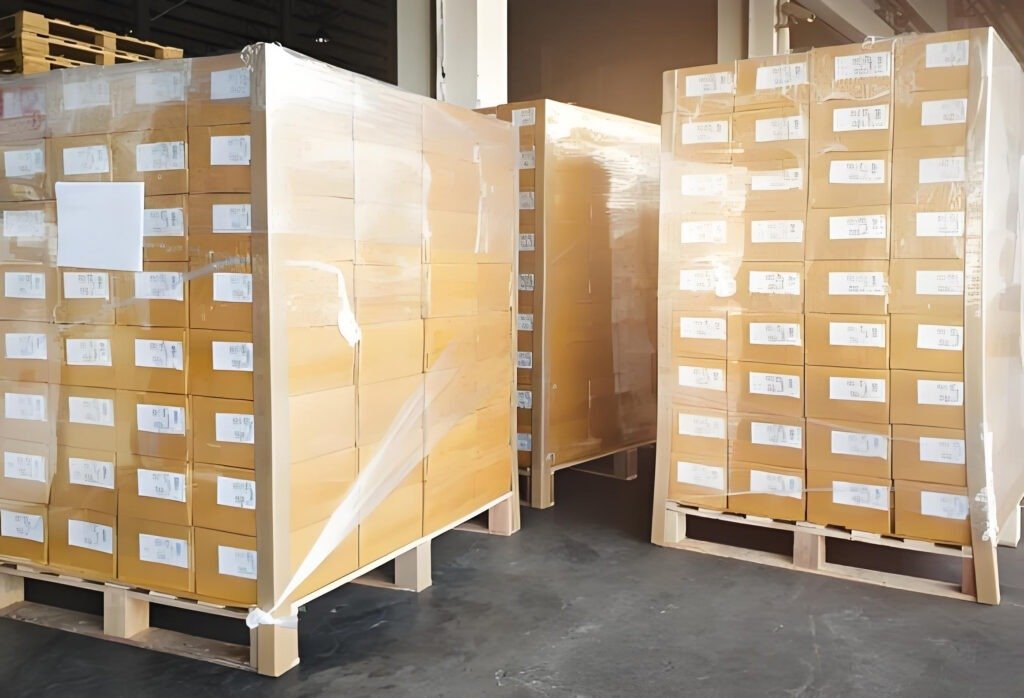
| Export case | Heavy carton on pallet | Strap, wrap, label orientation | Survives long hubs and stacks |
Small moves, big gains
Close zippers before sealing so fines stay out of the seam. Keep valves facing open space, not pressed into corrugate. Tape seams well. Use boxes only slightly larger than contents. This is where e-commerce coffee packaging wins or loses most damage claims.
Sustainability in E-commerce Coffee Packaging
People reward clear steps. They punish vague promises.
Cut impact by right-sizing boxes, selecting a realistic end-of-life path, and giving plain disposal lines. E-commerce coffee packaging does more good when copy is short and instructions are clear.
What actually helps
Shrink void space first. A tighter box means less fiber and fewer damages. If your city supports a given stream, consider mono-material films with enough barrier. If you test compostable film, publish conditions and expected life honestly. On pack and page, place disposal icons near the zipper and valve notes.
Track three simple metrics
| Metric | How to measure | What it tells you |
| Damage rate | Damaged packs ÷ orders | Waste and refund risk |
| Void ratio | Box volume ÷ product volume | Freight cost and emissions |
| Buyer questions | Support tickets per 100 orders | Label clarity and trust |
Design for Thumbnails and Fast Pages
A tiny image often decides the click. The rest of the gallery closes the sale.
Use strong contrast, large type, and a short flavor line. Show the bag front, a three-quarter angle, the back panel, an “in hand” shot for scale, and one photo of the bag in the box. That is e-commerce coffee packaging that sells on screens.
Make your page do the talking
Lead with a clean hero on white. Follow with a three-quarter shot to show depth and spout. Add a clear back-panel close-up so buyers can read roast date placement, storage notes, and disposal icons. End with a tidy unboxing photo. Keep files light and use alt text. Fast pages convert; slow pages bounce.
Copy blocks that answer fast
- Taste in five words or fewer
- Brew fit in one line
- Roast schedule and ship window
- Pack spec: pouch type, zipper, valve, net weight
- Simple storage and disposal lines
Labeling Facts for E-commerce Coffee Packaging
Labels do more than decorate. They reduce support tickets and returns.
For e-commerce coffee packaging, mirror on-bag facts on the page. Keep lines short and place what buyers scan first: weight, roast date, grind/whole bean, origin notes, storage, disposal, and lot code.
A simple spec block you can reuse
| Field | Example |
| Package | 250 g flat-bottom pouch |
| Barrier | High-barrier laminate |
| Closure | Zipper above heat seal |
| Valve | One-way valve when needed |
| Freshness | Roast date on bag |
| Storage | Cool, dry, dark |
Short, consistent facts build trust. They also help your team identify batches if something goes wrong. Keep the same order on every page. Put the lot code where support can read it in photos.
Operations: Filling, Gas, and Repeatability
Great packaging fails if the routine wobbles. Process keeps quality boring—in a good way.
Stage clean bags, fill to weight, manage headspace, seal steady, code clear, and box tight. E-commerce coffee packaging stays reliable when everyone follows the same small steps.
A small, steady routine
Open zippers before filling and brush fines away from seams. Check weights often and correct early. If you purge with gas, confirm with spot oxygen checks. Seal once, let cool, then add a second security seal for export cases. Print dates and lots clearly. Pack with minimal void and simple kraft dunnage. Photograph one open seam per batch for your records.
Targets that keep teams aligned
| Item | Target |
| Fill weight (250 g bag) | ±1 g |
| Residual headspace O₂ (if purged) | Single-digit % |
| Seal check | Even tear; no brittle edges |
| Throughput | Team target per hour |
| Coding | Roast date + lot, readable |
Cost, MOQ, and Quality Control
You do not need fancy. You need consistent, repeatable, and in stock.
Start lean with stock bags and printed labels. Scale to custom print when SKUs stabilize. Lock QC into films, seals, and shipping. E-commerce coffee packaging protects margin when you avoid rework and damage.
Simple paths that work
| Decision | Start now | Scale later |
| Artwork | Printed labels | Full-print runs |
| Filling | Semi-manual + heat sealer | Pouch line with nitrogen |
| Box mix | One mailer + one case | Add a third size for multi-bag orders |
| QC | Daily seal pulls + drop tests | Add oxygen and vibration checks |
Keep a photo log of failures and share with suppliers using lot codes. Confirm film specs and tolerances in writing. Record seal temperature and dwell per material. These small habits lower returns and protect cash.
E-commerce Packaging Summary
Protecting coffee flavor, ensuring packaging survives transit, and communicating your brand story quickly are the three pillars of successful e-commerce coffee packaging.
YamiPak Coffee delivers end-to-end packaging solutions customized to each brand—from concept and design through to final delivery. Our tailored packaging enables roasters to present their identity clearly and consistently, with every detail aligned to brand vision and market demands.
FAQ
Do coffee bags need a one-way valve?
Valves help when fresh beans release gas fast. They vent CO₂ without inviting oxygen. If you rest beans before bagging, small valveless runs can also work.
What packaging is best for shipping coffee beans?
Use high-barrier pouches with a zipper above the heat seal, then a snug, rigid mailer or carton with simple kraft dunnage. Keep valves and zippers from rubbing.
How long do coffee beans stay fresh after opening?
Store in an opaque, airtight container in a cool, dry place. Aim to finish within a couple of weeks. Avoid the fridge due to moisture and odor transfer.
Should I let coffee degas before sealing?
You can seal right after roasting if you use a valve. If you ship valveless, rest briefly so bags do not balloon. Balance oxygen exposure and shipping speed.
Can I freeze coffee for longer life?
Yes, if you portion and seal well. Freeze small doses in airtight packs. Thaw sealed to avoid condensation; do not refrigerate day-to-day beans.
What size box should I use for online coffee orders?
Choose a box only slightly larger than the packed bags. Leave room for one sheet of kraft paper to block movement. Oversize boxes raise damage and cost.
Are compostable coffee bags a good idea for e-commerce?
They can work for shorter shelf life and local programs. Test with real shipping and humidity. Give clear disposal guidance on the bag and the product page.
What are typical dimensions for a 12-ounce coffee bag?
Sizes vary by maker and style. Many 12-ounce flat-bottom or side-gusset formats sit around mid-teens in centimeters for height. Always check supplier specs.
Share This Story, Choose Your Platform!

Chris Li
Chris Li is the Marketing Director at YamiPak coffee, with over 10 years of experience in packaging and printing. Passionate about sustainable solutions and innovative design, Chris helps brands create impactful packaging that leaves a lasting impression.