How Coffee Waste Can Be Upcycled to Reduce Environmental Impact
Key Takeaways
- Coffee waste includes materials such as spent coffee grounds, coffee pulp, and coffee husks created during production and consumption.
- Upcycling these materials can create new uses and support more efficient resource management in the coffee industry.
- Businesses can explore different reuse methods to reduce disposal and improve sustainability practices.
The specialty coffee supply chain creates different types of waste at multiple stages. From coffee processing by-products to post-consumption materials, these challenges can become more difficult as businesses grow.
For coffee roasters, managing waste is not only about disposal. Finding ways to reuse materials can improve resource efficiency and create new opportunities. Upcycling offers one approach by giving discarded materials a second purpose.
A circular economy approach helps businesses keep resources in use for longer. By exploring ways to manage coffee waste, coffee roasters can reduce unnecessary disposal and develop more sustainable practices.
What Is Coffee Waste and Why Does It Matter?
Coffee waste refers to the by-products created during coffee production, processing, and consumption. These materials include spent coffee grounds, coffee pulp, and coffee husks. Although they are usually considered waste, many still contain organic materials that can be reused.
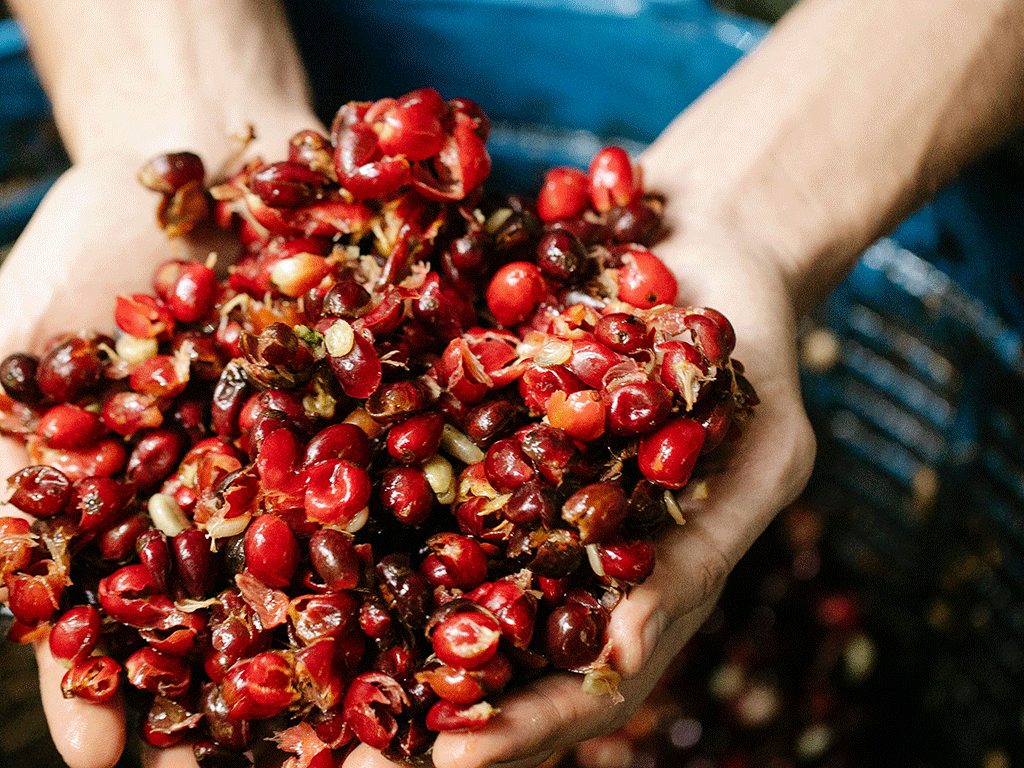
Coffee waste is created at different stages of the coffee supply chain. During coffee farming and processing, coffee cherries produce materials such as pulp and husks. After brewing, cafes and consumers generate used coffee grounds every day.
Coffee is one of the most consumed beverages worldwide. As global coffee production and consumption continue to grow, managing these leftover materials becomes a larger challenge for businesses.
When these materials are not handled properly, they can create disposal issues. Organic materials may require suitable treatment to avoid unnecessary environmental pressure. This is why the coffee industry is exploring more effective ways to manage these resources.
However, these materials are not only a waste problem. They also contain valuable components that can support different reuse opportunities. Organic matter, natural compounds, and other elements make them suitable for further applications.
For coffee businesses, understanding these by-products is an important step toward better resource management. Instead of sending all discarded materials away, companies can explore methods that give them another purpose.
This approach connects with the idea of a circular economy. A circular model focuses on keeping materials in use for longer and reducing unnecessary disposal.
As sustainability becomes a bigger focus in the coffee sector, more businesses are looking at ways to improve how they manage leftover materials throughout their operations.
How Can Coffee Waste Be Upcycled in the Coffee Industry?
Upcycling coffee waste means turning discarded coffee materials into new uses instead of treating them only as waste. The exact method depends on the type of material, available technology, and local systems.
One common example is spent coffee grounds. After brewing, these grounds still contain organic compounds and can be used in different applications. Some businesses and researchers have explored their use in composting, soil improvement, and material development.
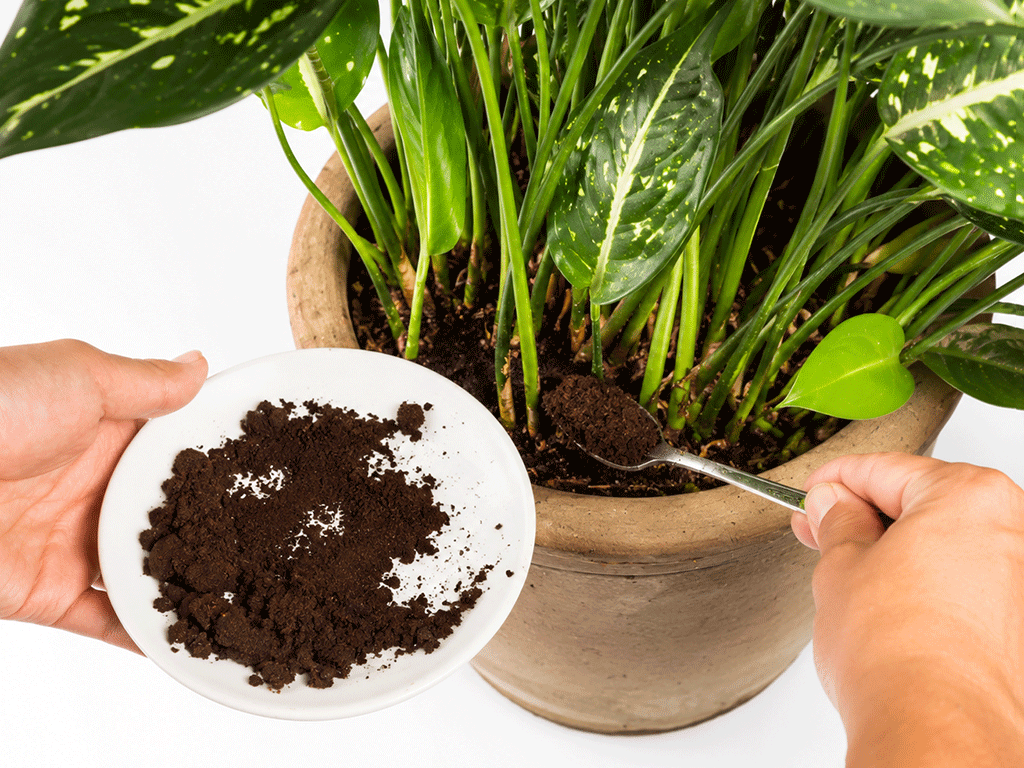
The amount of coffee waste created globally has increased interest in reuse solutions. According to research published in Resources, Conservation & Recycling, around 6 million tonnes of spent coffee grounds are generated globally every year. However, only a small portion is currently reused, which creates opportunities for further development of recycling and upcycling methods.
Coffee farms also produce by-products during processing. Coffee pulp and husks are created when the outer layers of coffee cherries are removed. These materials can be explored for uses such as compost, agricultural applications, and bio-based products.
Research has also examined how these materials can support new product development. Studies have explored applications using coffee by-products, including natural extracts, bio-based materials, and other resource recovery solutions.
However, upcycling is not a simple process. Businesses need to consider collection, transportation, processing methods, and final applications. A solution that works well in one location may not be suitable in another.
For coffee roasters and other industry members, these opportunities create new ways to think about waste management. Instead of focusing only on disposal, businesses can explore how leftover materials move through the supply chain.
The growth of these solutions also supports wider discussions around circular practices in the coffee industry. By finding new uses for existing materials, companies can reduce waste and improve resource efficiency.
Turning Waste into Valuable Resources
The value of coffee waste does not only come from reducing disposal. It also comes from finding practical ways to reuse materials created throughout the coffee supply chain.
Spent coffee grounds are one of the most researched examples. After brewing, they still contain organic compounds and nutrients that can support different applications.
These include composting, soil improvement, and material development. Instead of becoming general waste, these materials can return to the resource cycle and create additional value.

Coffee processing by-products also provide reuse opportunities. Coffee pulp and husks are removed during processing, but they can be explored for applications such as agricultural products, natural extracts, and bio-based materials.
These approaches help businesses use more parts of the coffee plant and reduce unnecessary disposal.
However, creating value from coffee waste requires more than identifying possible uses. Businesses need suitable systems for collection, storage, transportation, and processing.
The right approach depends on location, available resources, and business needs.
For coffee roasters and other coffee businesses, understanding where waste is created can help identify opportunities for reuse. By viewing discarded materials as potential resources, the coffee industry can continue exploring more circular practices.
Some businesses and researchers are already exploring ways to reuse coffee by-products. These projects show how discarded materials can become valuable resources through practical solutions.
For coffee roasters, reducing coffee waste requires a clear understanding of where waste is generated and how it can be managed. While the process may take time, small steps can help businesses build more responsible operations.
At YamiPak Coffee, we believe sustainable practices start with better material decisions and smarter resource management. Contact us today to explore solutions that support your coffee business goals.
FAQs
What types of materials are considered coffee waste?
Coffee waste includes spent coffee grounds, coffee pulp, and coffee husks created during production, processing, and consumption.
Why should businesses reuse these materials?
Reusing coffee waste can help reduce disposal needs and create opportunities for new applications.
How can spent coffee grounds be used?
Spent coffee grounds can be explored for uses such as composting, agriculture, and material development.
Share This Story, Choose Your Platform!

Chris Li
Chris Li is the Marketing Director at YamiPak coffee, with over 10 years of experience in packaging and printing. Passionate about sustainable solutions and innovative design, Chris helps brands create impactful packaging that leaves a lasting impression.