
Are Single Use Coffee Cups Recyclable?
Key takeaways
- Single use coffee cups are difficult to recycle because their waterproof inner layers can affect the recycling process.
- The materials used in coffee cups, including paperboard and different lining options, influence their recyclability and performance.
- Businesses need to consider materials, functionality, and local recycling systems when choosing more sustainable coffee cup solutions.
Single use coffee cups are widely used for takeaway drinks because they are convenient and easy to carry. However, their environmental impact has become a growing concern as more businesses and customers pay attention to packaging choices.
Single use coffee cups are not always easy to recycle. Their recyclability depends on the materials used, the type of lining, and whether local recycling facilities can process the cup structure properly.
Understanding how coffee cups are made can help businesses choose packaging solutions that balance practical performance with sustainability goals. From material selection to disposal options, each part of the cup design plays an important role.
What Makes Single Use Coffee Cups Difficult to Recycle?
Single use coffee cups have become a major topic in packaging sustainability because they are widely used in takeaway coffee culture. Many consumers assume that paper-based cups can be easily recycled, but the actual recycling process is more complicated. In the UK alone, around 2.5 billion disposable coffee cups are used and discarded every year, while less than 1 in 400 cups are recycled through existing systems.
Most hot coffee cups use paperboard with a waterproof lining. This layer prevents leaks but makes recycling more difficult because the materials need to be separated. Many standard recycling facilities are not designed to process these mixed-material products.
However, the difficulty of recycling single use coffee cups is not only related to the materials themselves. Local recycling infrastructure also plays an important role. A cup may be technically recyclable if it reaches a specialised facility, but it may still end up as general waste if the local system cannot collect or process it properly.
Consumer disposal habits also affect recycling outcomes. Coffee residue and other contamination can affect recycling quality and processing. Choosing recyclable cups is only part of the solution; materials, recycling systems, and customer behaviour also matter.
Understanding these challenges helps businesses make more informed packaging decisions. Instead of simply looking for recyclable labels, it is important to evaluate the full structure of a coffee cup and how it performs after use.
What Materials Are Used in Single Use Coffee Cups?
The structure of single use coffee cups usually combines several materials to provide strength, liquid resistance, and a suitable surface for printing. The main body is often made from paperboard, which gives the cup its shape and stability. However, paperboard alone cannot prevent liquids from passing through, so an additional lining is needed.
Common lining materials include polyethylene (PE), polylactic acid (PLA), and newer coating options designed for different sustainability goals. Traditional PE linings provide strong waterproof performance and help prevent leaks during use. PLA linings are made from plant-based materials and are often used in compostable packaging solutions, although they usually require specific composting conditions.
Aqueous coatings are another developing option that can improve the recyclability of some paper-based packaging. However, the final result still depends on local processing facilities and how the material is handled after disposal.
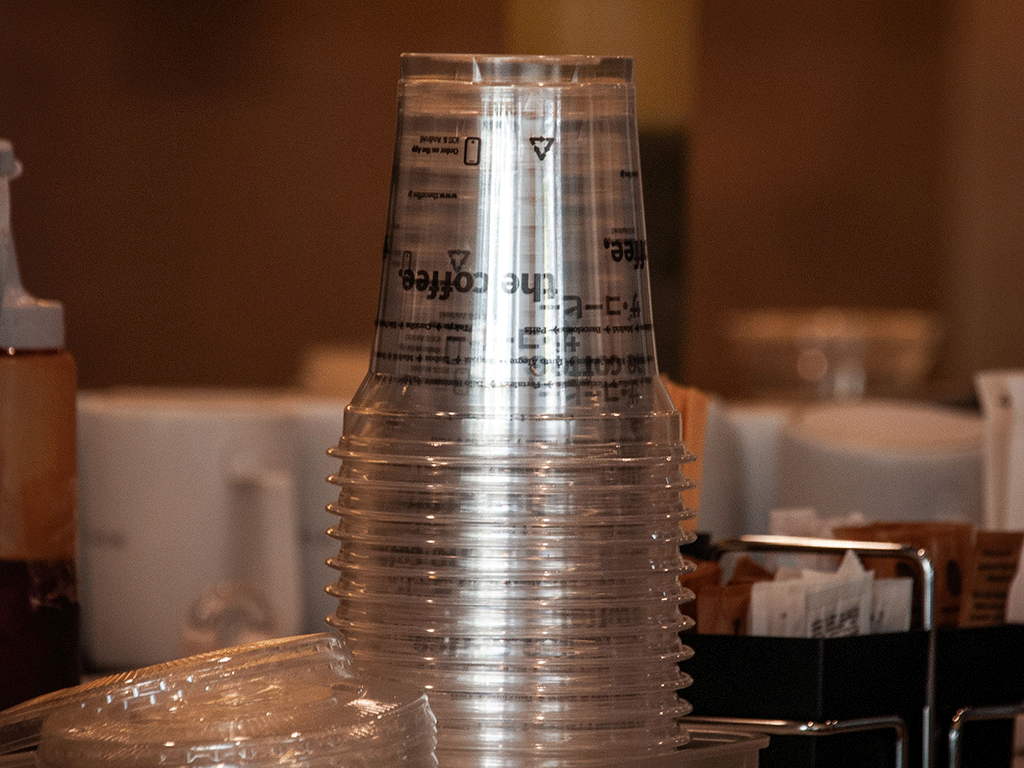
Different cup types also require different material choices. Hot coffee cups need strong heat resistance and reliable leak protection because they are designed for warm beverages. Cold drink cups, especially clear plastic cups, are often made from materials such as PET or PP, which may follow different recycling processes compared with paper-based hot cups.
The outside surface of the cup also plays an important role for businesses. Printing quality, colour performance, and design details help create a stronger brand presentation. A suitable coffee cup needs to combine practical functions with packaging design requirements.
Understanding these material differences helps businesses choose cups that match their usage needs while considering sustainability factors.
How Can Businesses Choose More Sustainable Coffee Cups?
Choosing more sustainable single use coffee cups requires businesses to look beyond simple environmental claims. A suitable cup needs to meet daily operational needs while also supporting wider sustainability goals.
One important factor is understanding local recycling or composting systems. A material that works well in one location may not have the same end-of-life options elsewhere. Businesses should consider whether their chosen single use coffee cups can be properly handled after disposal.
Functionality is also essential. Coffee cups need to provide reliable performance during use, including leak resistance, heat protection, and comfortable handling. A sustainable option should still protect the customer experience and support efficient service.
Cost is another consideration. Different materials and manufacturing methods can affect pricing, so businesses need to find a balance between sustainability goals and practical budgets. The right choice depends on the company’s needs, customer expectations, and available packaging options.
Consumer awareness is also changing how businesses approach packaging. Research shows that many customers are becoming more interested in brands that make responsible environmental choices. However, clear communication is important. Businesses should explain their packaging choices honestly instead of making unclear sustainability claims.
By considering materials, performance, and disposal systems together, businesses can select single use coffee cups that better match their operational needs and sustainability targets. The goal is not only to choose a more responsible material but also to create a packaging solution that works throughout the product lifecycle.
At YamiPak Coffee, we provide custom coffee packaging solutions with a range of materials, structures, and finishing options. These solutions help businesses create packaging that balances functionality, sustainability, and brand presentation while meeting their product needs.
Contact YamiPak Coffee to explore custom packaging solutions for your brand.
FAQ
Are all single use coffee cups recyclable?
No. The recyclability of coffee cups depends on their materials, lining structure, and local recycling facilities. Some cups require specialised processing instead of standard recycling systems.
Why do coffee cups need an inner lining?
The inner lining helps prevent leaks and improves durability. Without this layer, paper-based cups would not be suitable for holding liquids for extended periods.
Are cold drink cups easier to recycle than hot coffee cups?
In many cases, clear plastic cold drink cups can be easier to recycle because they are often made from single plastic materials. However, they still need proper cleaning and sorting before processing.
What should businesses consider when choosing coffee cups?
Businesses should consider material performance, recycling availability, cost, customer expectations, and packaging functionality before selecting a coffee cup solution.
Share This Story, Choose Your Platform!

Chris Li
Chris Li is the Marketing Director at YamiPak coffee, with over 10 years of experience in packaging and printing. Passionate about sustainable solutions and innovative design, Chris helps brands create impactful packaging that leaves a lasting impression.
 Coffee Subscription Strategy for Specialty Coffee Roasters