
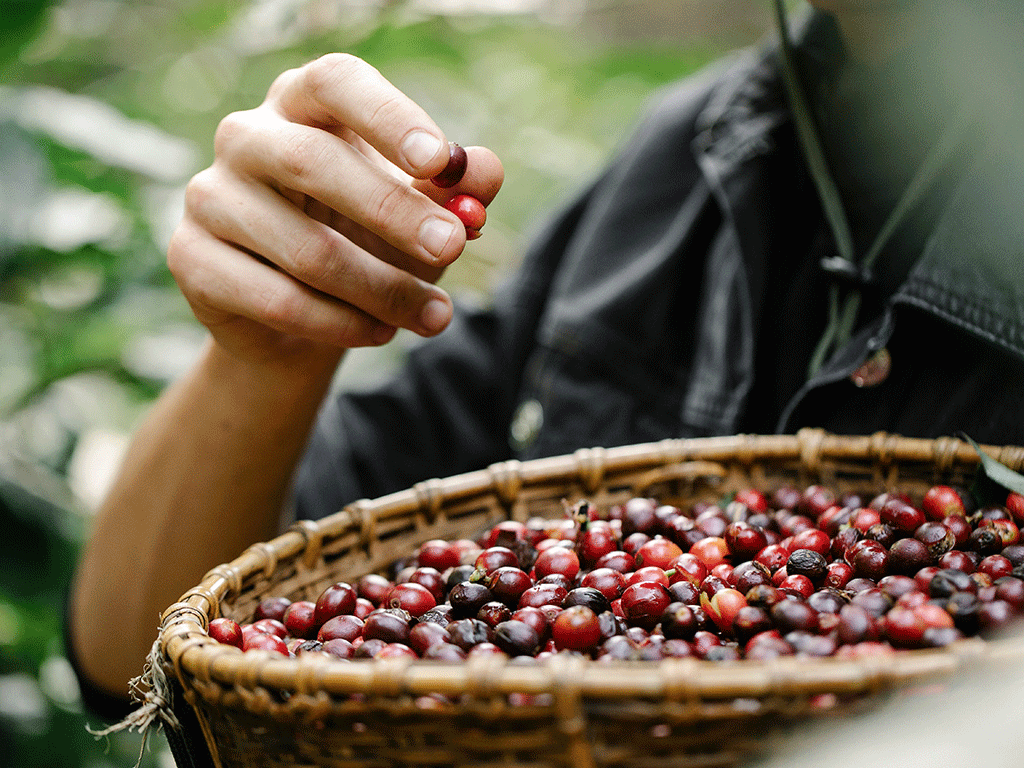
Should Coffee Roasters Source Fair Trade Certified Coffee?
Coffee sourcing is becoming more than a question of price and quality. Consumers increasingly want to understand where their coffee comes from and how producers are supported through fair trade practices.
Fair trade coffee gives roasters a recognised way to show commitment to responsible sourcing. It connects coffee brands with producers through certification standards, pricing structures, and supply chain practices.
For coffee roasters, certification can provide a clearer sourcing story and help communicate the values behind the coffee. However, it is only one approach among different sourcing models available today.
What Is Fair Trade Certified Coffee?
Fair trade certified coffee is produced under a third-party certification system designed to improve conditions for farmers and strengthen supply chain standards. The model aims to provide producers with more stable income through mechanisms such as minimum prices and additional premiums.

The certification system was created to support coffee producers who face challenges from changing market prices and rising production costs. Since farmers depend heavily on global coffee markets, price fluctuations can directly affect their income. A minimum price mechanism helps provide greater financial stability when market conditions become uncertain.
Another important part of this model is the fair trade premium. This additional payment can be used by producer organisations to support community projects, improve farming practices, invest in equipment, or strengthen business development. The goal is to encourage long-term improvements within coffee-growing communities.
To receive certification, producers and organisations must meet requirements related to economic, social, and environmental practices. These standards cover areas such as working conditions, environmental responsibility, and organisational management.
For coffee roasters, understanding fair trade means looking beyond a certification label. It provides a structured approach to responsible sourcing and helps connect coffee production with consumer expectations.
However, this approach also has limitations. Certification may involve additional costs and requirements for producers and businesses, and some discussions focus on whether certification alone can fully address challenges such as farmer income, coffee quality, and long-term relationships.
As a result, many roasters consider different sourcing approaches together. Fair trade remains an important model, but it exists alongside methods such as direct trade, which focuses on closer relationships between roasters and producers.
Benefits of Fair Trade Coffee for Roasters
Fair trade coffee can provide value for roasters beyond the coffee itself. By choosing certified coffee, roasters can communicate their commitment to responsible sourcing and help consumers better understand the journey behind each cup.
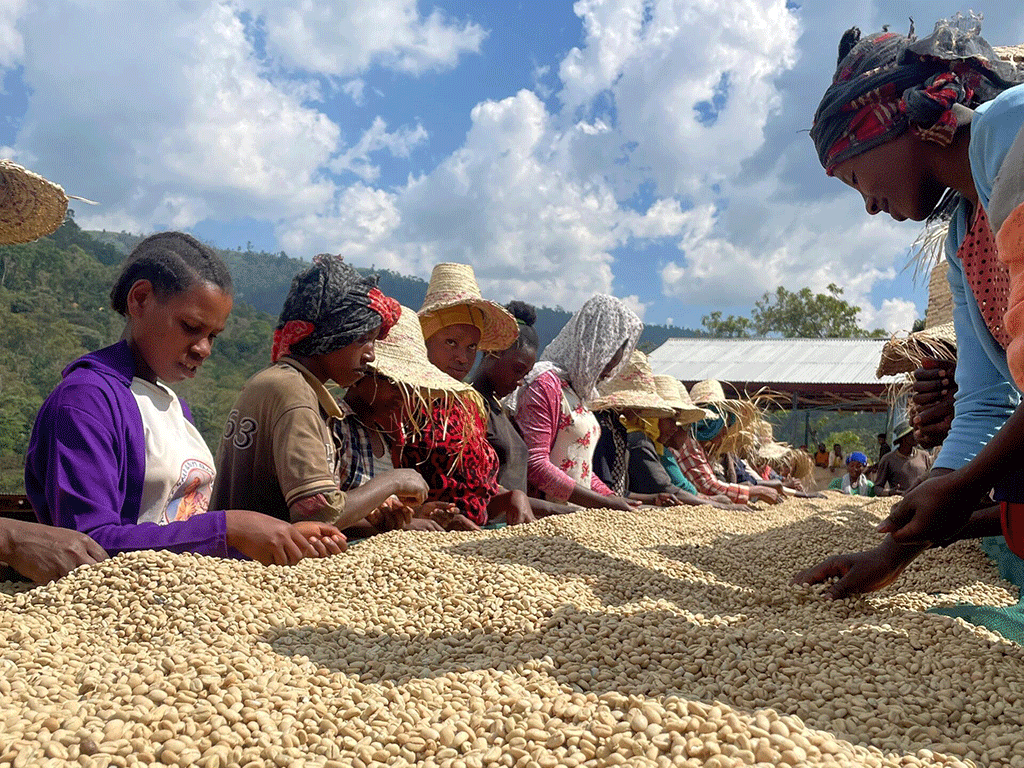
For many coffee roasters, sourcing decisions are closely connected to brand identity. Consumers are increasingly interested in coffee origins, including how it is produced and its environmental impact.
One key benefit of this certification is improved transparency. It gives roasters a clearer way to communicate sourcing practices without relying only on marketing messages, helping customers understand the standards behind their coffee.
Fair trade also helps roasters build stronger brand stories. Coffee is not only a product but also an experience connected to farmers, regions, and production methods. Sharing these stories can create deeper connections with customers.
For specialty coffee businesses, storytelling plays an important role in customer engagement. Information about coffee origins, farming communities, and production methods can help consumers appreciate the value behind the product and the people involved.
However, the value of this approach is not limited to consumer communication. It can also encourage roasters to understand their supply chains better, including producer conditions, pricing structures, and sourcing relationships.
At the same time, fair trade certification is not the only way for roasters to support ethical sourcing. Some businesses develop direct relationships with farmers or producer organisations to create long-term partnerships and improve communication.
For this reason, roasters should view fair trade as one possible sourcing tool rather than the only solution. The right approach depends on brand values, customer expectations, quality goals, and the relationships they want to build.
Should Roasters Choose Fair Trade Coffee?
Choosing fair trade coffee depends on a roaster’s sourcing goals, brand positioning, and relationship with customers. The certification provides a structured way to support producers and communicate ethical sourcing efforts, but it is only one part of responsible coffee supply chains.
For coffee roasters, selecting a sourcing model requires balancing different priorities. Supporting farmers, maintaining coffee quality, managing costs, and meeting customer expectations influence purchasing decisions. Fair trade can support these goals through recognised standards and producer support mechanisms.
However, some roasters also explore other sourcing approaches, such as direct trade. Direct trade focuses on building closer relationships between producers and buyers, with more emphasis on communication, transparency, and long-term cooperation rather than certification systems.
Both approaches have their own characteristics. Fair trade offers a recognised framework that many consumers understand, while direct trade allows roasters and producers to develop more personalised partnerships based on trust and shared goals.
Roasters also need to consider how sourcing decisions connect with their overall brand message. Ethical sourcing is not only about purchasing coffee but also about explaining the values behind the product, including coffee origins and producer stories.
Transparency plays an important role in modern coffee branding. A strong sourcing strategy should include clear communication, accurate information, and genuine relationships with producers. Whether using fair trade, direct trade, or another approach, roasters need to consider long-term supply chain goals.
For many businesses, the future of coffee sourcing may involve combining different approaches. Certification systems, direct relationships, and transparent communication can work together to support producers and help roasters build stronger customer connections.
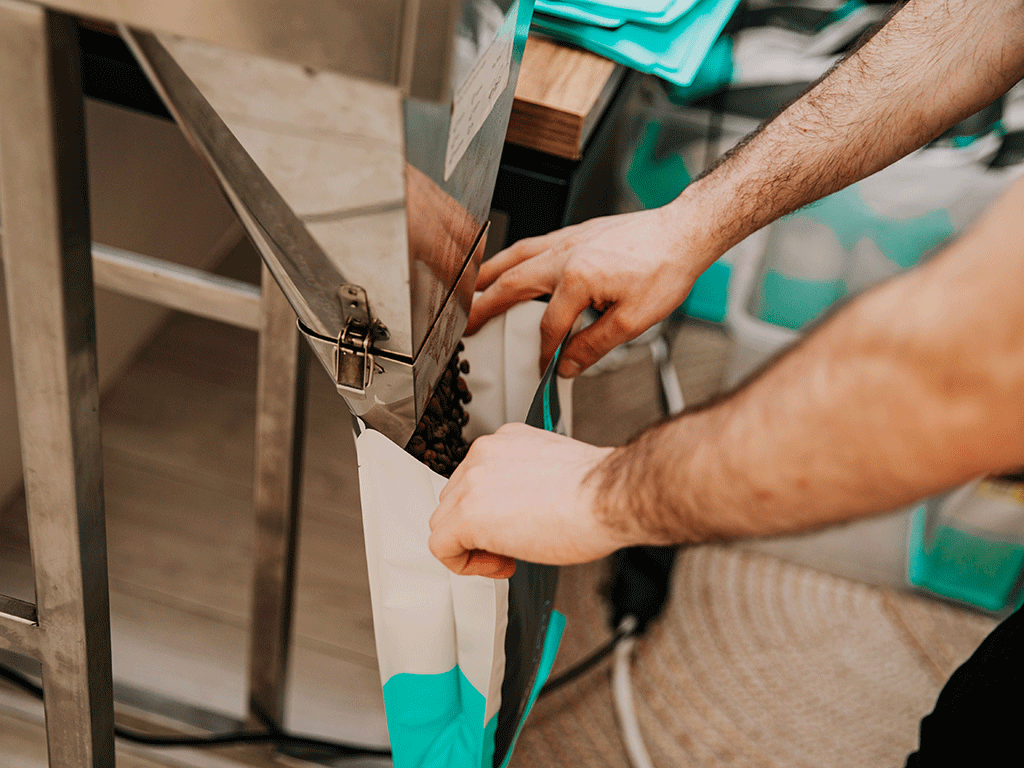
At YamiPak Coffee, we understand the effort that coffee producers and roasters put into creating quality coffee. We offer a range of custom-printed coffee bags, including recyclable coffee bags with EVOH barrier layers and compostable coffee packaging with PLA lining, helping roasters choose packaging solutions that match their product requirements.
For more information on sustainable, custom-printed coffee packaging, contact our team.
Share This Story, Choose Your Platform!

Chris Li
Chris Li is the Marketing Director at YamiPak coffee, with over 10 years of experience in packaging and printing. Passionate about sustainable solutions and innovative design, Chris helps brands create impactful packaging that leaves a lasting impression.
 What Are Recyclable Coffee Bags with EVOH and Why Are They Used?