
PPWR Coffee Packaging: How Roasters Can Prepare for 2030
The EU’s new PPWR coffee packaging rules are closer than many roasters think. Waiting until 2030 could mean costly redesigns, wasted packaging and problems selling coffee in EU markets.
PPWR coffee packaging preparation starts with checking existing materials, collecting compliance documents and testing recyclable structures. Roasters should also review recycled content, food-contact safety and labelling before the 2030 deadlines.
Not every coffee bag faces the same requirements. Some rules already apply, while others will take effect between 2028 and 2030. Understanding these deadlines can help roasters plan packaging changes, control costs and avoid last-minute decisions.
What Is the PPWR Coffee Packaging Timeline?
The Packaging and Packaging Waste Regulation (PPWR) introduces common packaging rules across the European Union. It entered into force in February 2025 and generally applies from 12 August 2026. Different PPWR coffee packaging requirements have different deadlines, so roasters need to prepare in stages.
| Date | What applies |
| 11 February 2025 | Regulation (EU) 2025/40 entered into force |
| 12 August 2026 | Regulation applies. PFAS limits and conformity documentation are live |
| 12 February 2028 | Permeable coffee bags and soft single-serve units must be industrially compostable |
| 12 August 2028 | Harmonised sorting labels apply |
| 1 January 2030 | Recyclability duty under Article 6. Recycled-content minimums for plastic packaging |
| 1 January 2038 | Grade C packaging phased out, leaving grades A and B |
The next major changes arrive in 2028. Two deadlines will affect PPWR coffee packaging:
- 12 February 2028: Permeable coffee bags and soft single-serve units must be industrially compostable if consumers dispose of them with coffee grounds.
- 12 August 2028: Harmonised sorting labels apply to packaging.
Standard valve coffee bags are not covered by the compostability requirement.
The main 2030 requirements cover two areas:
- Recyclability: Packaging must meet the requirements under Article 6.
- Recycled content: Plastic packaging must meet the minimum recycled-content targets under Article 7.
Roasters should review their PPWR coffee packaging materials, request supplier documentation and test suitable alternatives before changing their regular orders.
What Are the Main PPWR Coffee Packaging Requirements?
PPWR sets rules for chemical safety, documentation, recyclability, recycled content and waste sorting. Roasters should check these requirements before choosing materials or placing new orders.
- Check every packaging format
List coffee bags, valves, liners, labels and cartons. Record material structures, suppliers and which components touch coffee. Keep this information updated.
- Meet the PFAS restrictions
Since 12 August 2026, food-contact packaging must meet Article 5(5) PFAS limits.
| PFAS measurement | Maximum limit |
| Any individual PFAS | 25 ppb |
| Sum of targeted PFAS | 250 ppb |
| Total PFAS, including polymeric PFAS | 50 ppm |
There is no transition period. Packaging first placed on the EU market after this date must comply, even if made earlier. Roasters should request test reports and check coatings, laminates and grease-resistant treatments.
- Prepare compliance documents
Manufacturers must complete the relevant conformity assessment and prepare an EU Declaration of Conformity, supported by technical documentation. Keep documents for five years for single-use packaging and ten years for reusable packaging.
Ask suppliers for material specifications, food-contact documents and PFAS test results. Confirm who holds legal responsibility, especially when importing bags from outside the EU.
- Check recycling requirements
Article 6 sets recyclability requirements, while Article 7 introduces recycled-content targets for certain plastic packaging from 2030. Review the complete bag structure, including valves, zippers, inks and adhesives. Ask suppliers for evidence of recyclability and recycled content.
Harmonised sorting labels will affect packaging artwork from 2028. Certain permeable coffee bags and soft single-serve formats must also meet industrial compostability requirements. Identify affected formats and review artwork before the next print run.
How Should Roasters Prepare Their Coffee Packaging for 2030?
Roasters need to review existing materials, test recyclable alternatives and check every component before 2030. The goal is to meet PPWR coffee packaging requirements without affecting coffee quality or production.
- Review your current packaging materials
List all coffee bag formats and record their material structures.
- List flat pouches, side-gusset bags and flat-bottom bags.
- Record valves, zippers, labels and other components.
- Identify materials that may be difficult to recycle.
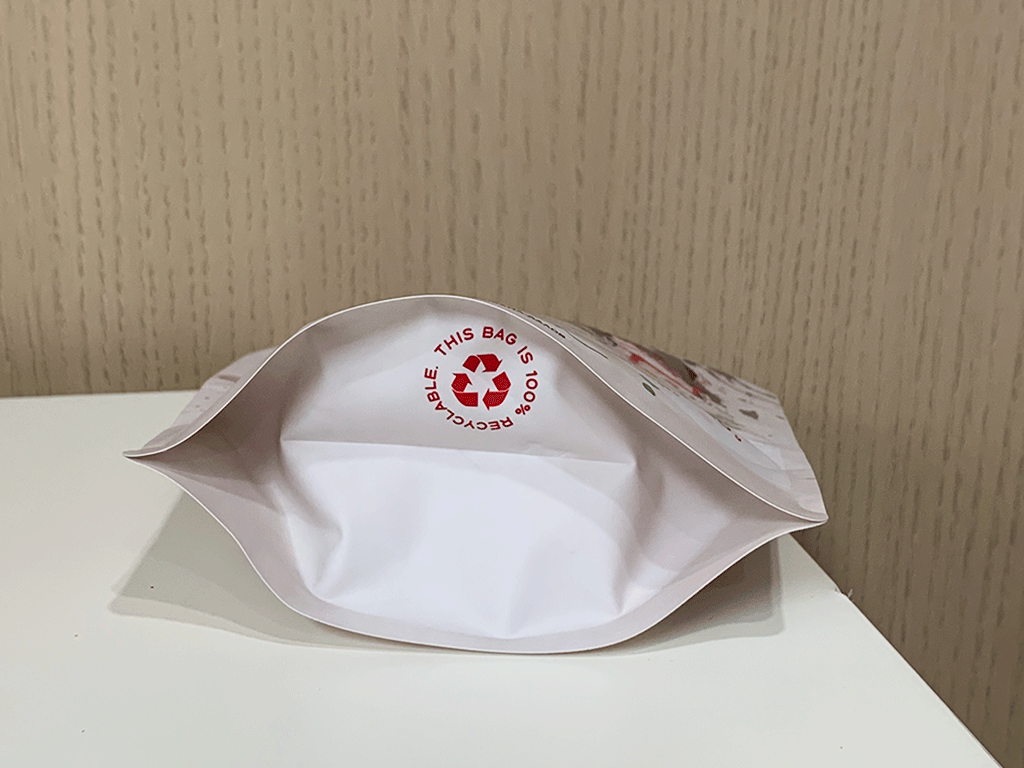
Traditional coffee bags often combine plastics, aluminium foil and paper, which can make recycling difficult. Mono-material structures offer another option, but the complete bag must still meet applicable recycling criteria.
- Ask suppliers about recyclable mono-material options.
- Compare structures with your current coffee bags.
- Request material specifications and samples.
A recyclable main film does not automatically make the entire bag recyclable. Valves, zippers, inks and adhesives also need attention.
- Check valve and zipper compatibility.
- Review inks, adhesives and labels.
- Confirm that all components fit the intended recycling stream.
- Test new packaging on your production line
Test samples with your own coffee and filling equipment before placing larger orders.
- Check sealing strength and filling speed.
- Test valve performance and production waste.
- Compare coffee freshness, aroma and flavour during storage.
- Record results before approving production.
- Check recycled-content options
Article 7 introduces minimum recycled-content targets for certain plastic packaging from 2030. Roasters should discuss material options with suppliers.
- Request evidence of recycled content.
- Check food-contact compliance.
- Keep supporting documents with material specifications.
- Confirm suitability for your coffee bag format.
Which PPWR Coffee Packaging Deadlines Land Between 2028 and 2030?
PPWR coffee packaging faces three key changes by 2030: compostability, sorting labels and recyclability. Roasters should review materials and artwork early to avoid costly redesigns.
Sorting labels from August 2028
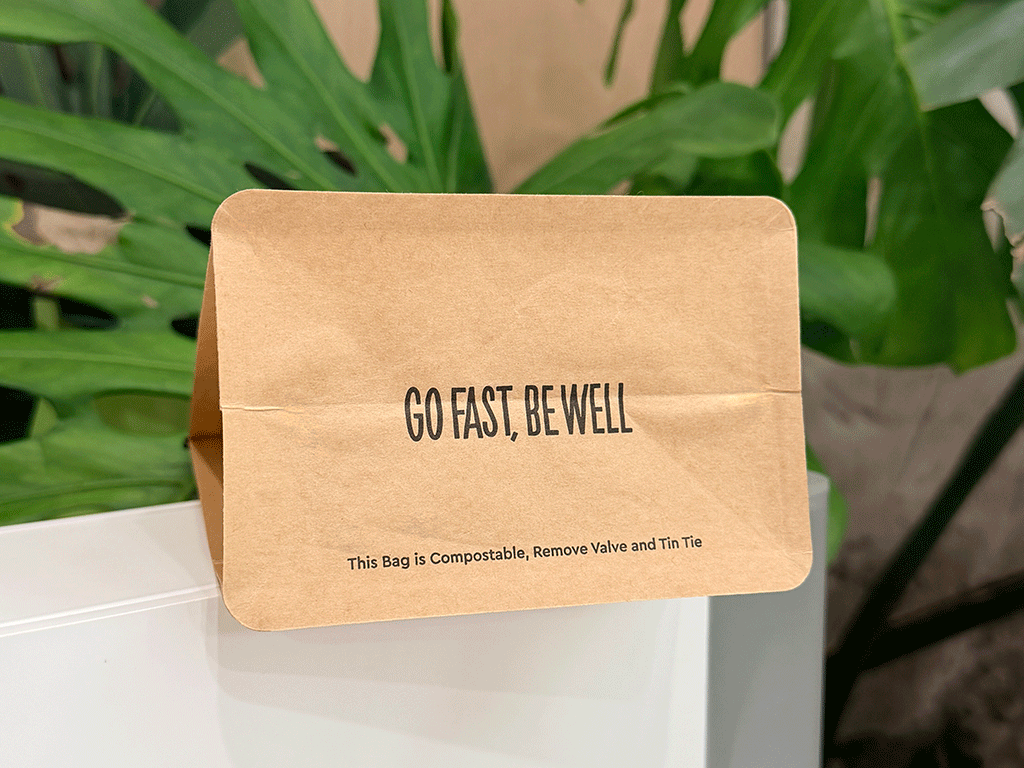
Harmonised sorting labels apply from 12 August 2028. Roasters should reserve space in coffee bag artwork, brief designers before printing and check label placement across different bag sizes.
Compostability rules for single-serve coffee formats
From 12 February 2028, permeable tea and coffee bags and soft single-serve units disposed of with coffee grounds must be industrially compostable. This includes filter coffee bags and certain pods. Standard valve coffee bags are excluded from this specific requirement.
Roasters should identify affected formats and request compostability certificates from suppliers. Check the testing standard and whether filters, lids and outer wraps meet the relevant requirements.
Getting ready for 2030
Article 6 introduces recyclability requirements, while Article 7 sets minimum recycled-content targets for certain plastic packaging. Roasters should review existing bag structures and test recyclable alternatives before placing new orders.
Suppliers should also provide recycled-content evidence, PFAS test results and conformity documents. Keep these records organised and review regulatory updates every quarter.
Early preparation can help reduce redesign costs and avoid unnecessary packaging waste.
At YamiPak Coffee, we provide custom coffee bags in different materials, structures and formats. Our packaging solutions help roasters explore suitable options based on their storage and production needs.
Contact YamiPak Coffee to explore recyclable coffee bag options for your PPWR 2030 preparation.
Share This Story, Choose Your Platform!

Chris Li
Chris Li is the Marketing Director at YamiPak coffee, with over 10 years of experience in packaging and printing. Passionate about sustainable solutions and innovative design, Chris helps brands create impactful packaging that leaves a lasting impression.
 Coffee Brewing Bags: What Roasters Should Know