
Why Do Roasters Choose Light Roast Coffee for Specialty Coffee?
Light roast coffee has become popular among specialty coffee drinkers. But developing a balanced roast takes careful control of heat and time. Roasters also need to protect the beans after roasting.
Light roast coffee refers to beans roasted to a lighter degree, often around or shortly after first crack. These beans usually have a light brown colour, bright acidity, and floral or fruity notes. Their final flavour depends on the origin, processing method, and roast profile.
Understanding how roasting affects coffee flavour helps roasters develop consistent profiles. It also helps them make better decisions about storing and packaging roasted beans. This guide looks at roast characteristics, flavour development, and the roasting process.
What Is Light Roast Coffee and Why Do Roasters Choose It?
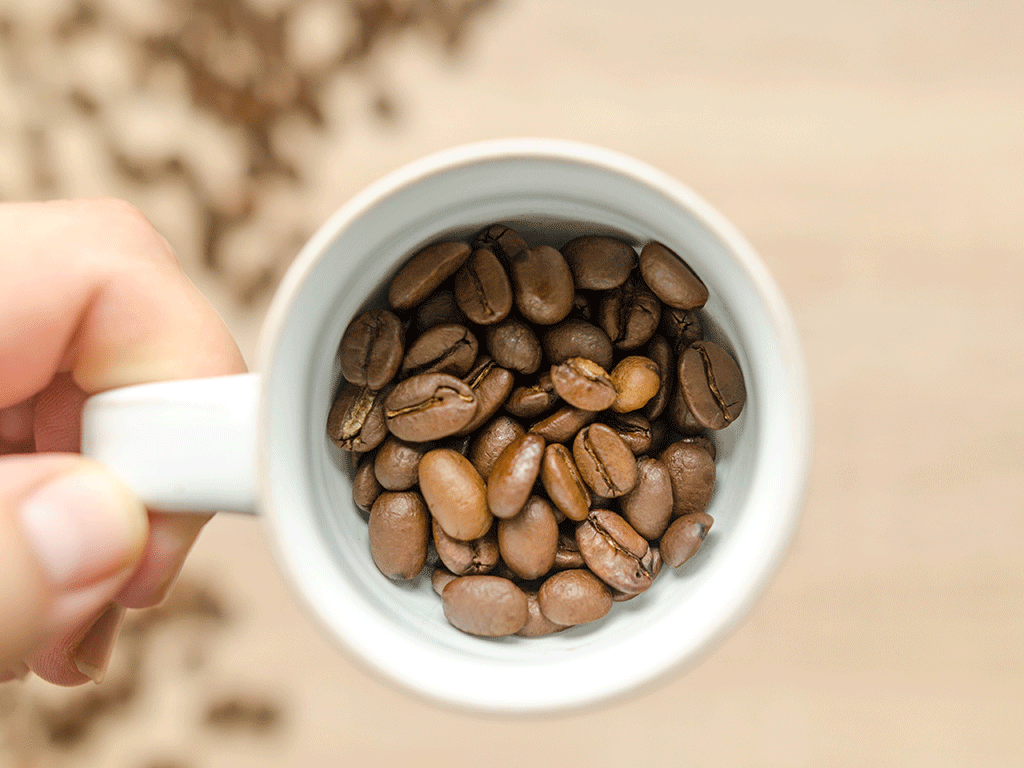
Light roast coffee is known for its lighter bean colour and its ability to show the natural characteristics of green coffee.
What Is Light Roast Coffee?
Light roast coffee is roasted for less time than medium or dark roast coffee. Roasters usually stop roasting around or shortly after first crack, depending on the beans and desired flavour.
The beans usually have a light brown colour with little or no oil on the surface. However, there is no single temperature that defines this roast level. Bean density, moisture, equipment, and roast profile all affect the final result.
Why Do Roasters Choose Light Roast Coffee?
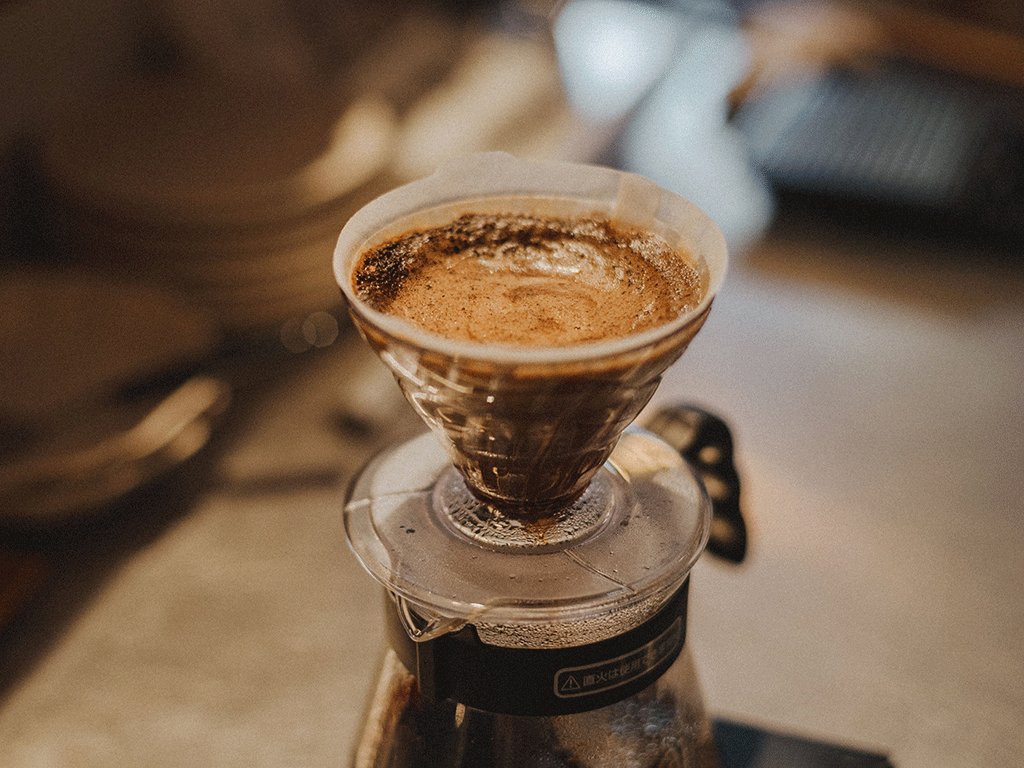
One reason is to highlight coffee origin characteristics. Different growing regions, varieties, and processing methods produce different flavours. A lighter roast can help keep these differences noticeable instead of allowing strong roasted flavours to dominate.
For example, some Ethiopian coffees have floral and citrus notes, while certain Central American coffees show stone fruit, caramel, or nutty flavours. These profiles depend on the green coffee itself.
Another reason is to showcase complex flavour profiles. A carefully developed roast can bring out floral aromas, fruit notes, and a clean finish. These qualities appeal to specialty coffee drinkers who enjoy bright acidity and distinct flavours.
Light roasting also helps roasters meet the preferences of customers who enjoy exploring different origins and processing methods. However, not every coffee works best at this roast level. Roasters need to test each batch and adjust the profile to suit the beans.
How Does Light Roasting Affect Coffee Flavor?
Roasting changes how coffee tastes. It affects acidity, aroma, sweetness, and body. A lighter roast often keeps more of the flavours linked to the original green beans.
Acidity is one of the key features of light roast coffee. It can bring bright notes of citrus, berries, or green apple to the cup. These flavours add freshness and make the coffee more lively.
However, bright acidity does not mean the coffee should taste sour. A well-developed roast has acidity that works with its sweetness and aroma. If the coffee tastes sharp or grassy, it may need more development during roasting or better extraction during brewing.
Origin also makes a difference. Coffee variety, growing conditions, and processing methods all affect the final flavour. Light roast coffee can show these differences more clearly because it develops fewer strong roasted notes.
For example, one coffee may have floral and citrus notes, while another may taste more like berries or stone fruit. This gives roasters more ways to present the character of different origins.
Sweetness and body can vary just as much. Some light roast coffee has notes of honey, brown sugar, or ripe fruit. Other coffees have a lighter body and a tea-like mouthfeel.
A darker roast may bring stronger roasted, bitter, or smoky notes, but it does not always mean more sweetness or body. The result depends on the beans and how they are roasted.
Brewing also affects what customers taste in the cup. Grind size, water temperature, and extraction time can change the balance of acidity, sweetness, and body.
For roasters, tasting each batch is the best way to check the final profile. Small changes to the roast and brewing process can make a clear difference to the cup.
How to Develop a Light Roast Coffee Profile?
Developing a good light roast coffee profile takes control of heat and time. Each stage of roasting affects the final taste, aroma, and body.
Drying Phase
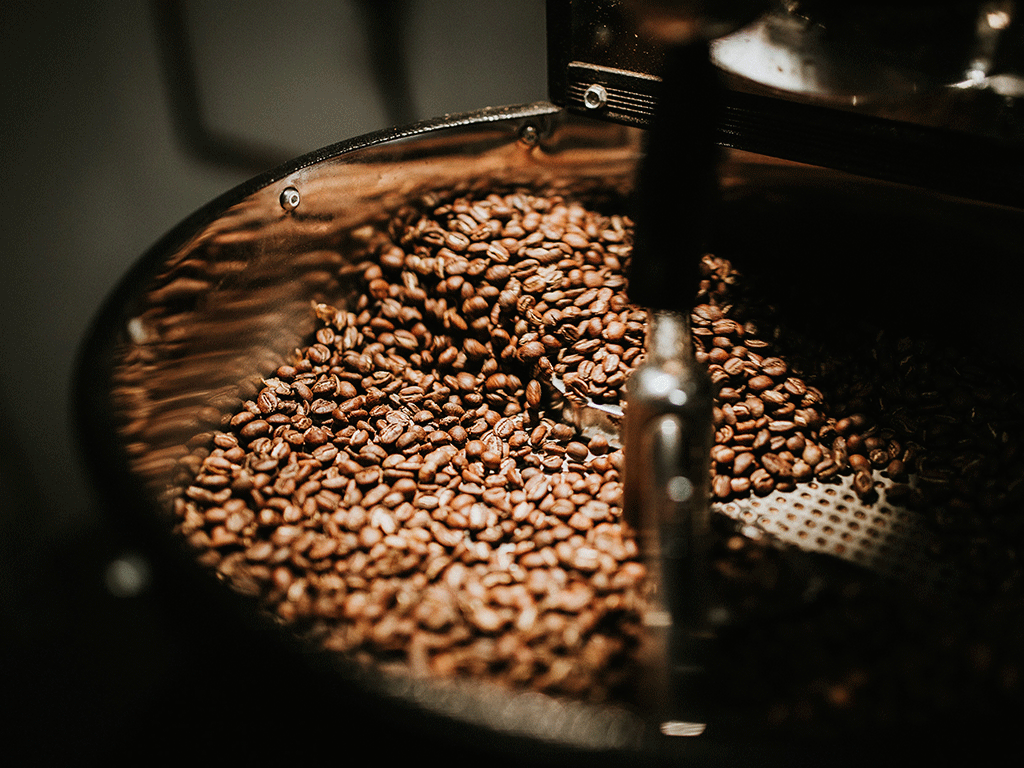
During the drying phase, green coffee beans lose moisture as they absorb heat. Their colour gradually changes from green to yellow. Roasters need to manage heat and airflow to help the beans dry evenly. Uneven drying can affect flavour development in the later stages.
Maillard Phase
After drying, the beans enter the browning stage. During this phase, sugars and amino acids react to form new flavour and aroma compounds. These reactions help create notes of bread, nuts, and caramel. Roasters adjust heat and airflow to develop these flavours while keeping the delicate characteristics of light roast coffee.
Development Phase
The development phase starts at first crack and continues until the beans leave the roaster. Its length affects acidity, sweetness, and roasted flavours. A shorter development may help retain bright acidity and origin characteristics, while longer development brings out more roasted notes. Timing depends on the beans and desired flavour.
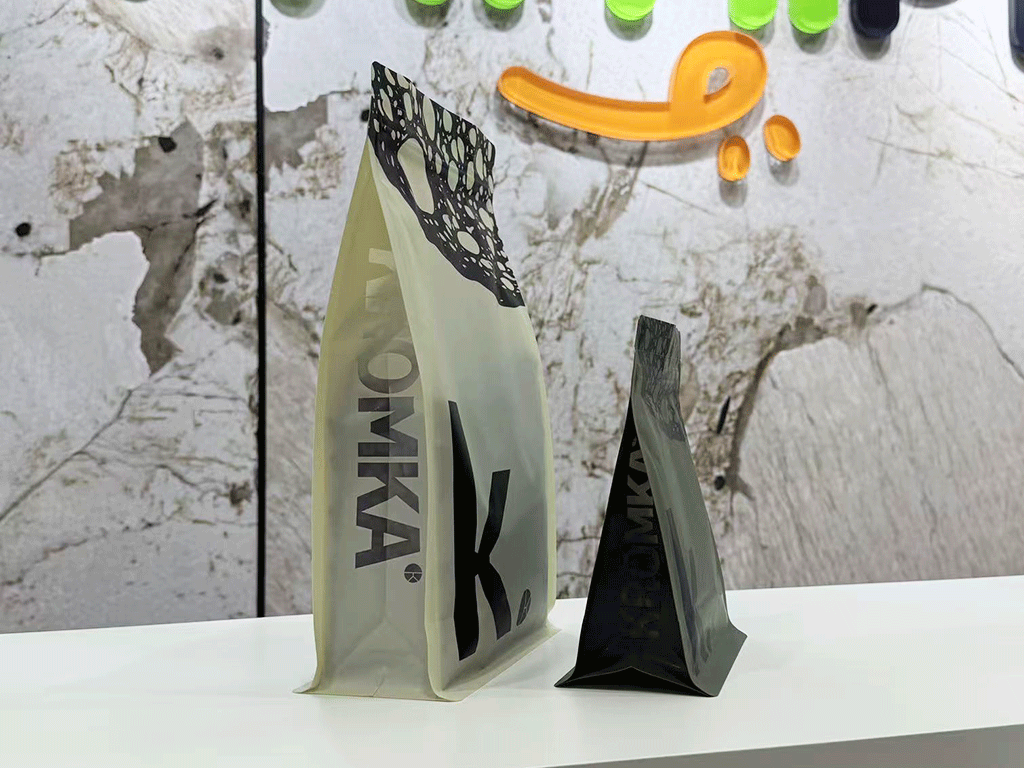
Once roasting is complete, packaging also plays a part in keeping coffee fresh. Whether you roast light, medium, or dark coffee, suitable packaging helps protect bean quality.
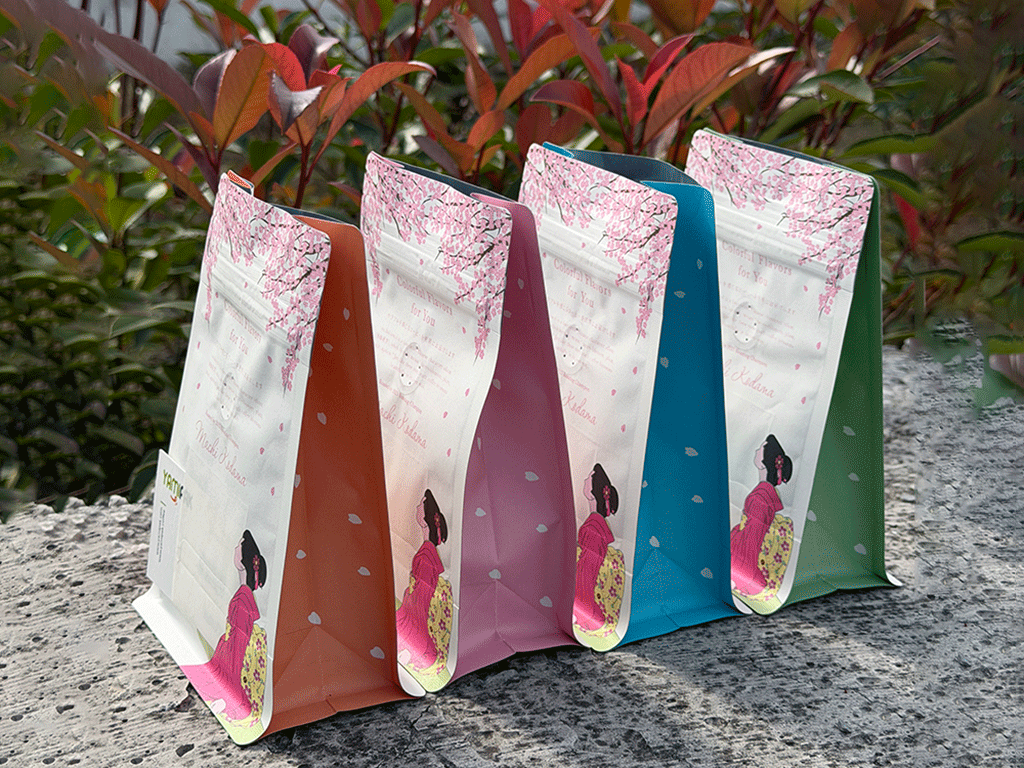
YamiPak Coffee offers a range of sustainable coffee packaging options, from flat-bottom bags to side-gusset bags. We offer recyclable, compostable, and biodegradable packaging materials to suit different needs.
Our packaging accessories include degassing valves and resealable zippers, with recyclable options available. These features help roasters package and store their coffee more conveniently.
We also use eco-friendly printing methods and low-VOC water-based inks to support more sustainable packaging choices for coffee roasters. For custom coffee packaging enquiries, contact our team today.
FAQ
What is the difference between light roast and dark roast coffee?
Light roasts often have brighter acidity and more noticeable origin characteristics. Dark roasts usually have stronger roasted, bitter, and smoky notes.
Are light roast coffee beans good for espresso?
Yes. They can produce espresso with bright acidity and complex flavours, but may require adjustments to grind size and extraction.
Does light roast coffee have more caffeine?
Caffeine levels are relatively similar by bean weight. The amount in a serving can vary with the dose and brewing method.
What does light roast coffee taste like?
It can have floral, fruity, or citrus notes, with bright acidity and a lighter mouthfeel. The exact profile depends on the coffee and roast.
Share This Story, Choose Your Platform!

Chris Li
Chris Li is the Marketing Director at YamiPak coffee, with over 10 years of experience in packaging and printing. Passionate about sustainable solutions and innovative design, Chris helps brands create impactful packaging that leaves a lasting impression.
 Wholesale Coffee Packaging Solutions for Specialty Coffee Roasters