
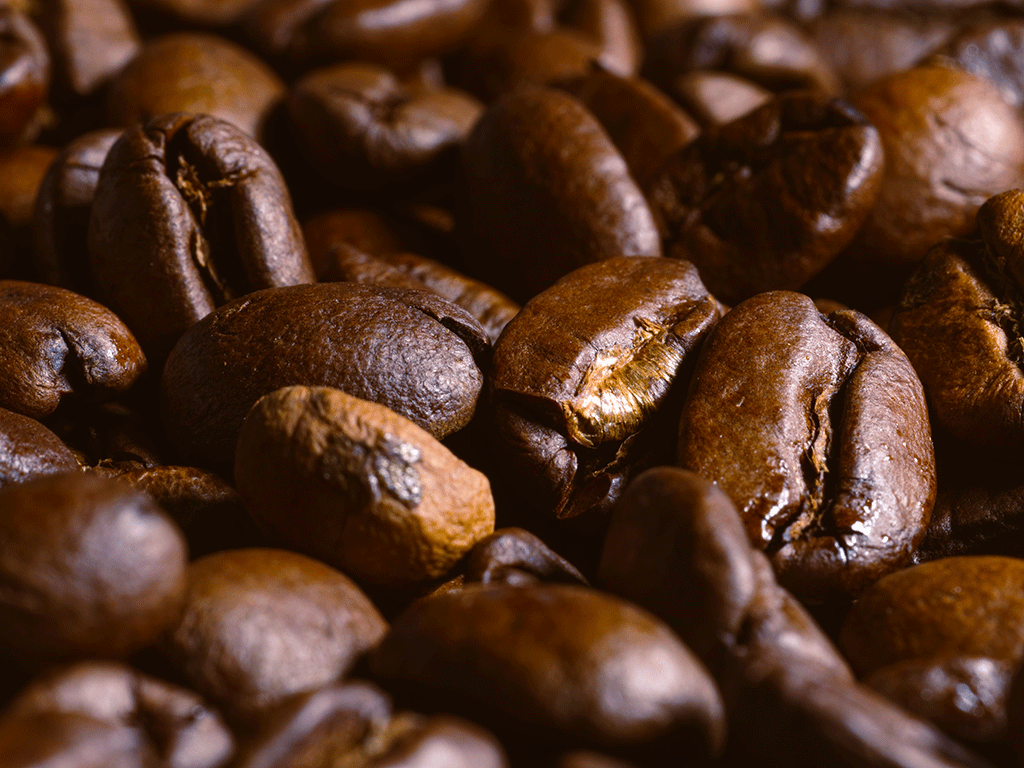
Why Coffee Roast Defects Matter for Roasters
Coffee roast defects can turn a carefully selected coffee into an inconsistent product. Even small roasting changes can affect flavour, consistency, and customer satisfaction.
Coffee roast defects matter because they directly affect coffee quality and batch consistency. Understanding why they happen helps roasters improve roasting control, deliver a more reliable cup, and protect the quality of every coffee they sell.
Every coffee roaster wants customers to enjoy the same quality every time they open a bag. To achieve this, it is important to understand how roast defects develop, how they affect coffee, and how quality can be protected after roasting.
What are coffee roast defects?
Coffee roast defects are problems that develop during the roasting process when roasting conditions are not properly controlled. Temperature, airflow, heat transfer, and development time all influence how coffee beans change during roasting. When one or more of these variables fall outside the desired range, roast defects may appear.
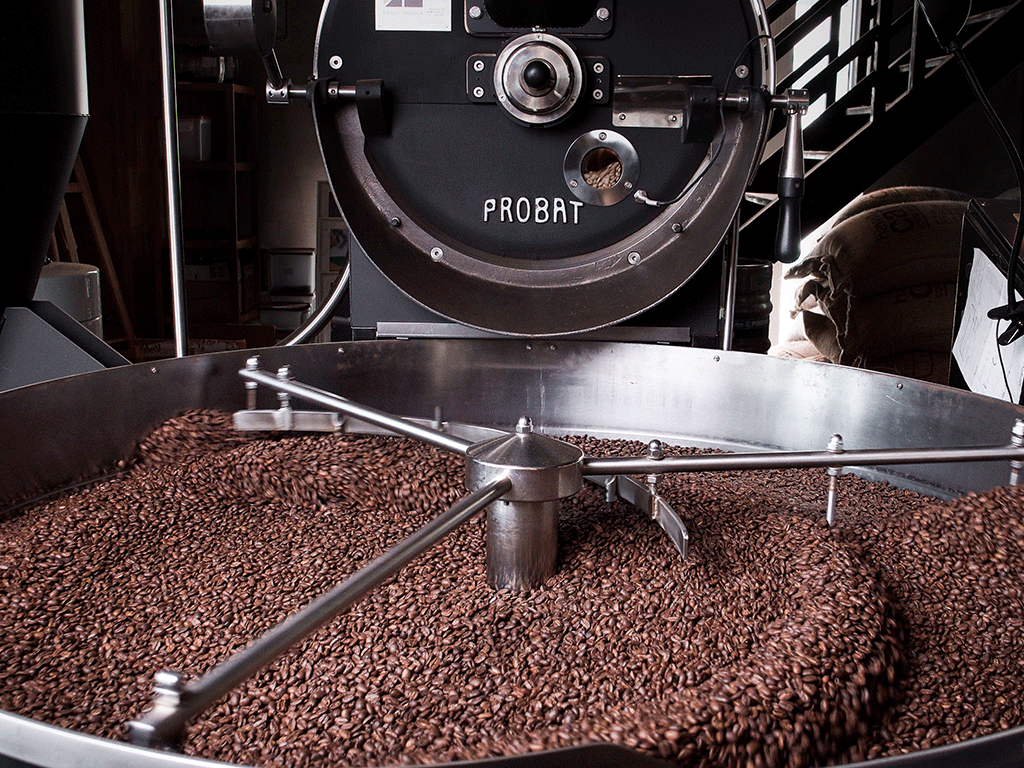
Coffee roasting is a balance between science and experience. Roasters adjust different variables throughout the roast to develop sweetness, aroma, acidity, and body. Even small changes can produce noticeable differences in the final cup.
Several roast defects appear more frequently than others. Underdeveloped coffee usually lacks sweetness and can taste grassy or overly acidic because the beans have not developed fully. Baked coffee often tastes flat because the beans spend too much time developing without enough energy. Scorching and tipping happen when excessive heat burns parts of the bean surface, creating unpleasant bitter or burnt flavours.
According to the Specialty Coffee Association (SCA), heat application and roast development play an important role in flavour formation. Managing these stages carefully allows roasters to create balanced flavour while reducing the risk of roasting defects.
Different coffees also respond differently to heat. A washed Ethiopian coffee may require a different roasting approach from a natural Brazilian coffee. Bean density, moisture content, processing method, and origin all influence how coffee develops inside the roaster.
For this reason, roast defects should not be viewed simply as roasting mistakes. They often show that roasting variables need further adjustment for a particular coffee. Understanding these defects allows roasters to improve their roast profiles and achieve more consistent quality across different batches.
Roast defects also remind coffee roasters that consistency begins long before coffee reaches customers. Every decision made during roasting influences the flavour experience people receive in the cup.
How do roast defects affect coffee quality?
Roast defects can change much more than the appearance of roasted coffee beans. They directly influence how customers experience the coffee in the cup. Even when high-quality green coffee is used, roasting defects can prevent the coffee from expressing its full potential.
One of the biggest effects is the loss of flavour clarity. Specialty coffee is valued because it offers unique flavours that reflect its origin, variety, and processing method. Roast defects can hide these characteristics.
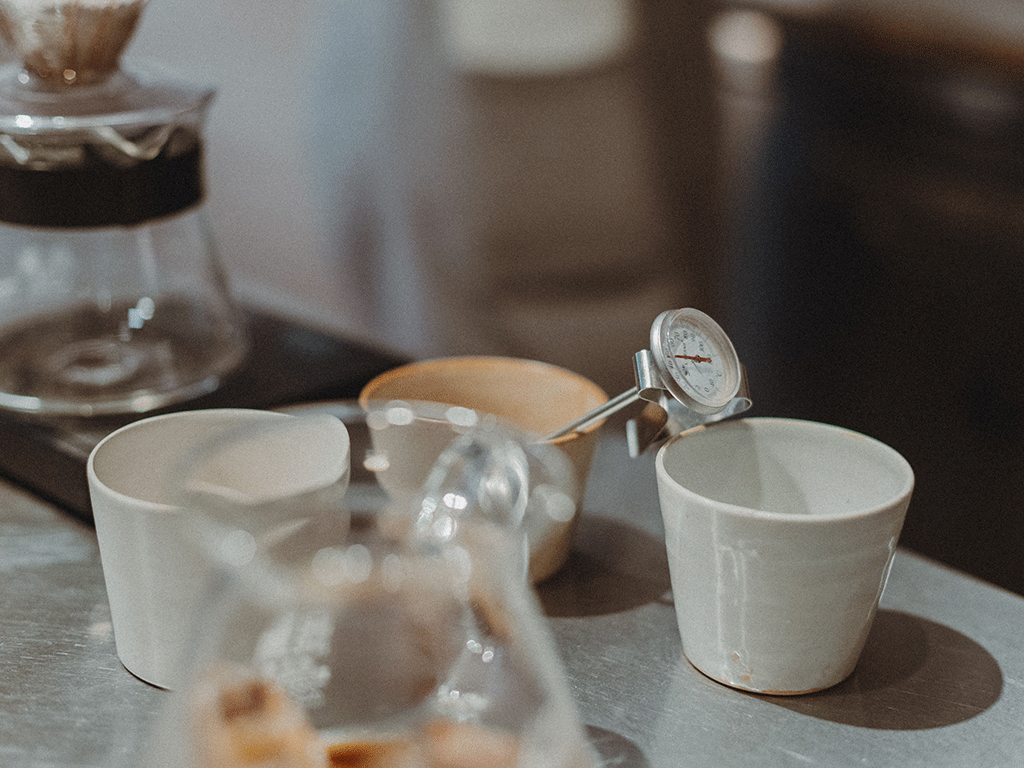
An underdeveloped roast may make fruity coffees taste sour or grassy. A baked roast may reduce sweetness and leave the cup tasting dull. Scorching and tipping can introduce burnt flavours that cover delicate aromas.
Roast defects also reduce consistency between batches. Customers usually expect the same coffee to taste similar every time they buy it.
If one batch tastes bright and sweet while the next tastes flat or bitter, customers may question the reliability of the coffee rather than the roasting process behind it.
This is especially important for specialty coffee businesses. A successful coffee brand is built on repeatable quality, not on producing one excellent batch. Roasters need to reproduce the same flavour profile again and again, even when green coffee characteristics change slightly throughout the season.
According to the National Coffee Association’s National Coffee Data Trends report, taste remains the most important reason consumers choose one coffee over another. Consistency therefore becomes part of the customer experience as well as part of quality control.
For coffee roasters, reducing roast defects is not only about improving technical skills. It is also about protecting brand reputation, increasing customer confidence, and creating a coffee that people are happy to purchase again.
How can roasters maintain consistency after roasting?
Maintaining consistency requires more than controlling the roasting process. Roasters also need to manage quality after roasting to ensure customers receive coffee that reflects the intended flavour profile.
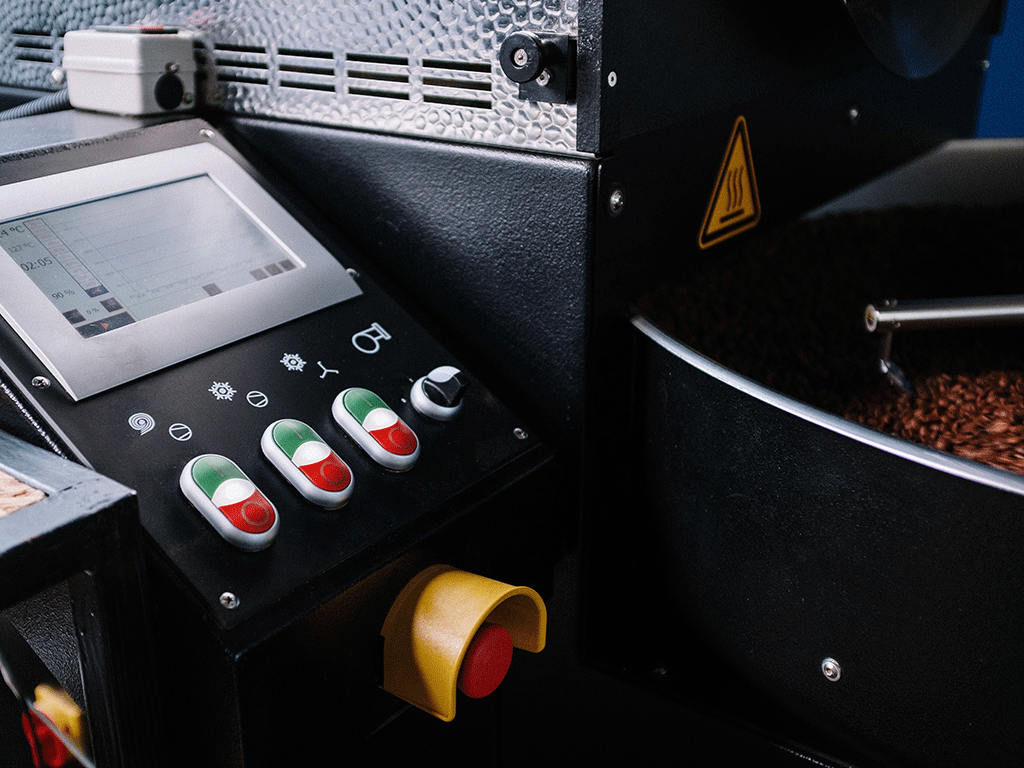
Many coffee roasters record roast profiles, compare production data, and cup every batch to identify small differences before coffee reaches customers. These quality control steps help roasters refine future roasts, reduce variation, and maintain a more consistent flavour experience.
However, coffee continues to change after roasting. Oxygen, moisture, light, and storage conditions all influence how quickly roasted coffee loses freshness. Even a well-developed roast can lose aroma and flavour if it is not properly protected during storage and transportation.
Research published by Coffee Research shows that oxygen is one of the main factors that accelerates coffee staling. As roasted coffee is exposed to air, volatile aroma compounds gradually disappear, making the coffee taste less vibrant over time. This is why many specialty coffee roasters pay close attention to storage conditions after roasting.
Maintaining consistency also means monitoring how coffee changes over time. Resting periods, cupping sessions, and storage tests allow roasters to confirm that each batch continues to deliver the flavour profile created during roasting.
Consistency does not end when roasting is complete. After achieving the desired roast profile, protecting the quality developed during roasting becomes another important step. Suitable coffee bags can help reduce exposure to oxygen and moisture, helping preserve the aroma and flavour characteristics that roasters work to create.
For coffee roasters, packaging supports the roasting process by helping maintain coffee quality during storage and transportation.
At YamiPak Coffee, we offer custom printed coffee bags with high-barrier materials and one-way degassing valves to help coffee roasters protect the consistency and quality achieved through careful roasting.
For more information on custom coffee bags, contact our team.
Share This Story, Choose Your Platform!

Chris Li
Chris Li is the Marketing Director at YamiPak coffee, with over 10 years of experience in packaging and printing. Passionate about sustainable solutions and innovative design, Chris helps brands create impactful packaging that leaves a lasting impression.
 Coffee Bags With Transparent Windows: What Should Roasters Consider?