How Holographic Coffee Bags Transform Your Brand Shelf Presence
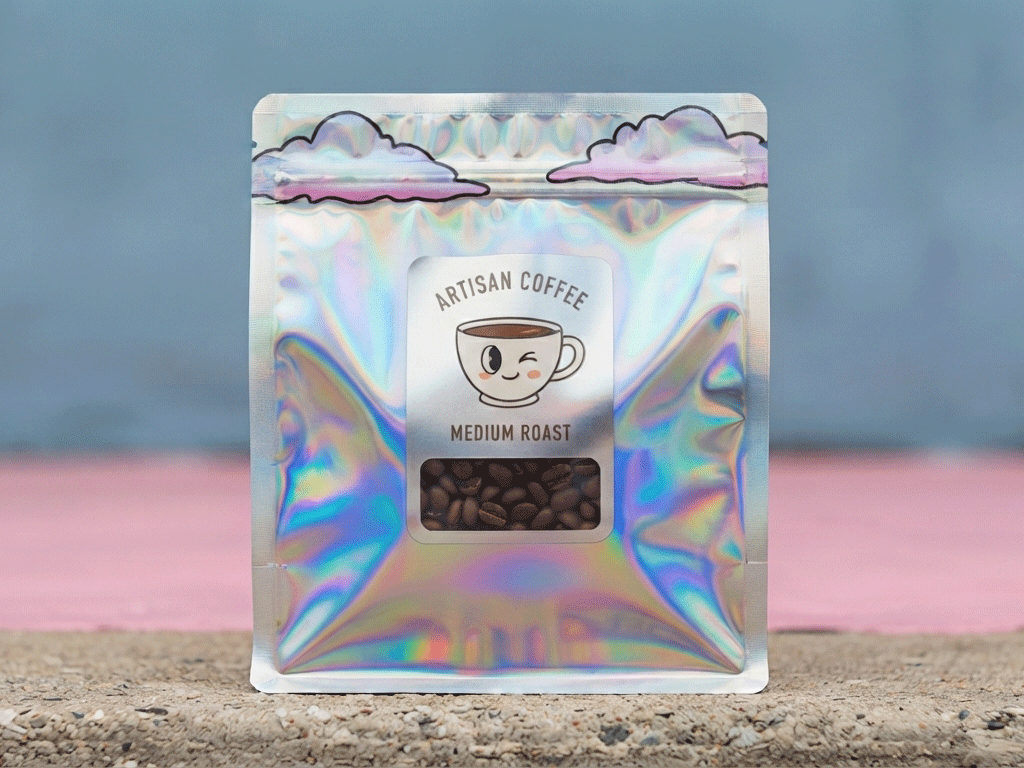
The design of a coffee bag can influence how quickly a product gets noticed on a crowded shelf. With brands using bold colours, creative graphics, and distinctive finishes, holographic coffee bags offer another way to create visual interest.
A holographic finish creates a shifting effect that changes with the viewing angle, adding depth and movement to the packaging surface. For coffee roasters, this can make the bag a stronger part of the product presentation, helping new releases, seasonal coffees, or distinctive brands stand out.
However, the effect is not simply about looking different. The choice of holographic elements, underlying materials, and overall design can all influence the final appearance and how effectively the packaging communicates the brand.
The Role of Holographic Finishes in Sensory Marketing
Holographic finishes add a visual element that people can experience before they touch or open a coffee bag. The changing reflections create movement on the shelf, while the finish can support colours, illustrations, and other design elements that already belong to the brand.
Holographic coffee bags are especially useful when a roaster wants the package to feel more active than a standard printed surface. A holographic film or foil contains microscopic structures that reflect and refract light.
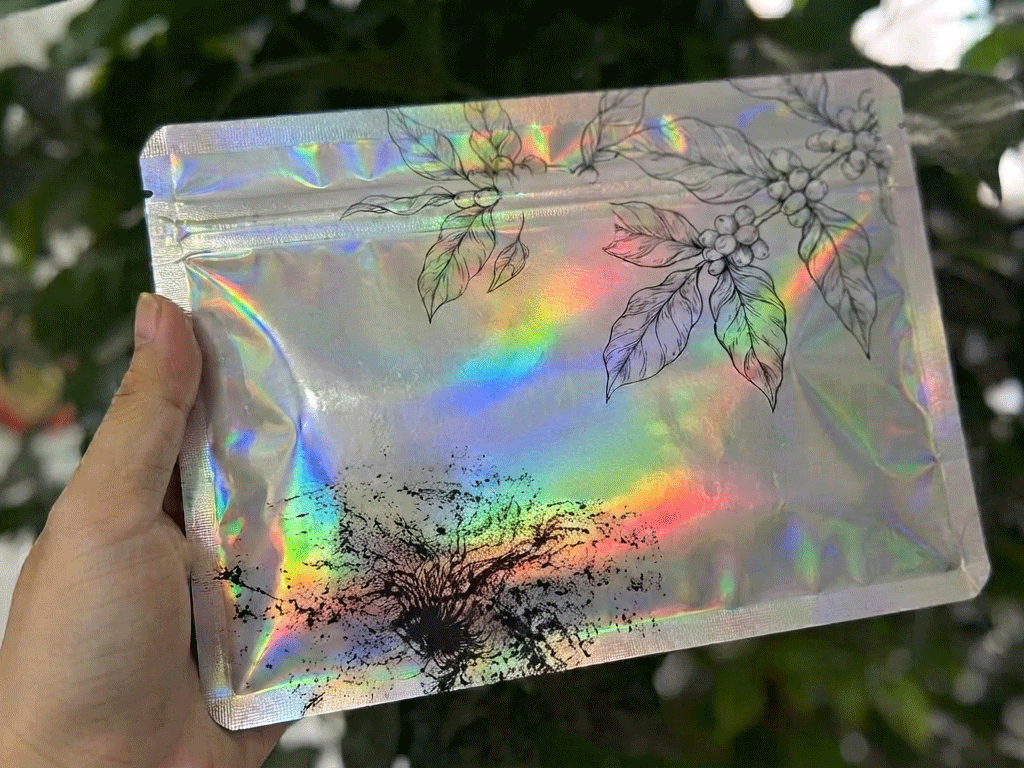
As the viewing angle changes, the surface can show shifting colours, rainbow-like highlights, or a shimmering effect. This means the package does not look exactly the same from every position.
Research on coffee packaging links distinctive finishes with sensory marketing. Visual features can influence how consumers notice and experience a product.
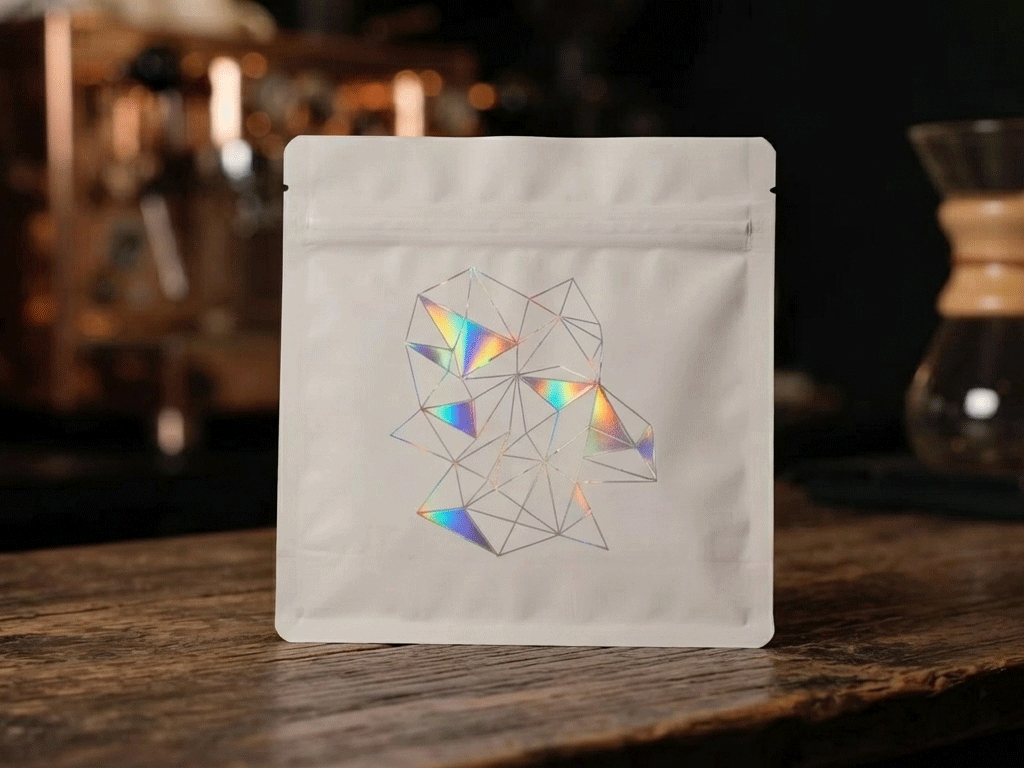
The effect does not need to cover the entire bag. A full holographic surface can create a strong visual statement, while a smaller holographic area can direct attention to a logo, pattern, illustration, or other part of the design. This gives roasters more control over the visual hierarchy of the package.
For a colourful brand, the changing reflections can add another layer to an already expressive design. For a simpler brand, a smaller holographic element can introduce movement without changing the whole identity.
Holographic coffee bags therefore work best when the finish has a clear design purpose. The goal is not simply to make the package brighter. It is to give the customer another visual detail to notice as they move past the product.
Choosing Sustainable Materials for Holographic Coffee Packaging
The visual effect should not be considered separately from the material structure. Holographic coffee bags can use different films, foils, or printing approaches, so the material choice matters.
Not every holographic packaging structure has the same environmental profile.
Some effects rely on plastic films, metallised materials, or aluminium-based components. Others can use recyclable, biodegradable, or plant-based options. The word “holographic” alone does not tell a roaster whether a bag is recyclable or compostable.
Some holographic effects can also be created through printing techniques instead of adding a separate film. This may change the overall material structure and the amount of material used.
For roasters with sustainability targets, the complete packaging structure needs to match the intended disposal system. Holographic coffee bags should be assessed based on their actual materials, not only their appearance.
The bag must also provide the barrier protection needed for roasted coffee. Oxygen, moisture, and light can affect coffee quality. The visual effect should not compromise packaging performance.
The target market also matters because recycling systems and packaging rules can differ between regions. Roasters should understand how the finished bag is expected to be disposed of before making sustainability claims.
Holographic coffee bags can suit sustainability-focused projects. However, the finish should be evaluated with the complete packaging structure.
Customizing Holographic Coffee Bags for Your Roastery
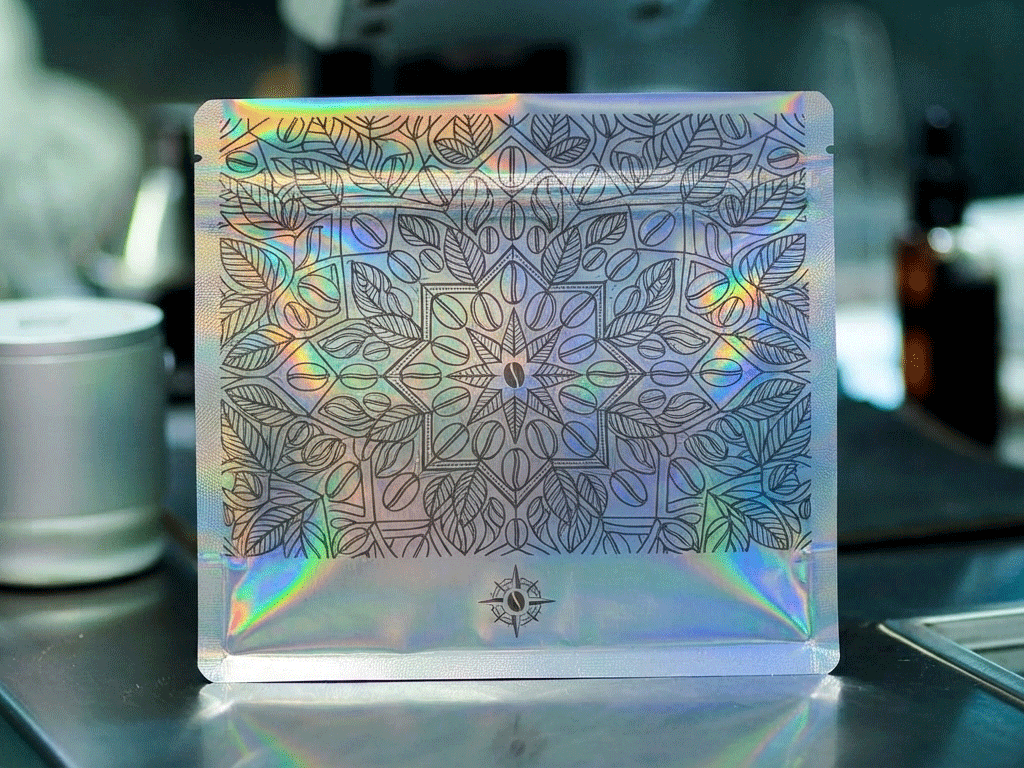
Customisation gives roasters control over how much visual movement their packaging should have. A holographic effect can cover the main surface or work as a smaller element that supports the artwork without dominating the design.
The starting point should be the brand’s visual direction. If the identity uses bold colours, unusual illustrations, or playful graphics, a holographic surface can reinforce that style. For a more restrained identity, applying the effect to selected areas can create better balance.
Holographic coffee bags can also help distinguish a particular product within a coffee range. A limited release, seasonal coffee, or special single-origin coffee may need a visual difference while maintaining the main brand identity.
In this case, the holographic element can act as a product marker. Customers may associate a specific finish with a special part of the range, making it part of the packaging system rather than a one-off decoration.
The artwork should also account for the changing reflection. Strong shapes and clear graphic areas can work well with the movement, while important brand details should remain easy to recognise.
The amount of holographic coverage can then be selected based on its role. Some holographic coffee bags use the effect across the full surface for a bold statement, while others use it as an accent to add depth to a smaller area.
At YamiPak Coffee, we can help roasters turn these design ideas into custom coffee packaging. Our coffee bags can be customised with different structures, formats, finishes, and printing options to suit different coffee brands and product lines.
Whether you are developing a seasonal release, a limited coffee, or a new packaging range, we can help review your requirements and find a suitable packaging solution.
For more information on holographic coffee bags, contact YamiPak Coffee.
Share This Story, Choose Your Platform!

Chris Li
Chris Li is the Marketing Director at YamiPak coffee, with over 10 years of experience in packaging and printing. Passionate about sustainable solutions and innovative design, Chris helps brands create impactful packaging that leaves a lasting impression.