
Should Specialty Coffee Roasters Offer Decaf Coffee?
Coffee drinkers have not always viewed decaf coffee as a serious choice in specialty coffee. Some still associate it with weaker flavour or lower quality, which can make roasters hesitate to include it in their range.
However, changing consumer habits are giving decaf more attention. Some people want to reduce their caffeine intake without giving up coffee, creating an opportunity for specialty roasters to reach customers with different needs.
So, is decaf worth adding to your roastery’s range? Understanding why consumers choose it, how the market is changing, and what roasters should consider can help you decide whether it makes sense for your business.
What Is Decaf Coffee?
Decaf coffee is made from beans that have had most of their caffeine removed before roasting. It lets people enjoy coffee while consuming much less caffeine than they would from a regular cup.
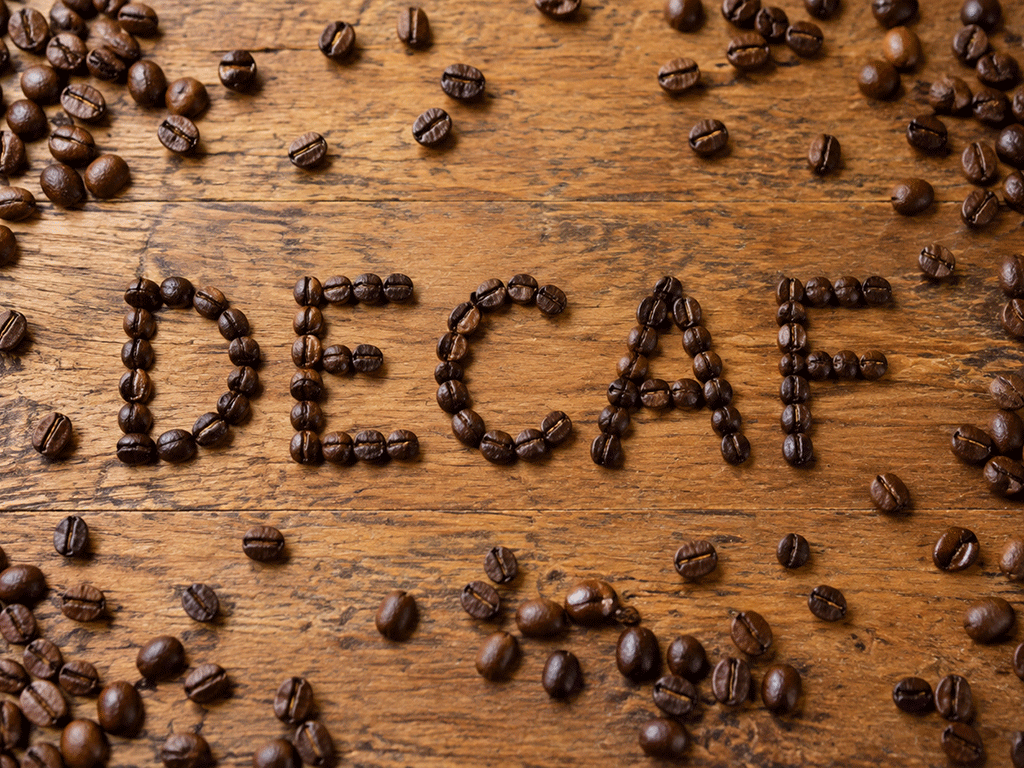
The process usually takes place while the beans are still green. Producers use several methods to remove caffeine, including water-based processes, solvents, and carbon dioxide. Each method works differently and can affect the final flavour.
Water-based methods use water and filters to separate caffeine from the beans. Solvent-based methods use specific solvents to remove it, while carbon dioxide methods use pressurised CO₂ to target caffeine.
Decaf coffee does not mean completely caffeine-free. The US Food and Drug Administration states that an eight-ounce cup typically contains around 2–15 milligrams of caffeine. The exact amount depends on the beans, processing method, serving size, and brewing method.
For specialty roasters, these differences matter when choosing decaf beans and explaining them to customers. They should avoid claiming that decaf contains no caffeine at all. Clear information helps customers understand what they can expect from their coffee.
Roasters should also test roast profiles and brewing results before adding decaf to their range. Decaffeinated beans can behave differently during roasting, so testing helps roasters find a suitable profile and maintain consistent flavour across different batches.
Why Is Decaf Coffee Growing in Popularity?
More consumers are choosing decaf coffee for practical reasons. Some want to sleep better, while others feel uncomfortable after drinking regular coffee. They still want to enjoy coffee without consuming as much caffeine.
A survey of 1,000 UK decaf drinkers, conducted in May 2025, found that 58% chose decaf to support better sleep, while 47% cited caffeine-related side effects, such as feeling jittery or having a racing heart.
The survey also found that 75% had been drinking decaf for more than a year. This suggests that decaf coffee is a regular part of life for many consumers, rather than a short-term choice.
People may choose decaf at different times of the day. Some prefer regular coffee in the morning and switch to decaf later, while others want to reduce their caffeine intake throughout the day.
These habits show that decaf coffee can serve different needs. It is not only for people who avoid caffeine completely, and it should not be seen as a choice limited to older consumers.
A separate UK consumer study in 2025 found that 26% of respondents had increased their decaf consumption over the previous year. This points to a change in some consumers’ coffee habits, although demand may differ between markets.
For specialty roasters, these findings offer a reason to pay attention to decaf coffee. Customers may want more choice in how and when they drink coffee, alongside regular blends and single-origin beans.
However, national survey results cannot predict demand for every roastery. Customer feedback, local buying habits, and repeat orders can help roasters decide whether decaf coffee is worth adding to their range.
Why Should Roasters Consider Adding It to Their Range?
Decaf coffee gives specialty roasters a way to reach customers who want to enjoy coffee with less caffeine. This includes people who are sensitive to caffeine and those who prefer to avoid it later in the day.
It also challenges the idea that decaf is only a secondary product. Specialty-grade decaf can offer distinct flavour profiles, and its quality depends on the green coffee, decaffeination method, and roasting approach.
Younger consumers are another group worth considering. Decaf is not limited to older coffee drinkers. Roasters that understand changing consumption habits may find new opportunities to serve different customer groups.
However, demand alone does not guarantee a profitable product. Decaffeination adds processing costs, and some specialty decaf beans can be more expensive to source. Roasters need to consider their target customers and pricing before adding it to their range.
Supply is another factor. The choice of origins and available lots may be more limited for certain decaf coffees. Roasters should assess supplier options and consistency before making a long-term commitment.
Flavour also deserves careful attention. Different decaffeination methods can affect the final cup, so roasters should sample beans and test roast profiles before selecting a product. The goal is to find a decaf that meets their quality standards and suits their customers.
For smaller roasters, starting with one well-chosen decaf can be a practical way to test demand. Sales and customer feedback can then guide future decisions about expanding the range.
At YamiPak Coffee, we provide custom coffee packaging solutions for roasters developing or expanding their product ranges. Our options support different brand styles, materials, and bag formats.
Planning to launch a decaf coffee range? Contact YamiPak Coffee to discuss custom packaging for your products.
Share This Story, Choose Your Platform!

Chris Li
Chris Li is the Marketing Director at YamiPak coffee, with over 10 years of experience in packaging and printing. Passionate about sustainable solutions and innovative design, Chris helps brands create impactful packaging that leaves a lasting impression.
 Coffee Bloom: What It Is and Why It Matters