
Why Coffee Tasting Experiences Matter for Specialty Coffee Roasters
Many coffee consumers are looking for more than a daily cup. Coffee tasting experiences help them explore different flavours, origins, and brewing methods, creating new opportunities for specialty coffee brands.
Coffee tasting experiences help specialty coffee roasters introduce different coffees, educate customers, and create stronger connections through flavour exploration.
As specialty coffee continues to develop, roasters need more ways to help customers discover their products. Understanding the difference between professional evaluation and consumer-focused tasting can help brands create better coffee experiences.
Coffee Cupping and Coffee Tasting Experiences: Key Differences
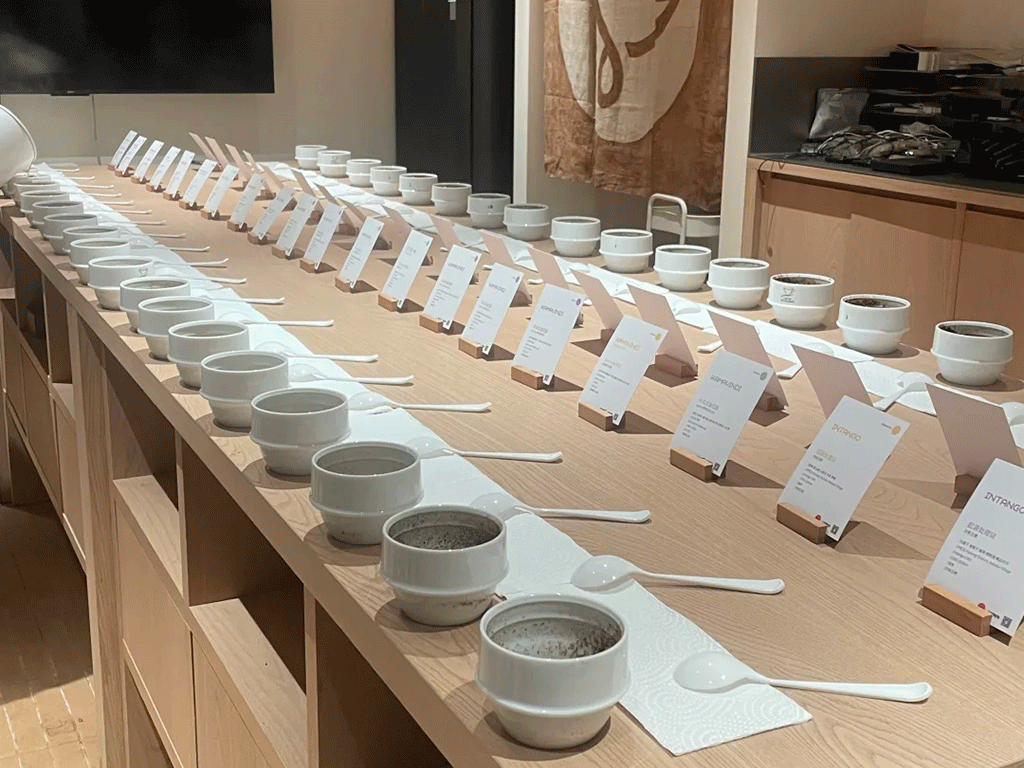
Coffee cupping and coffee tasting experiences are both related to exploring coffee flavours, but they serve different purposes. While cupping focuses on professional evaluation, tasting experiences are designed to help more people discover and understand specialty coffee.
What Is Coffee Cupping?
Coffee cupping is a professional method used by coffee experts to evaluate coffee quality and identify different characteristics in a coffee sample. During a cupping session, hot water is added directly to ground coffee, allowing professionals to assess elements such as aroma, acidity, body, and flavour.
Coffee cupping follows a structured process used across the specialty coffee industry. Roasters, buyers, and other professionals use it to compare coffees, identify flavour characteristics, and assess quality. This process supports decisions about sourcing, roasting, and product development.
For coffee roasters, cupping is an important step before introducing a coffee to customers. It helps them understand the strengths and characteristics of different coffees, allowing them to make better decisions about how each coffee should be roasted and presented.
What Are Coffee Tasting Experiences?
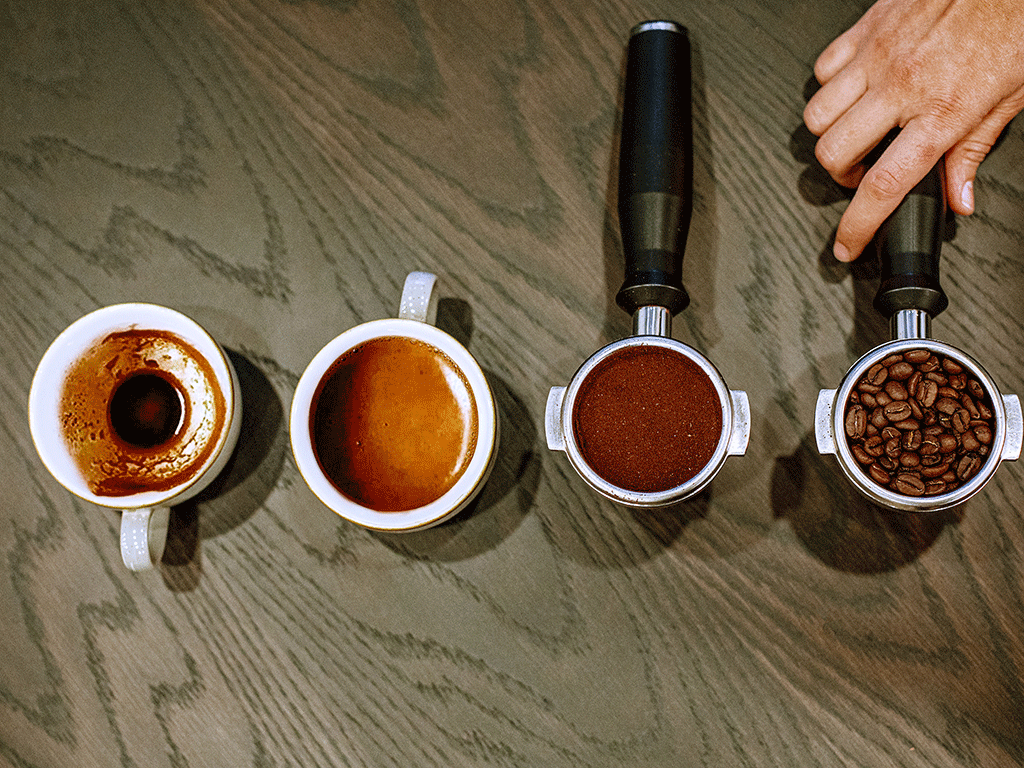
Coffee tasting experiences are broader and more consumer-focused. Instead of following a strict evaluation process, they allow people to enjoy and compare coffees through different brewing methods, such as pour-over, French press, or espresso. The focus is more on discovering flavours and understanding personal preferences.
Many consumers enjoy learning about coffee but may not be familiar with terms such as processing methods, roast profiles, or flavour notes. A guided tasting format gives them a simple way to understand these differences and explore specialty coffee in a more approachable way.
Unlike professional cupping, these experiences are not mainly about scoring or judging coffee quality. They focus on helping consumers connect with different coffees and discover the flavours they enjoy.
Why Does the Difference Matter for Coffee Roasters?
For specialty coffee roasters, understanding the difference between coffee cupping and coffee tasting experiences is important. Cupping helps roasters understand the quality and characteristics of coffee before introducing it to customers. On the other hand, tasting experiences help transform this knowledge into a format that allows consumers to explore different coffees.
Creating these experiences gives roasters a way to share coffee knowledge with a wider audience. Instead of customers choosing one unfamiliar coffee, they can compare different options and learn what flavours they prefer.
By connecting professional coffee knowledge with consumer exploration, roasters can create more meaningful ways for customers to discover specialty coffee.
Why Coffee Tasting Experiences Are Becoming More Important
The specialty coffee market has changed the way many consumers think about coffee. Instead of only choosing coffee based on convenience or habit, more customers want to learn about where coffee comes from and what makes each coffee different.
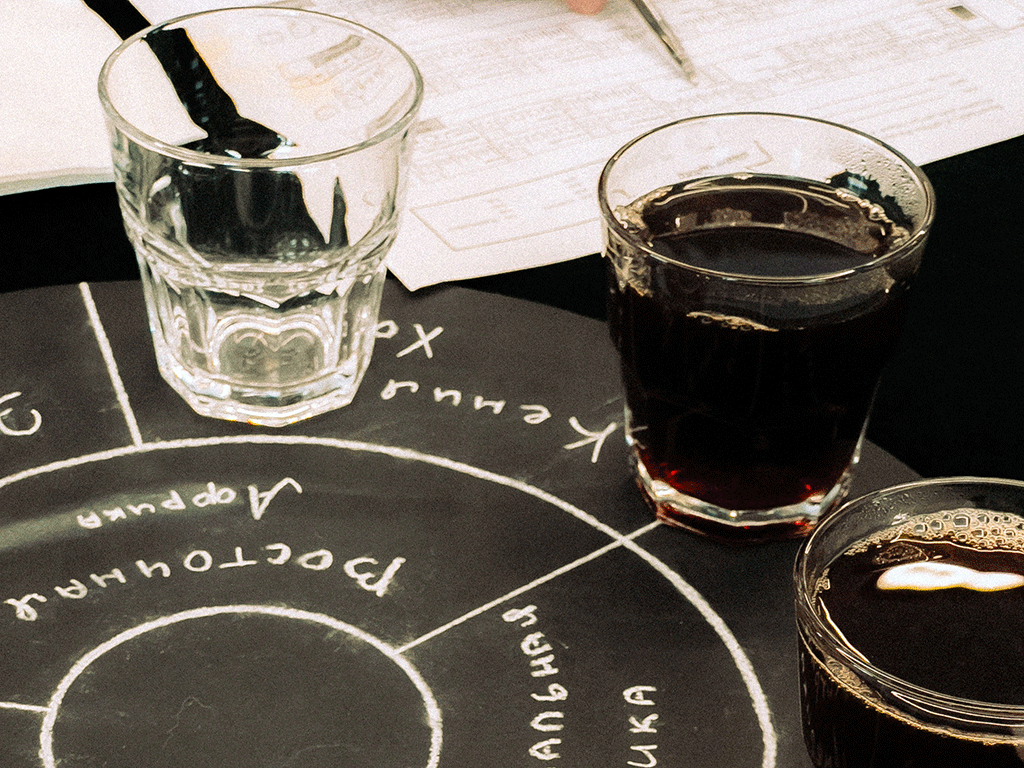
Today’s coffee consumers are increasingly interested in origins, flavour notes, and brewing methods. They want to discover new coffees instead of purchasing the same product every time. This change creates more opportunities for roasters to introduce different coffees and build stronger relationships with customers.
Coffee tasting experiences support this shift because they allow consumers to compare and explore. A customer who tries several coffees in one session can better understand the differences between origins, roast styles, and flavour profiles.
For roasters, this approach creates a way to introduce more products without making the customer choose only one coffee. A tasting collection can include different coffees from the same brand, helping customers explore the wider product range.
These coffee tasting experiences are also useful for building education around specialty coffee. When customers understand why a coffee tastes different, they are more likely to appreciate the work behind sourcing, roasting, and brewing.
This trend is especially valuable for brands that focus on unique coffees, limited batches, or different seasonal products. Instead of simply selling coffee, roasters can create opportunities for customers to learn and discover.
The growing interest in coffee exploration shows that customers are looking for more meaningful ways to enjoy coffee. For roasters, creating these experiences can become a way to introduce more products while helping customers understand what makes each coffee special.
How Coffee Roasters Can Create Better Coffee Tasting Experiences
For coffee roasters, creating better tasting experiences does not only mean hosting events or organising tasting sessions. It can also involve developing products that allow customers to explore different coffees in their own way.
One common approach is creating tasting sets or coffee sampler collections. These formats allow roasters to combine several coffees together, giving customers the chance to compare different origins, roast profiles, or flavour characteristics.
Coffee tasting experiences can also be supported through subscription collections. Instead of receiving the same coffee repeatedly, customers can discover new selections over time. This creates more opportunities for roasters to introduce their full coffee range.
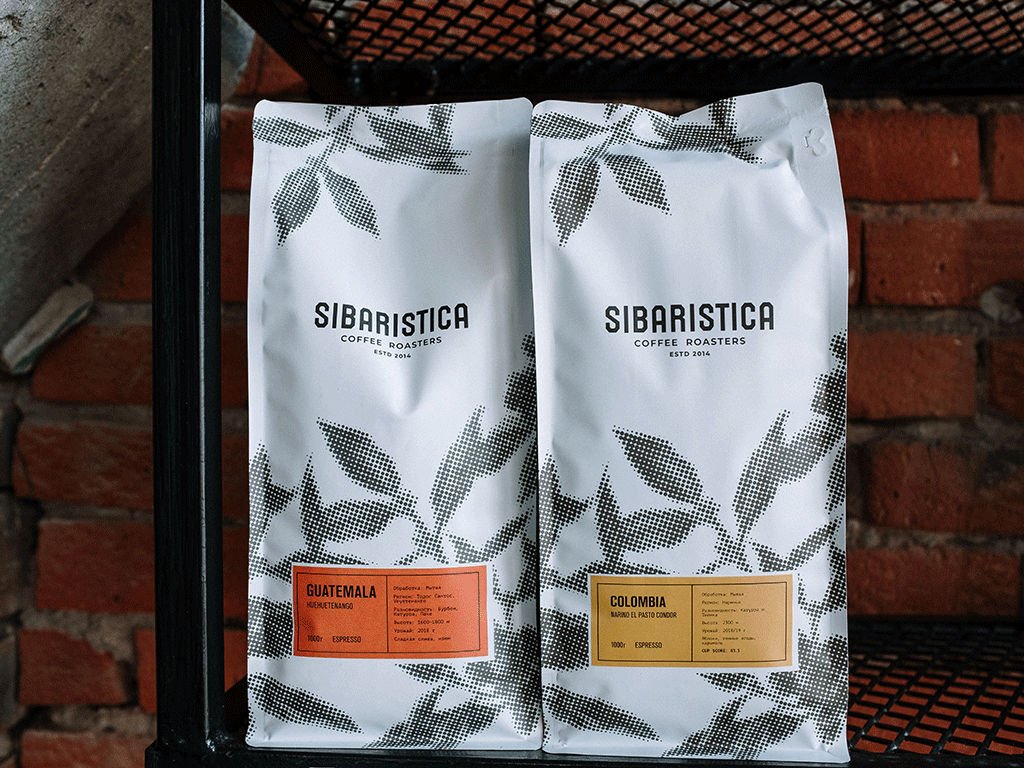
Small coffee bags are also suitable for these formats because each coffee can remain separate while being included in one collection. This helps maintain the identity of each coffee while making it easier for customers to try multiple options.
For roasters, smaller portions can also support product testing and new coffee launches. Customers may be more willing to explore an unfamiliar coffee when they can try a smaller quantity first.
Packaging plays an important role in these products because each coffee needs to communicate its own information clearly. Details such as origin, flavour notes, and brewing instructions help customers understand what they are experiencing.
By combining different coffees with the right product format, roasters can create more ways for customers to discover specialty coffee. Coffee tasting experiences are not only about tasting more coffees; they are about helping customers build a deeper understanding of each coffee they try.
The right packaging format can help bring these coffee experiences to life. Small coffee bags and customised designs allow roasters to create sampler sets, subscription collections, and limited coffee releases that make coffee exploration easier for customers.
At YamiPak Coffee, we provide customised coffee packaging solutions for specialty coffee roasters, helping them develop packaging that matches different coffee concepts. From pouch size and design to materials, valves, and finishing options, we support roasters in creating packaging that enhances their coffee collections.
For more information on customised coffee packaging solutions, contact our team.
Share This Story, Choose Your Platform!

Chris Li
Chris Li is the Marketing Director at YamiPak coffee, with over 10 years of experience in packaging and printing. Passionate about sustainable solutions and innovative design, Chris helps brands create impactful packaging that leaves a lasting impression.
 Why Coffee Roast Defects Matter for Roasters