Are coffee bags getting smaller?
Coffee prices keep moving. Shoppers notice every increase. Roasters now face a hard question: should familiar retail coffee bags stay the same size for much longer?
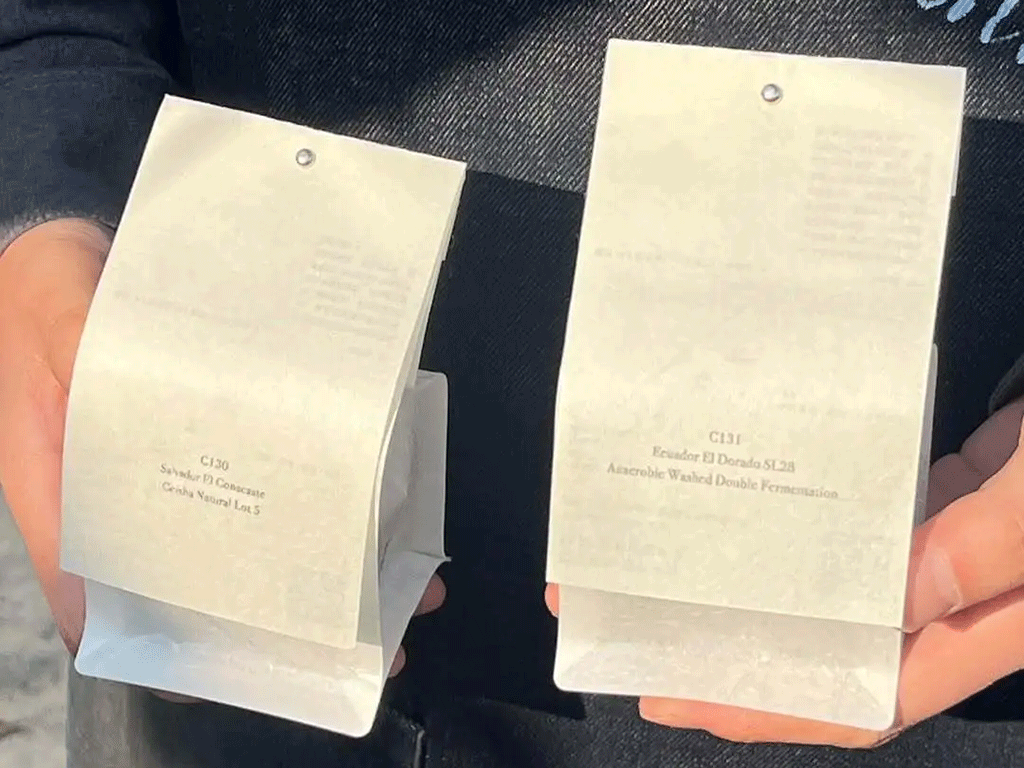
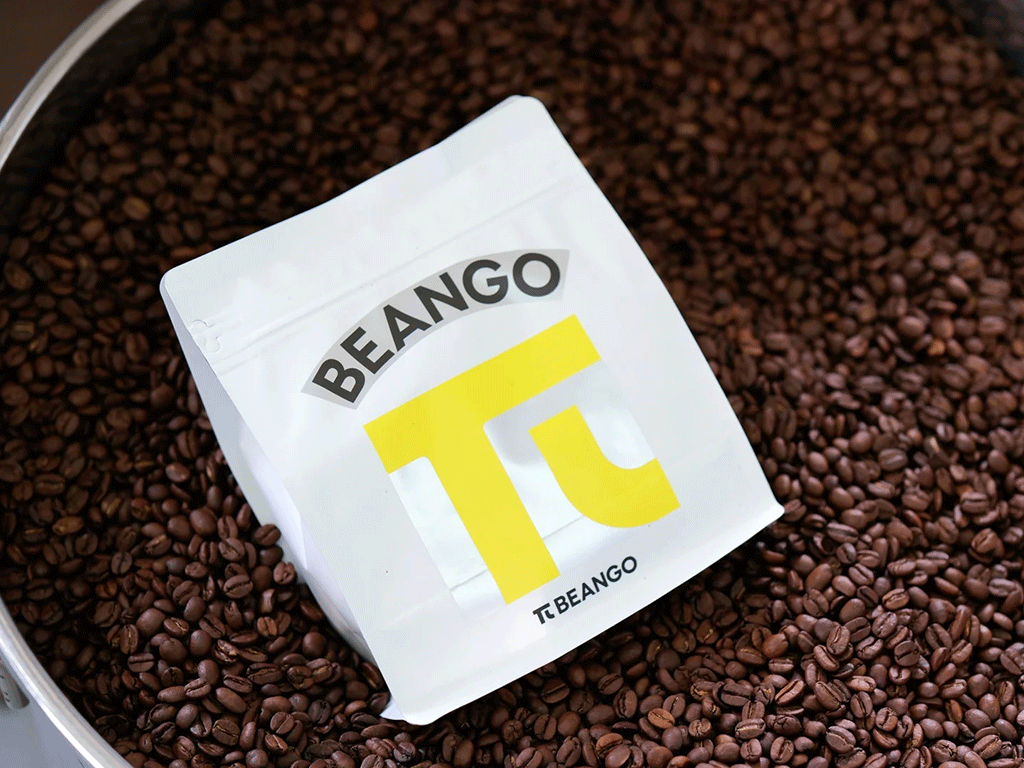
Yes, some coffee bags are getting smaller. Yet this does not mean one standard size is disappearing. Many roasters are adding 200g, 225g, and smaller packs alongside familiar formats to manage costs and match different coffees, markets, and buying habits without giving up larger options.
A smaller bag can protect a price point, but that is only part of the story. Size also affects freshness, product value, shipping, and how easily customers can try a new coffee before buying more.
Key takeaways
- There is no single standard size for coffee bags. While 250g is common in many European specialty markets, 12oz, or about 340g, remains familiar in North America. Local buying habits still matter.
- Rising costs and changing buying habits are prompting some roasters to reconsider traditional retail sizes instead of relying on one format for every coffee. The reason for the size matters as much as the number on the label.
- Smaller coffee bags can work well for premium micro lots, limited releases, sample sets, subscriptions, and customers who want to try different coffees. Each size should have a clear role in the range.
What is the standard coffee bag size?
The answer depends on where the coffee is sold and who is buying it. Retail coffee bags have common formats, but they do not follow one global rule.
In many European specialty coffee markets, 250g is a familiar choice. It gives home brewers enough coffee for several drinks without asking them to store an open pack for too long.
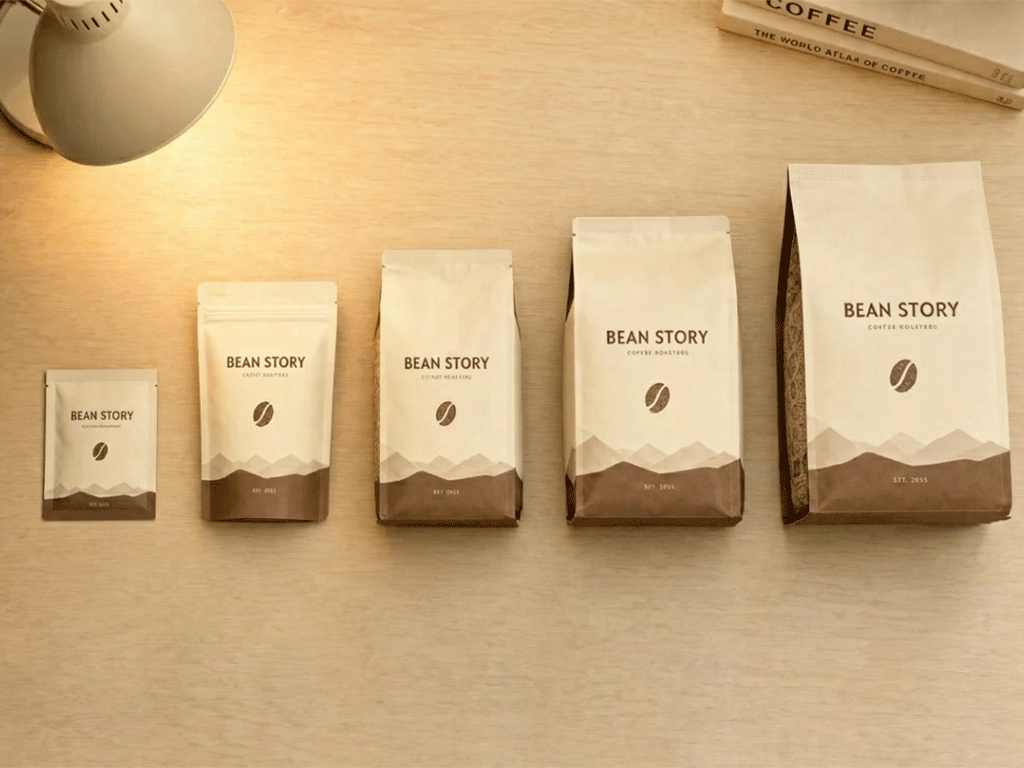
In North America, 12oz coffee bags have long been common. That size holds about 340g. It reflects a different retail habit and gives regular drinkers more coffee before they need to place another order.
Larger formats also have a clear role. A 500g or 1kg pouch may suit busy households, offices, cafés, and wholesale buyers. Smaller formats can work better for tasting sets or high-value coffees.
The right size also depends on the brew method. Espresso drinkers may use more beans while setting a recipe. Filter coffee drinkers who enjoy variety may prefer to rotate smaller packs more often.
Why are sizes changing?
Green coffee prices remain a key pressure. The International Coffee Organization reported that its Composite Indicator Price averaged 266.24 US cents per lb in April 2026. It fell 2.7% from March, but the wider market still showed strong cost pressure.
Shipping also matters. The same report said freight costs rose 43.6% between 27 February and 30 April 2026. At the same time, euro area inflation reached 3.0% in April. Many customers still watch everyday spending closely.
Labour, storage, and packaging costs can add more pressure. Some roasters are testing 200g, 225g, and even smaller coffee bags. The goal is not to declare 250g or 340g outdated. It is to build a size range that fits current costs, target customers, and each coffee.
When do smaller coffee bags work?
Smaller coffee bags work best when the size supports the coffee itself. The choice should feel clear, not like a hidden cut in value.
Premium micro lots are a good example. A rare coffee may cost more because of its origin, processing method, limited harvest, or cup quality. A 50g, 100g, or 150g pack can make that coffee easier to try.
Limited releases also benefit from smaller packaging. A roaster may only have a small volume available. A compact bag can help more customers access the release without making the product feel ordinary.
Sample sets need even more flexibility. Small pouches allow customers to compare origins, roast styles, or processing methods. They also give roasters a simple way to introduce a wider range without asking for a large first purchase.
Online subscriptions can use smaller coffee bags in a similar way. A customer may prefer several coffees in one delivery instead of one large bag. This format adds variety and can support regular discovery.
Freshness is another reason to review size. A smaller pack may suit customers who brew less often. It can help them finish the coffee sooner after opening, especially when they switch between several coffees at home.
Roasters should still be clear about the amount inside. Smaller coffee bags work well when the size matches the product and the price. Clear labels help customers understand what they are buying and why the format makes sense.
Which sizes should roasters offer?
There is no perfect mix for every roastery. The best range starts with the product line, the sales channel, and the way customers brew at home.
For core retail coffees, 200g to 250g is a practical starting point in many markets. These sizes suit customers who want fresh coffee without buying too much at once. They can also support seasonal rotations.
A 300g or 340g bag can still make sense, especially in North America or for regular drinkers. It gives espresso drinkers more coffee for dialling in a recipe without moving into a large wholesale format.
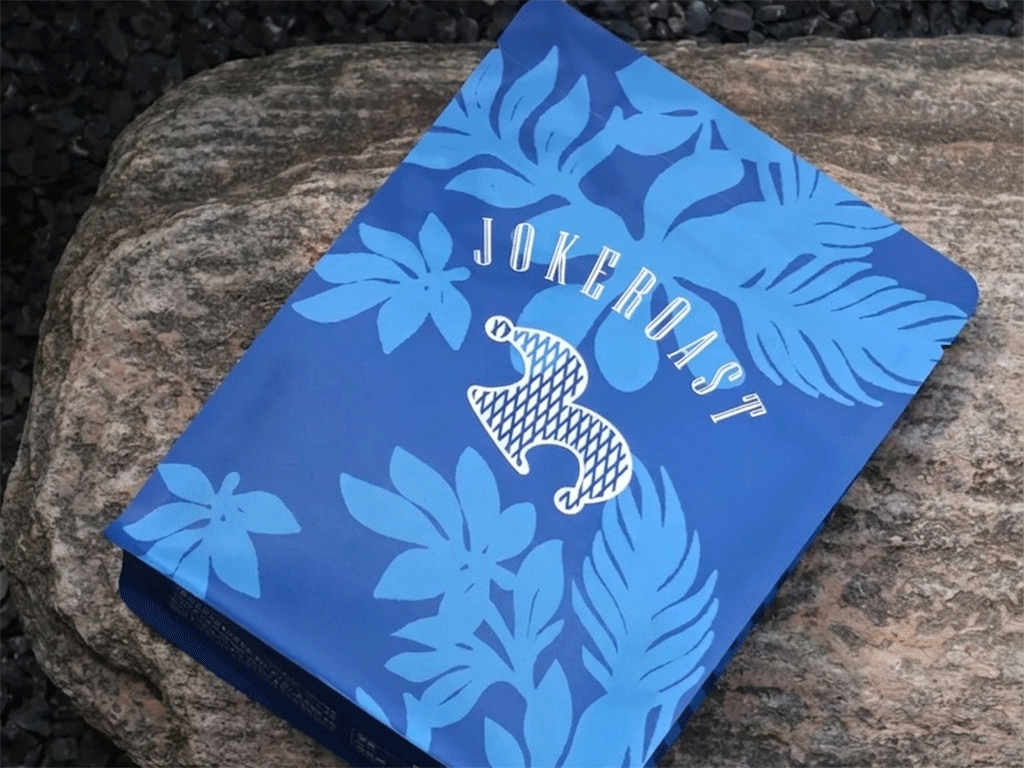
For premium micro lots, 50g to 150g can work well. This range lowers the first purchase cost and keeps the focus on scarcity, quality, and discovery.
Sample packs can go smaller again. Their purpose is not to replace the main retail bag. They help customers explore a range before choosing a full-size product.
For wholesale, office, or high-use settings, 500g and 1kg coffee bags remain useful. These larger pouches suit buyers who move through coffee quickly and restock often.
Roasters should also think about shipping. Compact packs may fit subscription boxes or letterbox-friendly mailers more easily. Larger coffee bags may suit local pickup, café shelves, or wholesale orders.
The key is not to replace one standard with another. Coffee bags should match the coffee, the customer, and the channel. Three or four clear sizes may give roasters enough room to respond as the market changes.
At YamiPak Coffee, we offer custom coffee packaging in a wide range of sizes and formats. From smaller packs for premium micro lots and sample sets to larger options for retail and wholesale orders, roasters can choose the size, bag style, material structure, and printing method that suit each product and sales channel. Our packaging options are also designed to help protect freshness while keeping the product range clear and consistent.
To explore the right packaging sizes for your coffee range, contact the YamiPak Coffee team.
Share This Story, Choose Your Platform!

Chris Li
Chris Li is the Marketing Director at YamiPak coffee, with over 10 years of experience in packaging and printing. Passionate about sustainable solutions and innovative design, Chris helps brands create impactful packaging that leaves a lasting impression.