Are coffee tasting cards worth adding to specialty coffee packaging?
Coffee tasting cards may seem like a small detail, but specialty coffee is often shaped by small details. From the bag design to the way a coffee is presented, each choice can influence how customers understand a product before they take the first sip.
Yet many roasters still treat coffee tasting cards as an optional extra. When used with care, they can guide customers through a coffee, keep the bag design clear, and make each release feel more complete.
For roasters offering single-origin coffees, microlots, or seasonal releases, the question is not simply whether to add another insert. It is how to make that card a useful part of the wider packaging experience.
Key takeaways
- Use coffee tasting cards to guide attention instead of crowding customers with detail.
- Add a QR code when a small card cannot hold the full story.
- Match the card to the bag, product range, and sales channel.
What should coffee tasting cards include?
A useful tasting card should focus on the details that help customers understand a coffee before they brew it. Origin, processing method, flavour notes, and roast level offer a clear starting point without making the design feel crowded.
Origin should come first. A country name gives basic context, but a region, farm, producer, or cooperative can make the coffee feel more distinct. This matters most for single-origin coffees and microlots, where the story behind the beans often adds to the value of the product.
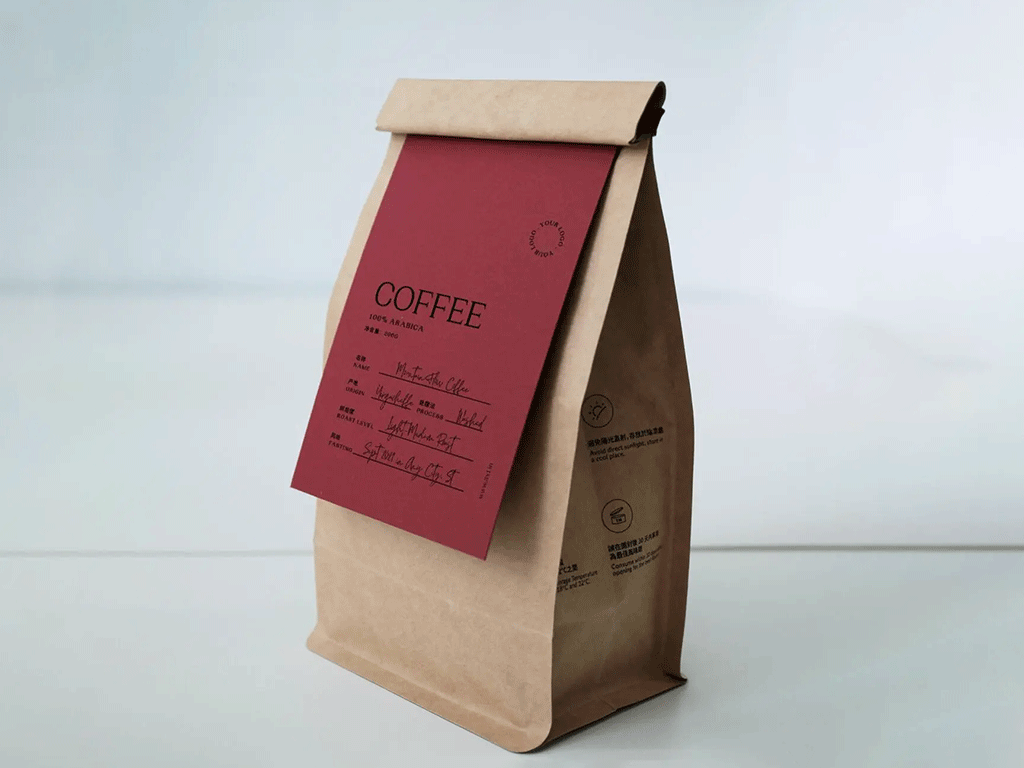
The processing method should follow. A short reference to washed, natural, or honey processing can help customers compare different coffees and understand why flavour profiles vary.
Flavour notes also need careful wording. Simple terms such as chocolate, peach, or jasmine are easier to understand than technical language. Coffee tasting cards should guide customers without making the experience feel difficult.
A short brewing suggestion can add practical value. It gives customers a clear place to start and may help them get a better result from the first cup.
Roasters can also add a QR code when the story needs more space. It can lead to a producer profile, brewing guide, or product page while keeping the printed card easy to read.
Sustainability details may also fit naturally here. If the coffee packaging is recyclable or uses a lower-impact structure, the card can explain this choice without filling the bag with extra text.
How do tasting cards enhance the coffee experience?
Coffee tasting cards can help customers approach a cup with more attention. They offer useful prompts before brewing and tasting, so customers have a clearer idea of what to notice without treating flavour notes as fixed rules.
A note such as peach, cocoa, or jasmine gives the customer a starting point. It can direct attention to aroma, sweetness, acidity, mouthfeel, and finish.
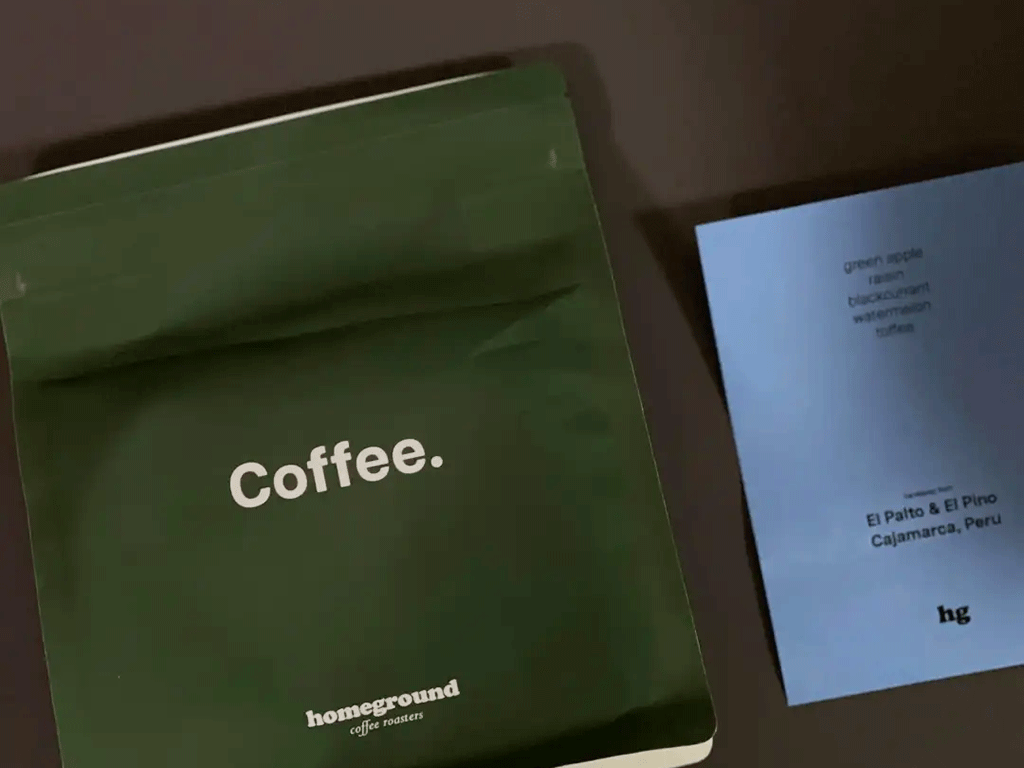
This matters because customers may not always know how to talk about flavour. A simple card can make the tasting process feel easier and more open.
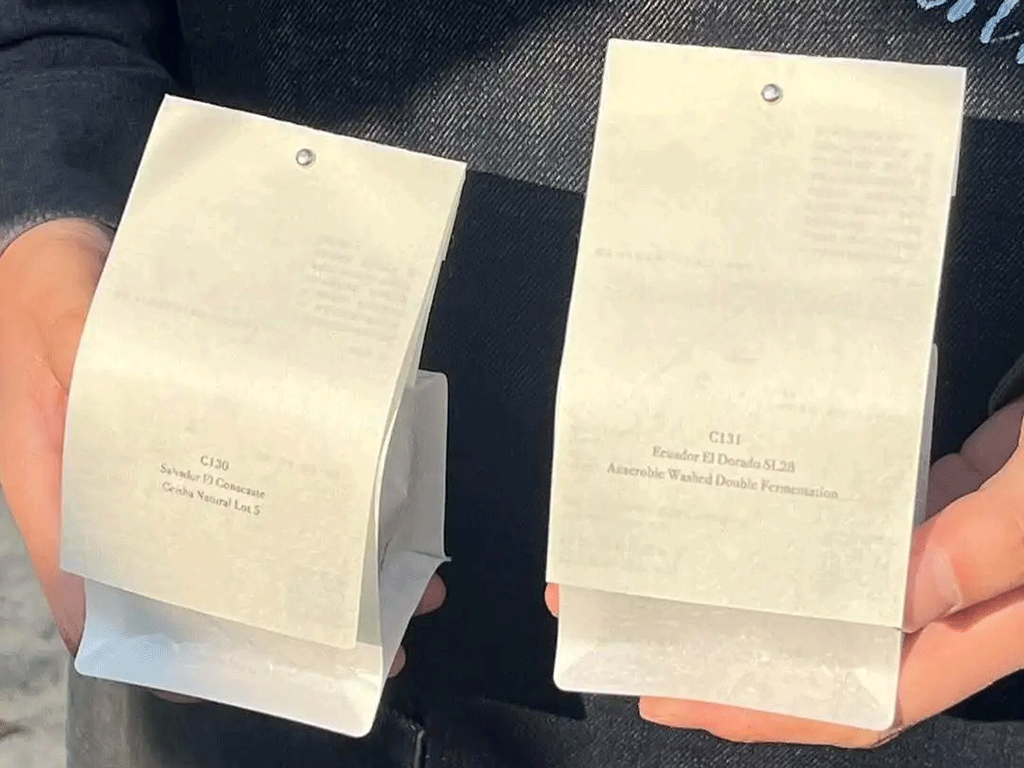
These cards also make it easier to compare products. A customer can place two cards side by side and see how origin, process, and tasting notes differ.
They can add more value to single-origin coffees, microlots, seasonal releases, sample packs, subscription boxes, and gift boxes. These products often invite customers to slow down and explore.
A 2024 consumer survey found that 79% of shoppers were more likely to buy products with a scannable barcode or QR code that gave them the details they wanted. A QR code on coffee tasting cards can extend the experience without making the printed design too busy.
Coffee tasting cards can also help customers remember a coffee after the bag is empty. A clear card may support repeat orders when customers want to return to a flavour profile they enjoyed.
The card should still leave room for personal taste. It should guide the experience, not tell customers exactly what they must find in the cup.
How can roasters create a cohesive packaging experience?
Coffee tasting cards work best when they feel like part of the packaging system. The bag, card, and outer box should share a clear visual style, so the final product feels planned rather than pieced together.
Start with the bag design. Use related colours, typefaces, and illustration styles. The card does not need to copy the bag, but customers should see a clear link.
Card size also matters. A card slot on a flat-bottom bag can hold an insert in place while keeping it visible. This suits coffee releases that need extra context.
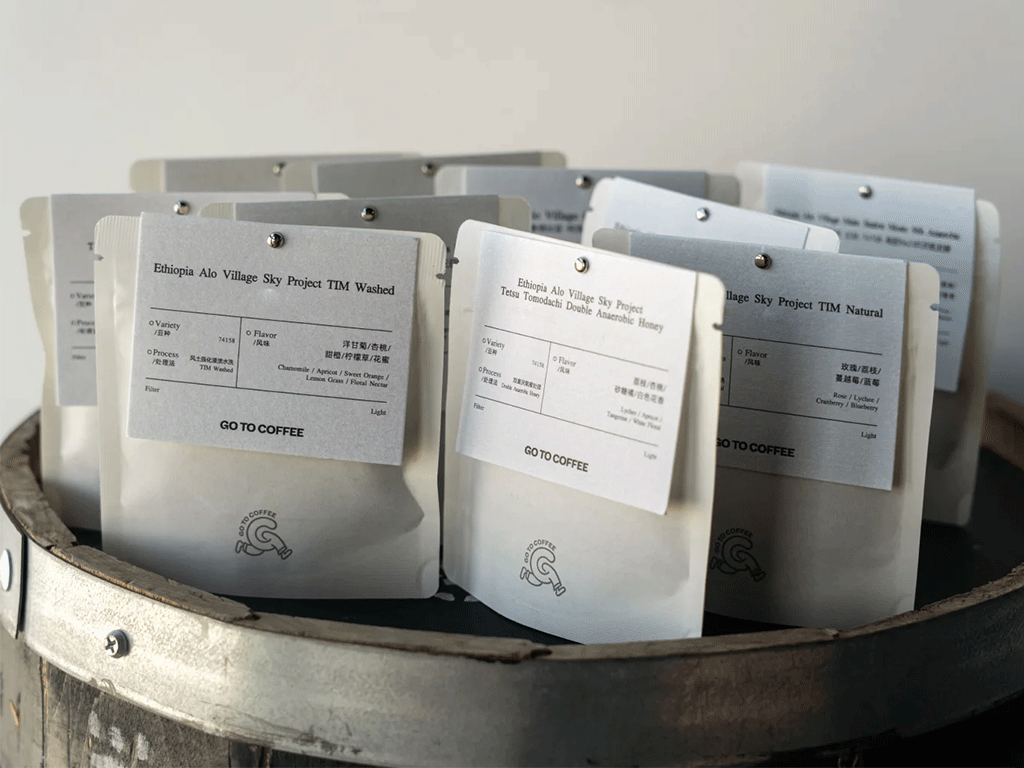
Coffee tasting cards can also sit inside gift boxes, sample boxes, and subscription boxes. Place them where customers will see them early in the unboxing process.
For seasonal coffees and microlots, roasters can use a flexible bag design and update the card for each release. This avoids creating a different printed bag for every batch while keeping the product range clear.
Coffee tasting cards should not replace the main label. Customers still need to find the key product details on the bag without searching through extra packaging pieces.
They do not suit every coffee. A core blend may need only a clear label. A card adds more value when the product has a distinct story, tasting focus, or gift-ready format.
Before adding a card, roasters should consider the product, packaging format, and customer journey. A useful card adds depth without making the bag harder to understand.
At YamiPak Coffee, we help roasters create coffee packaging that supports this experience. From custom-printed coffee bags and flat-bottom pouches to coffee boxes, our packaging options give each tasting card a natural place.
Ready to create a more complete packaging experience for your coffee? Get in touch with the YamiPak Coffee team to explore the options for your next release.
Share This Story, Choose Your Platform!

Chris Li
Chris Li is the Marketing Director at YamiPak coffee, with over 10 years of experience in packaging and printing. Passionate about sustainable solutions and innovative design, Chris helps brands create impactful packaging that leaves a lasting impression.