Natural Coffee vs. Washed Coffee Processing
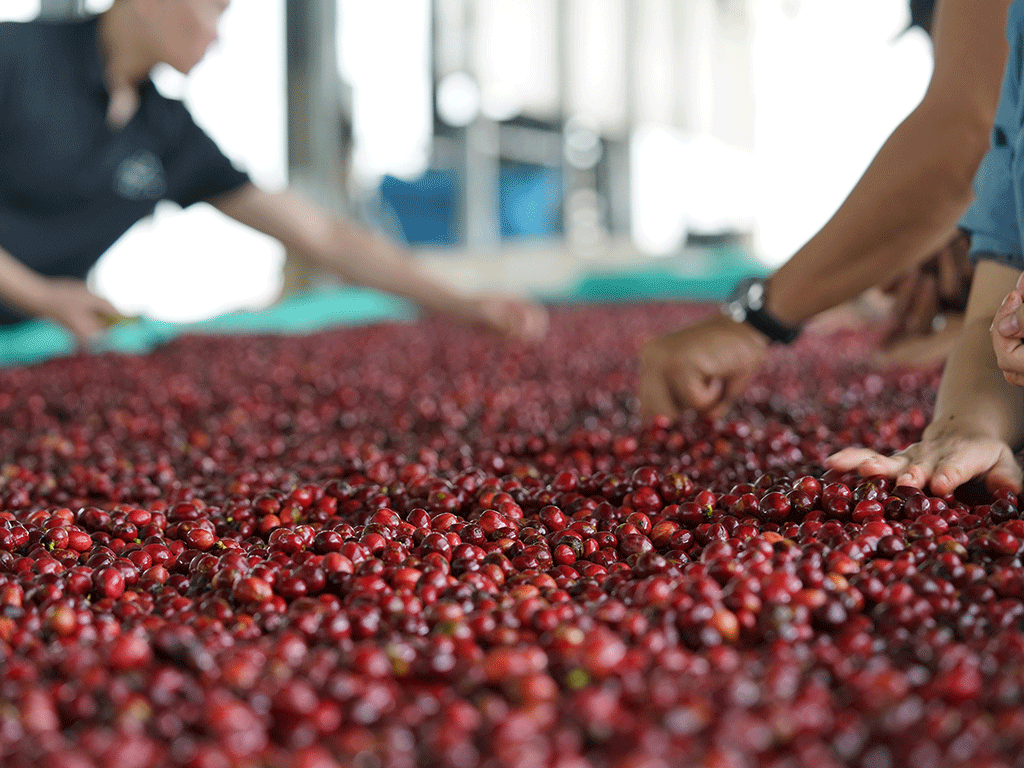
Natural coffee vs. washed coffee processing starts after coffee cherries are picked. Producers need to process the fruit soon after harvest so the beans can dry safely and move into storage, shipping, and roasting.
The method can shape the final cup. Natural coffees dry inside the cherry, while washed coffees have most of the fruit removed before drying. This difference can influence sweetness, acidity, body, and flavour clarity.
For specialty coffee roasters, understanding these two approaches makes it easier to select coffees, describe their profiles, and explain the processing method clearly on coffee packaging.
Why is coffee processed?
Coffee processing turns freshly picked cherries into stable green beans that producers can store, ship, and roast. The method also affects how long the seed stays in contact with the surrounding fruit.
A coffee bean is the seed inside a coffee cherry. After harvest, producers need to remove the outer skin, pulp, and other layers before the beans can move through the supply chain.
Drying matters just as much. Producers need to lower moisture carefully so green coffee stays stable during storage and export. Poor drying can lead to uneven quality and unwanted flavours during storage and transport.
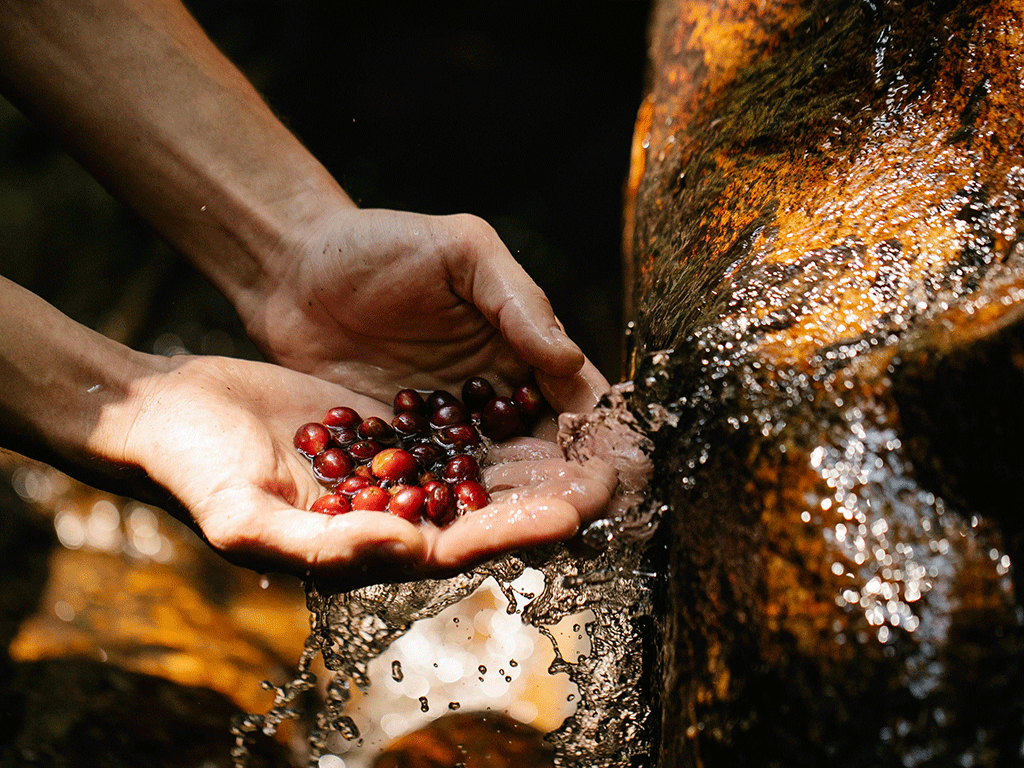
Natural coffee processing keeps the cherry intact during drying. Producers spread the cherries on patios or raised beds and turn them regularly until the fruit and seed reach the right condition.
Washed coffee processing takes a different route. Producers remove the skin and much of the pulp before drying. Fermentation and washing can then help remove the remaining mucilage.
How does processing affect flavour?
Fruit contact time, fermentation conditions, and drying speed can all influence the cup. Natural coffees often taste fruitier and fuller. Washed coffees often taste cleaner, brighter, and more clearly defined.
Water use also varies. Traditional washed processing can use substantial amounts of water. The FAO notes that modern pulper-demucilager units can cut this to only 0.5 litres per kilogram of fresh cherry.
Climate, water access, equipment, and target flavour all matter. Coffee processing methods are not a ranking system. Producers choose the approach that best fits the coffee and the conditions at origin.
How do natural and washed coffees differ in the cup?
Natural coffee vs washed coffee becomes easier to understand once customers taste them side by side. Each process can point the cup in a different direction, even when both coffees come from the same origin.
Natural coffee processing often creates a sweeter and more fruit-forward impression. Common descriptions include berry-like, jammy, wine-like, and full-bodied. Some cups may also show a stronger fermented character.
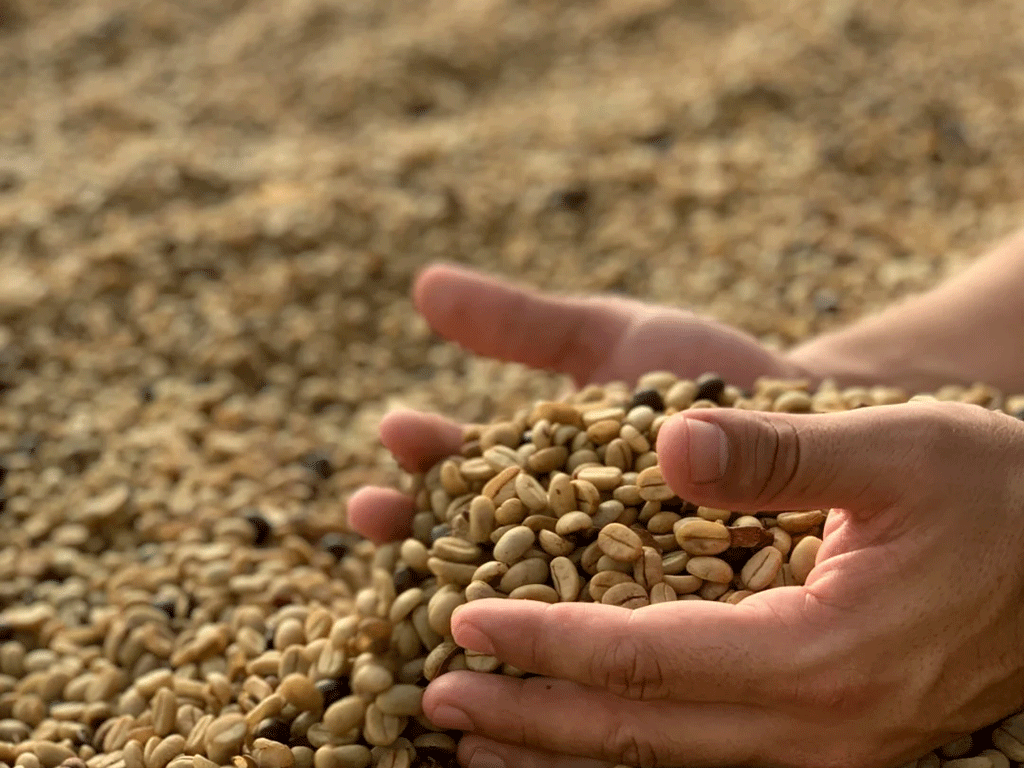
That does not mean every natural coffee tastes heavy or intense. Variety, altitude, climate, drying control, fermentation management, and roast profile can all change the final result.
Washed coffee processing often brings a cleaner and brighter cup. Customers may notice crisp acidity, a lighter feel, and clearer separation between flavour notes.
For some roasters, this clarity makes washed coffees a useful way to highlight origin and variety. Floral, citrus, tea-like, or stone-fruit notes may feel more defined when the cup has less fermented character.
Natural coffee vs washed coffee is not a contest between boldness and quality. A fruit-forward natural can be balanced and precise. A bright washed coffee can still have sweetness and body.
These coffee processing methods can help roasters build a more varied menu. A natural coffee may suit customers who enjoy rich fruit notes. A washed coffee may appeal to those who prefer a clean and crisp cup.
The best comparison comes from tasting. Process gives customers a useful clue, but it does not tell the whole story. Brew method and water quality can also change the way each coffee tastes. This is why tasting remains important when roasters introduce unfamiliar origins or lots.
Should roasters include processing information on coffee packaging?
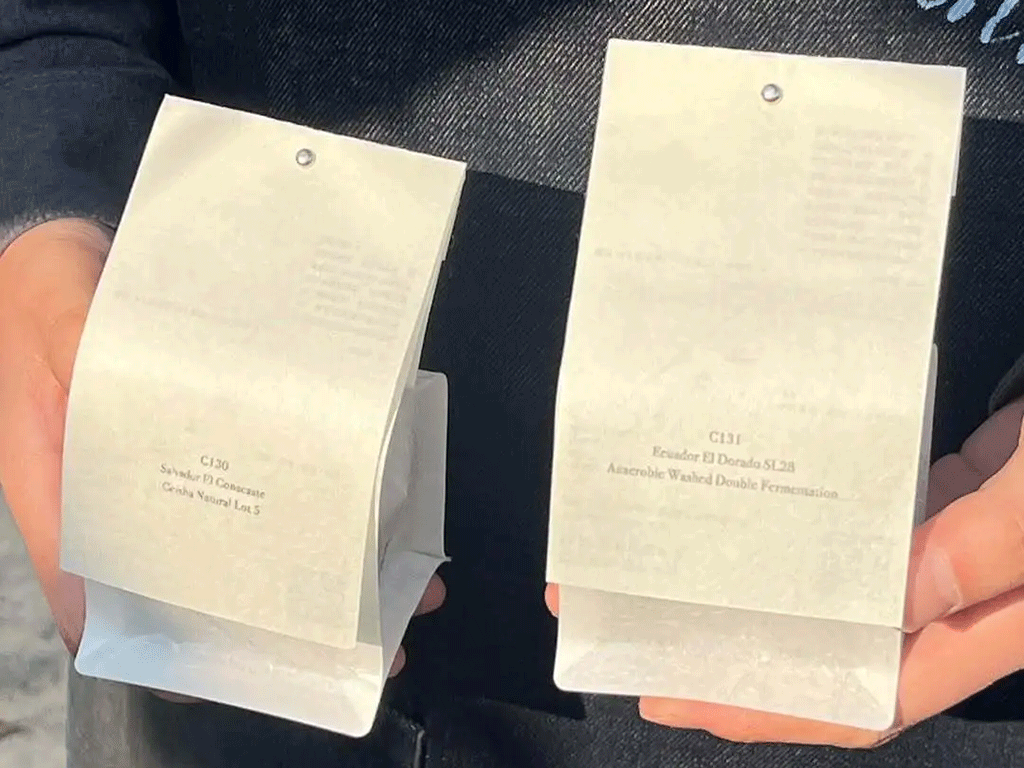
The difference between natural and washed coffee can confuse customers who are new to specialty coffee. Thoughtful packaging can turn the processing method into a useful guide instead of another technical term.
Roasters can place processing details on the main coffee bag label, a sticker, or a tasting card. The right choice depends on the space available and the way the coffee range is organised.
For a natural process, a short explanation such as “dried inside the coffee cherry” makes the term easier to understand.
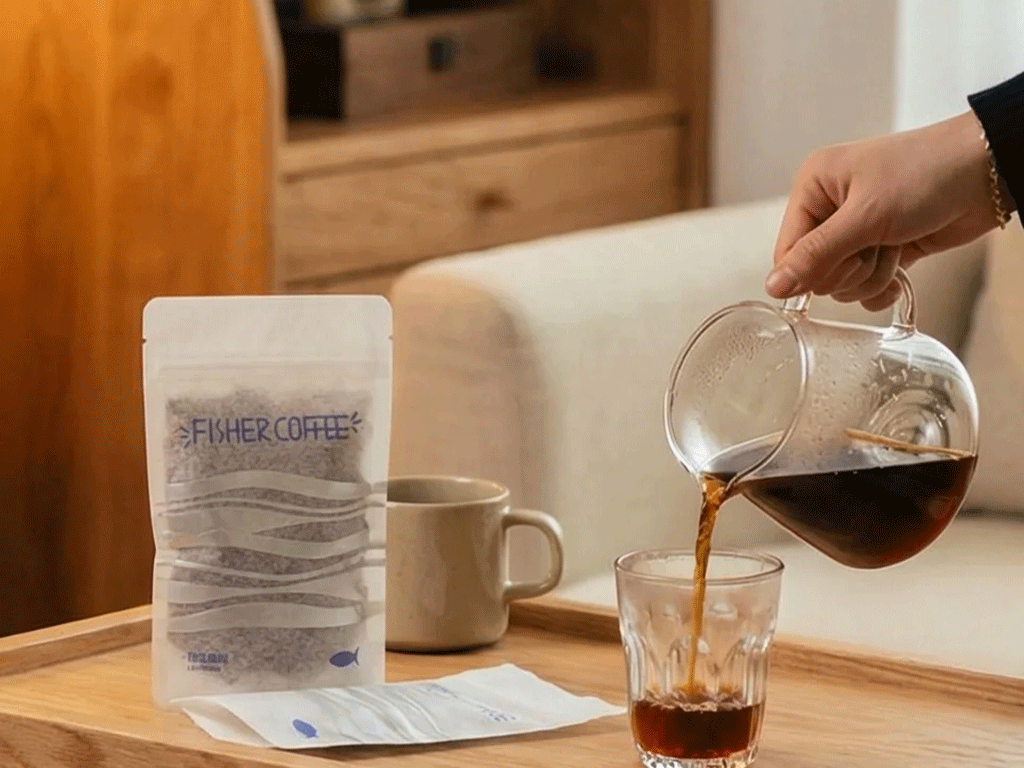
For a washed process, a line such as “fruit removed before drying” gives customers a simple starting point and helps them connect the process with the cup profile.
This approach also works for honey, anaerobic, or other processing methods. A short explanation keeps the label useful for both new and experienced customers.
Flavour notes still matter. Pair the process with three or four clear tasting notes rather than a long list.
Colour, icons, and layout can help too. A roaster might place the process in the same position on every label or use one small icon across the range.
Processing information should not take over the whole design. The coffee name, origin, and other key details still need a clear place on the bag.
Whether roasters offer natural or washed coffees, the processing method deserves a visible place on the packaging. It helps customers compare coffees and connect the process with the flavours they experience in the cup.
At YamiPak Coffee, we help roasters create custom-printed coffee bags and sustainable packaging options that make these details easy to communicate. Processing methods can appear directly on the bag, on a label, or on a tasting card.
Ready to make your coffee packaging clearer and more informative? Get in touch with the YamiPak Coffee team to explore the options for your next release.
Share This Story, Choose Your Platform!

Chris Li
Chris Li is the Marketing Director at YamiPak coffee, with over 10 years of experience in packaging and printing. Passionate about sustainable solutions and innovative design, Chris helps brands create impactful packaging that leaves a lasting impression.